Market Application Reference | Africa slippers
This Africa slipper page is a Market Application Reference, not evidence of a real export, buyer or regional sales result. An importer should convert the broad destination label into a specific inquiry: permitted slipper constructions, sole and attachment rules, footbed hygiene, visible sizes, preparation, dry packing, loading evidence and receiving checks for the chosen country and channel.
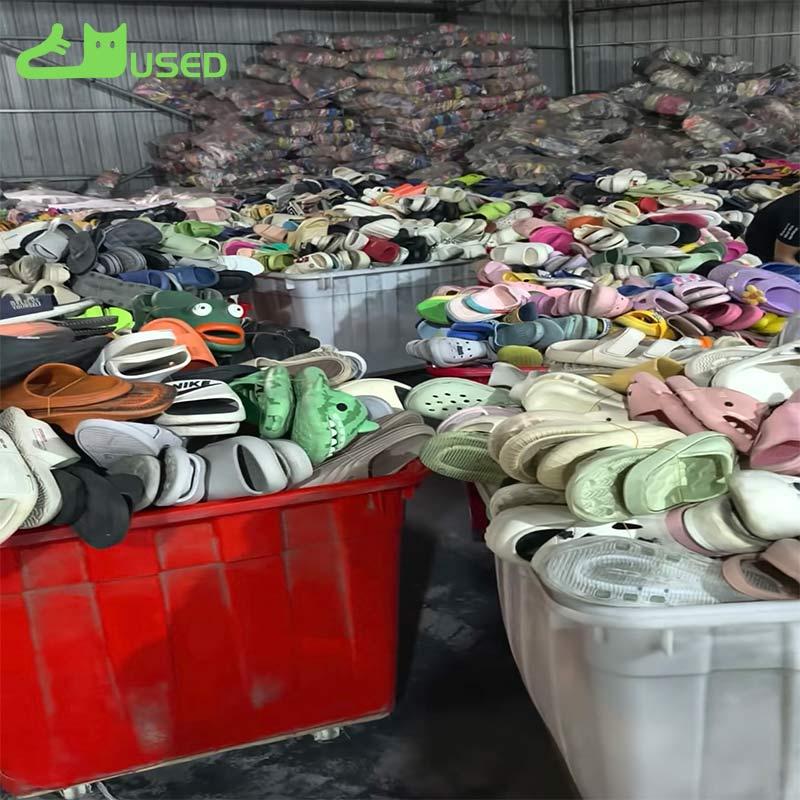
Record destination country, actual sales channels, permitted slipper forms, marked-size system, presentation limits and packing constraints supplied by the buyer. These fields guide the inquiry; they are not statements about every buyer in Africa.
Where local handling, storage or import requirements matter, obtain current specialist or official advice rather than guessing from geography. Keep those records separate from product inspection.
named current destination
buyer-operated lane
approved constructions
verified separately
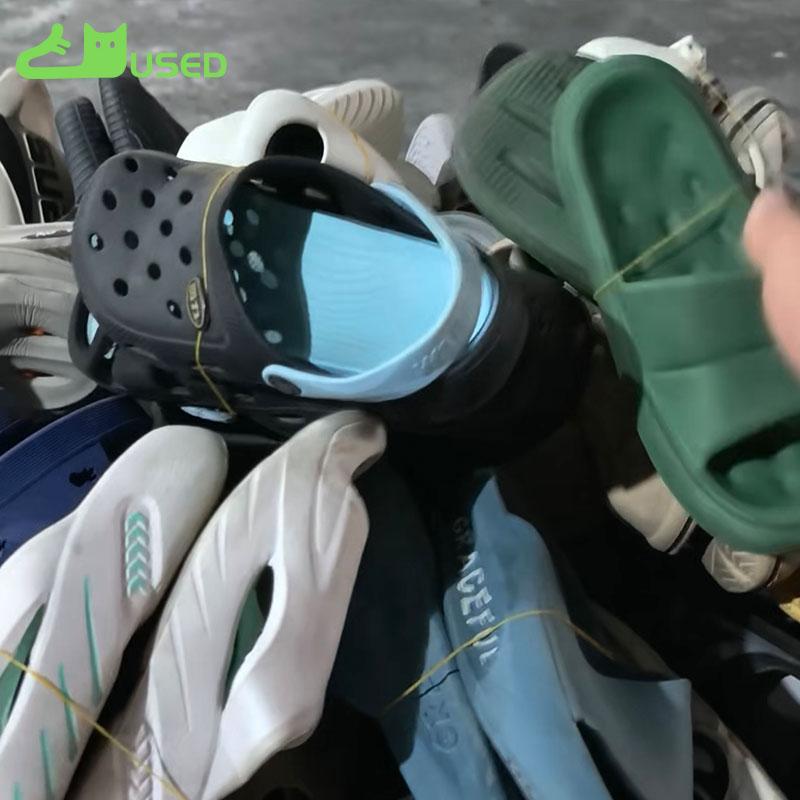
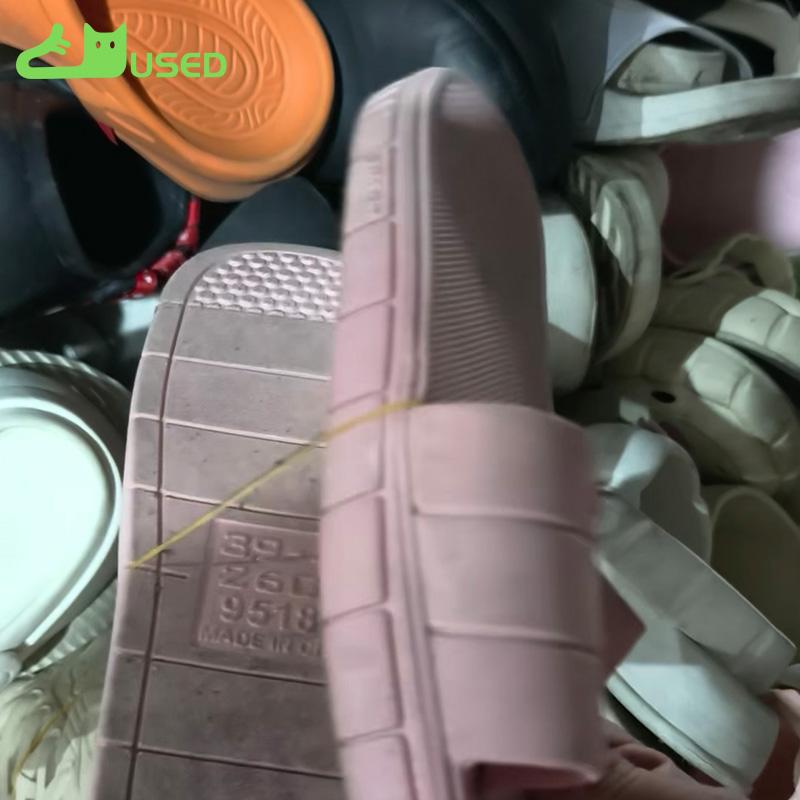
Slides need band and edge checks, flip-flops need post and plug review, and closed slippers add upper seams, lining and closure where present. All forms need compatible mates, sole wear, footbed condition and odor decisions.
Write observable pass, preparation, hold and reject reasons. Do not let one cosmetic grade override active sole separation, unstable attachment or a hygiene exclusion.
band and sole
post plug and sole
upper seam and lining
pair footbed and odor
The board separates product facts from country and channel assumptions.
| Inquiry field | Supplier returns | Buyer decides |
|---|---|---|
| Construction | Released counts and reasons | Permitted forms |
| Marked size | Visible-system cells | Curve and tolerance |
| Packing | Code, dryness and protection | Unit format |
| Destination | Documented route requirements | Country-specific approval |
Unverified regional assumptions remain outside the product release decision.
Select coded units across packing positions before results are known. Count complete pairs, construction passes, preparation, holds, rejects and visible size cells. Include borderline evidence tied to codes.
Report unit-level range and combined results. Expand around concentrated attachment or hygiene issues. Avoid extending a strong sample to uninspected stock without an agreed basis.
predefined unit spread
complete pairs
construction-specific counts
trigger and result
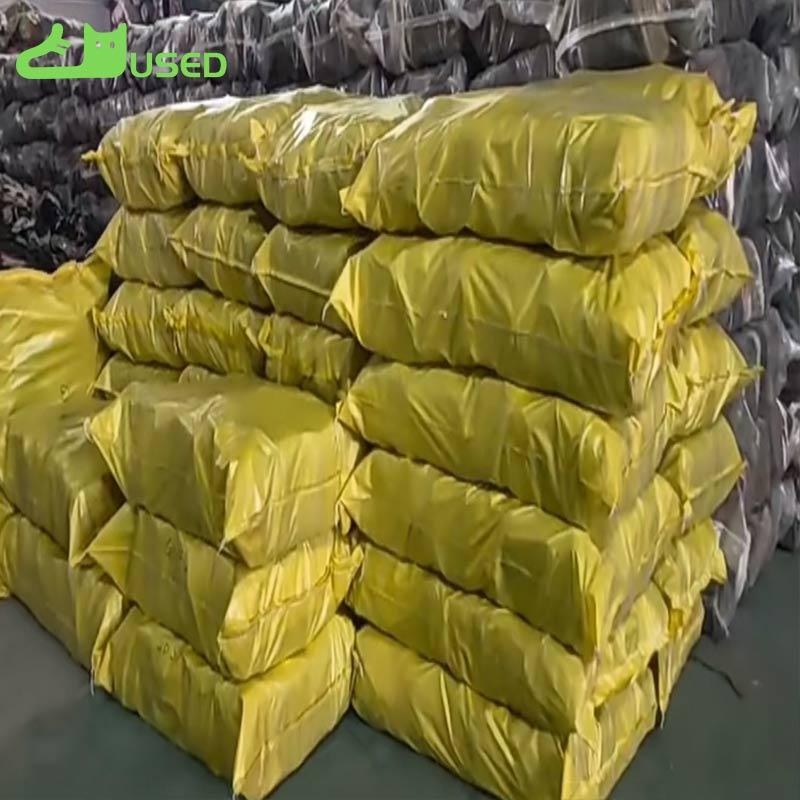
Read compatible marks on both mates and keep conflicts outside the curve. Cross-tab released size by construction and retain the visible system. Do not convert without evidence or infer a universal African size demand.
State concentration and substitution rules. The supplier returns current counts; the buyer approves a change, reduces quantity or preserves the original cells before packing.
visible pair label
released construction-size cell
unfilled request
recorded substitution
Keep mates together, avoid folding bands or stressing posts, separate outsoles from footbeds and confirm drying. Label code, accepted pairs, construction-size reference, gross weight and closure date.
Reopen selected units before loading. Check pair count, shape, odor, labels and matrix. Record repacks and document changes instead of relying on a final loaded photograph.
attachments not distorted
footbeds protected
closure verified
matrix reference
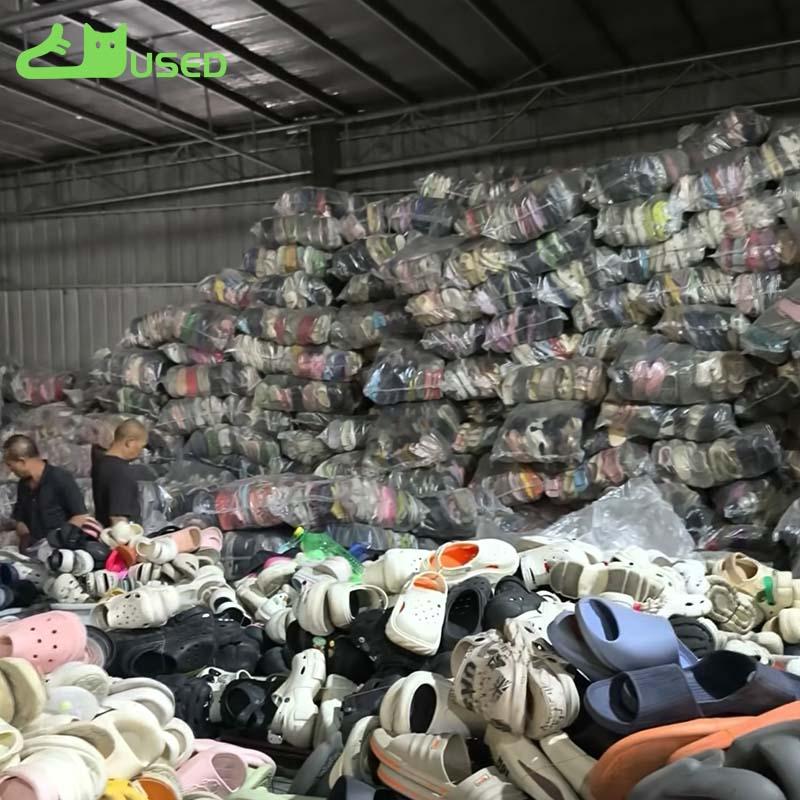
Open agreed units and repeat construction, bond, footbed, marked-size and packing checks. Quarantine damage, dampness, substitution and label conflicts. Preserve supplier and receiver records.
Update the next brief with actual destination and channel feedback. One order reference cannot justify a continent-wide preference, profit forecast or permanent grade assumption.
same reason fields
affected coded units
physical disposition
country-specific revision
Attach the named destination, buyer channel, permitted constructions, visible size systems, physical and hygiene boundaries, preparation allowance, inspection sample, commercial unit and packing format. Ask the supplier to return current counts, ordinary-unit evidence and every unsupported cell. A confident yes is not a substitute for those fields.
State the required pre-loading reopening spread, unit labels, document revisions and owner of each open item. If route, storage or country requirements are still being verified, keep them outside the product-quality conclusion and name the responsible reviewer. The quotation becomes comparable when another supplier can answer the same form without inventing missing assumptions.
Before approval, reconcile inspection passes, preparation, holds, released form-size cells and packed pairs. A blank mandatory line stays open; it does not become an implied inclusion when payment or loading approaches.
construction and hygiene reasons
released form-size cells
dry coded units
owner and due date
No. It is a Market Application Reference for building a country-specific inquiry.
No. Bands, posts, seams and materials require appropriate routes.
After pair, attachment, hygiene and mark holds are removed.
The named destination's receiving and channel records, not a continental assumption.
A broad Africa slipper title becomes actionable only after the buyer names the destination, channel and product controls. The used slippers wholesale category sets product context; current construction and receiving evidence decides fit.

Direct Factory Supplier of Used Shoes For African Markets In China
 Tel: +8618606960861
 Email: info@usedshoeswholesale.com
 MP/WhatsApp: +8618606960861
 Manufacturer Address:Cizao Town, Jinjiang City, Quanzhou City, Fujian Province