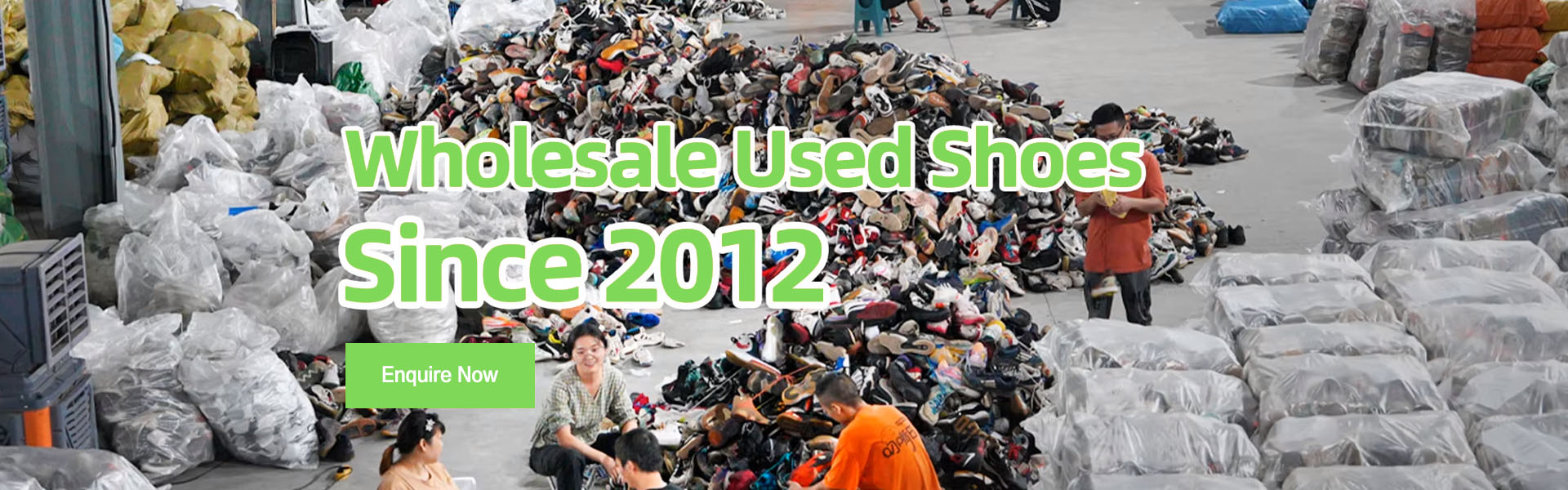
Tunisia Used Slippers market application reference
Treat Tunisia as the destination label for a controlled inquiry about lining, footbed presence, sole attachment, odor handling, and dry packing. The page is not a shipment report. Physical review covers upper, lining, footbed, sole attachment, and marked size; external approvals remain separate.
Build the first Tunisia question around used slippers forms, marked sizes, physical boundaries, allowed preparation, commercial basis, and packing protection. For the Tunisia file, Tunisia is a file boundary, not evidence of a universal slipper preference or handling result.
Do not merge an unanswered cell into the quoted quantity. For the Tunisia file, The phrase in the request explains the product route; it does not prove preference, price, or outcome.
Tunisia
Used Slippers
buyer-provided route
dated inquiry file
Use one code per complete pair and note upper, lining, footbed, sole attachment, and marked size. For the Tunisia file, Tunisia reviewers check component position before dry handling changes the note. For the Tunisia file, Write what is seen, what remains uncertain, and which route owns the next decision.
Tunisia's handling file should show who verifies any outside hygiene or destination requirement.
physical field
unresolved reason
next reviewer
limited wording only
For this Tunisia inquiry, use ready, preparation, qualified review, restricted wording, evidence hold, and decline routes. For the Tunisia file, For Tunisia, a slipper enters release only after component and dry-handling statuses close. For the Tunisia file, Count only complete pairs whose relevant fields are closed.
Tunisia needs a written handling tolerance before a slipper cell moves from review to release. For the Tunisia file, Log the downgrade owner for Tunisia, retain the first finding after approved work, and close the route with reinspection.
all buyer fields closed
bounded work
qualified decision
evidence or claim open
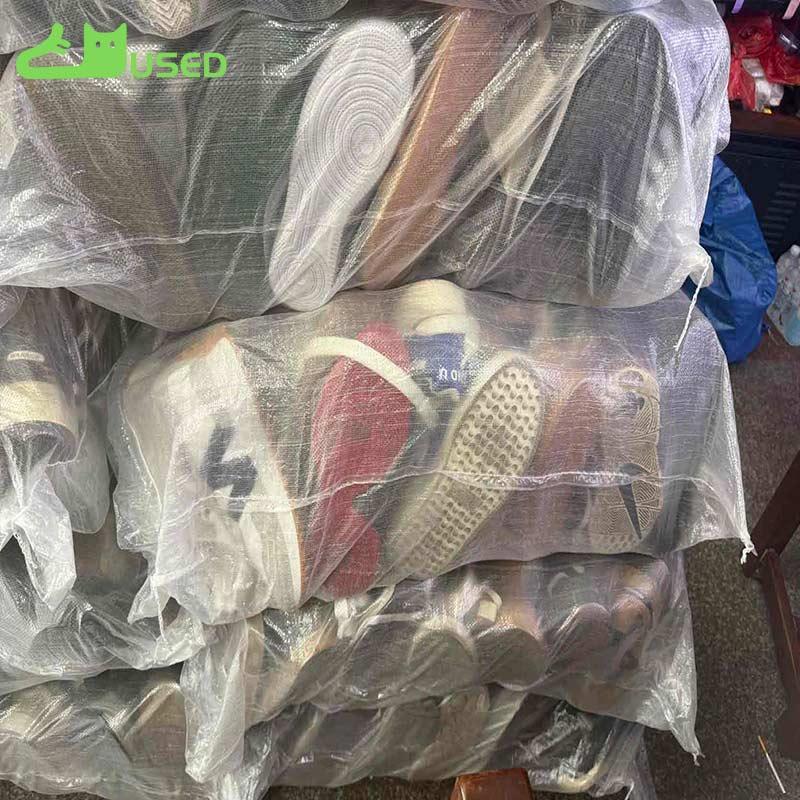
For Tunisia, the table keeps physical evidence, trade buyer decisions, and open external checks separate.
| Inquiry field | Current evidence | Open decision | Release record |
|---|---|---|---|
| Product scope | Used Slippers | Forms or substitutions | Buyer-approved matrix |
| Physical route | upper, lining, footbed, sole attachment, and marked size | Hold or review reason | Closed pair or unit code |
| Assortment | Size and family cells | Cell cap or shortage | Released count |
| Packing | Codes, labels and weight | Method change | Selected-layer check |
| Receiving | Repeat findings | Affected disposition | Source-to-arrival record |
The Tunisia table preserves dry-handling and component questions as open records when needed.
For Tunisia, build cells from slipper construction, lining, footbed, dryness, visible size, and handling route.
Review the slipper cells against the trade buyer's handling records; one inspection cannot prove a destination-wide preference.
form, size, and route
buyer-set cap
open substitution
dated local record
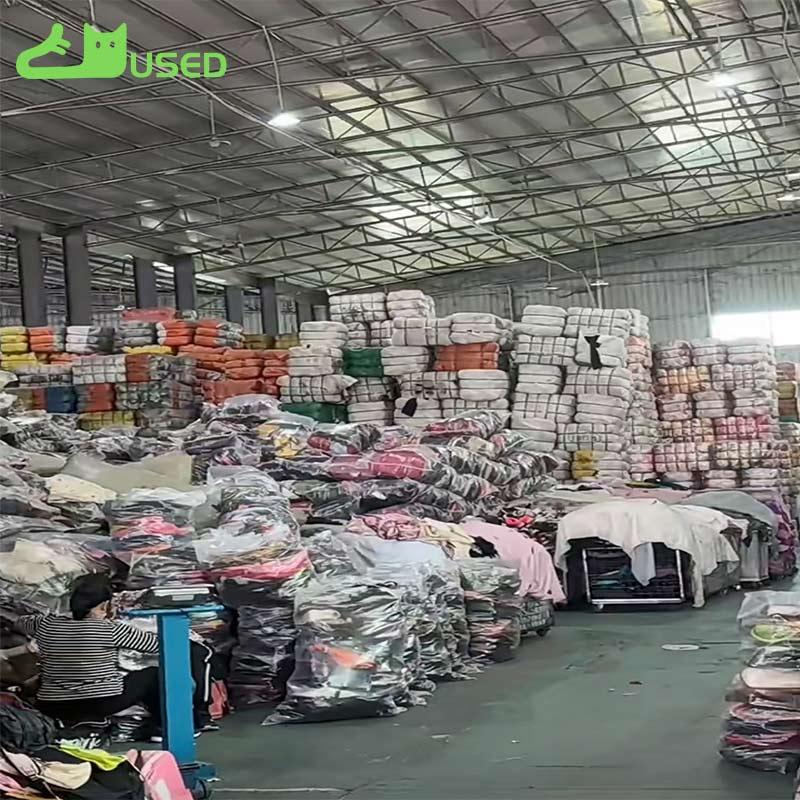
Tunisia units remain dry and paired, with lining, footbed, and attachment status written before the protective layer is closed.
The Tunisia note retains loose components and dry-handling exceptions by pair code.
source-to-carton trail
released units
version and weight
selected layer
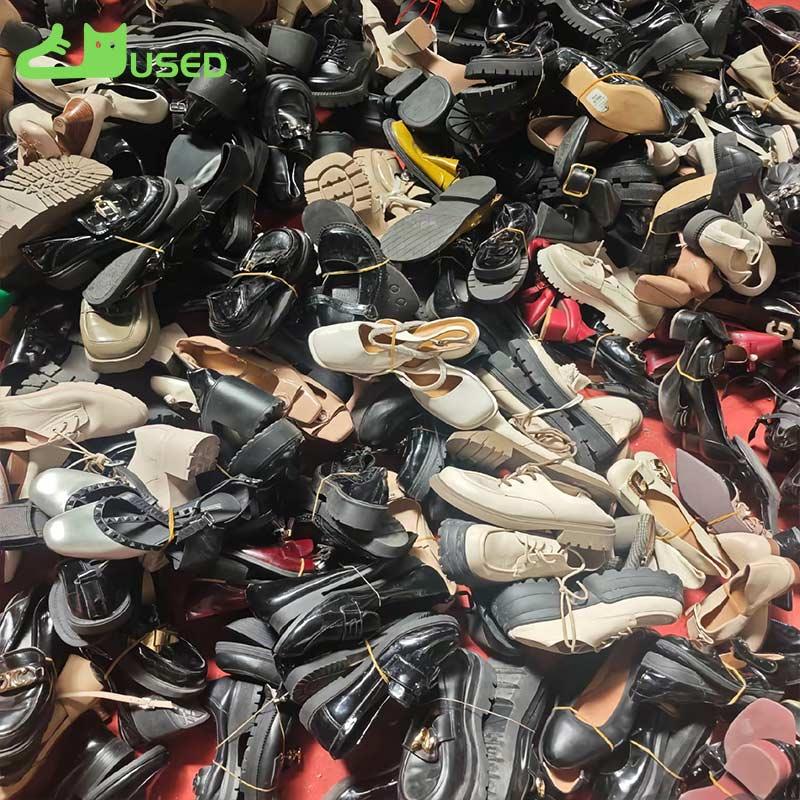
At Tunisia receiving, repeat lining, footbed, dryness, sole attachment, and component checks before release.
Tunisia's receiving note changes one dryness, component, or packing rule.
same evidence fields
affected codes
prepare reallocate or exclude
one next-version change
Before Tunisia approval, reconcile component states, dry handling, size cells, unsettled holds, packed codes, and destination review.
Tunisia's closeout connects lining, footbed, dry handling, and the destination receiving check.
current physical evidence
named open item
responsible decision
one controlled change
No. This Tunisia page is a Level B reference for lining, footbed presence, sole attachment, odor handling, and dry packing; it does not note a customer, shipment, or result.
No. Use the Tunisia trade buyer's lot specification, supplier counts, inspection evidence, and receiving records.
Only after the Tunisia physical, pair, size, wording, packing, and trade buyer-approved fields are closed.
Change one named Tunisia field from receiving variance, unsettled decisions, work records, or the trade buyer's dated outcome evidence.
Tunisia closes well when lining, footbed, dry handling, and size evidence share one release trail. The used slippers wholesale category keeps the slipper inquiry tied to component and dry-handling checks, not a broad destination claim.

Direct Factory Supplier of Used Shoes For African Markets In China
 Tel: +8618606960861
 Email: info@usedshoeswholesale.com
 MP/WhatsApp: +8618606960861
 Manufacturer Address:Cizao Town, Jinjiang City, Quanzhou City, Fujian Province