Market Application Reference | Dar es Salaam
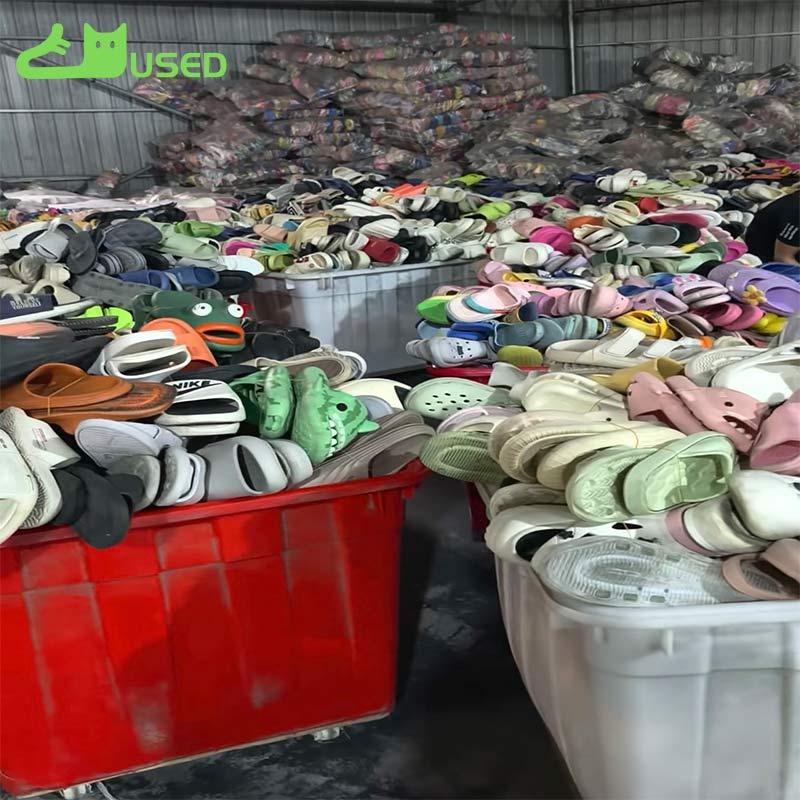
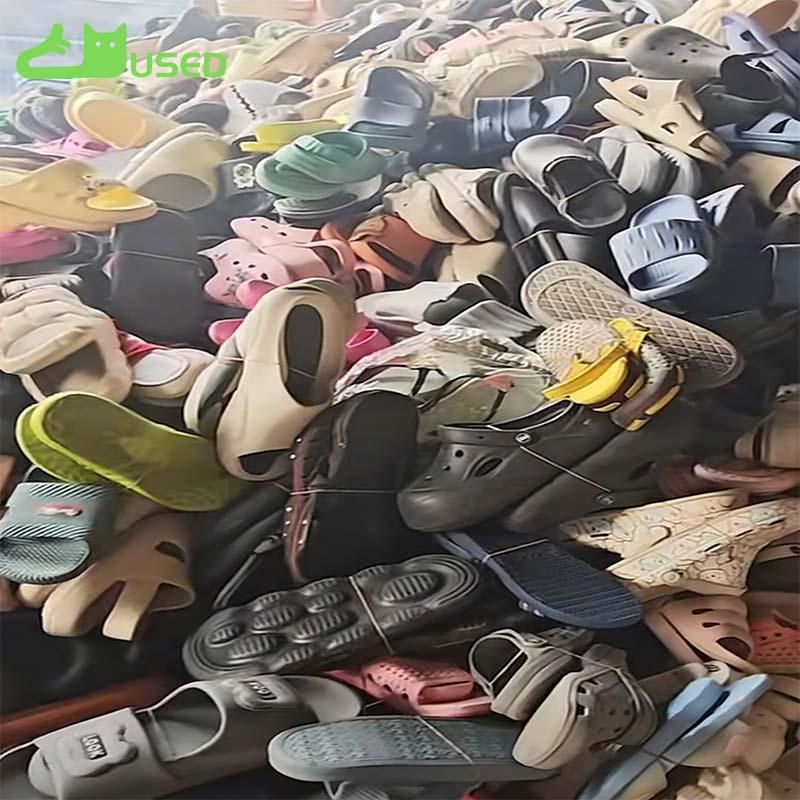
This Dar es Salaam page is a Market Application Reference, not evidence of a named wholesaler, completed export or sales result. It gives a slipper buyer a construction-led route for checking complete pairs, sole and upper attachment, footbed condition, material grouping, marked sizes, dry packing and landed accepted-pair cost for a current inquiry.
Separate slide, flip-flop, closed slipper and other approved forms where their failure routes differ. State permitted materials, size marks, cosmetic limits, odor policy, preparation tasks and exclusions. The buyer should identify its actual channel requirements without presenting them as a city-wide preference.
Request current-lot counts by released construction and visible size. A broad mixed slippers description cannot reveal whether one attachment method, material or narrow size band dominates the order.
band and sole route
post and plug route
upper seam and lining route
buyer-approved construction
Flex the sole under a written method and inspect active separation, cracked foam, excessive wear, unstable posts, split plugs, stretched bands and failed seams. Compare both mates. Use a hold when the result is uncertain rather than improving the grade by appearance.
Record observable reasons and sample ordinary packed candidates, not only strong display pairs. Material and age can change how a slipper responds, so the result belongs to the inspected pairs and method.
wear and cracking
bond, post or seam
support and edge condition
comparable function
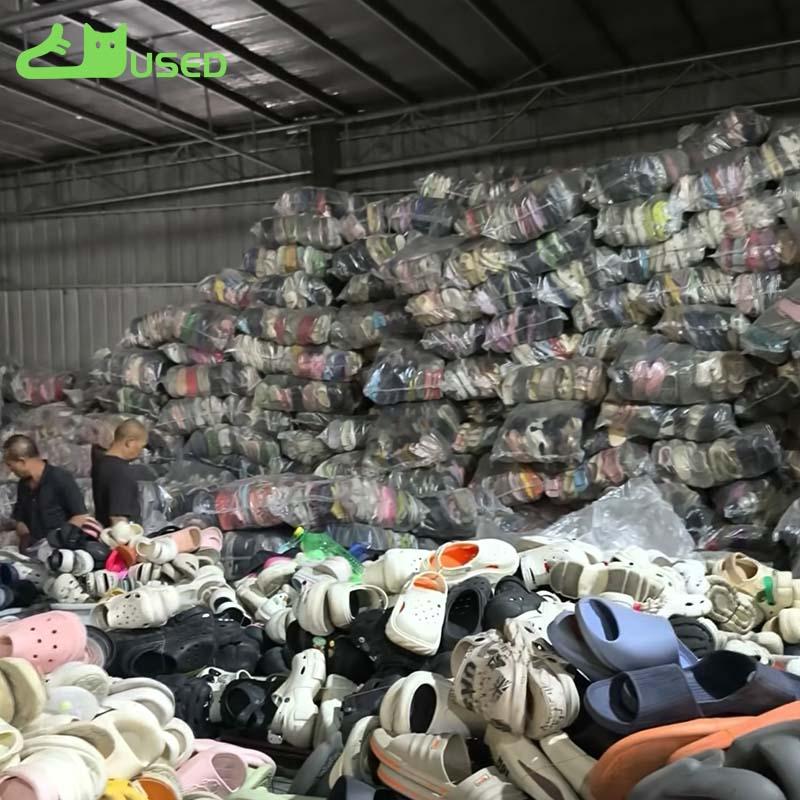
Inspect footbed surface, lining, contamination, persistent odor and areas that contact the foot. Define allowed cosmetic wear and the approved cleaning route. Exclude findings outside the hygiene policy even when the sole remains intact.
Record original condition, work performed, drying completion and final disposition. Preparation should not erase the reason that triggered it. Count task burden by construction so the buyer can judge operational fit.
visible wear boundary
lining or contact zone
hold or exclusion rule
complete before release
The route ties each slipper form to a reproducible decision rather than one shared visual grade.
| Construction | Critical check | Release record |
|---|---|---|
| Slide | Band, edge and sole bond | Pass or attachment hold |
| Flip-flop | Post, plug and sole | Pass or structural hold |
| Closed slipper | Upper seam, lining and outsole | Pass, prepare or exclude |
| All forms | Pair, mark, footbed and dryness | Released form-size cell |
Current-lot counts remain separate from assumptions about the destination market.
Read both mate labels where available and keep conflicts or missing marks outside the final curve. Cross-tab released construction and marked size. Avoid unsupported conversion or claims about the ideal Dar es Salaam size mix.
State concentration tolerance and substitution approval before packing. If a lane cannot be supplied, show the gap. The buyer can revise the matrix, reduce quantity or maintain the requirement.
released construction
visible size system
unfilled buyer cell
recorded substitution
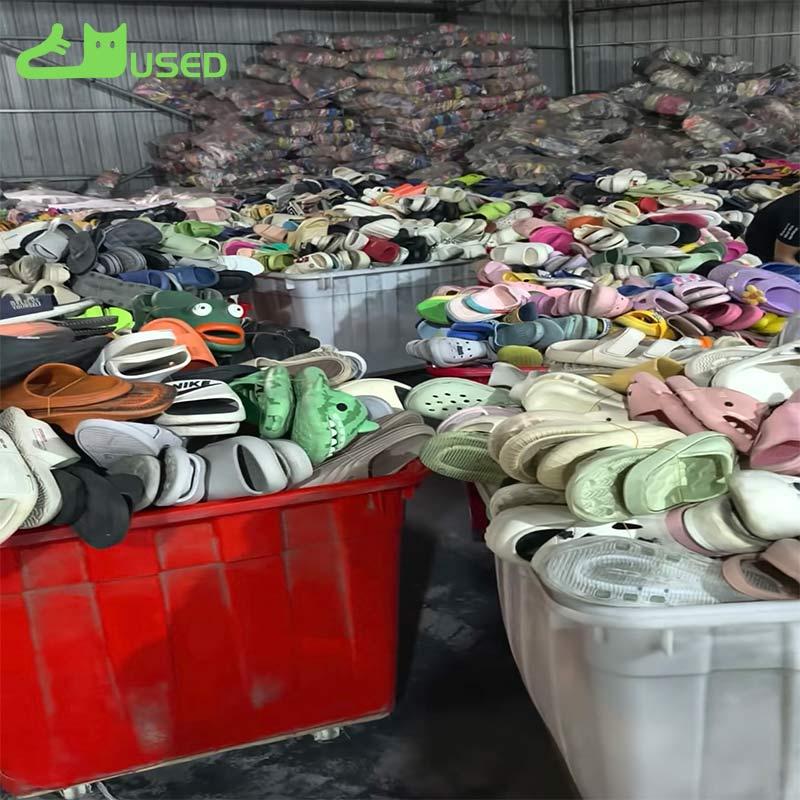
Keep mates together, avoid folding bands or forcing posts under pressure, and separate dirty outsoles from footbeds. Confirm dryness before closure. Label accepted-pair basis, form-size reference, gross weight, unit code and closure date.
Reopen selected units before loading and check odor, shape, pair count and label. State route or storage assumptions only when documented for the shipment; do not infer them from the destination name.
no harmful folding
footbeds protected
checked at closure
links to released matrix
Separate product price, freight allocation, import, receiving, preparation and exclusion handling. Use actual documents or clearly labeled estimates and date the currency basis. Keep kilograms, bales and accepted pairs as different denominators. For every input, retain its owner, source document, date and confidence status. Replace an estimate when the actual invoice or receiving task count becomes available instead of overwriting the earlier planning version. Keep the variance visible for the next quotation review.
Run a weaker-yield scenario when bond or hygiene holds are uncertain. This helps a buyer choose a trial size or tighten evidence; it does not forecast city-wide resale profit.
quoted commercial basis
documented or labeled estimate
local task count
accepted or ready pair
No. It is a Market Application Reference for slipper procurement.
Use a written route appropriate to bands, posts, seams and material construction.
After pair, structural, hygiene and mark checks are complete.
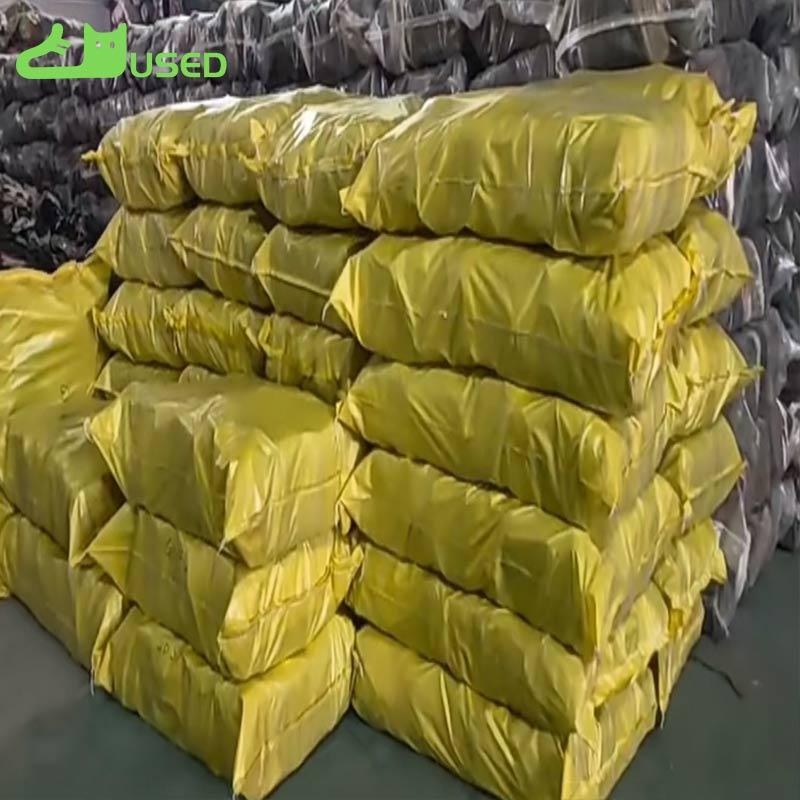
Keep the quoted unit visible and calculate operational cost on accepted or sale-ready pairs.
A slipper reference becomes useful when construction, contact surface, size and packing decisions stay visible. The used slippers wholesale category provides product scope; inspected pair evidence and receiving economics control the current order.

Direct Factory Supplier of Used Shoes For African Markets In China
 Tel: +8618606960861
 Email: info@usedshoeswholesale.com
 MP/WhatsApp: +8618606960861
 Manufacturer Address:Cizao Town, Jinjiang City, Quanzhou City, Fujian Province