Market Application Reference | Mexico
This Mexico reference shows how a buyer could allocate used women's shoes across declared resale channels. It does not report an actual customer, shipment, demand level or fast-selling result. The working evidence is a form-size-condition matrix built from released pairs and checked again at receiving.
Define the buyer's own channel lanes, such as core general inventory, curated fashion, specialist sizes or discount reprice. Avoid presenting these as universal Mexican market segments. Each lane needs condition, form, marked-size and preparation limits.
State which lane can accept cosmetic wear, unusual styles or additional work. Keep holds outside the allocation until the relevant decision is approved.
routine released stock
narrow style or presentation
defined size or form
usable lower lane
Count accepted sneakers, flats, sandals, heels, boots and other allowed forms. Record closure, heel or strap structure and visible upper zones where they affect inspection or packing. Do not use color variety as a substitute for construction counts.
Apply form-specific condition rules. A stable heel, secure sandal anchor and bonded sneaker sole are different decisions even when every pair shares one grade label.
flex and bond route
topline and sole route
strap and anchor route
support and closure route
The matrix separates evidence-based inventory cells from channel assumptions.
| Matrix axis | Supplier record | Buyer decision |
|---|---|---|
| Form | Accepted construction counts | Channel allocation |
| Marked size | Released pair curve | Priority and gaps |
| Condition | Pass, prepare and reprice | Presentation lane |
| Variance | Substitution or damage | Approve, hold or revise |
A complete matrix is specific to this buyer and lot; it is not a general statement about Mexico.
Read both mate labels and quarantine conflicts. Count the released size curve within each form. Avoid unsupported conversion when only one sizing system is visible.
Highlight concentrations and missing cells. The buyer can approve a substitution, reduce quantity or preserve the original requirement; the supplier should not silently fill a gap with another lane.
mates agree
size hold
not counted in curve
form-size cell released
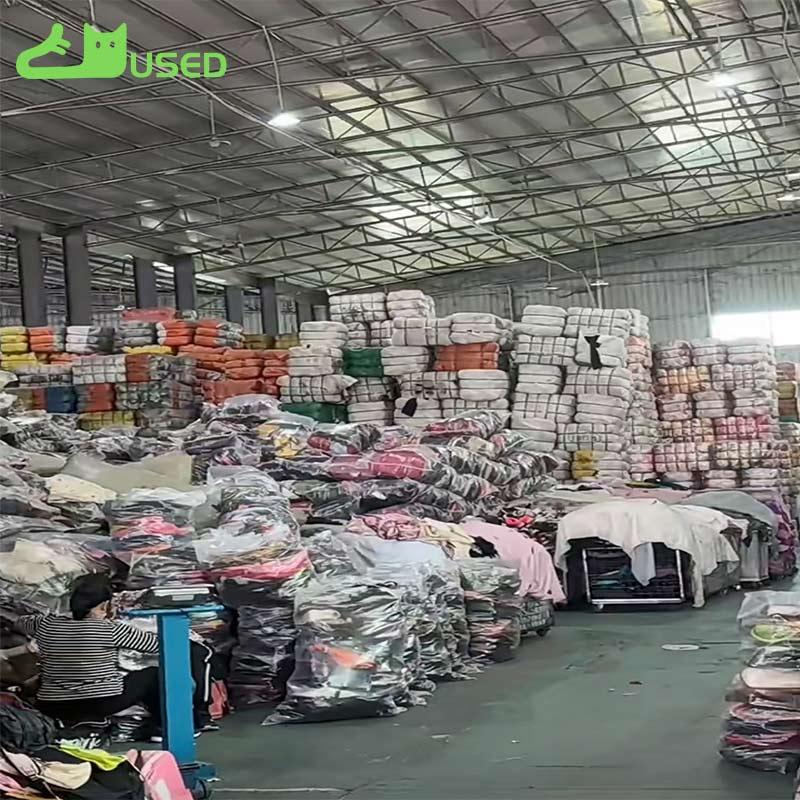
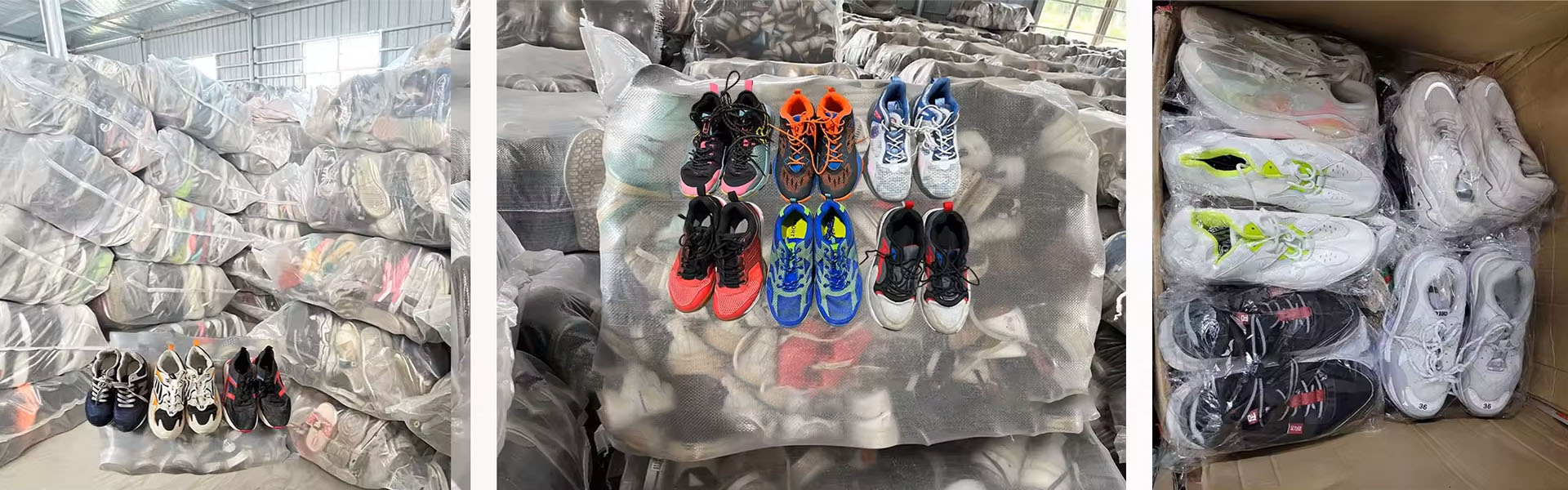
Request full-pair, label, construction and condition views tied to codes. Images should show examples from ordinary units and include borderline outcomes. They are questions and records, not proof of fixed whole-lot shares.
Keep any identity claim review separate from physical grade. Remove unresolved pairs before producing the branded or released assortment matrix.
form and mate view
marked size evidence
wear-zone reason
release or hold
Keep mates together and protect heels, straps and uppers from damaging pressure. State accepted count basis, form-size lanes, gross weight, unit code and closure date. Held stock remains outside the unit total.
Reopen selected units and compare count, shape and allocation with the approved matrix. Record substitutions and repacks as revisions before loading.
stable code
form and size reference
released pairs
construction-appropriate pack
Open coded units and count form, marked size, condition and claim state. Compare receiving cells with the supplier matrix. Put unapproved substitutions, damage and label conflicts in separate variance lanes.
Use the result to revise the next order brief, preserving both versions. Do not turn one receiving result into a claim about nationwide preference or guaranteed sales speed.
cell within tolerance
buyer approval required
transit or source review
next-matrix revision

Calculate product, freight allocation, import, receiving and preparation inputs on the accepted-pair denominator. If channel allocations use different presentation work, count that work by lane. Avoid assigning unsupported local selling prices or margins. Record who supplied each cost input, its date and whether it is an invoice value or planning estimate, so a later review can replace one assumption without rewriting the physical assortment evidence.
Run a cautious scenario when the received matrix contains more specialist or reprice inventory than planned. Label assumptions and preserve the base result. The scenario helps the buyer revise quantity or tolerance; it does not predict Mexico-wide sales.
released-pair denominator
task cost by lane
actual documents or labeled estimate
buyer planning only
No. It is a Market Application Reference using a buyer-defined channel matrix.
Use shared boundaries plus form-specific function checks.
After mate, condition and any claim holds are removed.
Return revised cell counts and obtain buyer approval before packing.
A Mexico allocation reference is useful when form, size, condition and channel decisions remain visible and buyer-specific. The used women's shoes wholesale category defines the product family; the approved matrix and receiving variance decide the current lot.

Direct Factory Supplier of Used Shoes For African Markets In China
 Tel: +8618606960861
 Email: info@usedshoeswholesale.com
 MP/WhatsApp: +8618606960861
 Manufacturer Address:Cizao Town, Jinjiang City, Quanzhou City, Fujian Province