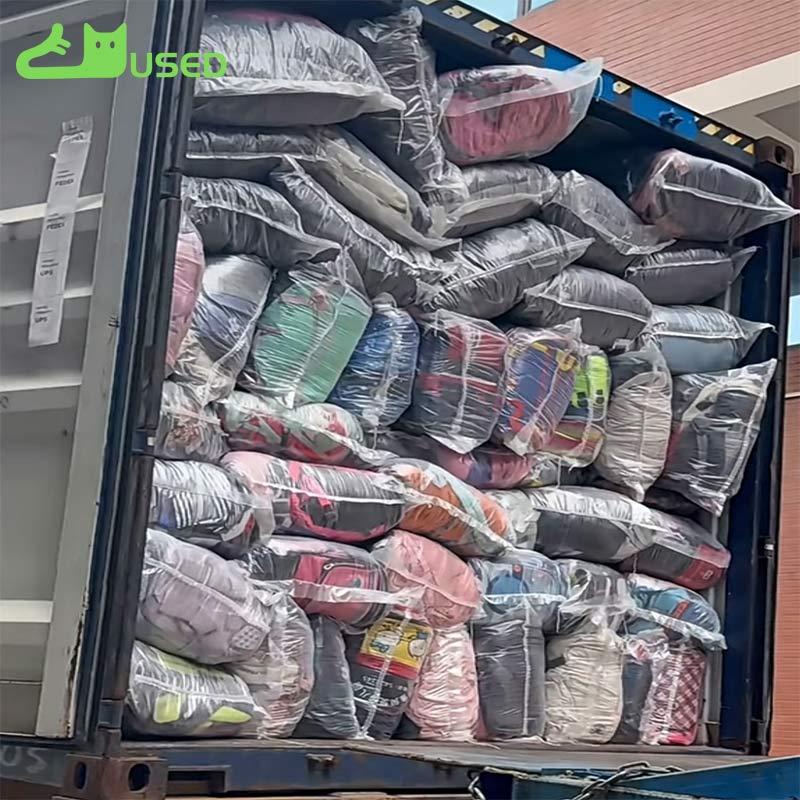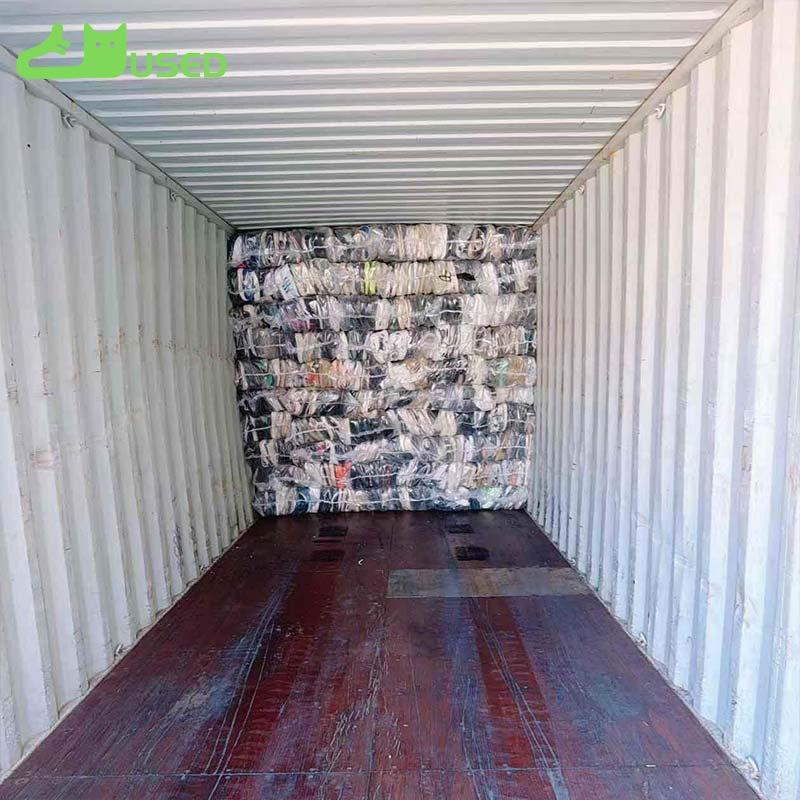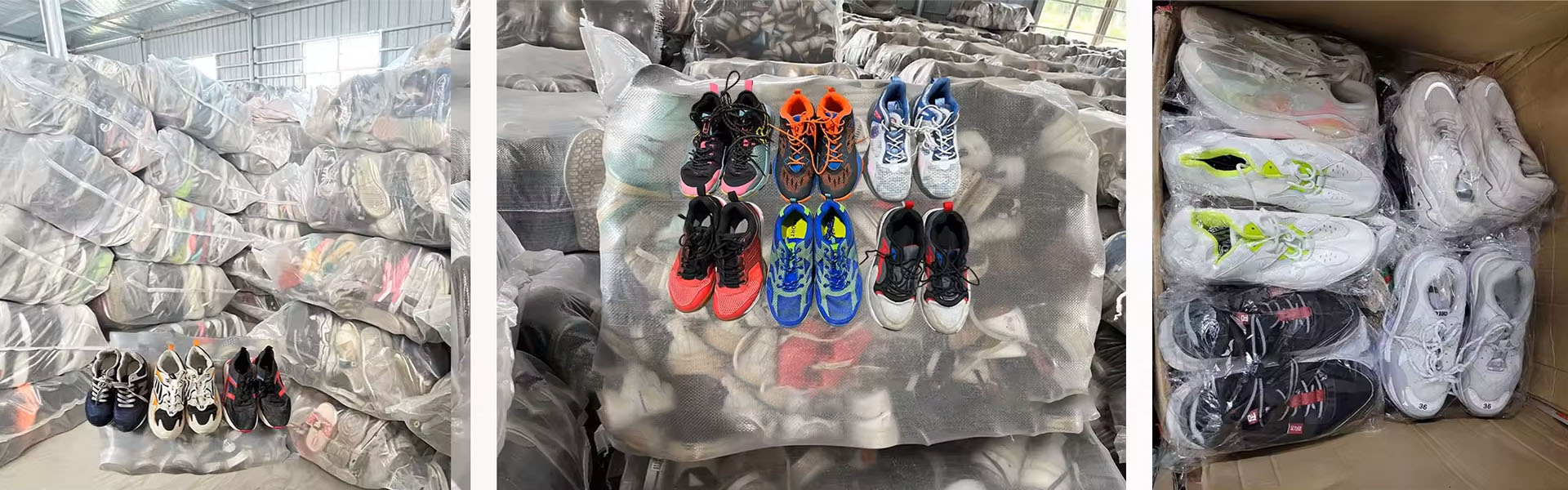
Market Application Reference | Nigeria
This Nigeria reference is a bulk-order control model, not proof of an actual customer, stable container delivery or wholesale success. It asks how used women's shoe pair yield, condition, category-size composition, preparation and packing vary across coded units before a buyer accepts an average.
Choose bale, sack or carton codes across different positions and record the selection rule. Include ordinary units rather than only display stock. State the inspected denominator and avoid extending results beyond the method.
A single strong unit cannot support stable quality or mix. Compare the range and investigate concentration before combining figures into an average.
stable unit identity
loading or storage reference
pairs inspected
trigger for more units
Record gross items, matched pairs, label conflicts, physical passes, claim releases, preparation holds and final accepted pairs. Keep kilograms, pieces and pairs as separate units.
Investigate missing or duplicated counts before calculating a combined yield. Show the strongest and weakest unit so an average cannot hide pairing loss or concentrated holds.
starting contents
complete pairs
condition and claim passed
unresolved or excluded
Inspect sole attachment, outsole wear, uppers, closures, heels, straps, interiors and odor according to form. Count cosmetic passes, cleaning holds, minor work, structural holds and rejects for each unit.
A unit may meet overall pair yield while creating excessive preparation. Keep work burden visible beside the grade result and price it under the buyer's local process.
within allowed presentation
routine task pending
repair or exclusion
outside accepted inventory
The board keeps range, cause and action visible before a combined result is accepted.
| Measure | Compare by unit | Escalation |
|---|---|---|
| Pair yield | Matched and accepted counts | Investigate low unit |
| Condition | Pass and hold reasons | Expand around cluster |
| Assortment | Form-size cells | Review substitution |
| Packing | Dryness, shape and labels | Hold changed unit |
A bulk average is accepted only after the unit range and unresolved exceptions are documented.
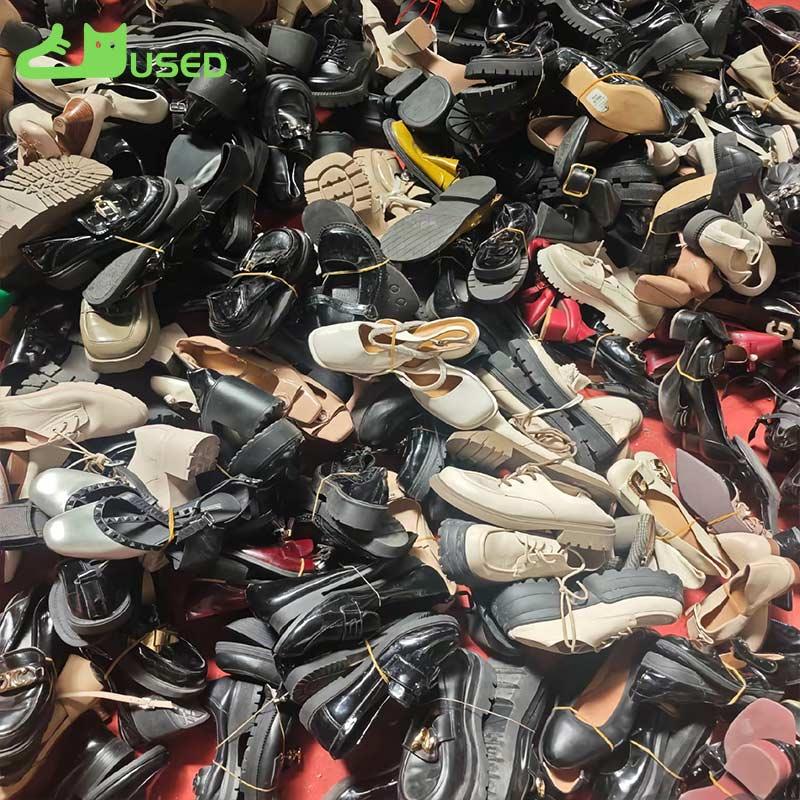
Cross-tab released sneakers, flats, sandals, heels, boots and other approved forms by marked size. Report unit-level concentration and missing lanes. Do not assume every bale carries the same composition.
State permitted variance and substitution rules before packing. Avoid unsupported claims about Nigerian demand; use the specific buyer's matrix and current-lot evidence.
construction counts
readable pair marks
unit-level share
documented approval
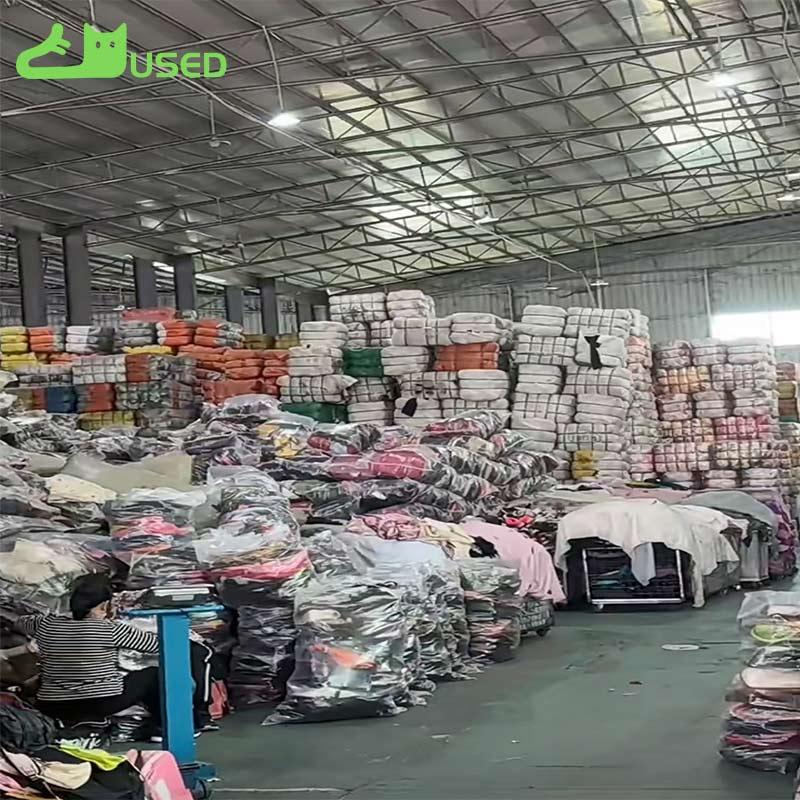
Pack dry released pairs with mates together and protection suited to the forms. Label unit code, accepted basis, gross weight, mix reference and closure date. Record any reopened or repacked unit.
Use a reference reopening to compare count, shape, odor and label. The result belongs to the tested units and cannot guarantee every uninspected bale.
pre-closure check
shape protection
count and mix reference
dated reason and revision
At receiving, open agreed units and reproduce yield, condition, preparation and assortment tables. Compare the range before calculating an average. Quarantine codes that exceed the written rule.
Assign every variance an owner, evidence record and inventory disposition. Preserve supplier and receiver figures. Only released units should merge into normal stock; a commercial remedy discussion does not itself change physical or claim status.
release under agreed rule
hold and expand
accept, prepare, reallocate or exclude
source and receiver versions

State the sample rule, allowed unit range, automatic hold conditions, expansion trigger, evidence retention and remedy discussion before price approval. Keep actual current-lot findings separate from stress scenarios. A tolerance without a denominator or measurement method cannot be reproduced. Name the record used to close an exception and the person authorized to approve it; an informal message should not silently convert a held unit into accepted inventory. Include the affected unit codes in that closure record so later receiving checks can trace the decision.
When a revision is approved, identify whether it changes condition, assortment, packing, quantity or commercial treatment. Preserve the earlier version so receiving can determine which rule governed each coded unit.
defined denominator and field
written permitted variance
expand or quarantine action
scope, owner and date
No. It is a Market Application Reference for bulk variance control.
One unit cannot show the range of pair yield, grade, mix or packing.
No. Count current units and define permitted variance.
After expanded evidence and an approved physical, claim and inventory disposition.
Bulk control depends on visible unit ranges rather than a polished average or unsupported delivery claim. The used women's shoes wholesale category sets product scope; coded-unit yield, condition, mix and receiving records determine release.

Direct Factory Supplier of Used Shoes For African Markets In China
 Tel: +8618606960861
 Email: info@usedshoeswholesale.com
 MP/WhatsApp: +8618606960861
 Manufacturer Address:Cizao Town, Jinjiang City, Quanzhou City, Fujian Province