Market Application Reference
Importers planning used children's shoes for Nigeria should connect assortment decisions to inspection and receiving records. This youth sport inspection guide keeps verified product observations separate from assumptions that still require buyer confirmation.
Define youth sport inspection from local reseller records, a controlled sample, and a written tolerance before scaling. For a Nigeria order, the buyer should name the receiving city, sales channels, target customer groups, preferred packing unit, and acceptable repair exposure. These inputs determine which pairs can move into ordinary resale, specialist resale, repair, or hold lanes.
A Nigeria supplier quotation for used children's shoes should answer the youth sport inspection brief with measurable fields. Useful Nigeria fields include category count, size curve, grade boundary, pair-matching rule, visible defect tolerance, bale or carton weight, sample reference, and loading evidence. Local demand should come from the buyer's own records; this page states no national sales volume or universal preference.
For Nigeria used children's shoes, the buyer should separate school, sport, sandal, toddler, and everyday pairs while keeping age and size bands visible. The written mix needs tolerances because a headline such as mixed, Grade A, or export quality does not define how many sellable pairs will appear in each category and size band.
The first order can be treated as a controlled learning batch. Nigeria receiving staff can record sellable pairs, repair pairs, rejects, category counts, and residual sizes. Those observations should shape the next specification; they should not be converted into unsupported promises about margin or sell-through.
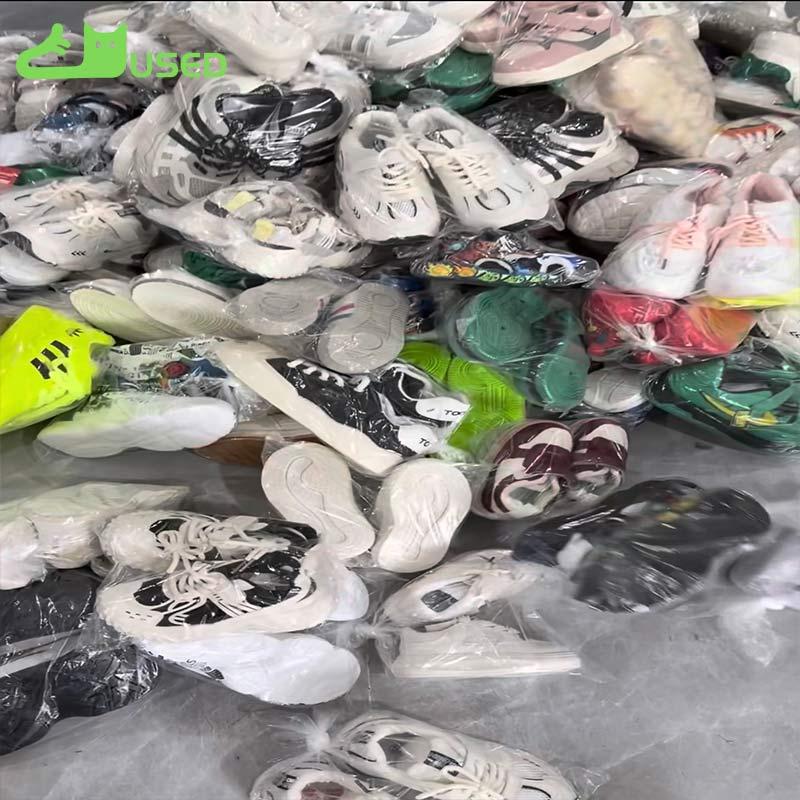
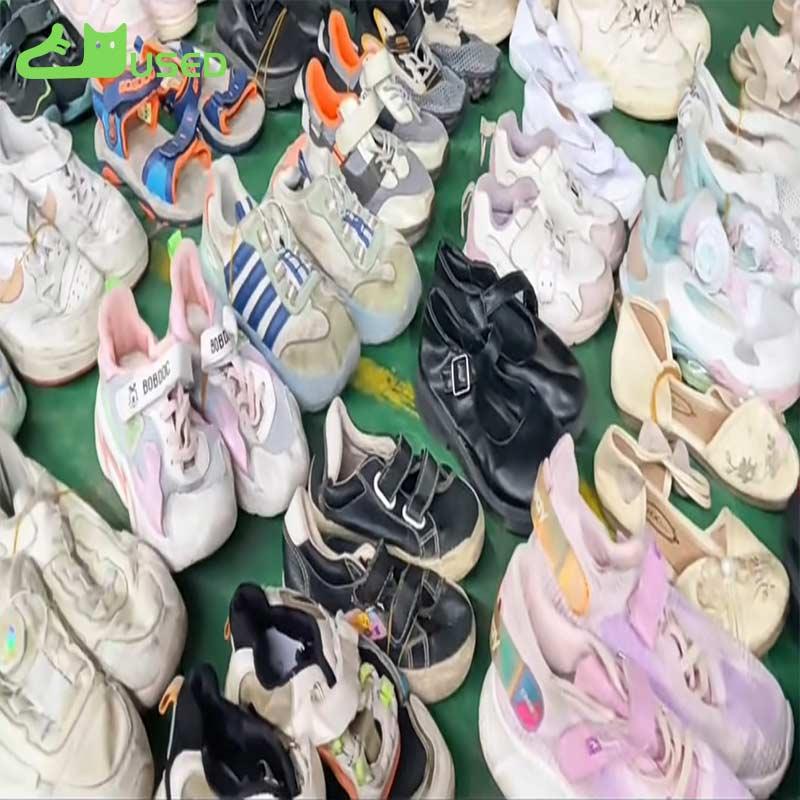
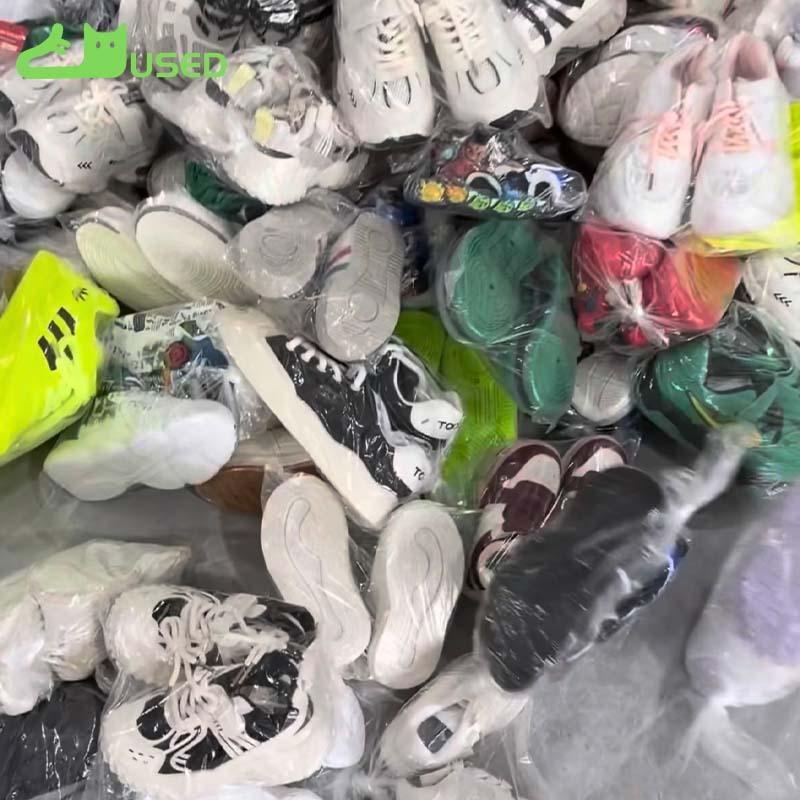
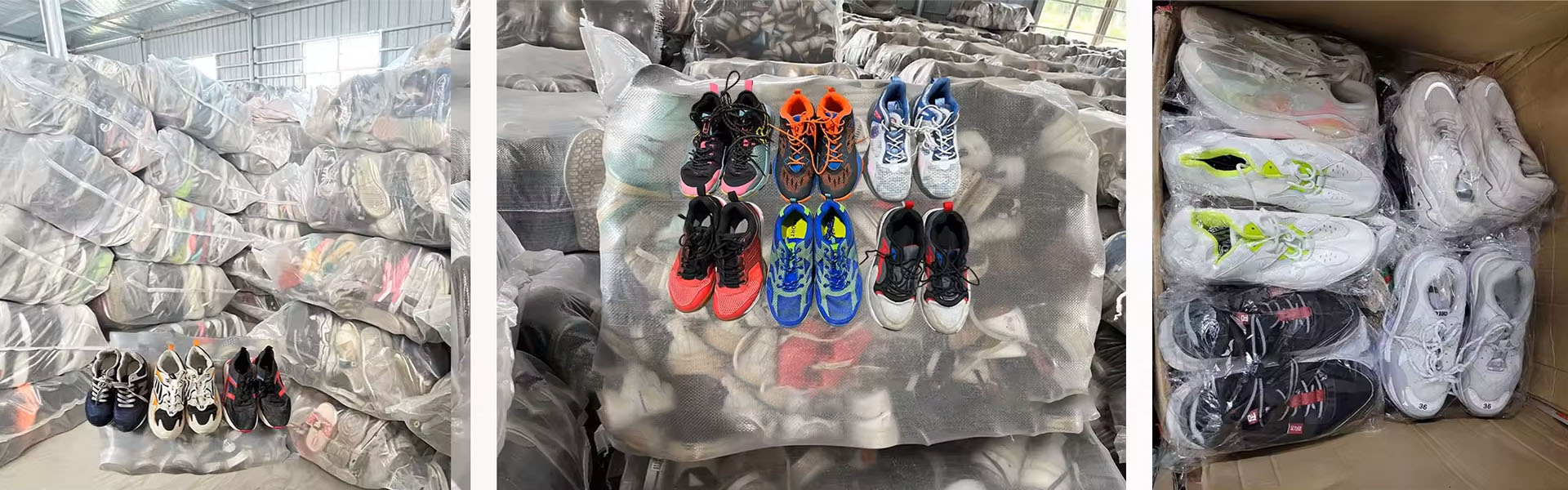
For Nigeria youth sport inspection, image review should focus on observable used children's shoes construction and condition. The Nigeria buyer can request closer views of soles, uppers, insoles, fastening, labels, pair matching, and packing. Final evidence should identify the approved used children's shoes lot or sample instead of reusing general catalogue photographs.
| Checkpoint | Hold or reject when | Evidence to record |
|---|---|---|
| Toe and heel structure | collapsed counters, sharp exposure, or severe deformation | safety hold reason |
| Fastening | failed hook-and-loop, broken buckles, or missing laces | repairable versus reject |
| Outsole | smooth tread, separation, hardening, or imbalance | wear lane |
| Pair match | size, style, color, or wear mismatch | matched-pair count |
| Age-size curve | unapproved gaps or concentration | count by agreed band |
The Nigeria buyer should agree sampling depth and escalation rules before loading. If the sample shows a repeated structural defect or a category-ratio drift, inspection should expand and affected stock should remain separated until both parties document a disposition.
The nigeria importer should connect supplier packing to port or border handover, inland transport, storage, and the planned receiving team. For used children's shoes, the packing instruction should also label age and size bands clearly so small pairs are not buried under heavier youth footwear. Bale numbers, gross and net weight, category code, grade, and sample reference let the receiving team reconcile the shipment without opening every unit at once.
Before payment, the importer should confirm the commercial invoice, packing list, transport document, origin information when required, and any destination-specific inspection or import documents with the broker or competent authority. Requirements can change, so a generic website list should never replace current Nigeria advice.
The Nigeria commercial comparison for used children's shoes should start with purchase, inland handling, freight, insurance, clearance, applicable taxes or duties, storage, bale opening, sorting, cleaning, repair, and claim exposure. For youth sport inspection, divide that controlled total by sellable pairs under the agreed inspection rule, not by the nominal pairs loaded.
No. This is a Market Application Reference for Nigeria. It uses supplier-owned product material and buyer-control methods; it does not claim a named customer, contract, delivery, or resale result.
The Nigeria buyer should derive the youth sport inspection mix from actual resale channels and then separate school, sport, sandal, toddler, and everyday pairs while keeping age and size bands visible. A Nigeria trial sample and written tolerance are more reliable than a generic country ratio.
For Nigeria youth sport inspection, compare the same grade definition, used children's shoes mix, packing unit, inspection evidence, payment boundary, and destination cost assumptions. A lower bale price is not automatically a lower cost per sellable pair in Nigeria.
The Nigeria receiver should isolate affected bales, preserve labels and opening records, count the variance, and follow the written claim procedure before disputed stock is mixed into sale inventory.
A defensible Nigeria used children's shoes purchase links the destination brief, product mix, inspection evidence, packing records, and landed-cost model. The buyer should keep assumptions visible, confirm destination requirements, and use receiving data to revise future orders instead of treating a country name as proof of demand.

Direct Factory Supplier of Used Shoes For African Markets In China
 Tel: +8618606960861
 Email: info@usedshoeswholesale.com
 MP/WhatsApp: +8618606960861
 Manufacturer Address:Cizao Town, Jinjiang City, Quanzhou City, Fujian Province