Market Application Reference | Morocco
This Casablanca reference explains how a buyer could specify and receive used men's shoes. It is not proof of a customer, completed shipment, sale result or Moroccan market preference. The useful output is a controlled route from current-lot inspection and packing evidence to an independent arrival check.
Name the receiving point, commercial unit, accepted men's shoe forms, marked-size priorities, grade boundary, preparation allowance and preferred packing method. These are buyer instructions, not claims about all Moroccan demand.
Record the current lot code and quotation version. If the supplier substitutes inventory, require revised counts and approval before packing. The receiving brief should remain unchanged unless both parties record a new version.
approved men's footwear forms
pair, kilogram, bale or carton basis
written grade and mix variance
person approving changes
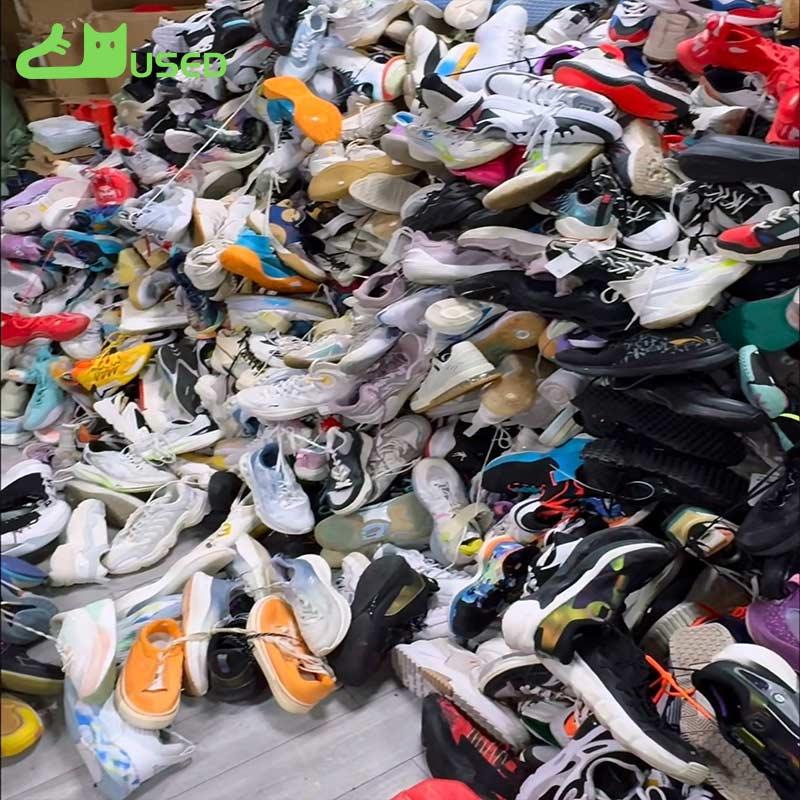
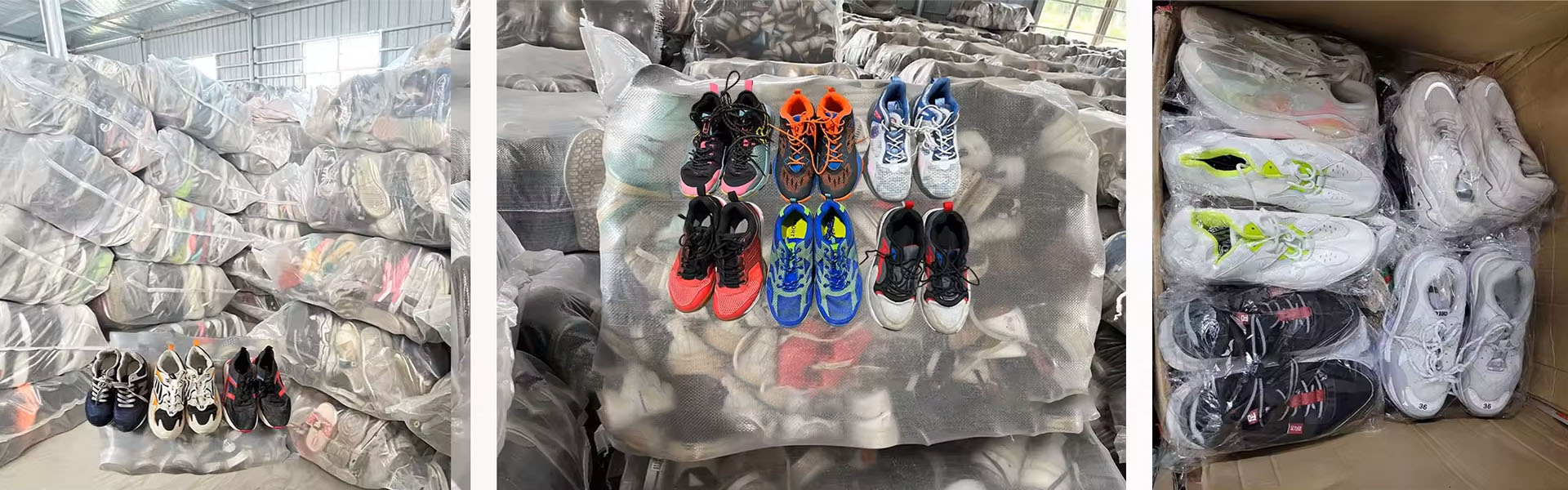
Match mates and readable size labels, then inspect sole attachment, outsole loss, upper joins, heel support, closures, interior and odor. Boots, formal shoes, sandals and sneakers require different critical-component routes.
Keep passes, preparation holds, structural holds and rejects separate. Photograph representative outcomes from more than one coded unit. Do not convert attractive sample images into a claim about every packed pair.
within written boundary
approved routine work
decision unresolved
outside accepted count
The ledger separates document, physical, mix and commercial decisions.
| Gate | Source evidence | Receiving output |
|---|---|---|
| Documents | Order, invoice and packing list | Unit reconciliation |
| Pairs | Codes, size and condition | Release or hold |
| Assortment | Approved form-size matrix | Variance record |
| Close | Evidence and agreement | Inventory disposition |
A completed ledger supports traceability but does not prove a shipment history beyond the recorded case file.
Count accepted sneakers, formal shoes, loafers, boots, sandals or other approved forms by marked pair size. Hold conflicts and unknown labels outside the curve. State any allowed concentration or substitution rule.
Use the current matrix as the packing reference. Avoid unsupported statements about which styles Moroccan buyers prefer; the relevant evidence is the purchaser's declared allocation and the inspected lot.
accepted construction lanes
marked sizes or bands
released pair counts
buyer-approved limit

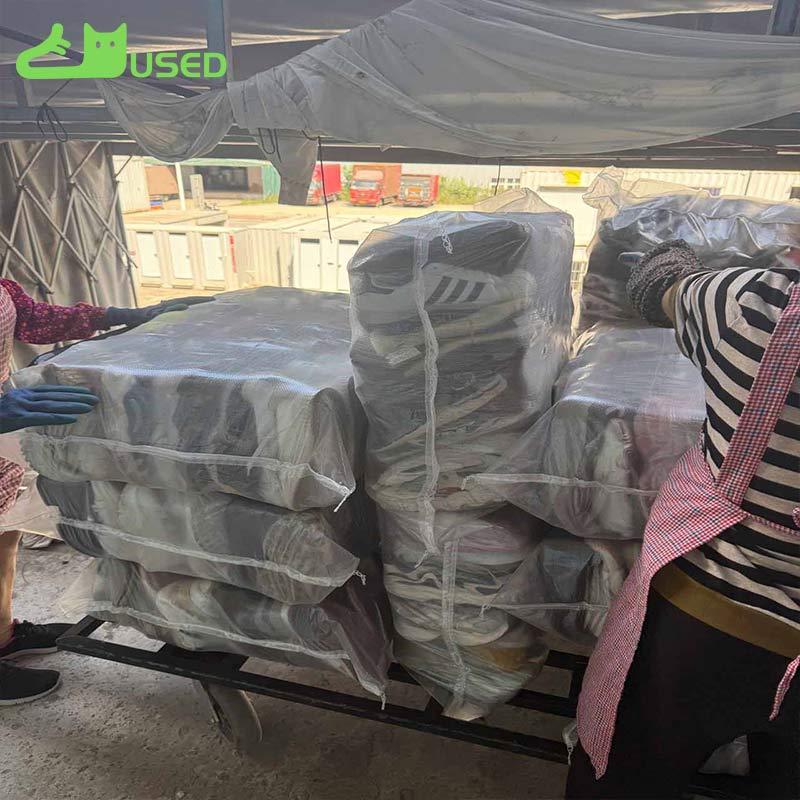
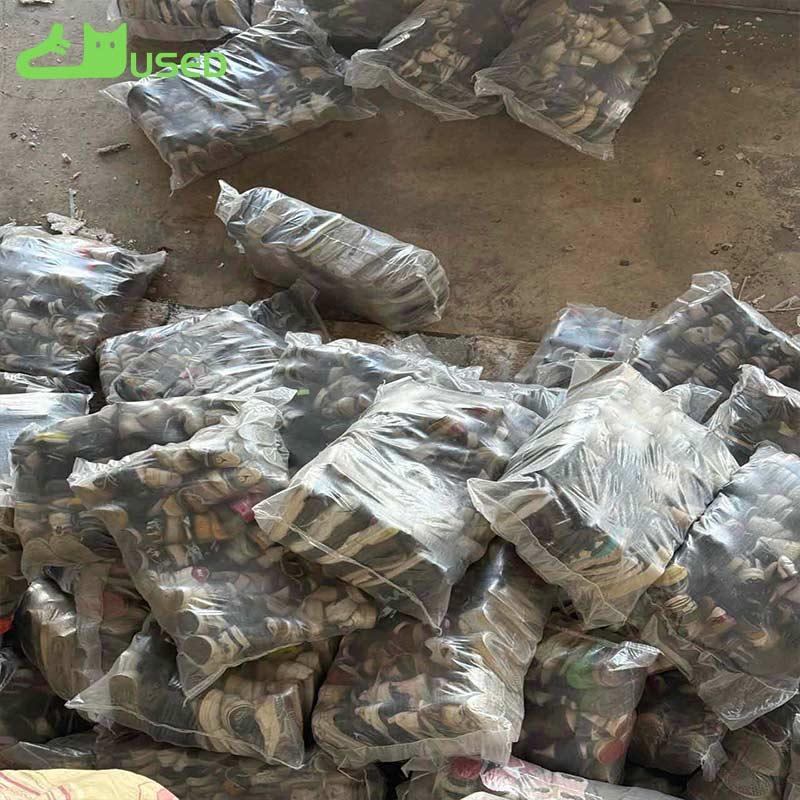
Keep mates together, use dry packing and protect shape according to the construction. Label every unit with code, accepted count basis, gross weight, mix reference and closure date. Held pairs stay outside the released total.
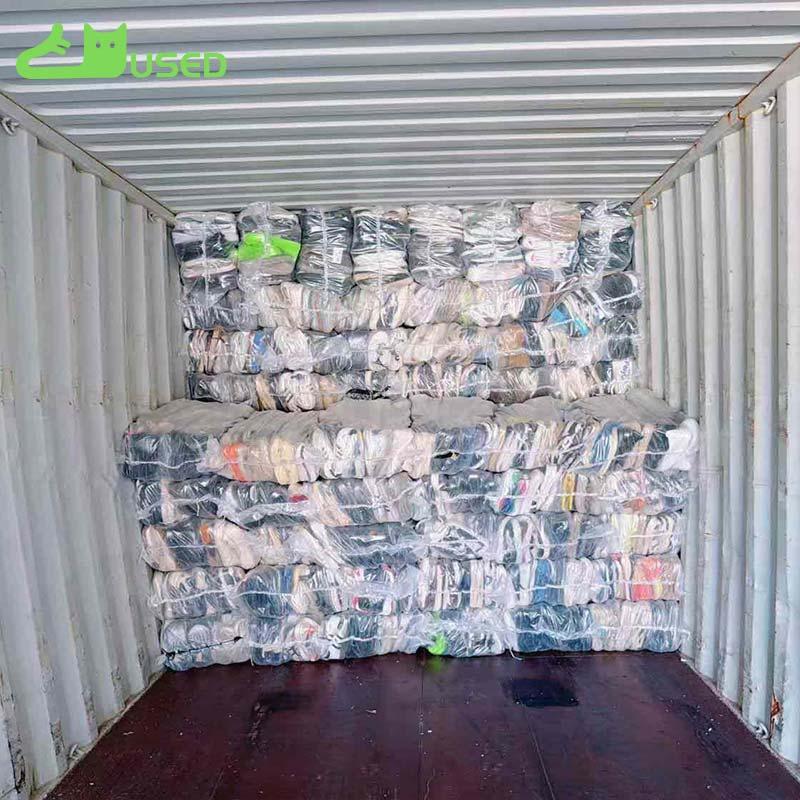
Reopen one reference unit before loading and verify count, dryness, shape and label. Preserve photographs and any corrected record. An unrecorded repack breaks the route between source inspection and Casablanca receiving.
stable unit identity
accepted pair basis
form-appropriate method
pre-loading check
Select coded units, photograph outer condition and count contents before general handling. Repeat mate, marked-size, condition and assortment checks. Preserve supplier and receiver results side by side.
Put wet, deformed, mismatched, damaged or unexpected pairs in distinct variance lanes. If one unit exceeds the agreed range, expand inspection under the written rule rather than assuming the problem or pass applies to the whole load.
invoice and packing list
unit and pair condition
form-size comparison
evidence and disposition
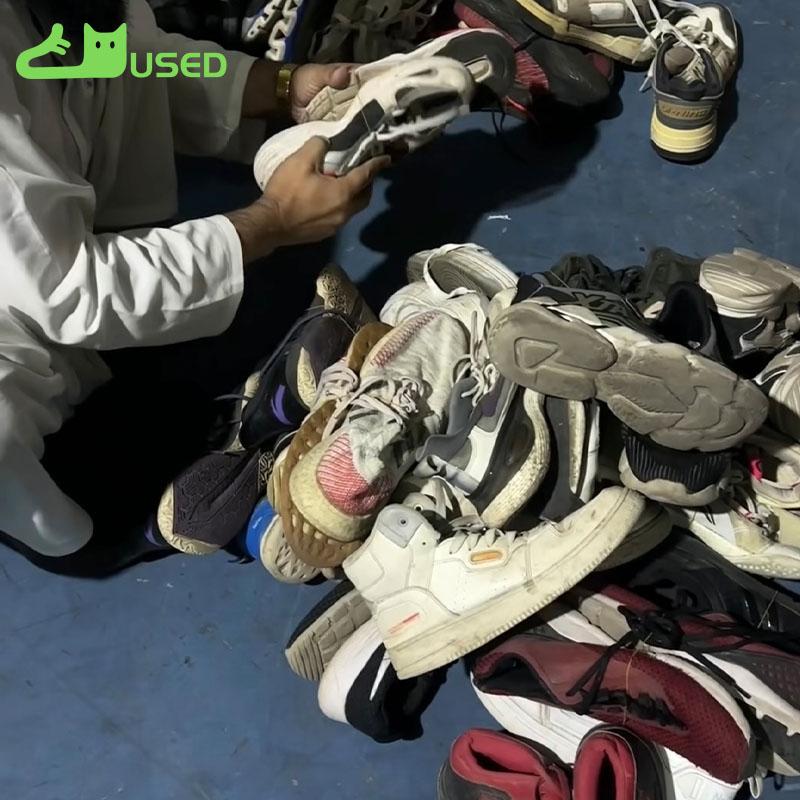
For every difference, record who reviewed it, the evidence used and the inventory effect. Possible outcomes can include acceptance, preparation, reallocation, exclusion or a commercial remedy discussion subject to the actual agreement.
Do not let a credit discussion release held stock automatically, and do not let physical acceptance settle an identity claim. Close stock, claim and commercial lanes separately before merging inventory.
release or hold status
permitted wording
agreed follow-up
date and responsible reviewer
Compare the source matrix with accepted receiving counts by men's shoe form, marked size, condition reason and preparation task. Keep unexpected concentrations visible instead of averaging them into one satisfaction statement. Record which difference came from packing, transit, source inspection or an unresolved cause.
Use that record to keep, tighten or broaden a field for the next trial. Preserve the previous brief and state the trade-off created by the revision. This is an internal control step, not evidence that one assortment will perform across Morocco.
result within approved range
variance created avoidable work
controlled substitution accepted
cause or outcome still uncertain
No. It is a Market Application Reference for planning and verification.
Use the buyer's written matrix and current-lot counts instead of unsupported preference claims.
When a sampled unit exceeds an agreed condition, count or mix variance.
After documents, physical checks, claims and variance dispositions are closed.
A Casablanca receiving plan should make every accepted pair and variance traceable without inventing a shipment result. The used men's shoes wholesale category sets product scope; the current brief, unit records and arrival ledger control release.

Direct Factory Supplier of Used Shoes For African Markets In China
 Tel: +8618606960861
 Email: info@usedshoeswholesale.com
 MP/WhatsApp: +8618606960861
 Manufacturer Address:Cizao Town, Jinjiang City, Quanzhou City, Fujian Province