Author:Used Wholesale Manufacturer TIME:2026-09-26
Basketball sneaker court-wear gate
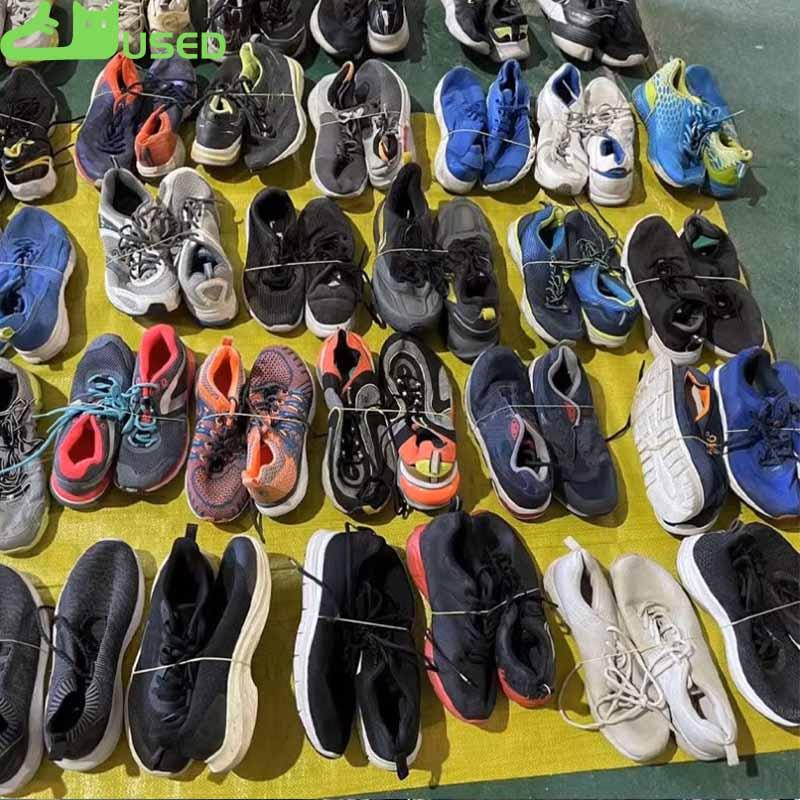
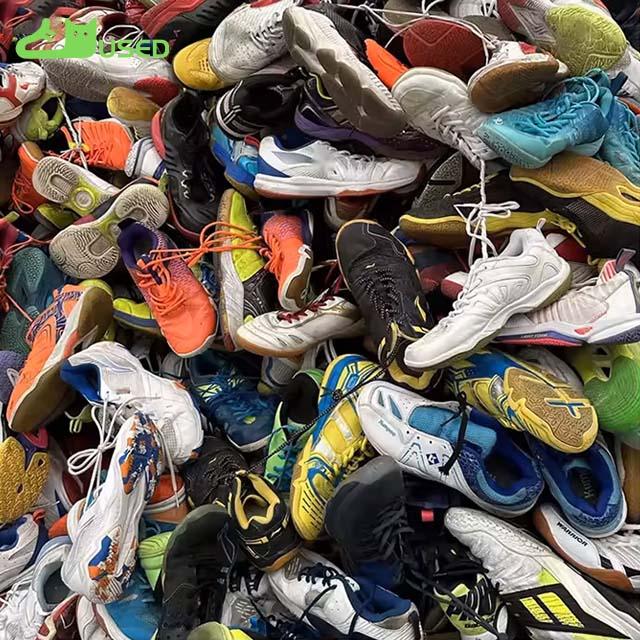
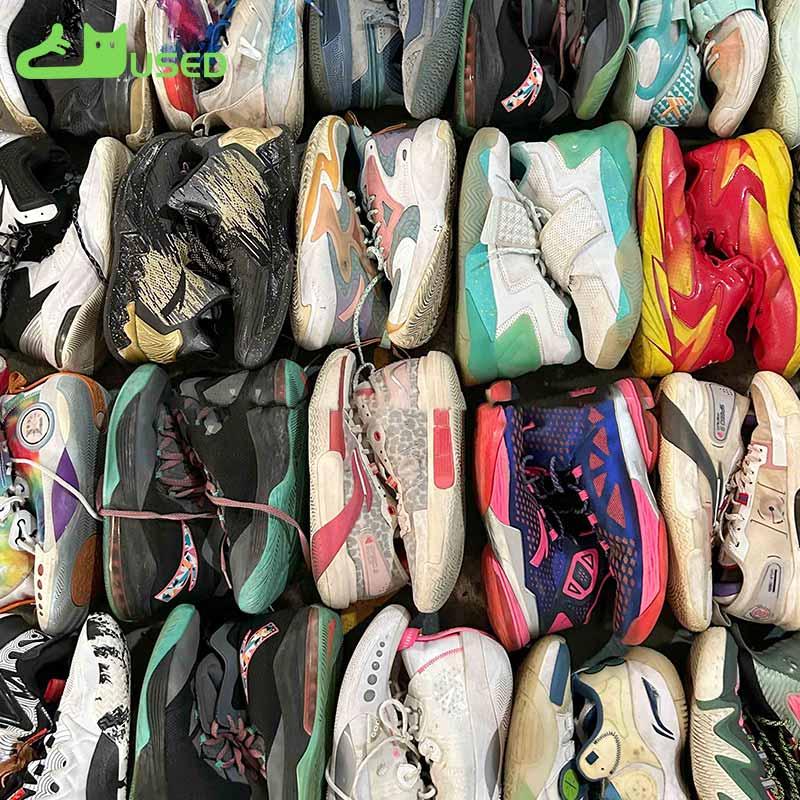
Used basketball shoes for sale require a court-wear grade before they become part of a sneaker wholesale lot. The buyer should separate visible outsole grip, heel drag, collar form, closure condition, marked size, cleaning burden, and unsupported cushioning claims. The decision changes when the reseller sells to school players, casual streetwear buyers, or budget sneaker racks because each channel tolerates different cosmetic wear and explanation work.
Define whether the lot is meant for sport-use resale wording, casual sneaker display, or budget fashion racks. Used condition makes performance claims risky, so the release file should describe visible grip, closure, ankle form, and wear rather than promising cushioning, injury prevention, or remaining court life.
Ask for random pairs from the proposed lot, not only high-value models. Record brand mix only after the physical route is clear. A recognizable shoe can still fail the buyer's release rule when grip, collar, or mate evidence remains open.
sport wording, casual, or budget
random pair views
unsupported performance claims
physical route first
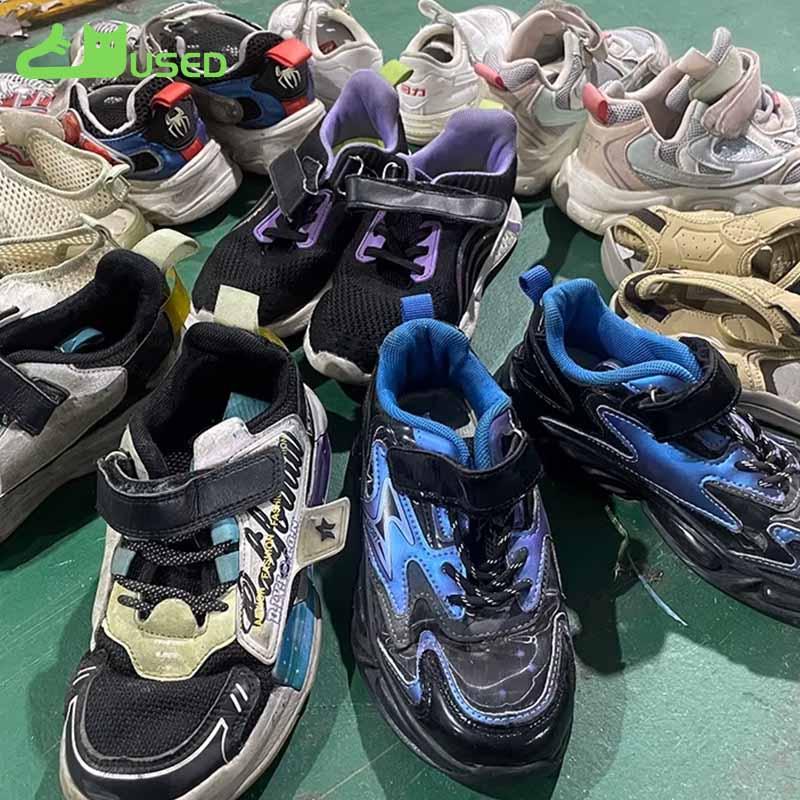
Basketball footwear often shows wear at forefoot pivot zones, heel edges, and lateral outsole areas. Compare both shoes under consistent light and note slick zones, cracked rubber, peeling, dirt load, and uneven drag. Keep grip findings separate from upper appearance.
Use ready, casual-only, cleaning, repair-review, evidence-hold, and reject routes. That route language is more useful than one broad grade because it shows the buyer why a pair can or cannot enter a sneaker size run.
pivot wear
drag and balance
crack or slick zone
ready through reject
Low, mid, and high forms do not always serve the same rack. Collars may carry compression, scuffs, cracked lining, missing pull tabs, or lace damage. Put each form into its own cell so the buyer can see whether the order contains display variety or unplanned slow stock.
The supplier list should show marked sizes by form and condition route. A size run that mixes open holds with released pairs overstates usable inventory. If the buyer sells online, each form may also need different photography and disclosure time.
fast display check
collar and lace review
compression and lining
released cells only
The table separates visible court wear from resale wording and size-run approval.
| Check area | Evidence to record | Release risk | Approved route |
|---|---|---|---|
| Outsole grip | Pivot zone, heel drag, rubber crack, slick areas | Unsafe performance wording | Ready, casual-only, hold, reject |
| Ankle form | Low, mid, high collar and lining condition | Compression or missing parts | Form-specific cell |
| Closure | Laces, eyelets, straps, tongue joins | Incomplete mate or closure failure | Prepare or decline |
| Size run | Marked size by form and route | Gross count hides holds | Released cell count |
The lot is packed by released route, not by a single basketball-shoe label.
Do not write that a used pair still cushions, supports, or performs like new unless the claim is supported by an approved evidence route. For most wholesale lots, it is safer to record visible midsole compression, outsole wear, upper stability, and closure status.
This wording boundary protects both buyer and supplier. If a pair enters a casual resale lane, the description can focus on appearance, complete mates, size, and visible condition. If performance is uncertain, the lot record should say so instead of hiding the risk inside a low price.
midsole and outsole condition
support or performance
appearance-led route
open risk named
Cross marked size, ankle form, route, cleaning minutes, lace needs, and display channel. Divide product cost, freight, receiving, cleaning, photography, and storage by released pairs in each cell. Do not use gross pairs or hoped-for repairs as the denominator.
When comparing this category with broader sneaker buying, use the sneaker category only to frame available space while the court-wear table controls release. Keep small or uncertain sizes as capped cells until local results close.
released pairs
cleaning and laces
school, casual, online
slow or uncertain cells
Only when the claim has a separate approved evidence route; ordinary wholesale records should describe visible condition.
No. Keep them separate until local sales and return records prove that a combined rule works.
Missing mates, slick or unstable outsole areas, broken closures, serious lining damage, or unsupported wording can block release.
Record minutes and materials by cell, then divide cost by released pairs rather than gross pairs.
Repeat grip, collar, closure, mate, size, route, and package-code checks before stock is merged.
Keep mates together, protect collar shapes, and avoid placing heavy shoes on light uppers. Package labels should include source code, released pair count, form split, size-run summary, route counts, gross weight, packer, and time.
At arrival, repeat grip, closure, collar, size, and route checks before mixing the stock into general sneakers. The next order should change one variable from measured stock age, cleaning work, returns, and completed outcomes.
mates and collar protection
form and size summary
repeat grip and route
one measured variable
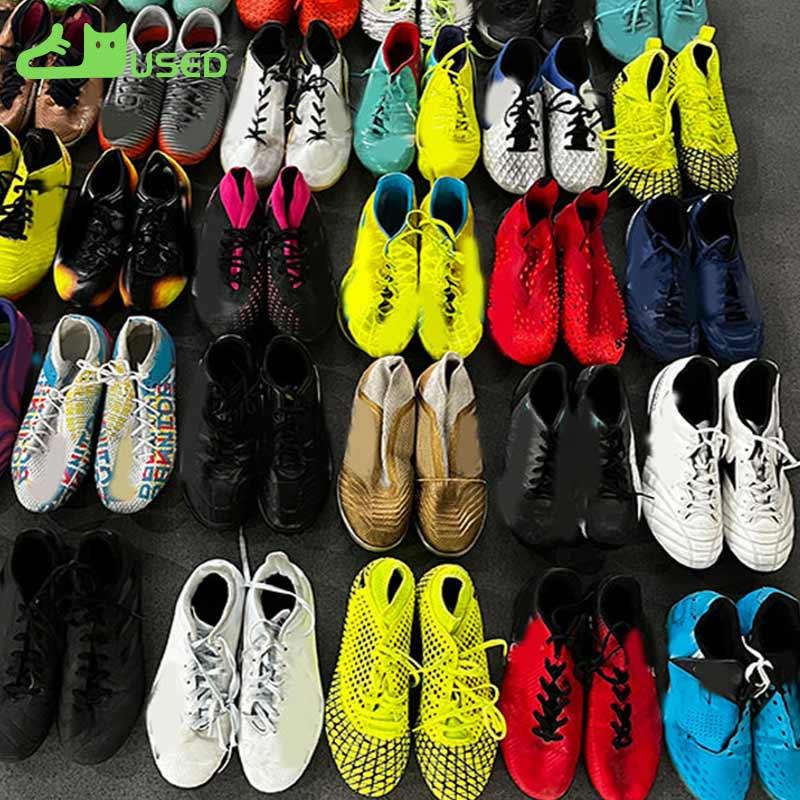
Used basketball shoes for sale belong in a sneaker lot only after court-wear evidence, ankle-form cells, wording limits, size runs, and packing proof are closed. The used sneakers wholesale options provide broader category context, while the release table decides which pairs are ready for resale.

Direct Factory Supplier of Used Shoes For African Markets In China
 Tel: +8618606960861
 Email: info@usedshoeswholesale.com
 MP/WhatsApp: +8618606960861
 Manufacturer Address:Cizao Town, Jinjiang City, Quanzhou City, Fujian Province