Author:Used Wholesale Manufacturer TIME:2026-09-28
Toddler size-cell resale ledger
Used toddler shoes for sale need a stricter size-cell and hygiene record than general children's footwear because small sizes create more mate, closure, and condition questions at receiving. The buyer should separate complete pairs, readable marked sizes, flexible closures, interior condition, cleaning route, and permitted resale wording before accepting a lot. The recommendation changes when the target outlet sells family bundles, school-start racks, or online listings because each channel needs different explanation and return control.
Write the allowed size range, shoe forms, closure types, and condition ceiling before viewing supplier samples. Keep baby crib shoes, larger youth sneakers, and damaged play shoes outside the toddler cell unless the buyer approves a mixed children's route.
Search language can reveal interest in used toddler shoes for sale, but it cannot set the order ratio. The usable plan comes from the buyer's local family-customer records, shelf space, cleaning capacity, and return experience.
buyer-approved sizes
sneaker, sandal, casual, school
baby, youth, damaged overflow
random pair sample
Small shoes are easy to mismatch after sorting. Compare left and right marked size, color, closure, outsole pattern, wear balance, interior condition, and shape. Singles and doubtful mates stay in a recovery record and do not enter the released count.
Mark each pair before cleaning or repacking. A clear code prevents one small missing shoe from being hidden inside a bulk count and helps the buyer isolate disputes after arrival.
size, color, shape
left-right balance
before cleaning
single or conflict
Inspect interior odor, damp marks, removable parts, insole attachment, stains, and residues. Record the approved cleaning or decline route. Do not use words such as sanitized, safe, or like new unless the buyer has a documented process that supports them.
Hygiene findings should not be averaged across the lot. A clean-looking group and a held group need separate counts because they require different labor, disclosure, and pricing decisions.
odor and marks
clean, hold, decline
unsupported safety wording
separate from ready
Hook-and-loop straps, laces, buckles, elastic panels, and zippers create different handling work. Check whether closures fasten, whether mates share the same route, and whether replacement work is permitted. Missing closure parts can turn a pair into repair review even when the upper looks acceptable.
For category comparison, use wider children's footwear context while the toddler ledger controls this size cell. Keep repair-heavy closure types capped until results prove they move.
adhesion and lint
complete and matched
function and mate
track and pull
The table keeps small-pair release, closure work, and hygiene wording traceable.
| Cell field | Evidence | Hold reason | Release record |
|---|---|---|---|
| Mate | Left-right size, form, color, wear | Single or doubtful match | Coded complete pair |
| Hygiene | Interior odor, marks, residue, insole | Open cleaning or decline route | Ready or handled count |
| Closure | Strap, lace, buckle, elastic, zipper | Missing or failed function | Prepare, repair review, or decline |
| Packing | Pair security, label, route count | Loose pair or mixed hold | Package-code check |
Toddler stock is released by complete, coded, and closed cells, not by gross small-shoe count.
Cross marked size, form, closure, hygiene route, cleaning minutes, and target channel. Divide freight, receiving, pairing, cleaning, minor replacement, listing, storage, and markdown work by released pairs in that cell.
Family bundle sellers may accept broader cosmetic wear than online sellers who face returns. Keep those channels separate in the lot record. A size cell that needs heavy explanation should not receive the same reorder rule as a clean-ready cell.
marked cell
minutes and materials
bundle, rack, online
stock age and returns
No. Only complete coded pairs with matching evidence enter the released size cell.
Avoid sanitized, safe, like new, or support claims unless the buyer has a documented process and evidence.
Closures affect labor, replacement decisions, returns, and the channel where the pair can be sold.
Record handling minutes and materials by cell, then price from released pairs only.
Repeat mate, marked size, interior, closure, package code, and route checks before stock is merged.
Keep mates together, bag or band small pairs where approved, isolate held stock, and label packages with released pair count, size range, closure summary, hygiene route count, gross weight, packer, and time. Do not let loose small shoes migrate across cartons.
Receiving staff should repeat mate, size, hygiene, closure, count, and package-code checks before merging inventory. The next toddler order should change one visible rule from that record, not simply enlarge the same mix.
small mates secured
size and route count
repeat same fields
one rule from evidence
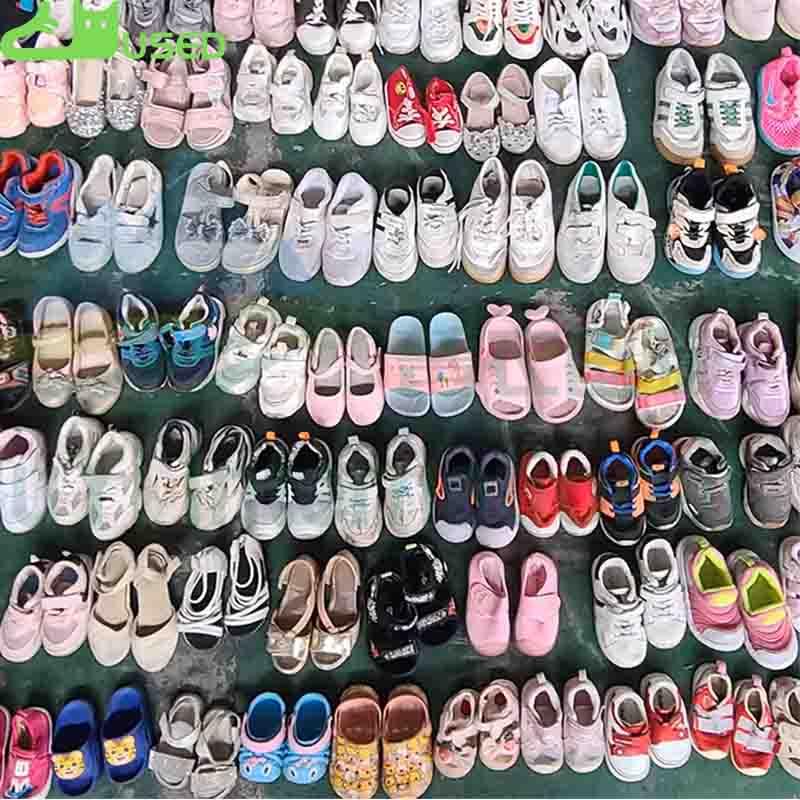
Used toddler shoes for sale should move only after mates, size cells, hygiene holds, closure work, packing labels, and receiving records are closed. The used children's shoes wholesale options provide the broader kids-shoe context, while the toddler ledger controls release and reorder decisions.

Direct Factory Supplier of Used Shoes For African Markets In China
 Tel: +8618606960861
 Email: info@usedshoeswholesale.com
 MP/WhatsApp: +8618606960861
 Manufacturer Address:Cizao Town, Jinjiang City, Quanzhou City, Fujian Province