Market Application Reference | Poland
The historical title uses the word success, but this body does not assert a verified Polish customer, delivery, compliance outcome or satisfaction result. It converts that broad wording into a sourcing evidence file: what an importer should request, what remains unresolved and what receiving must repeat for used men's shoes.

List every material claim in the quotation: product identity, grade, accepted quantity, size curve, cleaning state, packing and dispatch scope. Assign each a status such as supported, unresolved, excluded or pending buyer approval.
Do not use the country name, catalog position or a previous relationship as proof for a current pair. Retain exact wording and the evidence source so later reviews do not expand a limited observation into a broader promise.
record identifies evidence
hold wording or stock
outside approved offer
new dated approval
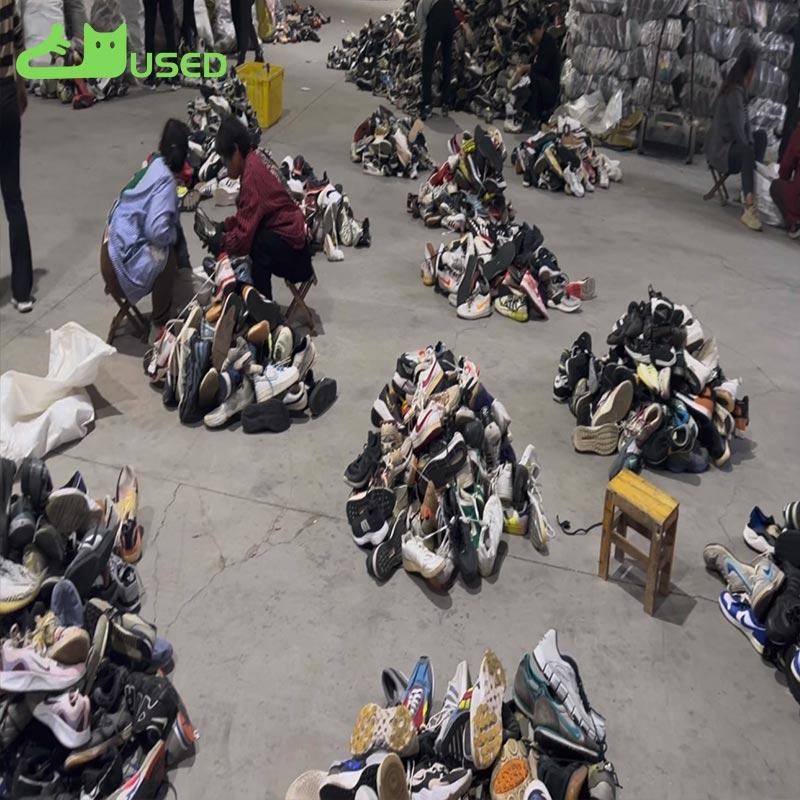
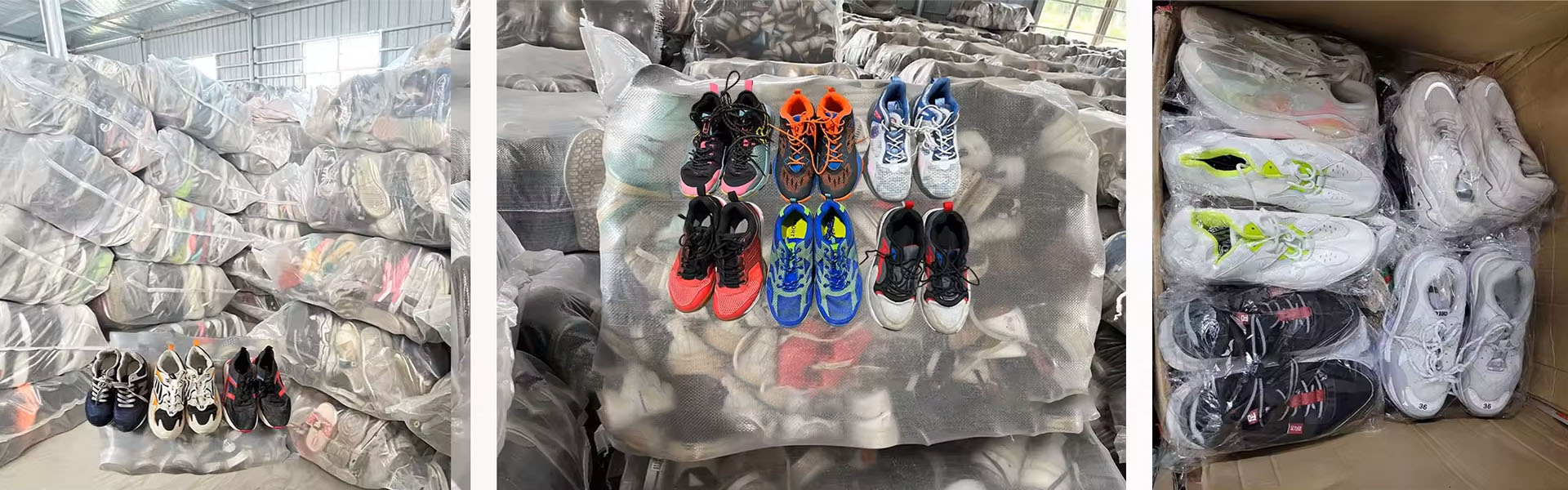
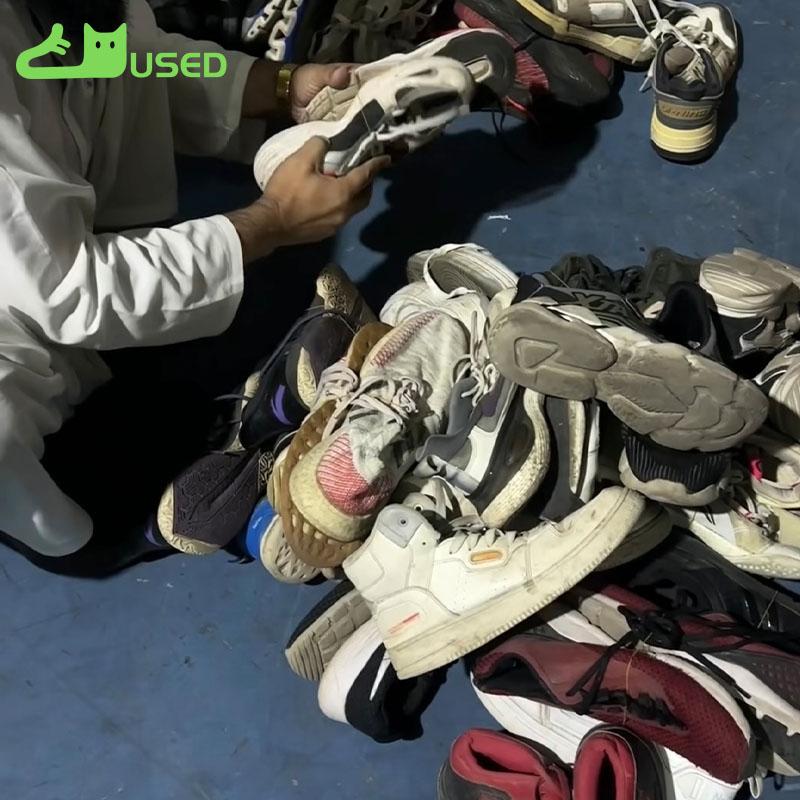
Capture full-pair, size-label, construction and important wear-zone views. Match mates before grade. Record sole bond, outsole loss, upper joins, heel support, closure function, interior and odor separately from visible identity details.
A physical pass does not establish brand identity, and visible identity evidence does not establish condition. Keep these decisions in separate columns even when the same reviewer performs both checks.
mate and size compatibility
observable reason code
visible evidence and status
approved inventory and wording
Select coded units and positions before reviewing the cleanest stock. Include different forms, sizes and visible condition levels. Record the denominator and every disposition.
The sample result applies only under the declared method. Avoid presenting a small pass rate as proof of the entire lot unless the agreement supports that inference. Expand inspection when evidence clusters in one unit or lane.
how units and pairs are selected
what was inspected
forms, sizes and positions
trigger for more checks
Each gate records what supports release and what cannot be inferred.
| Evidence gate | Supports | Does not prove alone |
|---|---|---|
| Pair images | Visible construction and condition | Whole-lot result |
| Condition pass | Physical grade | Identity |
| Claim review | Permitted wording | Customer satisfaction |
| Receiving match | Reproducible handoff | Universal market success |
The evidence file improves decision quality precisely because it does not overstate what the records can establish.
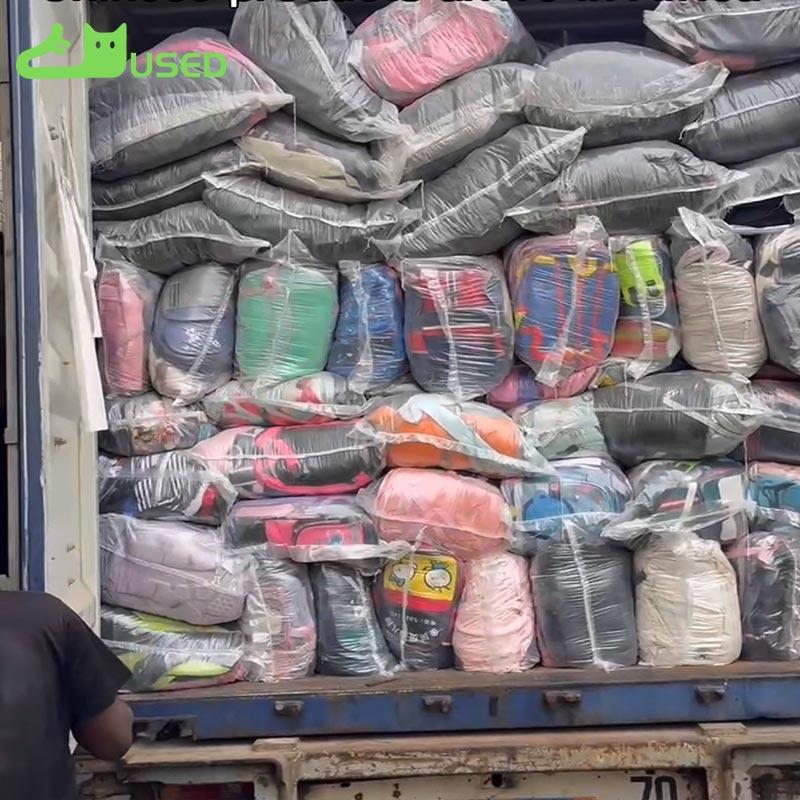
Keep the quotation, invoice basis, packing list, inspection file and unit-code register under one lot revision. If documents use kilograms, pieces, pairs or bales, retain each original unit and avoid an unsupported conversion.
Record substitutions and reopened units. A changed assortment or packing code needs a new revision and buyer approval before it can inherit the earlier evidence state.
scope and price basis
pair results and holds
codes, counts and weights
approved change history
Open selected units before stock is merged and compare outer condition, pair count, marked sizes, physical grade and claim status with the source file. Preserve the supplier's record and append receiver findings.
Put unrecorded substitutions, damaged pairs, identity conflicts and quantity differences in separate lanes. Do not rewrite the original evidence to make the files agree. Assign an owner and disposition to each variance.
source and receiver agree
changed after packing
pre-pack evidence differs
cause still unresolved
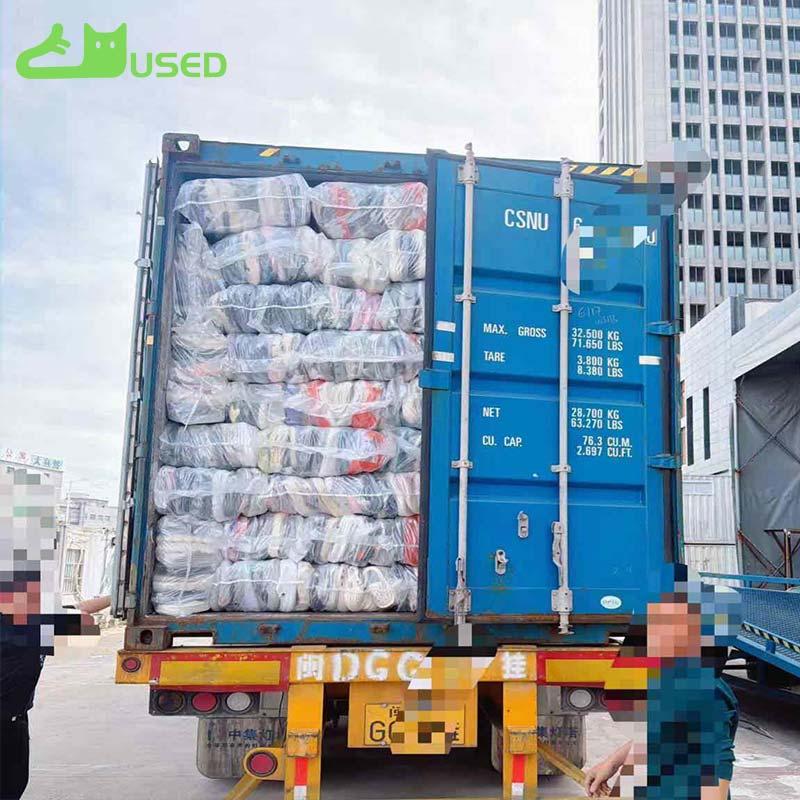
For this reference, a completed process means mandatory evidence is present, holds remain controlled, counts reconcile and receiving can repeat the decision. It does not mean a public claim of sales performance, regulatory approval or customer satisfaction.
Archive the release, variance and correction history. Use the next order to test whether revised controls reduce uncertainty, while preserving earlier records for comparison.
mandatory file complete
released and held counts
owner and outcome
next-lot control change
Provide the lot scope, allowed forms, marked-size priorities, condition reasons, claim policy, sample spread and packing code in one request. Ask the supplier to answer with current counts, representative ordinary-unit evidence and a list of unresolved fields rather than a general assurance.
Require each later revision to identify changed pair or unit codes. This keeps the Poland file auditable and prevents replacement stock from inheriting approvals that belonged to a different sample.
field must be answered
coded current-lot record
visible hold list
changed scope and approval
No. It is a Market Application Reference and evidence-control plan.
No. Use a declared sample rule and counted dispositions.
They rely on different evidence and neither decision proves the other.
Request it or keep the relevant claim and inventory on hold.
Evidence quality, not a broad success label, determines whether an importer can reproduce the decision. The used men's shoes wholesale collection provides the catalog context; pair files, document revisions and receiving checks define this reference.

Direct Factory Supplier of Used Shoes For African Markets In China
 Tel: +8618606960861
 Email: info@usedshoeswholesale.com
 MP/WhatsApp: +8618606960861
 Manufacturer Address:Cizao Town, Jinjiang City, Quanzhou City, Fujian Province