Author:Used Wholesale Manufacturer TIME:2026-08-11
Used slipper supplier evidence file
A reliable used slipper supplier is not verified by a warehouse photograph or a broad capacity statement. Reliability is the ability to reproduce an agreed slipper condition, construction mix, packing record and response process in normal production. The buyer needs a dated evidence file that connects company identity, stock custody, ordinary samples, achievable capacity, trial behavior and receiving results.
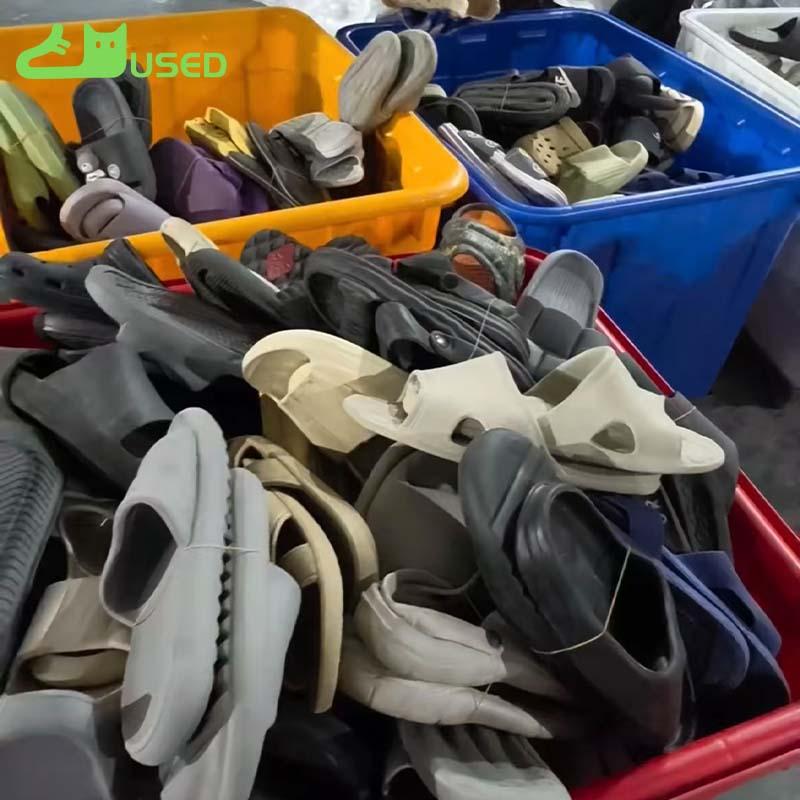
Record the legal or trading entity used for the quotation, the operating address, responsible contacts and the role of any outside sorting or packing party. Verify only through appropriate current documents and direct evidence available to the buyer; do not infer ownership from a logo or page design.
Map who controls receiving, sorting, preparation, packing, storage, documentation and claims. Outsourced work is not automatically weak, but the handoff and accountability should be visible before the trial.
quotation identity
actual operation
controlled stages
named responsibility
Review the path through incoming stock, pair recovery, construction separation, condition lanes, preparation, dry storage, packing and loading. Ask how mates retain identity and how unresolved moisture, odor, attachment or label issues remain outside released inventory.
A remote walkthrough or site review should follow this sequence rather than jump among selected scenes. Date the evidence and note which stages were not observed. A gap remains an open question, not a reason to guess.
source and count
pair and construction
reason-coded lane
released unit
Unsupported claims remain open instead of receiving a confidence score.
| Claim | Minimum current evidence | Decision state |
|---|---|---|
| Controls slipper grade | Ordinary coded examples and reasons | Verified, partial or open |
| Meets requested capacity | Dated released output and constraints | Trial quantity only |
| Packs accurately | Unit labels and reopened tally | Measured error record |
| Handles variance | Procedure and actual closeout | Owner and deadline |
The register should identify exactly which evidence allows the buyer to proceed and which gap limits exposure.
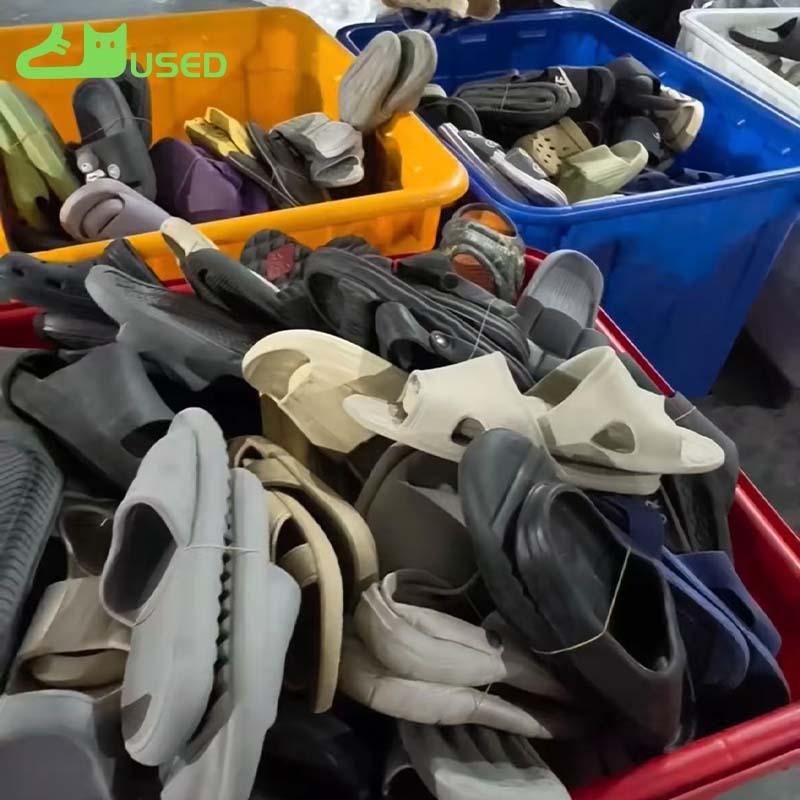
Separate slides, flip-flops, closed slippers and other allowed constructions. Inspect bands, toe posts, seams, sole bond, outsole life, sidewall damage, footbeds, lining, pair compatibility, contamination and odor under the written order rule.
Select accepted, downgraded and rejected examples from ordinary current stock. Borderline pairs are especially useful because they show whether different workers apply the same boundary. Preserve pair codes and explanations with the final specification.
attachment test
bond and remaining wear
footbed or lining
written placement
Ask for the quantity the operation can sort, release, pack and document to this exact specification during the required period. Distinguish incoming volume from accepted slipper output. Review recent ordinary production and packing records where legitimately available, with sensitive details removed when needed.
Record constraints such as source variability, construction concentration, labor, drying space, packing materials and booking dates. A smaller reproducible commitment can be more useful than a large number that omits its grade and time basis.
required window
available stock
released slippers
named bottleneck
Use preselected coded bales or units, not only loose presentation samples. Agree the sampling route, inspection reasons, mix cells, packing fields and document set before production. Reopen selected units before loading and repeat the same checks at receiving.
Track promised and actual updates, substitutions and corrections. Early disclosure of a real shortage with measurable alternatives can demonstrate stronger control than automatic agreement followed by an unexplained packing change.
ordinary units
same written rules
dated variance
independent result
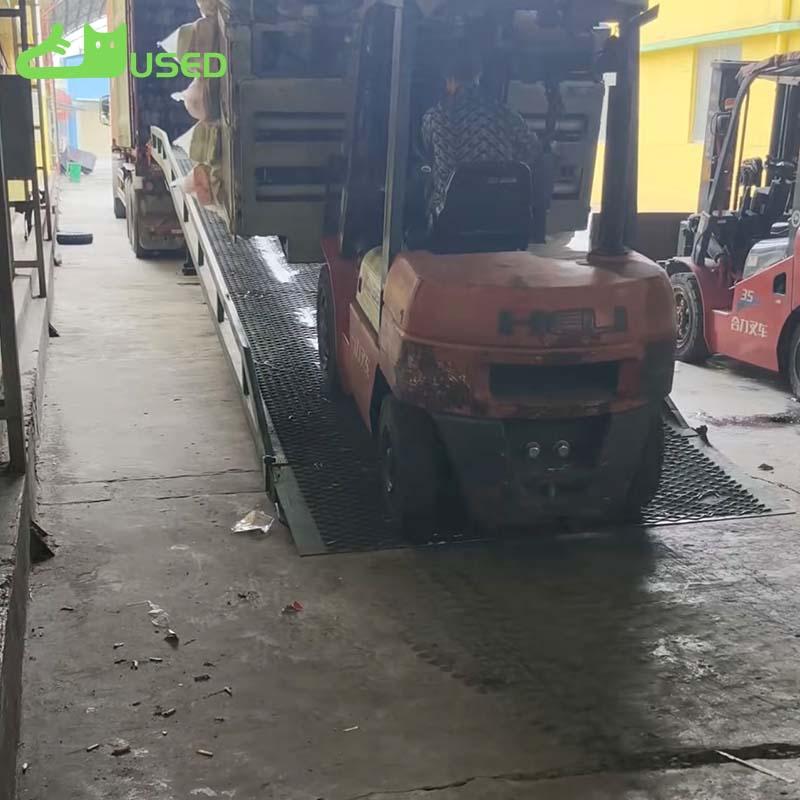
Define the reporting window, sample identity, photographs, raw counts, physical contact and commercial escalation before an issue occurs. When a variance appears, isolate the affected codes and require an investigation that names the failed control.
Do not let the remedy discussion overwrite the product record. Reinspection, rework, reallocation, credit or another agreed outcome needs its own dated evidence. Reliability includes a clear closeout, not a promise to solve everything.
reporting deadline
coded counts
physical and commercial
documented outcome
Compare source and receiving results for condition, construction, marked-size cells, pair count, preparation, unit weight and label accuracy. Keep route delay or transport damage distinct from a sorting variance. One good total cannot hide an unstable subcategory.
Increase quantity only when the operation can repeat the required mix and evidence without selected handling. Carry unresolved fields into a smaller next trial or a hold list. Record the review date because stock, staff and route conditions can change.
stable measured field
open variance
approved quantity
expiry or next check
No. Verify control over the requested grade, mix, period and packing result.
Yes, when it follows the material route and records unseen stages as open checks.
No. They do not test normal packing distribution or unit consistency.
As released output to the named specification during a dated period with constraints.
Repeatable trial and receiving evidence with closed material variances.
Supplier reliability is a dated chain of reproduced controls, not a profile statement. The used slippers wholesale category sets the product boundary; the evidence file and receiving result set the exposure.

Direct Factory Supplier of Used Shoes For African Markets In China
 Tel: +8618606960861
 Email: info@usedshoeswholesale.com
 MP/WhatsApp: +8618606960861
 Manufacturer Address:Cizao Town, Jinjiang City, Quanzhou City, Fujian Province