Author:Used Wholesale Manufacturer TIME:2026-08-11
Used mixed shoe exporter control audit
A professional used mixed shoe exporter turns variable second-hand stock into a controlled order. The buyer should be able to see who owns grade decisions, how the mixed assortment is measured, which pairs are held, how bale identity survives changes, how documents reconcile with loading and how a receiving variance is investigated. Company presentation supports context; one real workflow tests operating capability.
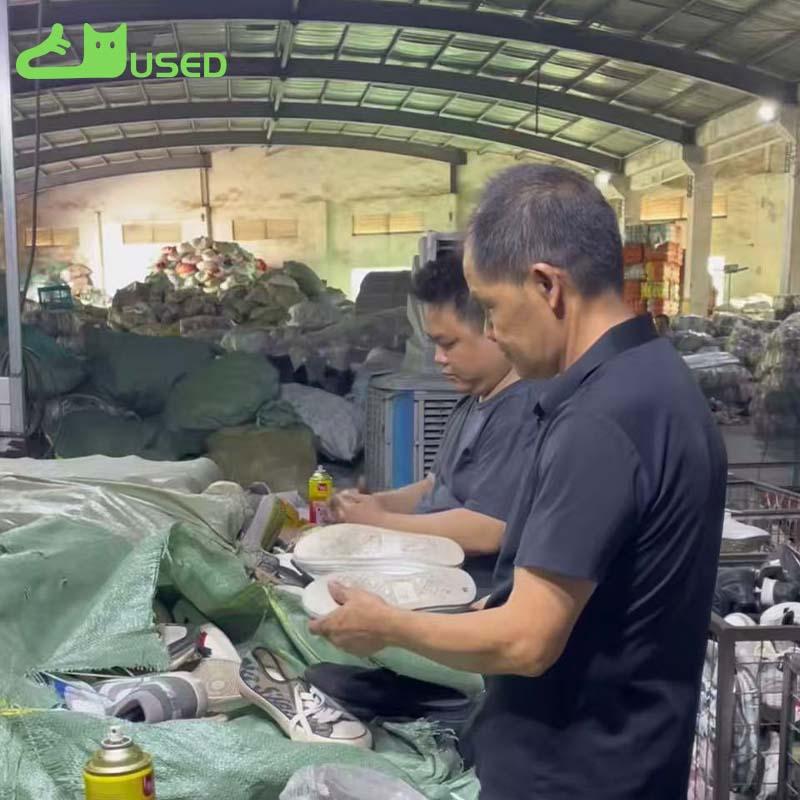
List receiving, primary sort, pair recovery, category separation, condition grading, preparation, drying, packing, storage, documentation, loading and claim handling. Record whether each step is performed directly or by a controlled partner and which specification governs it.
Outsourcing is not automatically a weakness. The gap appears when the exporter cannot identify the operator, show the handoff record or prevent excluded stock from returning to the order. Compare explanations across sorting, packing and export roles.
physical or document handoff
named role
effective specification
current record
Each claim remains tied to a person, current record and open risk.
| Capability | Responsible role | Evidence | Open risk |
|---|---|---|---|
| Grade application | Sorting lead | Coded sample and reasons | Borderlines differ |
| Mix control | Production planner | Released cell matrix | Substitution undisclosed |
| Bale traceability | Packing lead | Codes, weights and revisions | Reopened identity lost |
| Document accuracy | Export coordinator | Draft and reconciliation trail | Route fields assumed |
| Claim response | Quality and account owners | Window and closeout | No escalation owner |
The register is repeated after the trial so promises can be replaced by observed performance.
Direct a sample across coded units and production periods. Inspect mate compatibility, outsole, sole bond, upper, closures, heel or support, interior, odor and product-specific points. Separate physical grade from category, marked size and brand claims.
Ask reviewers to place accepted, downgraded and excluded borderlines. Preserve reason codes and pair identities. Selected attractive pairs can illustrate a product group but cannot demonstrate the lot distribution.
preselected units
both mates
written boundary
strong and weak units
Define approved men's, women's, children's or other product groups, forms, visible marked-size cells, grade lanes, seasonal limits and exclusions. The exporter should return current released counts or ranges and identify unavailable cells before packing.
When source supply changes, record who proposes substitution and who obtains written approval. Uncontrolled leftovers should not enter a mixed order under the claim that staff know the market.
commercial categories
marked-size cells
approved variation
disclosed before pack
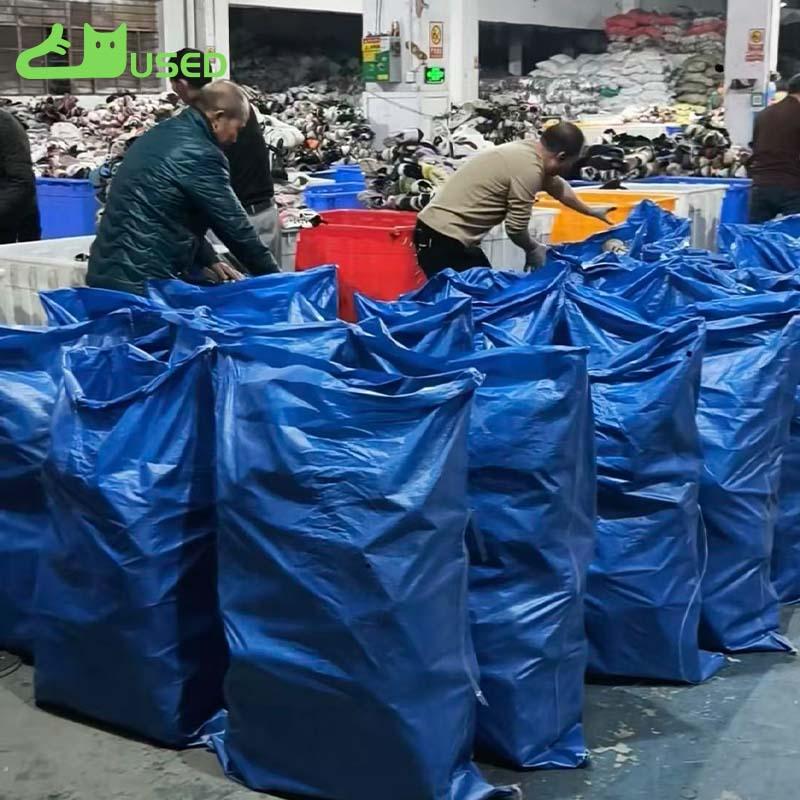
Choose a production lot and reconcile accepted pairs, holds, unit codes, individual weights, closure dates, storage positions, loading sequence, container identifier and seal. If a bale is reopened, retain the former code, revision, new count or weight and approver.
Check exception controls for moisture, rain, damaged packing, wrong label or mix shortage. A final photograph cannot reconstruct a lost handoff; the record should show what changed and why the goods remained eligible.
released pair tally
coded unit
location and condition
unit sequence and seal
Request appropriate redacted examples and identify who checks invoice, packing list, marks, quantities, weights, product description, consignee instructions and transport details. The importer should confirm current destination requirements with a qualified broker or authority rather than relying on a general article.
Run a draft rehearsal using the intended order fields. Compare beneficiary, company and commercial identities through the buyer's approved verification route. Set draft review, correction and final-release deadlines.
approved commercial fields
pre-shipment review
inspected loaded units
named approval
Separate incoming stock or machine counts from pairs that can be sorted, prepared, packed and documented to the actual specification. Review dated ordinary records where legitimately available and list source, labor, drying, packing and booking constraints.
Compare the proposed order with current commitments. A smaller quantity with reproducible grade and document control may be preferable to a broad monthly claim that has no time, product or quality basis.
required production window
available stock
released coded units
named bottleneck
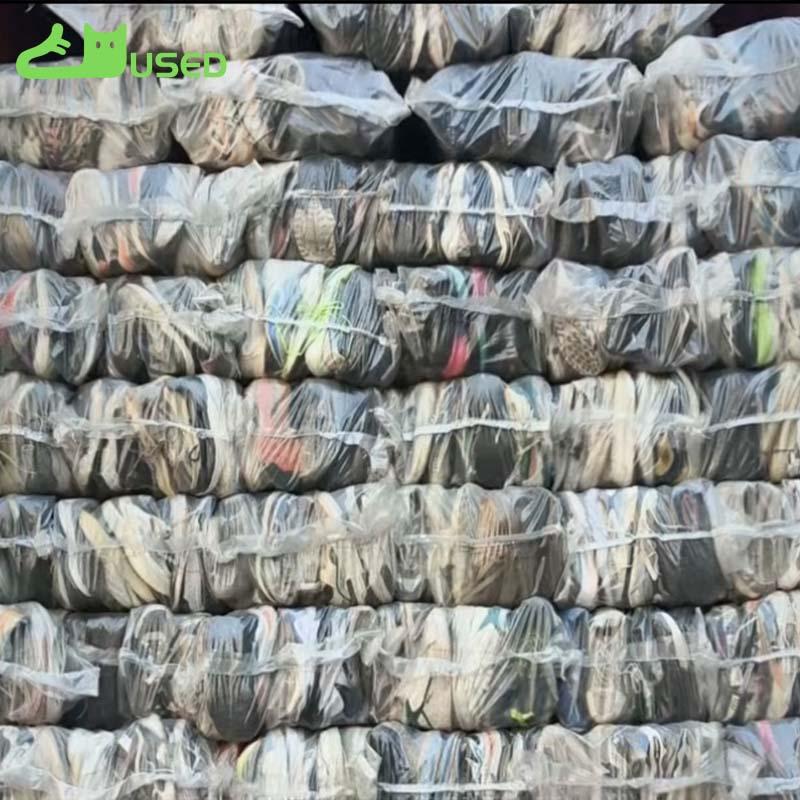
Agree the reporting window, sample identity, raw counts, representative images, quarantine action and contacts before shipment. When arrival differs, identify affected codes and the first handoff where evidence diverged.
Reinspection, resorting, preparation, exclusion, credit or another approved response needs an owner and final record. Do not edit the original inspection to make the resolution appear cleaner. Use the cause review to revise a specific control.
window and code
affected inventory
failed handoff
physical and commercial outcome
Mark each capability verified, partial or open with an evidence date. Avoid converting an unanswered question into a favorable score because the company appears experienced. Identity inconsistency, unavailable ordinary stock or irreconcilable records require greater caution.
Before scaling, run a normal trial and compare pre-shipment and receiving fields. Send the inquiry with grade, mix, sampling, packing, loading and document requirements. Scale only what the exporter made reproducible.
current matched evidence
scope limit stated
owner and due date
trial-supported fields
No. It must show documented control, visibility and accountability across partners.
No. Test ordinary current-lot physical evidence separately.
Use released output to the named specification within the required period.
Disclose it before packing and obtain a written quantity, substitution, timing or price decision.
Identity conflicts, denied ordinary-stock access and records that cannot reconcile with goods.
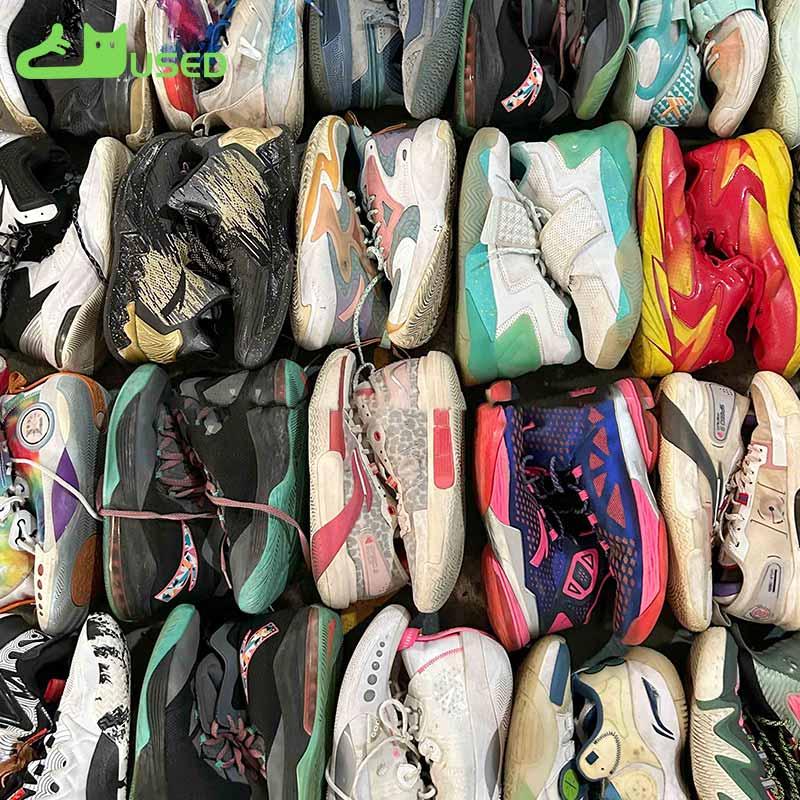
Professional export capability is demonstrated by controlled handoffs and reconciled evidence. The used mixed shoes wholesale category sets the product scope; the audited workflow determines whether a trial can scale.

Direct Factory Supplier of Used Shoes For African Markets In China
 Tel: +8618606960861
 Email: info@usedshoeswholesale.com
 MP/WhatsApp: +8618606960861
 Manufacturer Address:Cizao Town, Jinjiang City, Quanzhou City, Fujian Province