Author:Used Wholesale Manufacturer TIME:2026-03-29
Used sneaker pre-wear screen
No article can declare every used sneaker safe to wear. A decision belongs to the exact pair, its intended use, visible structure, interior condition, preparation history and the wearer's own fit or health requirements. Buyers can reduce avoidable uncertainty by separating physical release, hygiene preparation and personal suitability instead of treating appearance or a general cleaning claim as proof.
Record whether the pair is intended for casual wear, work, exercise, resale display or another use. The stricter activity sets the physical review. This page offers purchasing and inspection controls; it does not diagnose infection, injury, gait, allergy or other medical conditions.
Anyone with pain, wounds, skin concerns, diabetes-related foot risk, prior injury or another individual issue should follow appropriate professional advice rather than relying on an online checklist.
named activity
observable condition
unverified history
individual requirement
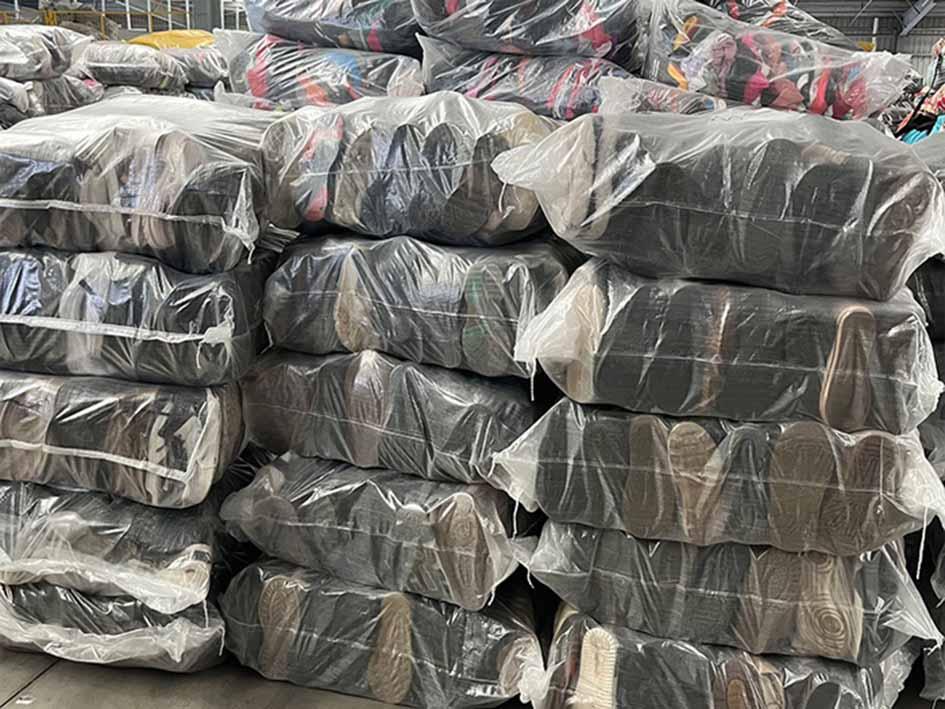
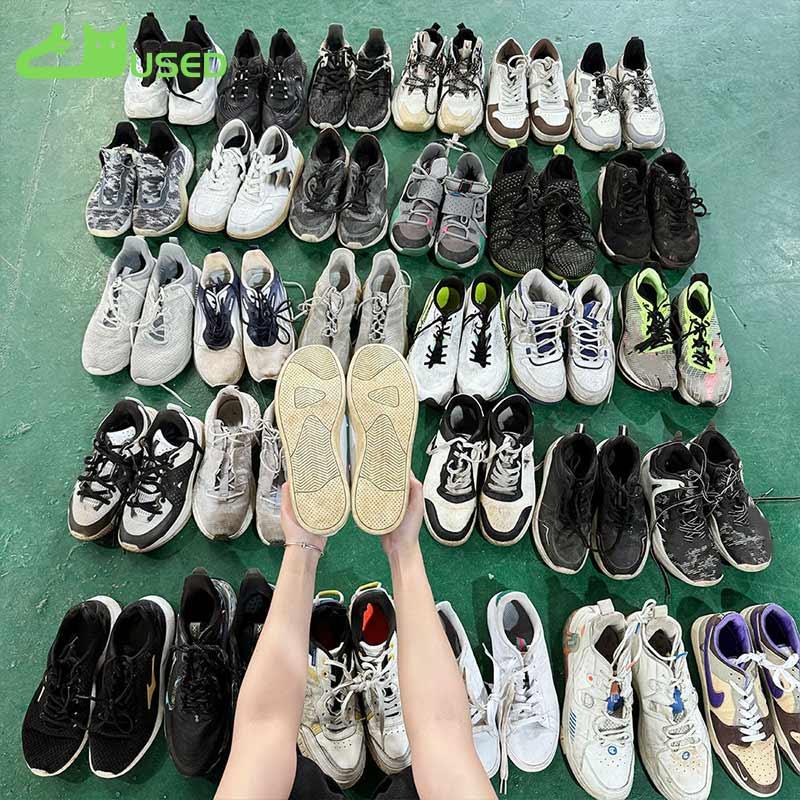
Compare model, size marks, construction, material, color, left-right wear and shape. Inspect outsole bond, upper attachment and closure. Singles, forced matches, active separation, sharp damage or unstable components remain outside the normal wear lane.
A clean surface cannot correct a structural mismatch. Code the pair so photographs, preparation and final disposition refer to the same shoes.
compatible mates
stable connection
secure function
persistent record
The screen prevents one observation from becoming an unsupported safety promise.
| Decision layer | Review | Possible state |
|---|---|---|
| Physical | Mates, bond, closure, outsole and geometry | Release, hold or reject |
| Hygiene | Interior, moisture, contamination and preparation | Complete, isolate or specialist route |
| Personal | Use, fit and individual requirements | Buyer decision or professional advice |
All three layers matter, but they answer different questions and should not be merged.
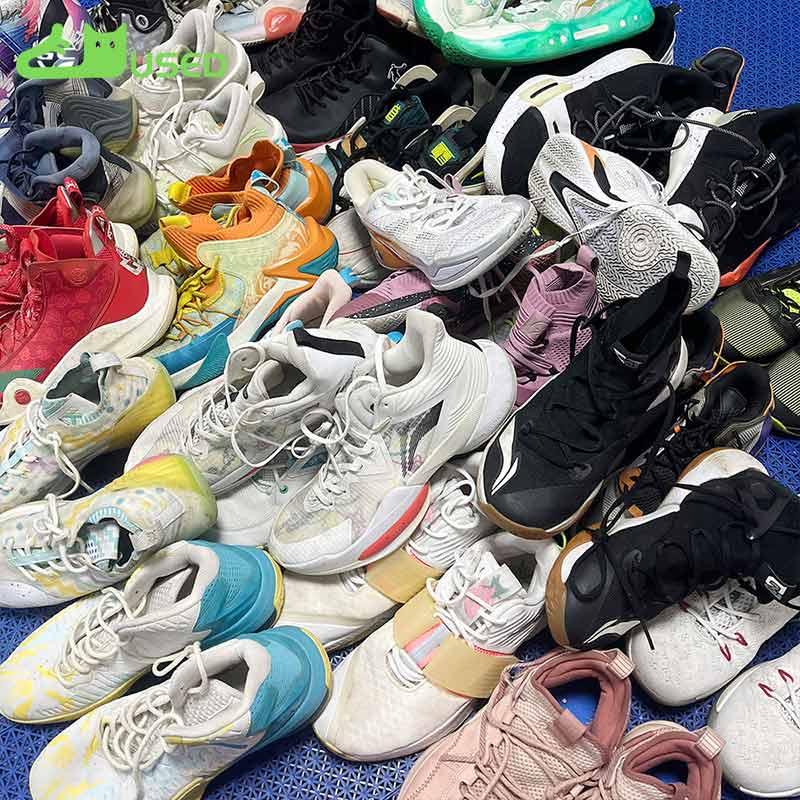
Review tread loss, smooth areas, edge wear, exposed foam, cracking, permanent compression and left-right differences. Compare the pair on a level surface and note distortion under a written non-destructive method.
Wear patterns can show that condition is uneven; they cannot establish why the previous wearer moved that way or whether the next person will experience a problem. When the intended use depends on cushioning or support that cannot be verified, choose a more conservative lane or another pair.
tread and bond
shape and compression
mate comparison
no diagnosis
Check the interior with suitable light. Record lining wear, tears, removable insole presence, persistent odor, dampness, visible contamination, mold-like growth or pest evidence according to the buyer's written rules. Isolate unresolved pairs from released inventory.
Do not claim that odor proves a specific organism or that a visually clean interior is sterile. Where testing or specialist handling is required, use an appropriate qualified process.
surface integrity
present and condition
dryness gate
unresolved contact risk
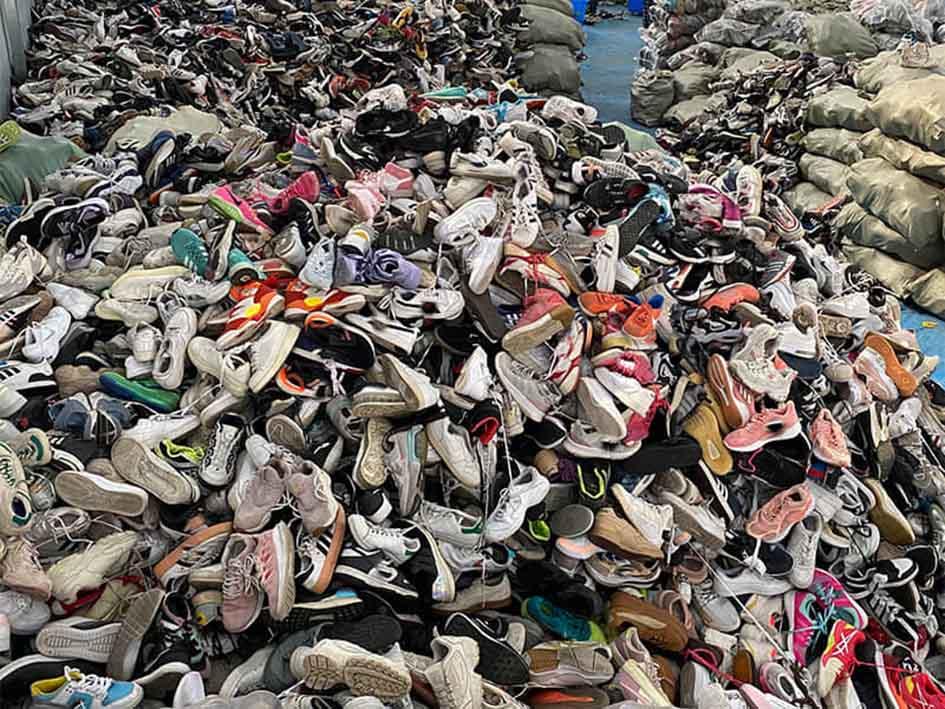
Record starting condition, permitted method, materials, operator, drying and reinspection. Avoid generic chemical or heat advice because materials and adhesives respond differently, and incompatible treatment can damage the pair.
Preparation may improve cleanliness or presentation within a defined process, but it does not prove sterility or restore worn structure. Recheck sole bond, shape, odor and interior after work.
reason code
material-compatible route
documented completion
new disposition
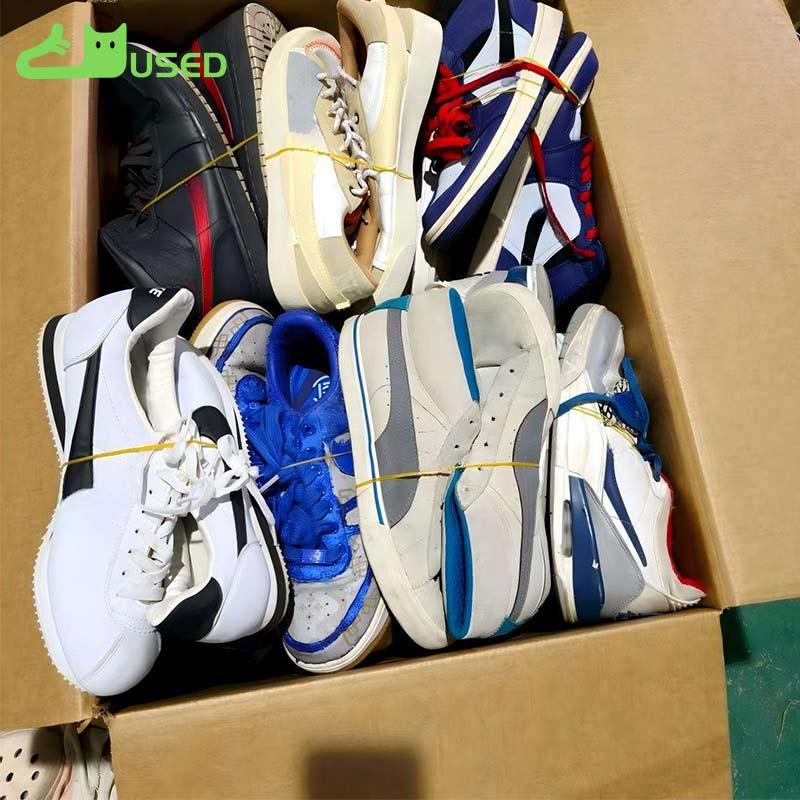
Labels and length are not the whole fit. Toe room, width, heel hold, closure and insole geometry may feel different after prior wear. An appropriate try-on under the seller's terms can reveal obvious discomfort, but it cannot certify future performance.
Stop using a pair and seek appropriate advice when pain, skin reaction, numbness or another concerning symptom occurs. Wholesale sellers should describe condition accurately without making a medical or universal comfort promise.
visible size
current interior form
seller-approved assessment
concerning response
For product handling, mark physical release, preparation complete, hold or reject with a date and reviewer. For individual purchase, add intended use and fit decision. Unknown prior history remains a limit rather than an assumed pass.
For wholesale inquiries, request grade boundaries, current ordinary-sample counts, interior and moisture holds, allowed preparation and dry packing evidence. Do not ask a supplier to guarantee that every wearer will be safe.
pass or fail reason
complete or open
defined lane
buyer decision
No. Cleaning does not establish structure, sterility, fit or personal suitability.
No. Record the product condition without diagnosing the previous or future wearer.
Follow the product, seller and individual requirements; replacement does not fix structural wear.
No. Treat persistent odor as a condition or hold signal, not a diagnosis.
For pain, injury, skin concerns, medical risk or other individual suitability questions.
A defensible wear decision separates observable product release from preparation and personal suitability. The used sneakers wholesale category defines the product family; the exact pair and wearer-specific requirements control the outcome.

Direct Factory Supplier of Used Shoes For African Markets In China
 Tel: +8618606960861
 Email: info@usedshoeswholesale.com
 MP/WhatsApp: +8618606960861
 Manufacturer Address:Cizao Town, Jinjiang City, Quanzhou City, Fujian Province