Author:Used Wholesale Manufacturer TIME:2026-03-29
Used running shoe value decision
Whether used running shoes are worth buying depends on the exact pair and intended use, not a fixed discount or estimated mileage. The buyer should compare current outsole, midsole, upper and interior evidence with fit requirements, preparation, price and the consequence of an uncertain failure. A lower price is useful only when the remaining condition supports the planned lane.
Separate casual walking, occasional exercise, regular running, demanding training, resale or another use. Record surface, frequency, fit needs and any individual guidance. The stricter activity requires stronger condition evidence.
A buyer accepting uncertainty for casual use may make a different decision from someone relying on the pair for a long event. An article cannot determine medical or personal suitability.
named lane
planned use
individual requirement
cost of a wrong choice
The decision compares observed condition and total cost for one intended lane.
| Question | Evidence | Decision effect |
|---|---|---|
| What is the use? | Activity, frequency and fit | Sets the condition threshold |
| What remains? | Exact-pair physical review | Supports or limits the lane |
| What work remains? | Preparation and recheck | Changes total cost |
| What is unknown? | Explicit open field | Trial, hold or decline |
| What is paid? | Dated offer and terms | Final value comparison |
Worth is not a universal percentage; it is the supported use obtained for the full current cost.
Confirm compatible mates, labels and shape. Inspect outsole tread and bond, midsole compression and cracking, upper tears, heel structure, closures, lining, insole, odor and moisture. Compare left and right.
Do not convert appearance, foam pressing or seller memory into a precise mileage estimate. Where remaining performance cannot be verified, mark the uncertainty and limit the use case rather than assigning a confident lifespan.
wear and attachment
shape and material
structure and closure
contact condition
Visible size marks start the comparison, but width, toe room, heel hold, closure and insole geometry affect the individual result. Prior wear may change the interior shape. Use an appropriate seller-approved assessment where possible.
Brand or model reputation cannot promise comfort. If pain, numbness, skin reaction or another concerning symptom appears, stop use and seek appropriate advice.
label information
current interior
heel and closure
individual result
Record which work is required before the intended lane: material-compatible cleaning, drying, lace or permitted insole replacement, or another approved task. Include time, materials and reinspection.
Preparation can improve presentation and cleanliness within its scope; it cannot restore consumed outsole, collapsed midsole or damaged structure. Reject or downgrade pairs whose economics depend on unsupported restoration.
named reason
material limit
time and input
new lane
Compare the used pair with a new or other used option that supports the same intended use and fit, not a different premium model. Include shipping, return terms, inspection, preparation, replacement parts and the value of an unusable outcome.
Avoid universal discount thresholds. Availability, country, seller, model, condition and terms change. Record the quote date and label any resale or longevity scenario as planning rather than a guarantee.
dated total cost
return and evidence
known preparation
unusable outcome
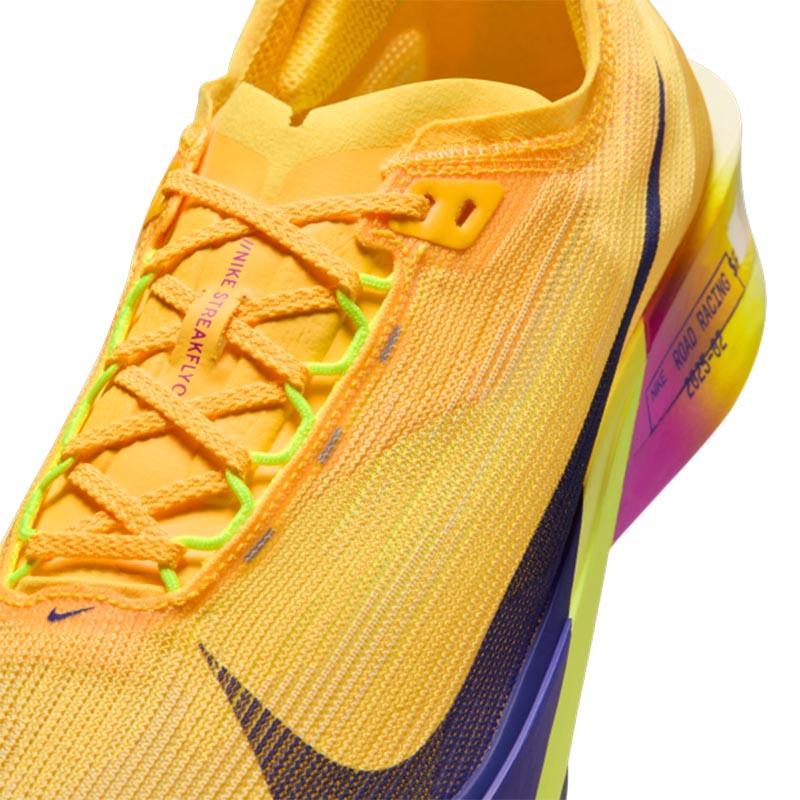
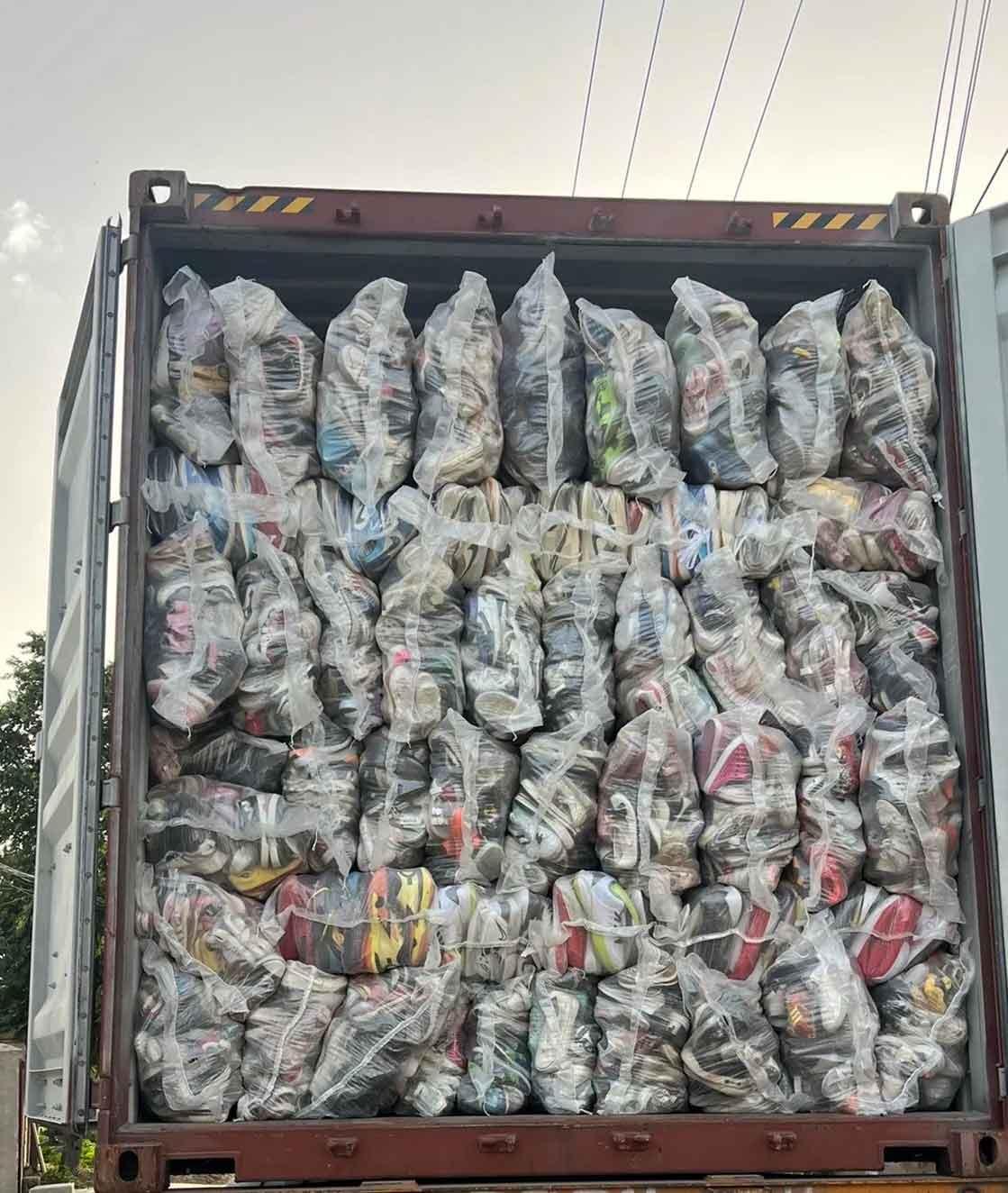
For an individual pair, inspect promptly under the seller's permitted process and preserve return evidence. For wholesale, preselect ordinary coded units and compare accepted-pair yield, condition reasons, visible sizes, packing and unit variation.
A trial should answer the uncertainty that matters: midsole state, size distribution, preparation load or customer lane. Do not scale because selected examples looked clean.
prompt condition review
ordinary unit spread
named uncertainty
reproducible result
Buy when the observed state, fit evidence, terms and total cost support the intended lane. Hold when a material field can be answered. Decline when structure fails, uncertainty is too important or the price advantage disappears after work and downside.
Keep the record dated because inventory and offers change. The same pair can be poor value for demanding use and acceptable for a lower supported lane; describe that boundary rather than calling it universally worth it.
supported lane
answerable gap
failed value boundary
date and owner
Request actual-pair images, mate labels, outsole and midsole views, upper and interior condition, preparation state, price basis and return or claim terms. Wholesale buyers should add ordinary sampling, released size cells, unit packing and receiving evidence.
Ask the seller to identify unknown fields. A transparent unknown can be priced or routed to a trial; an invented mileage or blanket performance promise cannot be audited.
actual current evidence
named review fields
price and terms
explicitly marked
No. Exact previous distance is often unavailable and does not replace current condition evidence.
Not when structure, fit, preparation or downside cost defeats the intended use.
No. Preparation does not replace consumed outsole or midsole properties.
When a small test can answer a material condition, size, work or customer-lane uncertainty.
Actual-pair condition, known preparation, price basis, terms and clearly marked unknowns.
A used running shoe is worth buying only for a lane its present evidence can support. The used sneakers wholesale category defines the broad category; the exact-pair value file controls the purchase decision.

Direct Factory Supplier of Used Shoes For African Markets In China
 Tel: +8618606960861
 Email: info@usedshoeswholesale.com
 MP/WhatsApp: +8618606960861
 Manufacturer Address:Cizao Town, Jinjiang City, Quanzhou City, Fujian Province