Author:Used Wholesale Manufacturer TIME:2026-08-11
Bale versus sorted load cost ledger
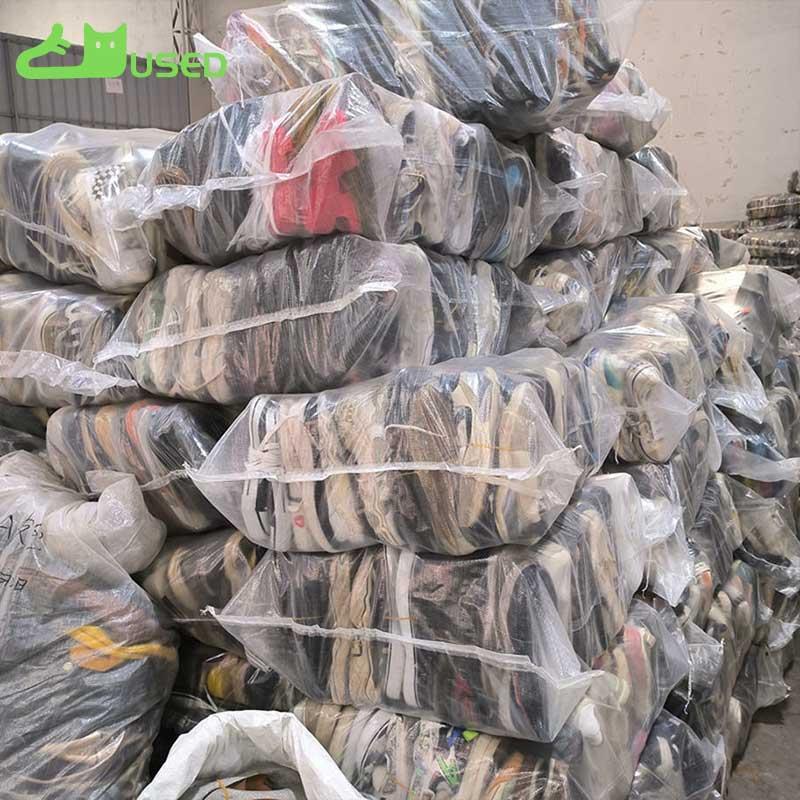
Used shoe bales and sorted loads can move different work, selection and risk between supplier and importer. A fair landed-cost comparison defines exactly what each format contains, keeps weight and pairs separate, measures accepted yield and local processing, values assortment and packing, and records route costs on the same delivery basis. The cheaper invoice line is not necessarily the lower cost per sale-ready pair.
For each offer, record source stock, grade, category separation, marked-size handling, preparation, pair count basis, compression, unit weight, label, document and inspection scope. Bale can mean mixed compressed inventory or a selected coded unit; sorted load can range from broad category separation to pair-level cells.
Avoid comparing names. Compare the work and tolerances the contract actually assigns. List excluded products, substitutions and unsupported cells.
grade and category
supplier work
bale pair or weight
written variance
The worksheet holds both routes to the same physical and commercial boundaries.
| Cost layer | Bale record | Sorted-load record | Common denominator |
|---|---|---|---|
| Product | Defined mixed unit | Defined selected unit | Same grade rule |
| Freight | Actual weight and volume | Actual weight and volume | Same delivery point |
| Local work | Measured sort and prep | Measured verify and prep | Accepted pairs |
| Assortment | Released allocated cells | Released allocated cells | Current channel matrix |
| Variance | Unit range and claims | Unit range and claims | Receiving evidence |
The selected format should win on the buyer's complete operating ledger, not on invoice shorthand.
Preselect ordinary units from each route and reconcile complete pairs, physical release, routine preparation, downgrade, hold, reject and mismatch. Preserve the unit range and do not rely only on a blended average.
Keep kilograms, bales and pairs as separate measures. Use a current sampled conversion for planning and label its range. The accepted-pair denominator should follow the same condition rule for both offers.
quoted unit
complete mates
same grade boundary
strong and weak units

Record origin handling, inland movement, loading, ocean or other freight, insurance where applicable, destination charges, customs, inland delivery and timing on the same basis. Confirm current requirements and charges through qualified sources.
Compression may change volume efficiency while sorted packing may change count visibility or damage risk. Use actual unit dimensions, weights and booking evidence rather than a universal loading claim.
to loading point
dated booked basis
to receiving point
inventory exposure
Measure unload, opening, pair recovery, condition grading, category or size allocation, cleaning, permitted repair, drying, repacking and reject handling. Attach labor and material inputs to actual outcomes.
A bale may require more local sorting but offer flexibility; a sorted load may reduce work only when its cells and grade arrive as agreed. Hidden unpaid labor should not create an artificial cost advantage.
unload and count
pair grade and cell
task and outcome
retail or wholesale unit
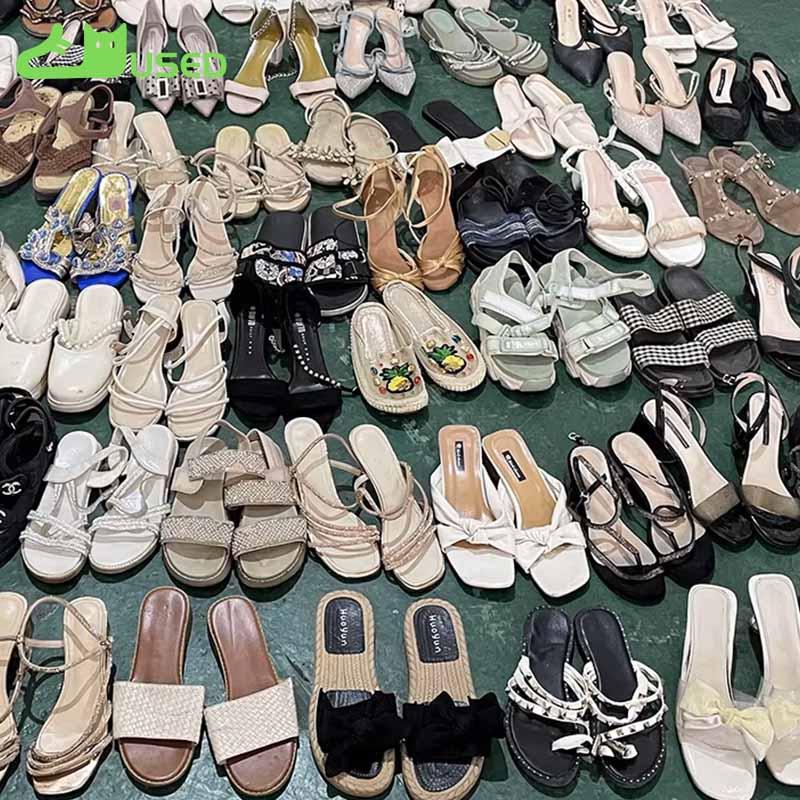
Compare released category and visible marked-size cells with current channel requirements. Record unallocated or slow cells and any selection premium. A high accepted yield can still perform poorly when the format concentrates stock outside the buyer's lanes.
Do not assign a guaranteed sell-through value. Use dated outlet records and a labeled downside case for weaker allocation or delayed sale.
physical pass
current channel cell
age or no lane
supplier selection cost
Record unit-to-unit grade variation, packing errors, moisture, label accuracy, document differences, claim window, reinspection and corrective work. Keep commercial remedy separate from physical disposition.
Include inventory days, storage, cash tied in work and the cost of a trial. Do not convert uncertain risks into false precision; show a range and the evidence that could narrow it.
unit-level spread
window and evidence
stock age and cash
scenario range

Use dated source inputs for both formats and calculate product, freight, destination, work and exclusion cost per accepted pair. Add allocation or selling scenarios separately so product cost is not confused with promised revenue.
At receiving, replace estimates with actual counts and retain the original plan. Investigate which format field caused a material variance before changing the next order.
current supported inputs
named downside
receiving replacement
field and owner
Choose bales when the buyer's local sorting capability and market breadth can support the measured work and variation. Choose sorted loads when verified selection and packing reduce a real operational constraint enough to justify the premium. These are decision conditions, not universal recommendations.
For the inquiry, send both format definitions, grade, sample spread, mixed cells, packing, loading, documents and claim fields. Ask suppliers to quote on the same basis and identify unsupported requirements.
local work available
selection value
ordinary coded units
documented format reason
No. Compare total route, work, yield, mix and variance per accepted pair.
No. Verify current grade, cells, packing and unit consistency.
Only with a current supported sample range; keep the original units visible.
Record unallocated cells, age and labeled scenarios without promising resale.
Ordinary units under the same grade, route, receiving and cost fields.
Bales and sorted loads become comparable only after work, yield and risk share one ledger. The used shoes wholesale category defines product scope; accepted-pair landed cost determines the better format for this buyer.






Direct Factory Supplier of Used Shoes For African Markets In China
 Tel: +8618606960861
 Email: info@usedshoeswholesale.com
 MP/WhatsApp: +8618606960861
 Manufacturer Address:Cizao Town, Jinjiang City, Quanzhou City, Fujian Province