Author:Used Wholesale Manufacturer TIME:2026-08-11
Used shoe bale payment control
Rejecting a low-quality used shoe bale before payment is a contract and evidence decision, not a reaction to one attractive or damaged pair. The buyer needs a written lot identity, an agreed sampling route, ordinary stock evidence, measurable acceptance limits and authority to stop. This approach does not promise that a sample predicts every pair; it creates a documented basis for release, correction or rejection before funds move.
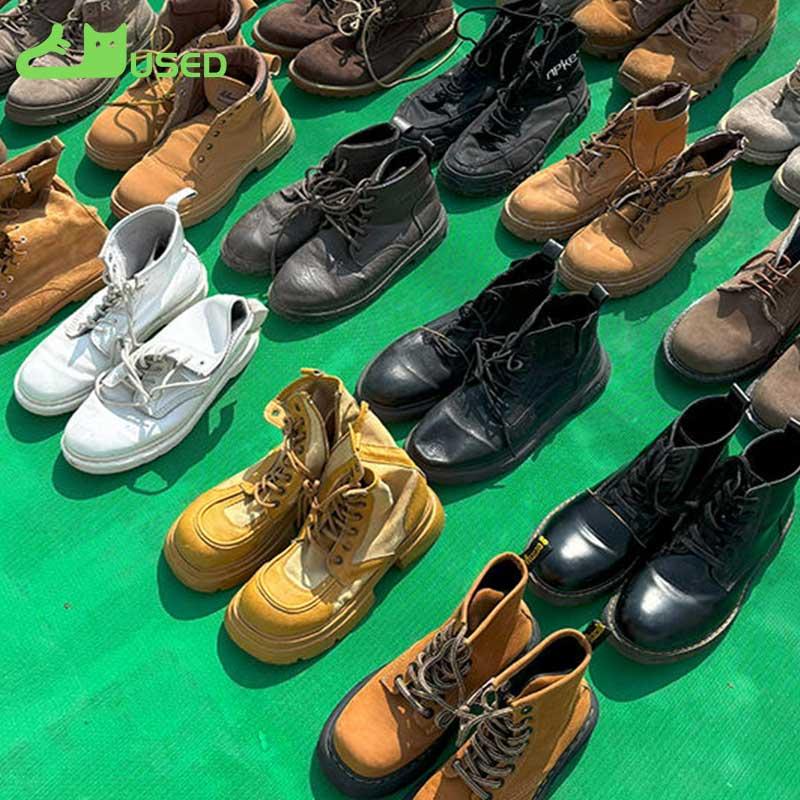
Translate labels such as Grade A, cream or export quality into observable limits for paired status, structural failures, upper damage, outsole wear, contamination holds, prohibited categories, size or category concentration and packing condition. Record whether limits apply per sampled pair, bale, sub-lot or shipment.
Name the exact lot, proposed bale count, nominal weight basis, packing format, inspection point and party allowed to approve a variance. A buyer cannot enforce an unstated definition after a dispute begins.
code and quantity
observable thresholds
category and size limits
named release owner
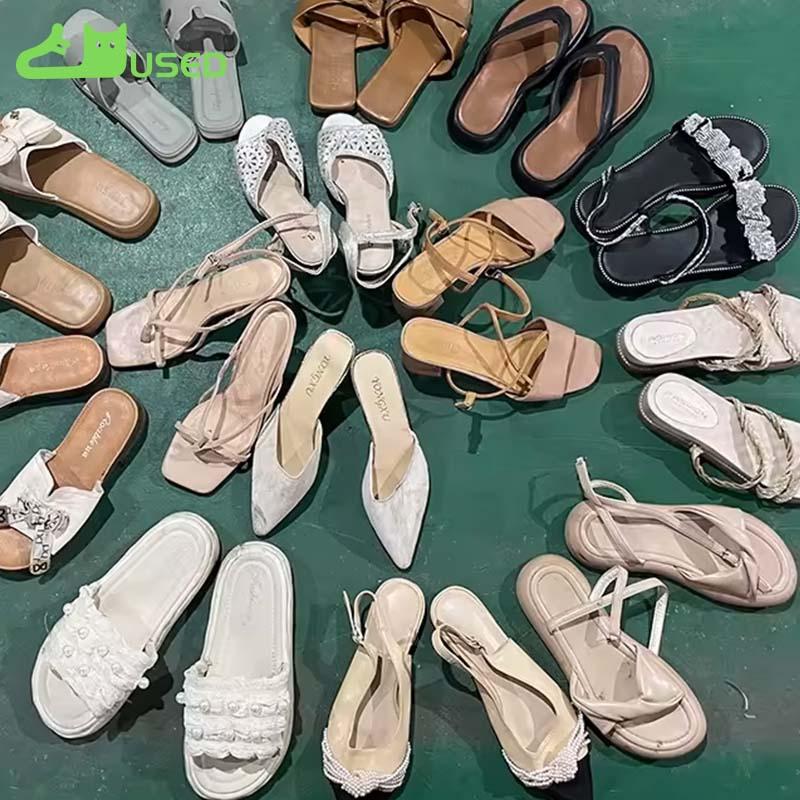
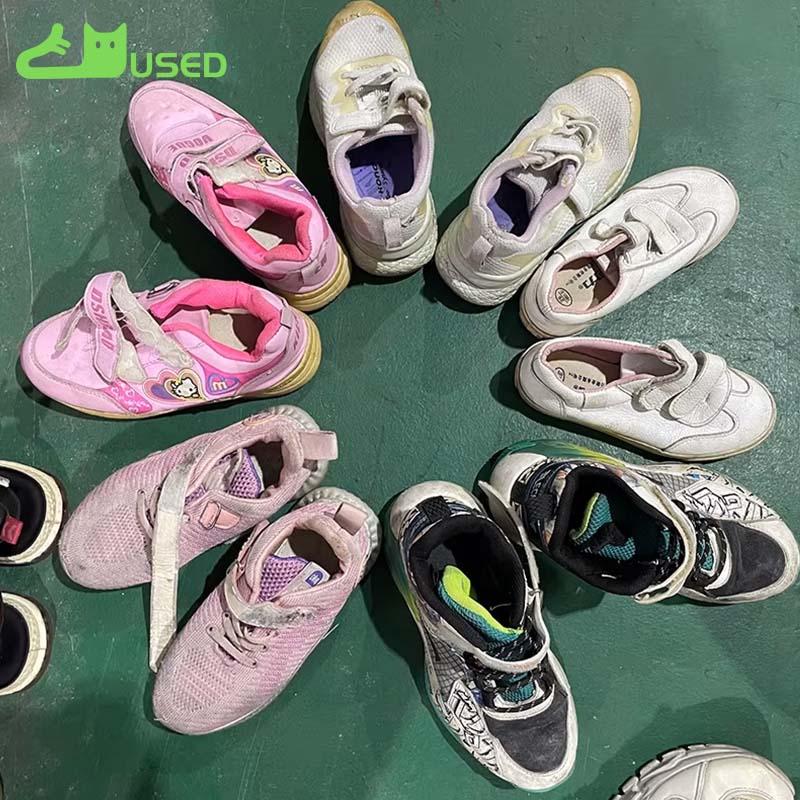
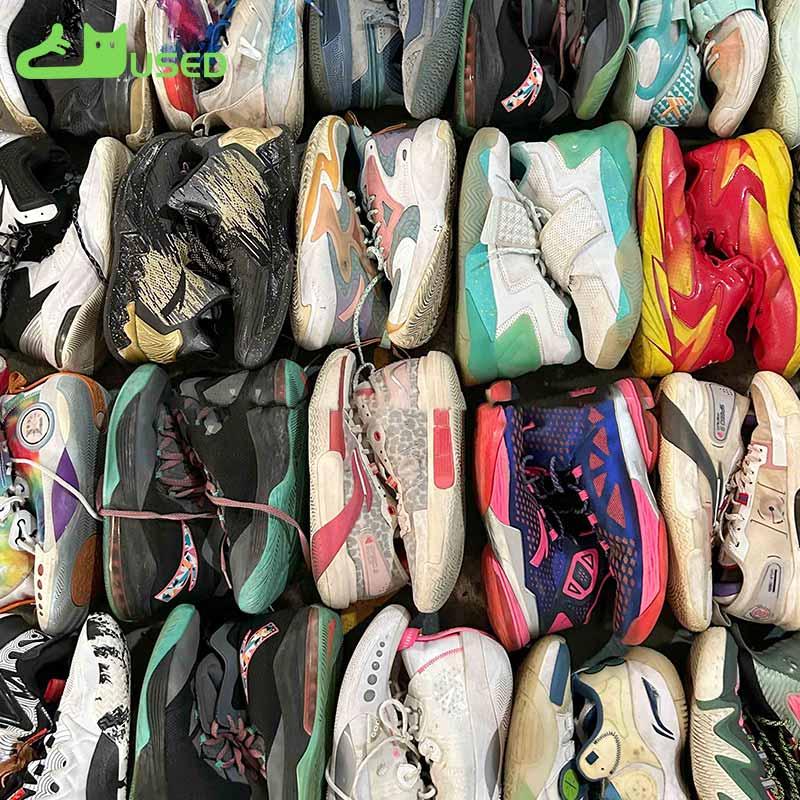
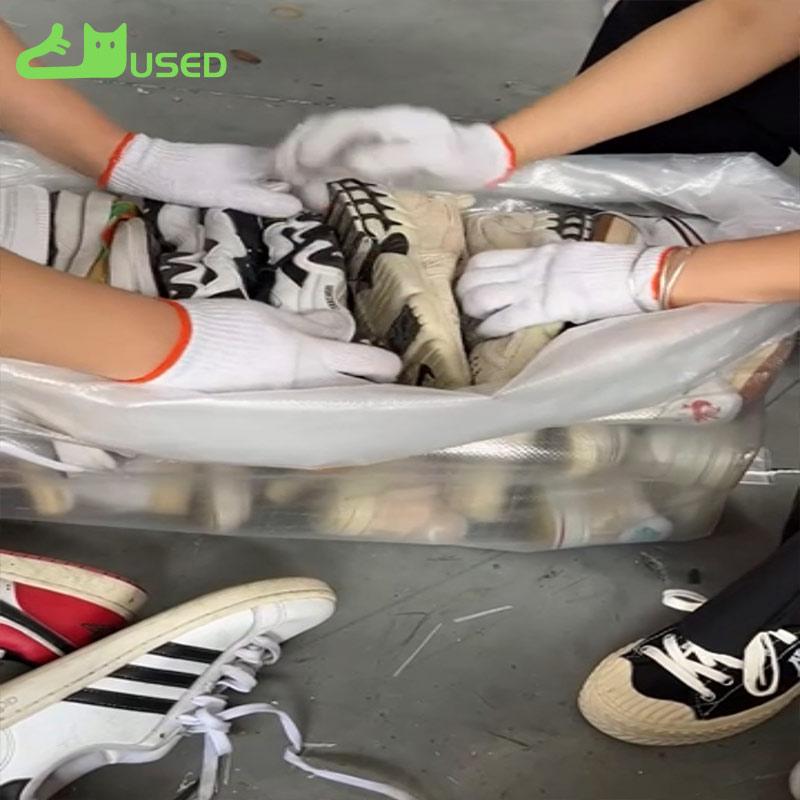
Define how bales, positions and pairs enter the sample. Ask for sealed-unit identifiers before selection where practical, then choose across ordinary production rather than from a presentation pile. Keep the supplier's sample, buyer-selected sample and excluded units distinguishable.
Record the frame, selection instruction, date, uncut bale state and any inaccessible area. A sample that changes after selection, omits requested ordinary units or cannot be tied to the quoted lot is incomplete evidence.
named shipment or sub-lot
buyer-controlled route
different units and positions
unseen stock recorded
Review timestamps where available, unit codes, backgrounds, bale marks, scale displays, packing sequence and repeated pairs. Compare wide views with close condition views. Ask for continuous evidence only when it answers a defined uncertainty; more images are not automatically better.
Hold the payment decision when files appear recycled, edited beyond normal handling, detached from the lot code or inconsistent with weight and count records. The supplier should explain the mismatch with new traceable evidence rather than a verbal assurance.
current production window
same bale and lot
wide and close views reconcile
open exception
The board keeps a visible distinction between incomplete proof, correctable variance and a true stop condition.
| Gate | Evidence to close | Correctable response | Stop condition |
|---|---|---|---|
| Specification | Signed observable limits | Clarify before production | No common acceptance basis |
| Selection | Recorded ordinary-stock frame | Resample correctly | Selected stock withheld or changed |
| Condition | Counted findings by unit | Rework and resample | Structural failure exceeds limit |
| Packing | Weights, labels and seals reconcile | Correct and relabel | Traceability cannot be restored |
| Payment | Authorized release record | Amend terms in writing | Open material exception |
The buyer rejects evidence or stock for a recorded reason, not because the negotiation feels uncertain.
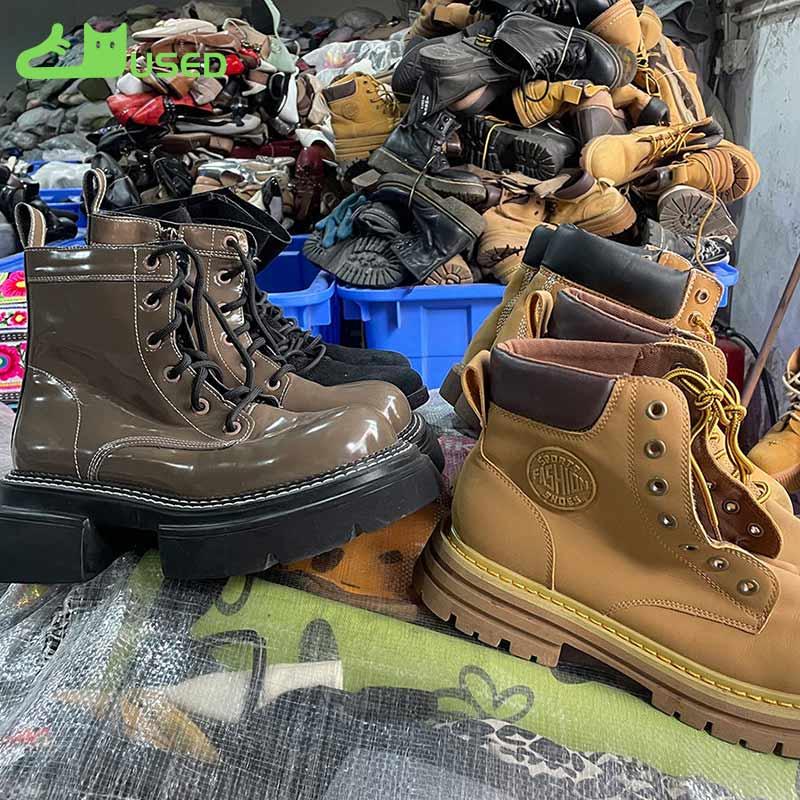
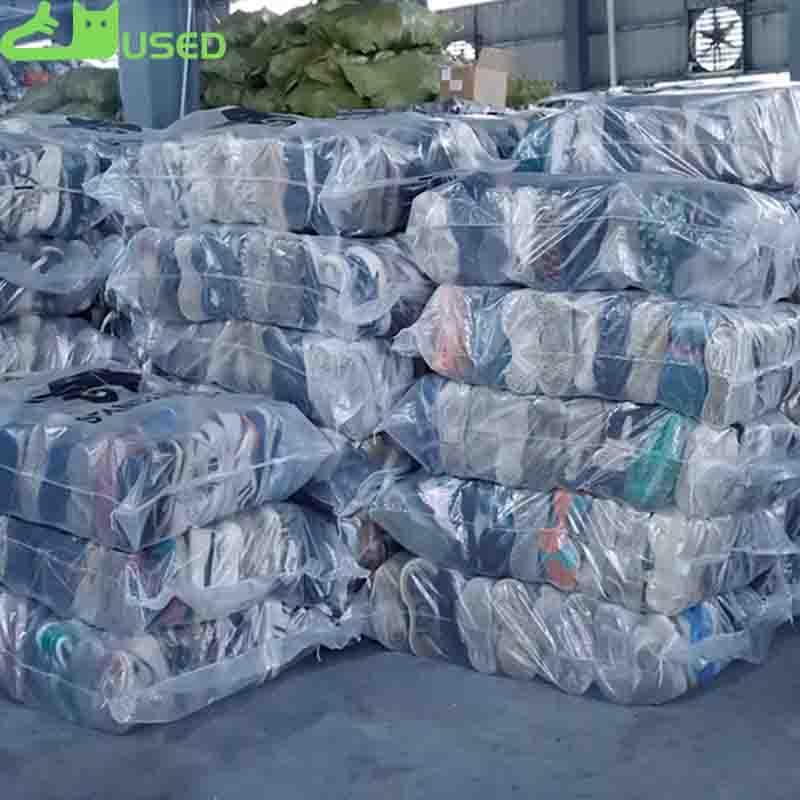
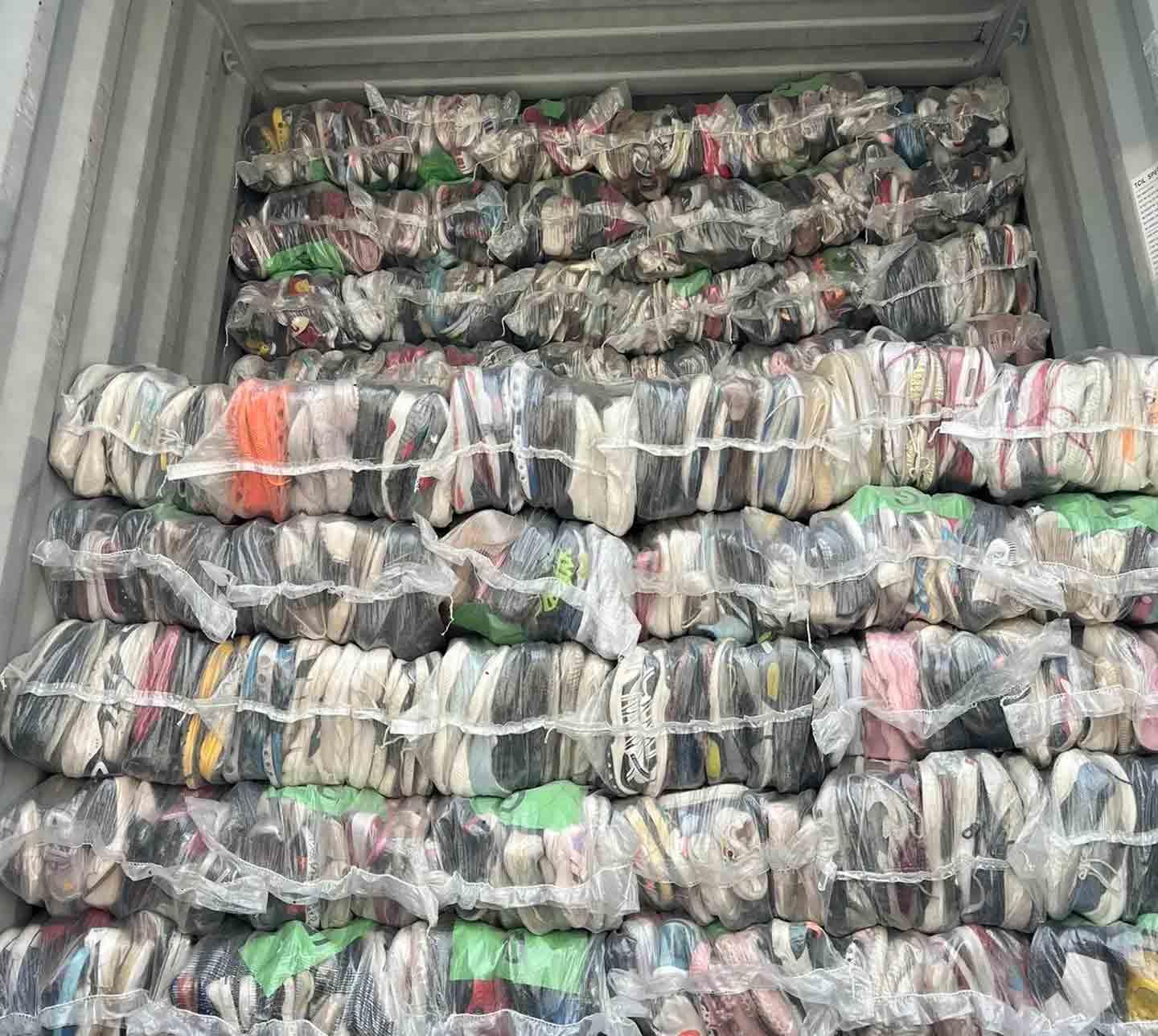
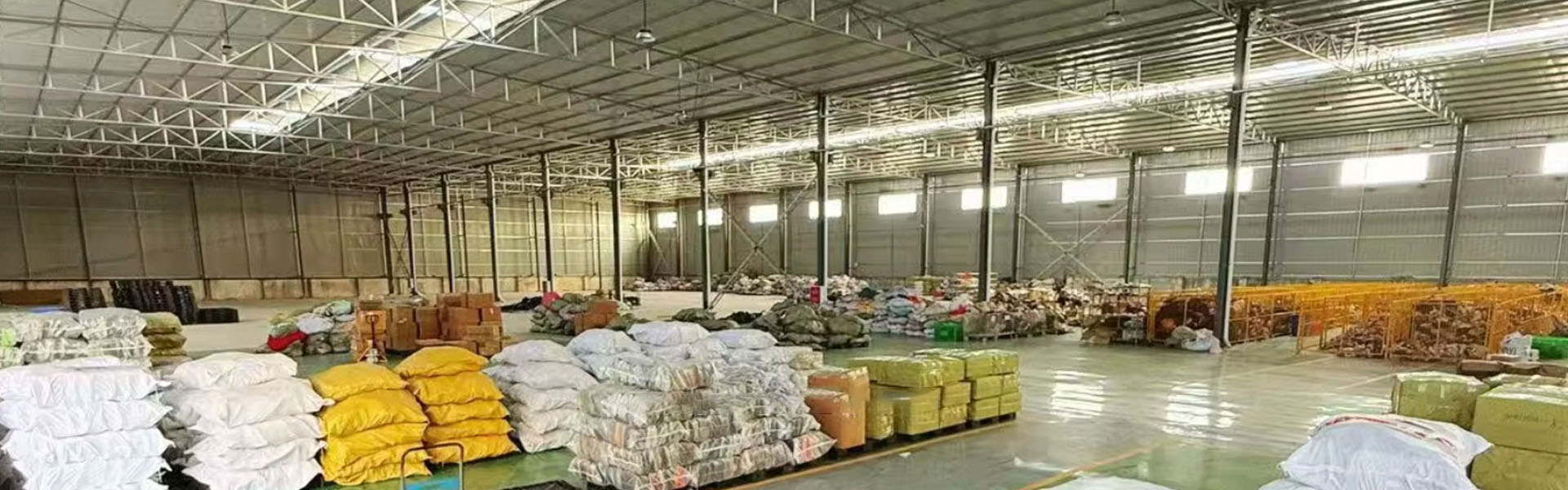
Inspect bale fabric or wrapping, straps, labels, seals, moisture signs, tears and evidence of reopening. Compare measured unit weights with the agreed tolerance and investigate clusters, not only the average. Weight is a packing-control signal; it does not prove pair count or quality by itself.
Ask how completed bales are separated from rework and rejected stock. Record every reopened unit and why it was reopened. Repacking without traceability can break the chain between inspected pairs and the paid shipment.
damage and moisture screen
unit-level pattern
inspection-to-loading identity
reason and new code
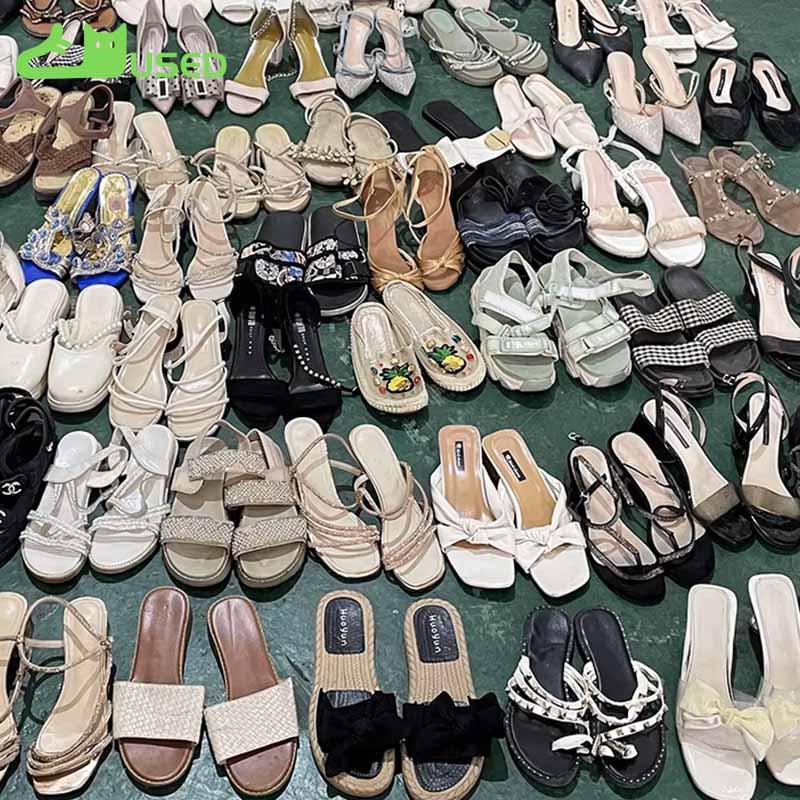
Log each observation against the contract line, sampled unit and evidence file. Classify it as acceptable, downgrade, correct-and-resample, commercial variance for approval, hold or reject. Keep counts and clusters visible by bale and defect type.
A corrective action should state affected stock, responsible party, completion evidence and new sampling rule. Repeated structural failures, unexplained substitution, inaccessible selected stock or broken traceability can justify stopping rather than negotiating around the sample.
contract line
pair, bale or sub-lot
correct, hold or reject
new proof and reviewer
Map deposit, production release, balance and loading approval to the agreed commercial terms. State which documents or inspections must close before each step. Do not describe escrow, letters of credit or another payment tool as risk-free; suitability depends on the parties, bank or platform terms and transaction.
If an exception is accepted, record the changed price, quantity, grade, replacement, timing or claim route in an authorized amendment. Never let a messaging thread silently replace the purchase specification.
defined commitment
evidence gate closed
authorized amendment
no silent release

The final file should include the accepted specification, bale list, sample frame, evidence index, exception ledger, approvals, payment status, packing record and receiving instructions. Receiving must know which units were inspected and what variance was accepted.
For the next inquiry, request a current ordinary-stock sample, unit weights, bale identifiers, packing sequence and correction route. A concise evidence request is more useful than asking a supplier to promise best quality.
commercial decision
release evidence
sealed unit list
recheck plan
Not by default. The sample frame should reflect the lot structure and the buyer's agreed risk limit.
No. Weight helps test packing consistency but does not establish condition, count or mix.
Define the affected stock, correction evidence and a new sampling route before release.
Payment timing depends on the negotiated terms; each step should still have a documented evidence gate.
When the recorded lot fails an agreed material limit or traceability prevents verification.
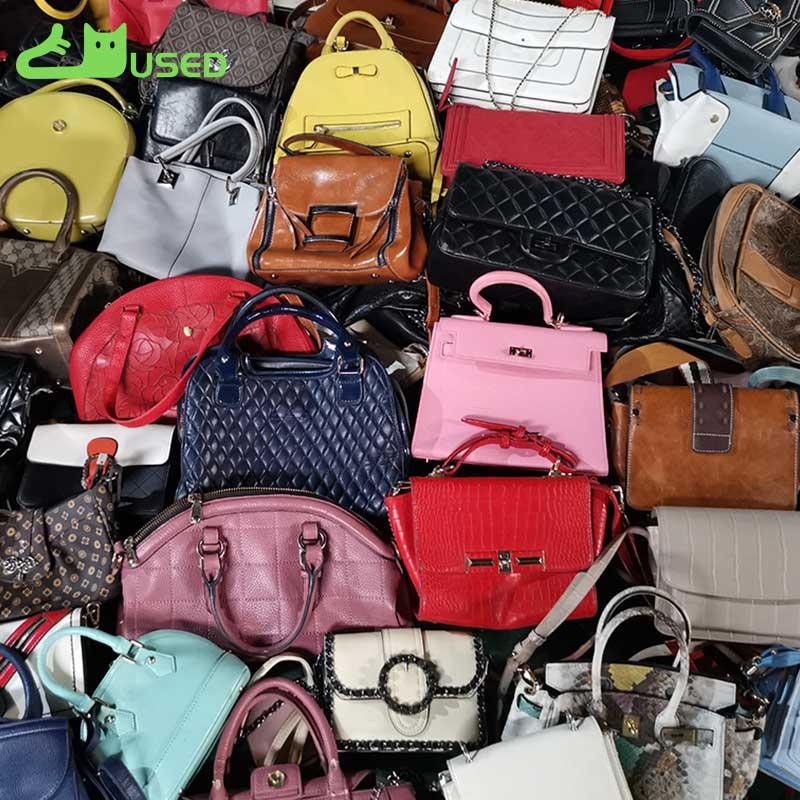
A defensible pre-payment rejection is built from a written stop file. The used mixed shoes wholesale category identifies the product family; lot identity, ordinary sampling and closed payment gates determine whether the shipment advances.

Direct Factory Supplier of Used Shoes For African Markets In China
 Tel: +8618606960861
 Email: info@usedshoeswholesale.com
 MP/WhatsApp: +8618606960861
 Manufacturer Address:Cizao Town, Jinjiang City, Quanzhou City, Fujian Province