Language
YOUR POSITION:HOME > Blog >

Checklist for Inspecting used shoes for sale Bale Packing Before Shipping

Author:Used Wholesale Manufacturer TIME:2026-07-23

MENU

used shoe bale packing inspection before shipping should be understood through a specific buyer situation: baled used shoes for sale must be inspected before payment, container loading, or final supplier release. The purpose of this guide is to help used shoes importer checking shipment quality before loading make a clearer decision when the supplier, product, or shipment looks acceptable at first glance but still carries practical risk.

The central problem is poor bale packing hides moisture, grade mix errors, crushed pairs, or missing labels until the container arrives. That problem is not solved by changing a few words in a quote. It is solved by asking better questions, checking physical evidence, and connecting each specification to the way the product will be used, installed, packed, shipped, or resold.

This version uses a inspection checklist structure, so the headings, examples, and verification points are written for this exact topic. The goal is a page that can answer search questions, support AI search summaries, and still feel like it came from practical buying experience rather than a repeated content shell.


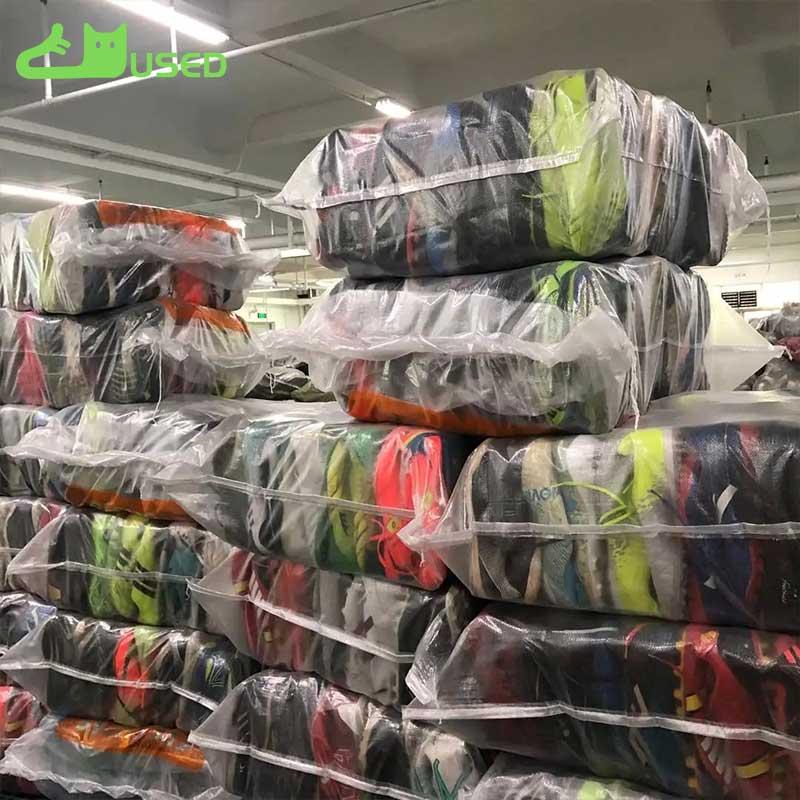
bale inspection purpose before shipment

bale inspection protects the buyer from quality surprises that are difficult to fix after export In this article, used shoe bale packing inspection before shipping is treated as a practical decision problem instead of a loose keyword phrase. For used shoes for sale importer checking shipment quality before loading, the commercial question is whether the bale lot is acceptable for shipment or needs rework. The answer must connect supplier evidence with resale conditions in the target market.

The main variables are grade mix, compression, moisture, labeling, pair count, and loading order. These details should be described in supplier notes, sample checks, or acceptance records because they are the points where a normal purchase can turn into rework, delay, or slow resale. A buyer who records these variables can compare offers without depending on vague wording.

Importers often focus on shoe appearance in open piles and forget that the final bale condition decides how the goods arrive. This is the kind of field observation that makes the article more useful than a rewritten product description. It gives the buyer a concrete action: ask for evidence, test the condition, and decide whether the result matches the real use case.

A useful review should also separate critical failure from normal adjustment. Critical failure blocks acceptance, while normal adjustment can be written into a follow-up note with a person responsible and a date. That distinction keeps the discussion professional and helps both buyer and supplier solve the actual issue.

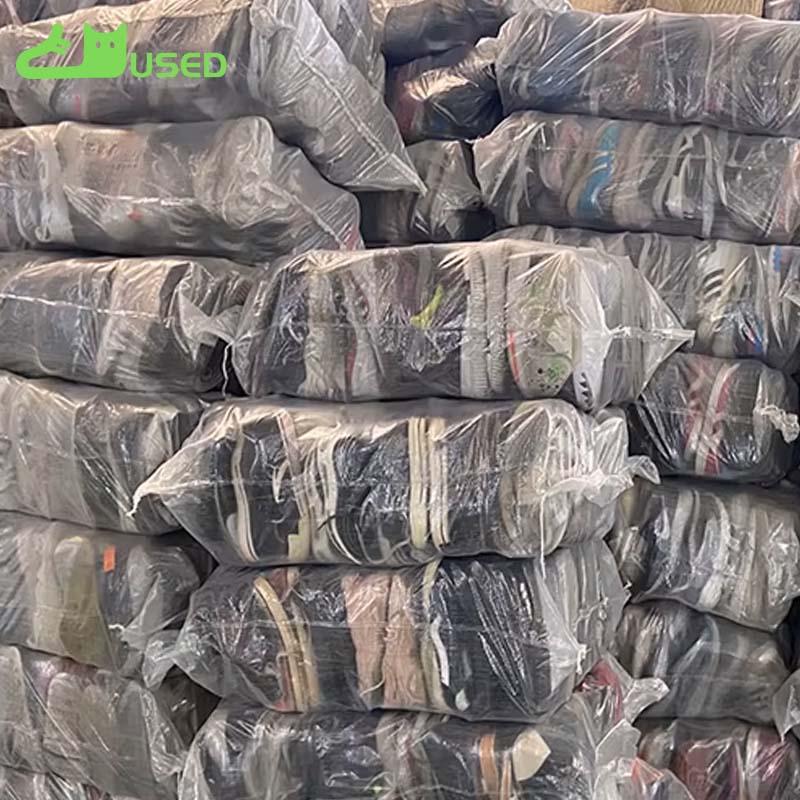
outer wrapping and label evidence

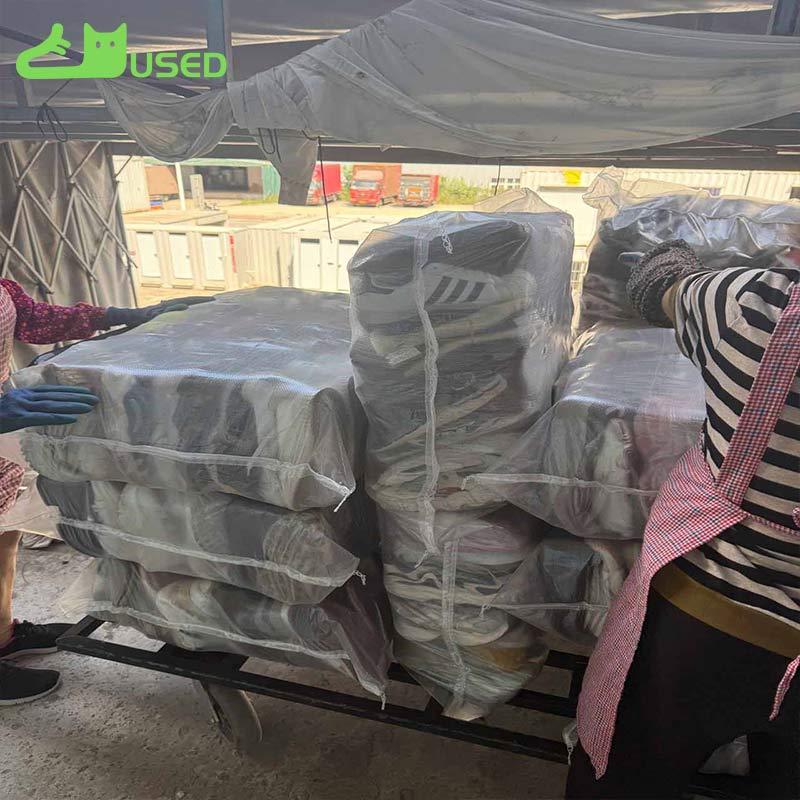
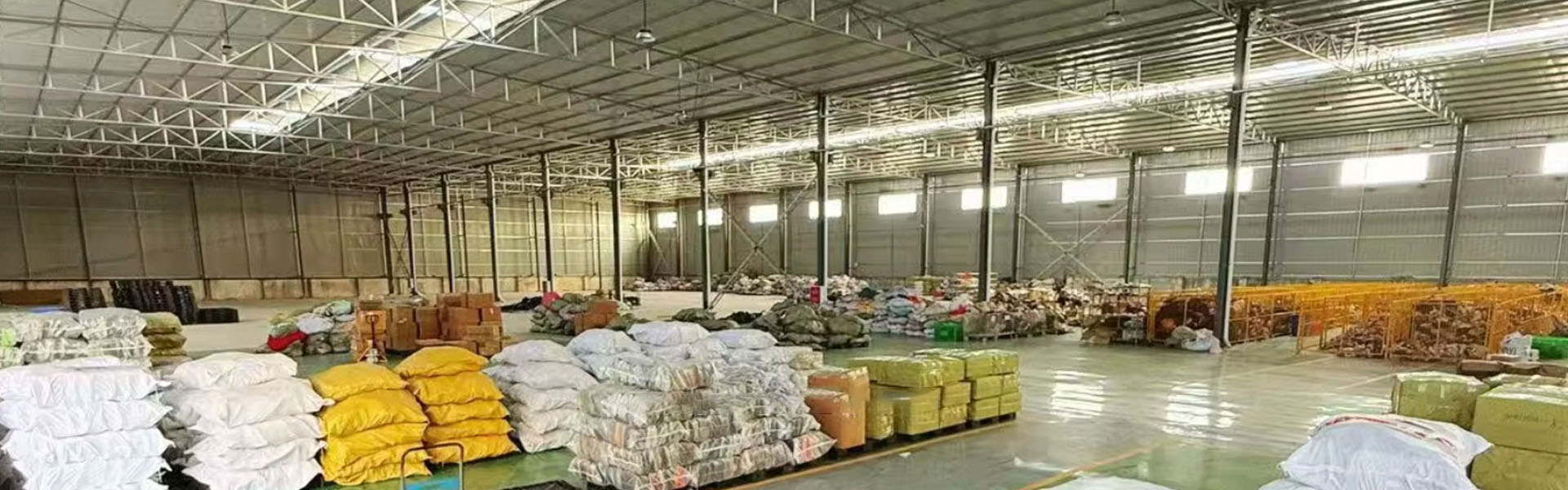
the outside of the bale should show traceability before the buyer asks what is inside In this article, used shoe bale packing inspection before shipping is treated as a practical decision problem instead of a loose keyword phrase. For used shoes for sale importer checking shipment quality before loading, the commercial question is whether the bale lot is acceptable for shipment or needs rework. The answer must connect supplier evidence with resale conditions in the target market.

The main variables are bale number, grade mark, weight mark, plastic wrap, strap condition, and supplier label. These details should be described in supplier notes, sample checks, or acceptance records because they are the points where a normal purchase can turn into rework, delay, or slow resale. A buyer who records these variables can compare offers without depending on vague wording.

Clear labels help later warehouse sorting and reduce arguments when several grades are loaded in the same container. This is the kind of field observation that makes the article more useful than a rewritten product description. It gives the buyer a concrete action: ask for evidence, test the condition, and decide whether the result matches the real use case.

The buyer should avoid judging this point from one polished photo. A short sample video, close-up image, written setting, opened bale, or repeated test usually reveals more than a broad claim. The goal is not to make the checklist longer; the goal is to make the decision less dependent on hope.

When the buyer needs a product reference while checking this topic, the most natural next step is to compare used mixed shoes wholesale bales for import buyers against the evidence described in this guide, then ask the supplier to confirm the same details in the quotation or sample review.

693d0b93126e3.jpg

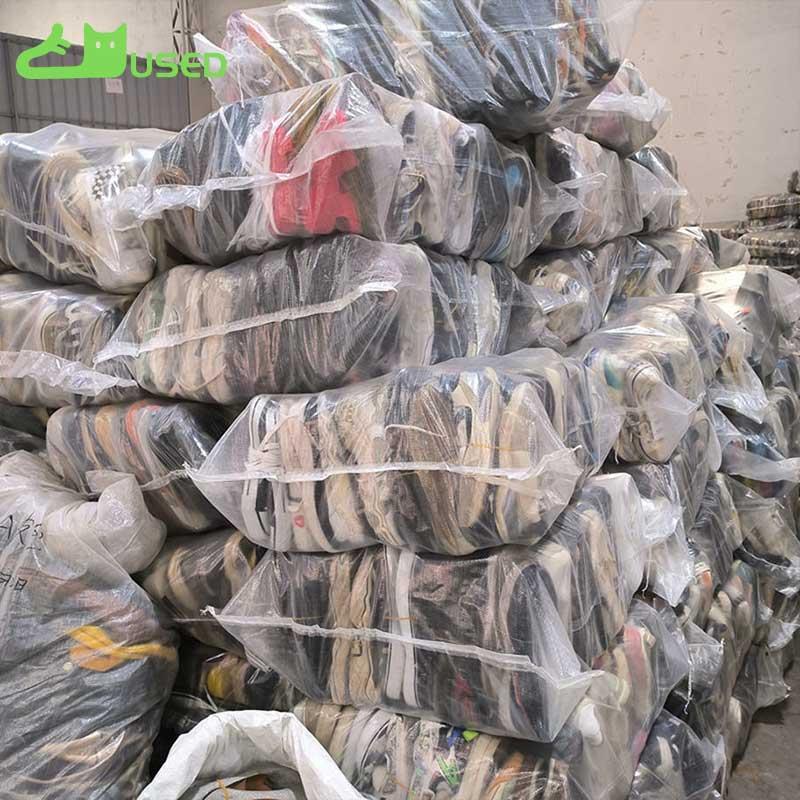
compression, shape, and pair damage

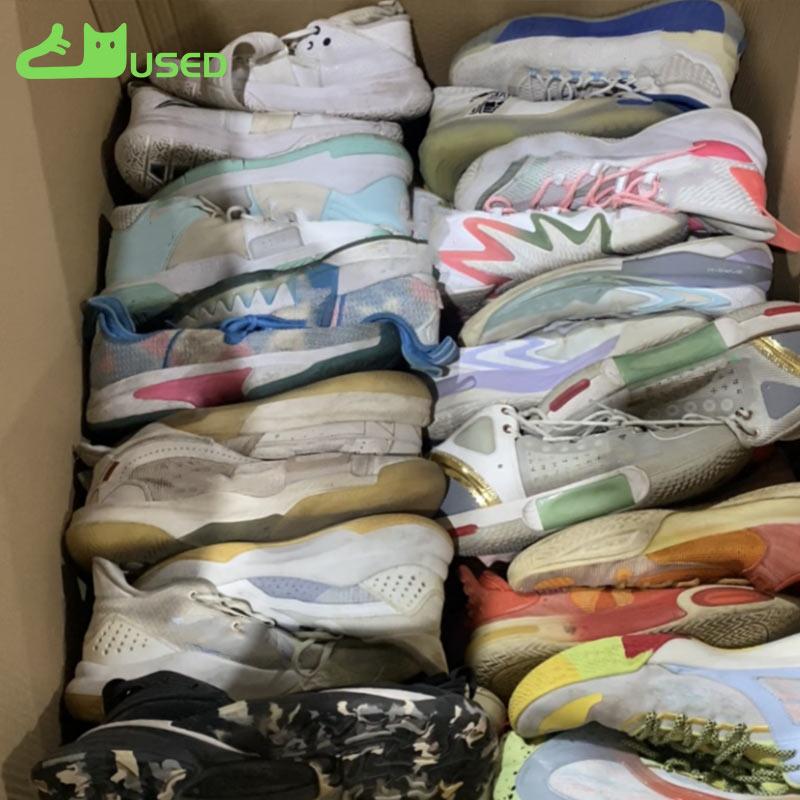
over-compression can make loading efficient but damage shoes that still have resale value In this article, used shoe bale packing inspection before shipping is treated as a practical decision problem instead of a loose keyword phrase. For used shoes for sale importer checking shipment quality before loading, the commercial question is whether the bale lot is acceptable for shipment or needs rework. The answer must connect supplier evidence with resale conditions in the target market.

The main variables are heel crushing, upper deformation, sole bending, strap pressure, and bale corners. These details should be described in supplier notes, sample checks, or acceptance records because they are the points where a normal purchase can turn into rework, delay, or slow resale. A buyer who records these variables can compare offers without depending on vague wording.

During bale reviews, the buyer should open a few compressed edges because damage often appears at the corners first. This is the kind of field observation that makes the article more useful than a rewritten product description. It gives the buyer a concrete action: ask for evidence, test the condition, and decide whether the result matches the real use case.

A useful review should also separate critical failure from normal adjustment. Critical failure blocks acceptance, while normal adjustment can be written into a follow-up note with a person responsible and a date. That distinction keeps the discussion professional and helps both buyer and supplier solve the actual issue.


moisture and odor risk before loading

moisture risk should be checked before sealing a container, especially for long sea routes In this article, used shoe bale packing inspection before shipping is treated as a practical decision problem instead of a loose keyword phrase. For used shoes for sale importer checking shipment quality before loading, the commercial question is whether the bale lot is acceptable for shipment or needs rework. The answer must connect supplier evidence with resale conditions in the target market.

The main variables are wet pairs, mold smell, plastic condensation, humid floor, and drying time. These details should be described in supplier notes, sample checks, or acceptance records because they are the points where a normal purchase can turn into rework, delay, or slow resale. A buyer who records these variables can compare offers without depending on vague wording.

A bale that smells slightly damp in the warehouse can become a serious complaint after weeks inside a closed container. This is the kind of field observation that makes the article more useful than a rewritten product description. It gives the buyer a concrete action: ask for evidence, test the condition, and decide whether the result matches the real use case.

The buyer should avoid judging this point from one polished photo. A short sample video, close-up image, written setting, opened bale, or repeated test usually reveals more than a broad claim. The goal is not to make the checklist longer; the goal is to make the decision less dependent on hope.

Decision pointEvidence to collectRisk if ignoredBuyer action
used shoe bale packing inspection before shippingPhotos, sample notes, settings, or opened-lot evidencepoor bale packing hides moisture, grade mix errors, crushed pairs, or missing labels until the container arrivesConfirm the evidence before approval
baled used shoes for sale must be inspected before payment, container loading, or final supplier releaseReal use simulation rather than showroom-only judgmentGood sample may fail in daily useTest the condition in the intended scenario
whether the bale lot is acceptable for shipment or needs reworkWritten pass or hold conditionPayment or shipment may move before defects are clearRecord who will correct each open item

bale inspection table for importers

a visible table makes inspection repeatable across suppliers and shipment dates In this article, used shoe bale packing inspection before shipping is treated as a practical decision problem instead of a loose keyword phrase. For used shoes for sale importer checking shipment quality before loading, the commercial question is whether the bale lot is acceptable for shipment or needs rework. The answer must connect supplier evidence with resale conditions in the target market.

The main variables are check item, acceptable sign, warning sign, evidence photo, and buyer action. These details should be described in supplier notes, sample checks, or acceptance records because they are the points where a normal purchase can turn into rework, delay, or slow resale. A buyer who records these variables can compare offers without depending on vague wording.

The table should be used on random bales from different stack positions, not only on the neatest sample bale. This is the kind of field observation that makes the article more useful than a rewritten product description. It gives the buyer a concrete action: ask for evidence, test the condition, and decide whether the result matches the real use case.

A useful review should also separate critical failure from normal adjustment. Critical failure blocks acceptance, while normal adjustment can be written into a follow-up note with a person responsible and a date. That distinction keeps the discussion professional and helps both buyer and supplier solve the actual issue.

69329416776b1.jpg

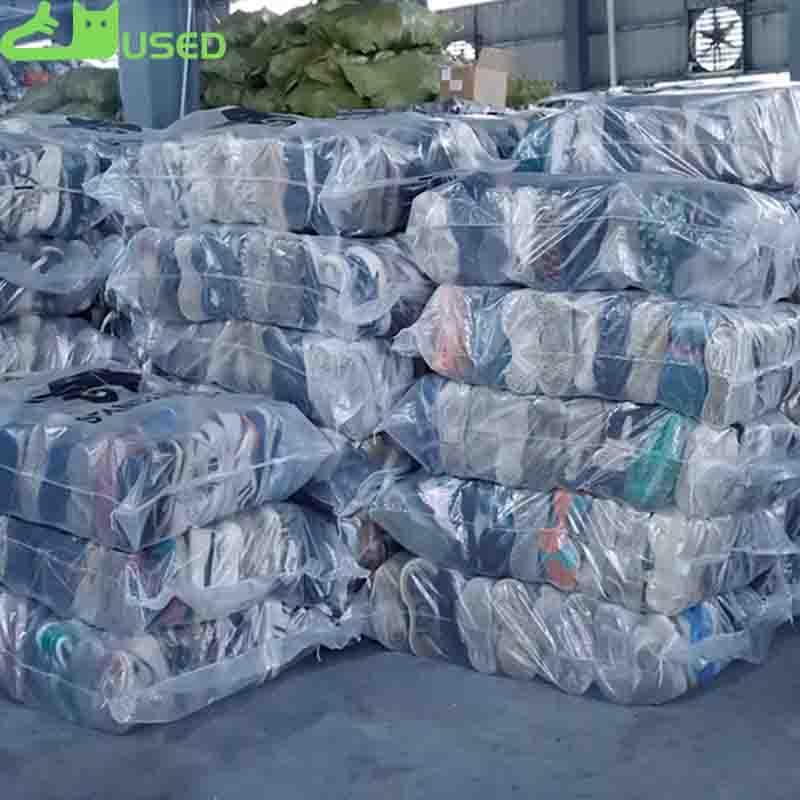
loading sequence and grade separation

good packing also means the right bales are easy to identify when the container is opened In this article, used shoe bale packing inspection before shipping is treated as a practical decision problem instead of a loose keyword phrase. For used shoes for sale importer checking shipment quality before loading, the commercial question is whether the bale lot is acceptable for shipment or needs rework. The answer must connect supplier evidence with resale conditions in the target market.

The main variables are grade zones, market labels, unloading priority, and warehouse sorting plan. These details should be described in supplier notes, sample checks, or acceptance records because they are the points where a normal purchase can turn into rework, delay, or slow resale. A buyer who records these variables can compare offers without depending on vague wording.

Importers serving several markets should avoid mixing bale types so tightly that local staff waste days identifying them. This is the kind of field observation that makes the article more useful than a rewritten product description. It gives the buyer a concrete action: ask for evidence, test the condition, and decide whether the result matches the real use case.

The buyer should avoid judging this point from one polished photo. A short sample video, close-up image, written setting, opened bale, or repeated test usually reveals more than a broad claim. The goal is not to make the checklist longer; the goal is to make the decision less dependent on hope.


FAQ for used shoe bale inspection

inspection questions usually appear when buyers prepare a balance payment or container booking In this article, used shoe bale packing inspection before shipping is treated as a practical decision problem instead of a loose keyword phrase. For used shoes for sale importer checking shipment quality before loading, the commercial question is whether the bale lot is acceptable for shipment or needs rework. The answer must connect supplier evidence with resale conditions in the target market.

The main variables are sample rate, moisture, bale weight, photos, and rework decision. These details should be described in supplier notes, sample checks, or acceptance records because they are the points where a normal purchase can turn into rework, delay, or slow resale. A buyer who records these variables can compare offers without depending on vague wording.

A practical checklist creates enough evidence to approve, reject, or request correction without emotional negotiation. This is the kind of field observation that makes the article more useful than a rewritten product description. It gives the buyer a concrete action: ask for evidence, test the condition, and decide whether the result matches the real use case.

A useful review should also separate critical failure from normal adjustment. Critical failure blocks acceptance, while normal adjustment can be written into a follow-up note with a person responsible and a date. That distinction keeps the discussion professional and helps both buyer and supplier solve the actual issue.

FAQ

How many bales should be opened?

Use a random sample from different positions and grades. The exact number depends on order size and supplier history. The buyer should connect the answer to the actual order details, because the same phrase can mean different things when product condition, installation site, material, or market demand changes.

Is bale weight enough to prove quality?

No. Weight helps logistics, but quality depends on grade mix, condition, moisture, pair matching, and packing damage. The buyer should connect the answer to the actual order details, because the same phrase can mean different things when product condition, installation site, material, or market demand changes.

What photos should be kept?

Keep bale labels, opened bale samples, wrapping condition, moisture concerns, grade mix, and loading sequence photos. The buyer should connect the answer to the actual order details, because the same phrase can mean different things when product condition, installation site, material, or market demand changes.

When should rework be requested?

Request rework for wrong grade labels, wet goods, severe compression damage, mixed grades, or poor wrapping before shipment. The buyer should connect the answer to the actual order details, because the same phrase can mean different things when product condition, installation site, material, or market demand changes.

695cb2c0ddee1.jpg

Conclusion

used shoe bale packing inspection before shipping is not a topic that should be answered with a fixed template. The useful answer depends on used shoes for sale importer checking shipment quality before loading, the working scenario, the evidence available before approval, and the cost of discovering a mistake too late.

A better decision process is simple: define the real use case, check the variables that can fail, keep visible evidence, ask supplier questions in writing, and compare the result with the commercial outcome you need. That is how a blog article becomes useful for search users, procurement teams, and AI-assisted recommendations at the same time.

Need Help?
Please leave your contact information to get our latest catalog
Get In Touch Now >
Used Wholesale

Direct Factory Supplier of Used Shoes For African Markets In China

Tel: +8618606960861

Email: info@usedshoeswholesale.com

MP/WhatsApp: +8618606960861

Manufacturer Address:Cizao Town, Jinjiang City, Quanzhou City, Fujian Province

NEW KEYWORD

About Us

Products

Information

  • tel
  • +8618606960861
  • Please Leave Message

    Suxiang (Xiamen) Import & Export Co., Ltd.
    +8618606960861
  • info@usedshoeswholesale.com
  • whatsapp
    WhatsApp