Author:Used Wholesale Manufacturer TIME:2026-08-11
Used fashion sneaker condition file
Used Alexander McQueen sneaker wholesale stock combines a product claim with an oversized fashion-sneaker construction that can hide different condition issues. A buyer should document the claim separately, divide the sole and upper into inspection zones, compare mates, price only authorized repair and assign a resale lane. Yellowing, wear or a logo photograph alone cannot prove authenticity, structure or commercial value.
Record seller wording, pair identifiers, size labels, construction references, provenance documents and original images where available. Keep unknown or conflicting fields explicit.
Where higher-value resale requires authentication confidence, define an appropriate specialist route and its scope. A physical inspection supports condition grading, not an automatic authenticity verdict.
exact seller claim
pair-level marks
available provenance
verified, stated or unknown
Divide the platform or oversole into lateral and medial sidewalls, toe, heel, bottom tread and upper junction. Record scuffs, gouges, yellowing, staining, cracks, deformation, wear and visible separation by zone and mate.
Color variation may be cosmetic, material aging or treatment evidence; it should not be used alone to declare structural failure or authenticity. Compare with bond and shape observations.
surface and shape
wear and damage
visible bond
left-right difference
The dossier prevents cosmetic sidewall change from becoming the entire buying decision.
| Evidence layer | Record | Wholesale action |
|---|---|---|
| Claim | Statement, identifiers and documents | Verified scope, review or hold |
| Oversole | Zone wear, color, bond and shape | Condition lane or reject |
| Upper/interior | Panels, closure, counter and lining | Release, downgrade or hold |
| Repair | Approved completed task and cost | Release or ceiling stop |
| Packing/arrival | Bale identity and condition variance | Accept, claim or revise |
The file should show why a specific pair entered a lane without relying on logo or color alone.
Review leather or other upper materials, toe creasing, panel edges, stitching, eyelets, laces, tongue, heel counter, collar, lining and insole. Note moisture, odor, residue and prior cleaning or repair evidence.
A clean upper does not cancel a distorted heel or separated sole. Keep cosmetic and physical decisions distinct and photograph ordinary boundary pairs.
wear and finish
complete and functional
shape and support evidence
contact condition
List allowed cleaning, touch-up, lace replacement or qualified repair with cost, material scope, turnaround and failure route. Avoid work that hides identity or condition evidence.
Calculate completed-work yield separately from candidates. If repair cost, claim uncertainty or slow inventory exceeds the buyer's ceiling, move the pair to a lower lane, hold or reject.
approved scope
before and after
completed pair
stop or downgrade
Define premium evidence-led, visible-wear fashion, value, repair candidate, claim hold and physical reject lanes. State what the customer receives and what is disclosed.
Do not call a pair sport-ready or promise remaining cushioning because it resembles an athletic shoe. The lane should reflect fashion use and the evidence actually available.
strong claim and condition file
disclosed cosmetic variance
qualified work pending
claim or physical issue open
Sample ordinary pairs across packed units and record marked size, colorway, claim status, sole zones, upper result, repair estimate and destination. Cap concentrated sizes, severe sidewall damage and unresolved claim stock.
A visually strong hero pair should not determine the lot. Use counted boundary pairs and current resale capacity.
marked system
commercial spread
lane count
repair and hold share
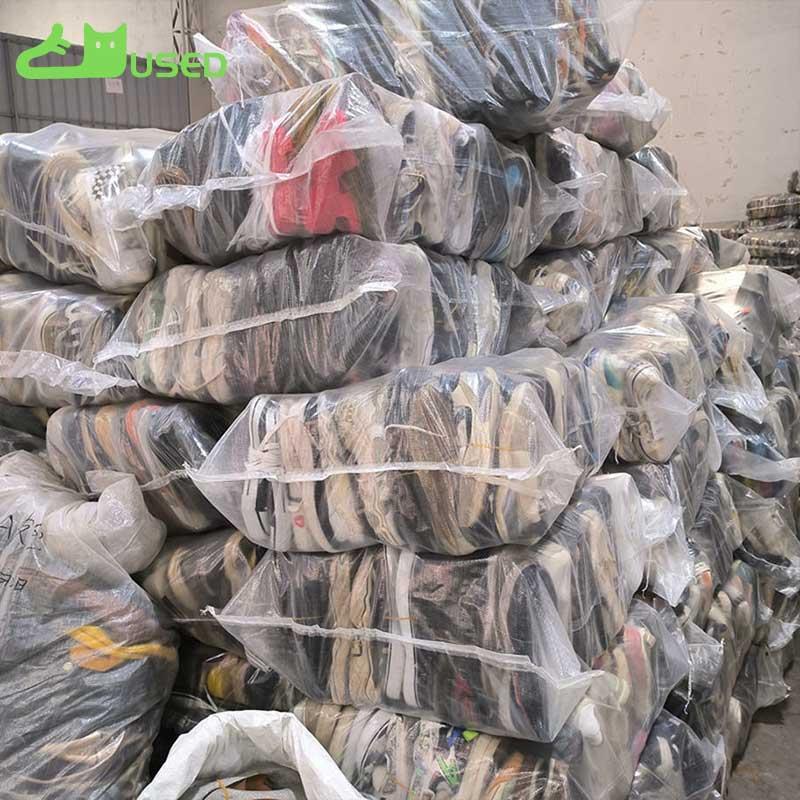
Define pair binding, material protection, stacking or packing limits, bale identity and reopen record. Avoid pressure that distorts counters, creases uppers or abrades oversized sidewalls under the written packing plan.
Link selected sample pairs to packed units and retain ordinary completed-bale evidence. A packing change after approval must be documented.
identity retained
construction protected
coded destination
change recorded
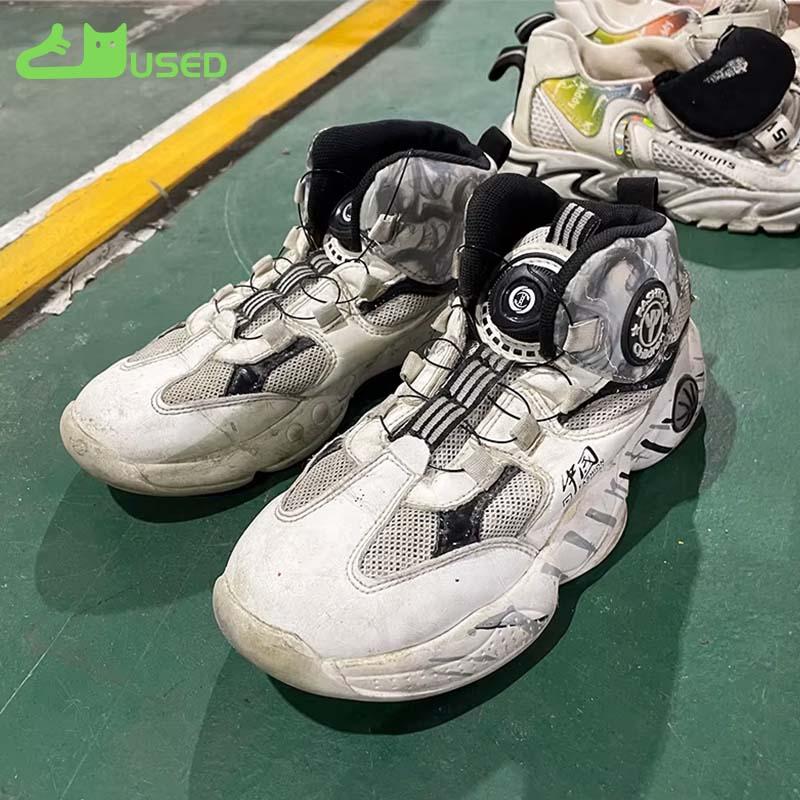
At arrival, review seal and bale identity, moisture, pair compatibility, oversole zones, upper shape, prior repair and sampled lane. Separate transport damage from pre-existing condition where evidence allows.
Record customer response, returns, repair yield and sales timing by lane. Revise a specific condition, size or claim limit before the next order.
pair and bale
same inspection map
transport or original
dated next-order limit
No. Record color as condition evidence and evaluate claim evidence separately.
Sidewalls, toe, heel, bottom tread, shape and the upper junction on both mates.
Only use a qualified, material-compatible route within the buyer's evidence and cost ceiling.
Do not make sport-performance or remaining-life claims without appropriate evidence.
Received zone results, claim holds, completed repair yield, sizes, returns and sales timing.
An oversized fashion sneaker needs a condition dossier, not a logo-based verdict. The used brand shoes wholesale category defines the broader product family; claim scope, zone evidence and repair limits determine the resale lane.

Direct Factory Supplier of Used Shoes For African Markets In China
 Tel: +8618606960861
 Email: info@usedshoeswholesale.com
 MP/WhatsApp: +8618606960861
 Manufacturer Address:Cizao Town, Jinjiang City, Quanzhou City, Fujian Province