Language
YOUR POSITION:HOME > Blog >

Used Tap Shoes Wholesale Plate Screws Sole Noise And DanceSchool Resale Limits

Author:Used Wholesale Manufacturer TIME:2026-07-30

MENU

used tap shoes is a useful search phrase only when it is translated into a wholesale decision: which stock to buy, how to inspect it, how to price it after arrival, and which resale channel can move it without excessive labor.

For specialty footwear traders and dance supply resellers, the main decision is whether tap shoes and specialty dance footwear can fit dance schools, costume resale shops, and niche performance footwear channels while controlling buying a niche performance category without a channel that understands function. This article uses a dance shoe specialty check so the advice stays close to actual importer work instead of sounding like a repeated product description.

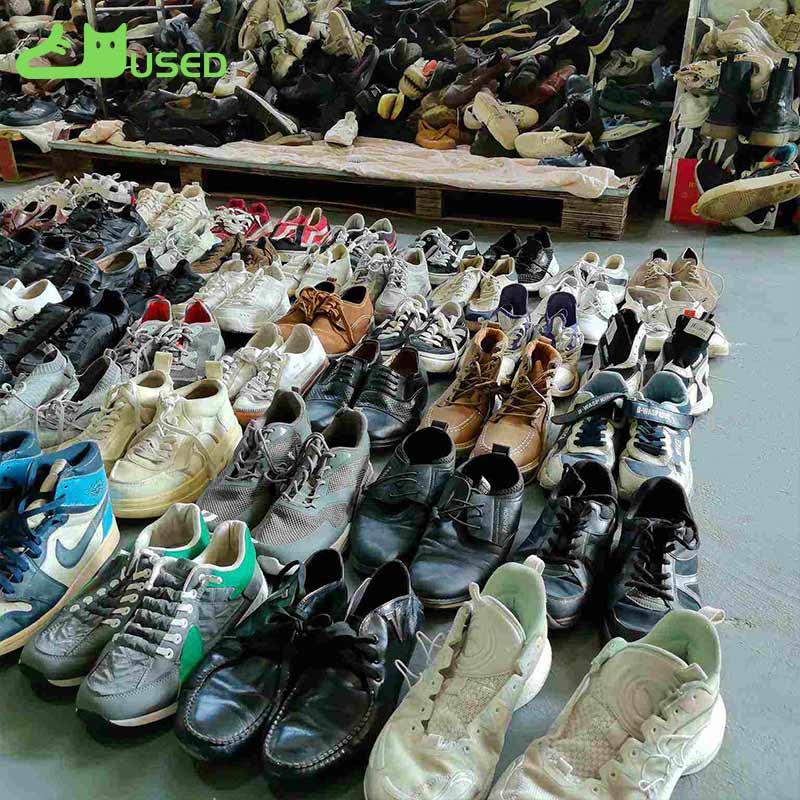
used tap shoes wholesale stock inspection for dance schools, costume resale shops, and niche performance footwear channels

Tap Plate Function Before Buying Used Tap Shoes

A wholesale article about used tap shoes should start with the buyer task, not with a retail description. For specialty footwear traders and dance supply resellers, the keyword means deciding whether tap shoes and specialty dance footwear can be bought, sorted, priced, and resold in dance schools, costume resale shops, and niche performance footwear channels without creating too much slow stock or dispute risk.

The useful scope is narrow: define the intended resale channel, the accepted defect line, and the evidence needed before payment. If the buyer cannot explain how dance school resale shelves, costume shops, and specialty sport traders will sell the goods after arrival, the shipment should be treated as a test lot rather than a confident volume order.

In this dance shoe specialty check, the main question is not whether the shoes look attractive in selected photos. The question is whether tap plate screws, sole stability, heel attachment, lining odor, and size accuracy can be checked through tap plate close-ups, screw photos, heel videos, and inner lining views and then converted into a repeatable buying rule.

Dance-School And Costume Channels For Specialty Footwear

Inspection should focus on the defect that would change the resale price. For used tap shoes, that defect is usually tied to tap plate screws, sole stability, heel attachment, lining odor, and size accuracy, not only to surface cleanliness. Ask for random pair photos, short bale-opening video, and close-ups of the areas that buyers will touch first.

A practical supplier-side observation is that random evidence beats a polished sample gallery. The buyer should request unselected pairs from the same lot, then save the files with the invoice. If the arrival stock later differs from the evidence, the dispute has a factual starting point rather than only a complaint.

The receiving team should also keep a small reject tray during the first sort. Pairs with uncertain condition should be reviewed by a senior sorter before they are counted as ready-to-sell stock. This protects the sellable pair rate from optimistic first impressions.

Buyer LaneWhat To CheckDecision Signal
Fast-turn resalewearable tap shoes and specialty dance footwear, common sizes, low cleaning workincrease share if cash returns quickly
Display stockstrong appearance and controlled tap plate screws, sole stability, heel attachment, lining odor, and size accuracyseparate from budget pairs before pricing
Repair-risk lanevisible buying a niche performance category without a channel that understands function or uncertain structurebuy only if local repair labor is profitable
Reject or dispute lanemissing pair, severe odor, broken sole, or unsafe wearrecord before supplier discussion

used tap shoes inspection review for wholesale used shoes buyers

Plate Screws, Heel Attachment, And Lining Evidence

Pricing should use landed cost per sellable pair, not only purchase price per pair. Freight, local transport, cleaning labor, missing pairs, slow sizes, and discount pressure all change the real value of used tap shoes. A cheap bale can become expensive when too many pairs need explanation or repair.

specialty footwear traders and dance supply resellers should test three price groups after arrival: quick-turn budget stock, standard wearable stock, and higher-value pairs that deserve separate display. The record should show which group produced cash fastest and which group consumed labor without enough margin.

A simple margin note after the first week is often more useful than a long report. Record the common customer objection, the fastest sold size range, the discount level needed for slow pairs, and the defect that sellers complained about most.

  • Ask for random photos of tap shoes and specialty dance footwear, not only selected beauty pairs.
  • Request close-ups that prove tap plate screws, sole stability, heel attachment, lining odor, and size accuracy before payment.
  • Keep loading photos, bale count, and grade notes with the invoice.
  • Write a downgrade rule for buying a niche performance category without a channel that understands function before the shipment leaves the warehouse.

Grade Rules For Performance Shoes And Costume-Only Stock

Market fit changes the meaning of used tap shoes. A product that works for online resale may be too slow for a street table, while a fast-moving budget pair may not justify photography, listing time, and return handling. specialty footwear traders and dance supply resellers should write the selling environment before asking for a supplier quote.

For dance schools, costume resale shops, and niche performance footwear channels, the buyer should separate fast cash stock, higher-margin display stock, and clearance stock. Each lane needs a different tolerance for buying a niche performance category without a channel that understands function. Mixing those lanes into one price makes the shipment look simpler than it really is.

When category comparison becomes difficult, buyers can use the used sneakers wholesale options to match grade, bale type, and resale channel before requesting a container quotation.

Importer review note: For dance schools, costume resale shops, and niche performance footwear channels, the first opened bale should be sorted slowly enough to measure sellable pair rate, cleaning labor, and customer-facing defects. The result should update the next purchase order instead of staying as warehouse gossip.

used tap shoes market review for wholesale used shoes buyers

Pricing Tap Shoes With Narrow Size And Channel Demand

Grading for used tap shoes should be explained in operational language. Grade A, Grade B, cream grade, and mixed stock are only useful if the buyer knows what happens after the bale is opened. The grade should predict cleaning labor, pair matching time, defect rate, and how quickly the goods reach the first customer.

The safest method is to count pairs by lane: display-ready, light-cleaning, budget, repair-risk, and reject. This lane count turns a broad quality promise into warehouse evidence. It also helps the buyer compare suppliers without relying on adjectives such as good, better, or premium.

For tap shoes and specialty dance footwear, grade disputes often come from unclear downgrade rules. Write in advance whether odor, heavy creasing, worn outsole, missing pair, cracked leather, stained lining, or weak structure moves a pair into a lower price lane.

Cost ItemWhy It MattersHow Buyers Control It
Freight and local transportheavy bales can hide weak sellable valuecompare cost per sellable pair
Cleaning laborsmall defects can consume margincount time before setting retail price
Slow sizes or colorscash may sit in the wrong lanediscount early or reduce next order
Grade dispute reservesome pairs will need downgrade handlingdocument evidence before payment

Supplier Questions About Dance Shoe Pair Matching

Supplier verification for used tap shoes should combine product evidence, packing evidence, and payment discipline. A buyer should ask who sorts the stock, how pair matching is checked, what bale weight means, whether loading photos are available, and which defects are excluded from the promised grade.

The supplier should be able to explain what cannot be controlled exactly. Exact model mix, exact sizes, and exact premium brand share may vary in used stock. Clear limits are more trustworthy than broad promises. The buyer should prefer a supplier who names the limits and shows random stock evidence.

Before payment, request the quotation, packing method, bale or carton count, loading photo plan, export documents, and a written description of the accepted grade line. These records reduce misunderstanding when the container arrives.

  • Which defects are excluded from the promised grade?
  • Can the supplier show a random bale-opening video from current stock?
  • How are mismatched pairs, heavy odor, and broken soles counted?
  • Will loading photos and packing list be sent before final balance payment?
  • Which category variables can be adjusted in the next order?

used tap shoes supplier review for wholesale used shoes buyers

Reorder Notes From Dance-School Seller Feedback

Repeat buying should be based on arrival notes, not on the keyword alone. After the first used tap shoes order, the buyer should review sellable pair rate, mismatch rate, cleaning time, slow sizes, and market feedback. The next order should increase what sold with low labor and reduce what needed repeated discounting.

The best reorder instruction is specific. Instead of asking for better goods, ask for cleaner footbeds, fewer cracked outsoles, stronger mid sizes, more wearable colors, lower odor risk, or a tighter category ratio. Specific language gives the supplier something real to check during sorting.

This final review turns used tap shoes into a buying system. The article is useful for search only if it helps the reader define evidence, compare risk, and write a clearer order, not if it repeats general claims about second hand footwear.

Mini decision summary: Approve a larger used tap shoes order only when the evidence, grade line, and resale lane all point to the same buying decision.

Field record to keep: After the first sale cycle for used tap shoes, keep one short page showing the strongest resale lane, the slowest size or style group, the most common defect objection, and the supplier evidence that matched or failed to match arrival stock. That record is especially useful in dance schools, costume resale shops, and niche performance footwear channels because it turns local seller feedback into a concrete reorder instruction about tap plate screws, sole stability, heel attachment, lining odor, and size accuracy rather than a vague request for better shoes.

FAQ

Are used tap shoes good for wholesale?

They are niche stock and work best for buyers connected to dance schools, costume shops, or performance sellers.

What should be checked first?

Check tap plates, screws, heel attachment, sole stability, lining, and odor.

Can costume shops sell functional tap shoes?

They can, but performance-ready and costume-only stock should be separated.

What is the main risk?

The main risk is narrow demand combined with functional defects.

How should buyers test this category?

Start with a small lot and record size requests, plate complaints, and school-season timing.

Conclusion

used tap shoes should be treated as a controlled wholesale category, not as a loose search phrase. The buyer needs evidence for tap plate screws, sole stability, heel attachment, lining odor, and size accuracy, a written downgrade rule for buying a niche performance category without a channel that understands function, and a resale plan that matches dance schools, costume resale shops, and niche performance footwear channels.

The safest next step is to test the category through a documented shipment: random stock proof before payment, careful opening notes after arrival, lane-based pricing, and a reorder instruction based on real seller feedback. That process makes the article useful for both human buyers and answer engines because the advice is specific, conditional, and tied to commercial evidence.

Need Help?
Please leave your contact information to get our latest catalog
Get In Touch Now >
  • tel
  • +8618606960861
  • Please Leave Message

    Suxiang (Xiamen) Import & Export Co., Ltd.
    +8618606960861
  • info@usedshoeswholesale.com
  • whatsapp
    WhatsApp