Author:Used Wholesale Manufacturer TIME:2026-08-13
Premium slide seasonal decision
Used Hermes sandals wholesale buying combines product-claim risk, open-footwear condition and a time-sensitive boutique sales window. Supplier photographs cannot prove authenticity, and a premium label cannot erase footbed wear or late arrival. The buyer needs item-linked evidence, a footbed and strap release boundary, completed preparation cost, arrival deadline and an exit route for stock that misses the intended season.
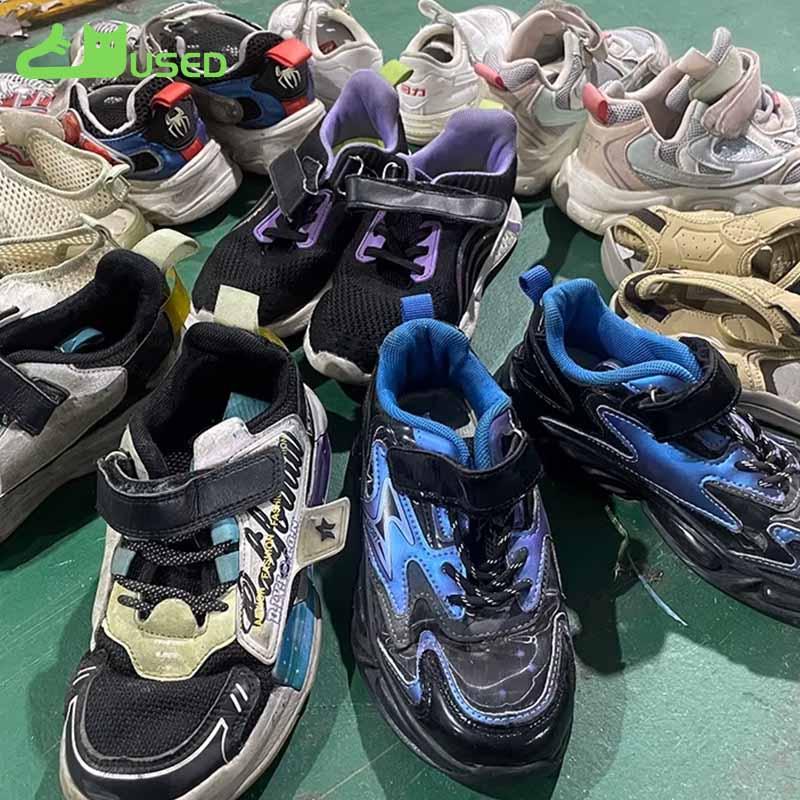
Record pair code, seller statement, marked size, style reference, materials, identifiers, provenance documents and original views where available. Preserve missing or conflicting fields.
Use an appropriate specialist review where the resale claim requires it. Do not infer authenticity from a silhouette, stamp or packaging image alone.
one pair
seller wording
item-linked
verified, stated or unknown
Review compression, darkening, staining, cracks, cuts, delamination, residue, moisture, odor and visible contamination. Photograph complete left and right footbeds under consistent light.
Set lane-specific cosmetic boundaries and a separate hygiene process scope. A clean-looking footbed does not prove disinfection or wearer suitability.
shape and compression
marks and damage
hold or process
left-right difference
The calendar joins evidence and condition with the time left to sell the released pair.
| Review lane | Evidence standard | Calendar gate | Release rule |
|---|---|---|---|
| Claim file | Item-linked status | Approve before packing | Hold unresolved claim |
| Physical grade | Footbed, strap and sole | Close before preparation | Release, downgrade or reject |
| Preparation | Completed compatible work | Finish before display date | Count only completed pairs |
| Boutique lane | Description and accepted cost | Useful selling window remains | Price with exit plan |
| Late stock | Condition unchanged or rechecked | Window missed | Transfer, hold or no-buy |
Premium price belongs to a released pair with sufficient selling time, not to the label alone.
Review strap deformation, stretching, cracking, cuts, glazing, staining, edge damage, stitching or attachment points and prior repair. Compare alignment between mates.
Material-specific care may change color or texture. Authorize only tested compatible work and keep before/after evidence.
strap geometry
visible junction
wear and damage
disclosed evidence
Map heel, forefoot, edges and pattern wear; inspect cuts, hardening, embedded material, distortion and sole attachment. Compare both mates on a level reference.
Do not promise grip or remaining service life from photographs. Use observable condition and the boutique lane boundary.
wear zone
pattern loss
attachment evidence
no traction guarantee

List approved material care, cleaning or qualified repair with scope, provider, cost, drying or cure time, evidence and failure route. Claim-sensitive items should retain custody throughout work.
Reinspect claim file, footbed, strap, sole and presentation after completion. Unfinished candidates remain outside the released count.
approved scope
completion deadline
item identity
released result
Work backward from the actual outlet's selling window. Record latest evidence approval, packing, departure, expected arrival, customs or local handling assumptions, preparation, display and markdown or transfer date.
Season timing varies by country, climate, travel and retail calendar; do not use a generic summer claim. Keep assumptions visible and update them with current logistics evidence.
evidence close date
latest useful receipt
preparation complete
transfer or markdown route
Build accepted-pair cost from purchase, freight, charges, handling, completed preparation, holds, rejects and delay using the buyer's accounting method. Compare premium, disclosed-wear, value and no-buy lanes.
A pair arriving after the intended window may need a different price or destination even when condition is unchanged. Record that timing decision separately from grade.
released pairs
supported scope
days in selling window
price and exit plan
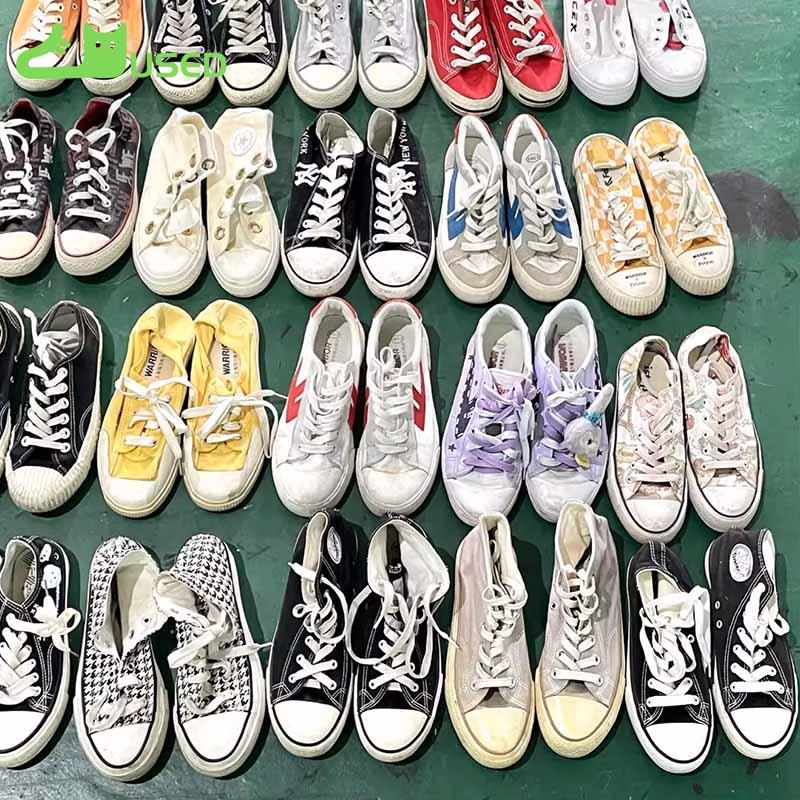
At arrival, verify package identity, moisture, pair code, claim file continuity, footbed, strap, sole and sampled lane. Record preparation needed and the remaining calendar.
Track returns, claim questions, preparation yield and sales timing by lane. Change a specific evidence, condition or date threshold for the next order.
same item file
arrival evidence
remaining window
next-order rule
No. Preserve item-linked evidence and use an appropriate review route for the claim scope.
Use the written boutique lane boundary plus separate hygiene and material limits.
No. They document visible wear but do not establish performance.
Arrival, preparation and remaining selling window can change the viable lane and exit plan.
When claim, physical, preparation or custody evidence remains unresolved.
Premium sandal buying is an item file plus a cash clock. The used women's shoes wholesale category defines the product family; claim scope, open-footwear condition and real selling time determine the boutique lane. Use the existing inquiry form on this page to send the target arrival window, size mix, evidence scope and condition limits for supplier review.

Direct Factory Supplier of Used Shoes For African Markets In China
 Tel: +8618606960861
 Email: info@usedshoeswholesale.com
 MP/WhatsApp: +8618606960861
 Manufacturer Address:Cizao Town, Jinjiang City, Quanzhou City, Fujian Province