Author:Used Wholesale Manufacturer TIME:2026-08-13
Used Frye boot vintage condition
Used Frye boots wholesale stock needs a chronology, not a single patina grade. The buyer must first establish the supported product statement, then distinguish stable aged presentation from fresh cracking, structural change, unknown treatment and active service needs. Shaft shape, harness details, heel, outsole, lining and size each affect the vintage route. Appearance alone does not verify brand, material, age, comfort, safety or future durability.
Assign a pair code and record seller wording, labels, marked size, harness or hardware as present, construction details, accessories and item-linked evidence. Keep brand, model, material, age and condition statements separate.
A heritage-looking profile or aged surface is not a verification result. Narrow or decline any statement the approved evidence route cannot support.
exact wording
pair and accessories
item-linked record
unsupported claim
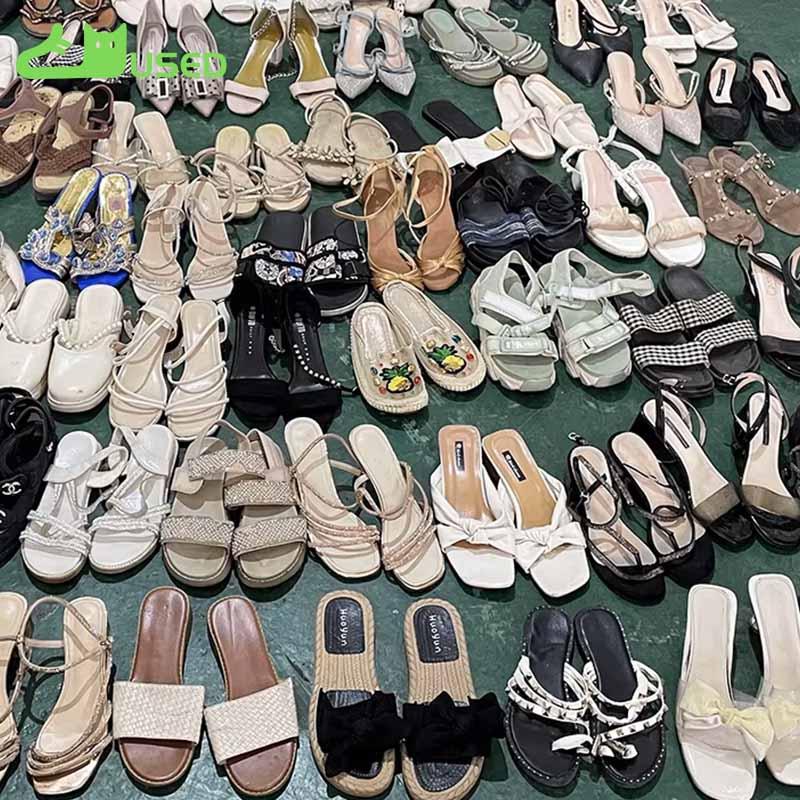
Photograph toe, vamp, quarters, shaft and edges under consistent light. Record color variation, scuffs, creasing, polish residue, surface dryness signs and prior treatment as observations.
Do not assign age or material from appearance alone. The baseline exists so later cleaning, conditioning or new damage can be compared with the original state.
color and scuffs
crease pattern
surface and shape
residue or treatment signs
Record open cracks, cuts, tears, loose seams, lifted layers, missing pieces and changes that interrupt structure or handling. Compare mates and note whether the issue appears in a flex or stress zone.
Vintage appeal does not excuse active damage. Structural uncertainty stays in an appropriate review or decline route even when the surrounding patina is commercially attractive.
open surface break
material loss
loose or failed
separation or movement
Record unsupported and supported shaft views, opening shape, pull points, straps, rings, buckles, rivets and attachment zones. State whether hardware is original, replacement or unknown only when the item file supports that distinction.
Decorative completeness cannot override a failed attachment or unstable shaft seam. Route uncertain hardware work to an appropriate service assessment.
shape and height method
strap and hardware
stress-zone condition
present, replaced or unknown
The chronology keeps stable presentation, active damage and authorized work from being merged into one patina label.
| Time layer | Required record | Decision question | Route |
|---|---|---|---|
| Identity intake | Item-linked claim and pair code | Which wording is supported? | Approve, narrow or decline |
| Original baseline | Zoned surface and shaft views | What was present before work? | Preserve and grade |
| Active damage | Crack, tear, seam or junction map | Does structure require review? | Hold, repair or decline |
| Service stage | Method, limit and before-after record | Did the approved result occur? | Release or stop |
| Outlet stage | Exposure, return and days held | Does the cohort support reorder? | Repeat, transfer or narrow |
Patina gains commercial meaning only when identity, structure and service history remain visible.
Use rear, side and underside views to record heel alignment, block or lift condition, outsole abrasion, edge wear, separation, residue and mate differences. Keep measurements consistent where used.
Visual review cannot certify stability, traction or remaining life. Movement, severe asymmetry and unresolved junction change remain outside immediate release.
heel alignment
wear and completeness
zoned contact wear
continuity and prior work
For known materials, define a bounded cleaning or conditioning test with provider, method, stop signal, expected visible result and limitation. Keep heel, sole, stitching and hardware work as separate estimates.
Preserve before and after views. A darker or shinier surface is not automatically an improvement, and no service should be scaled when the material, claim or structural route remains open.
supported process family
approved small test
undesired change
documented not assumed
Allocate purchase cost, review, preparation, qualified repair, photography, measurements, packaging, customer support, return handling and unresolved holds using the buyer's accounting method.
Report cost and days held by released, service, evidence-hold and declined routes. One exceptional collector sale should not justify a lot with weak random yield.
ready pair cost
work and delay
capital unresolved
age by route
Create cohorts by marked size, silhouette, supported claim, condition and completed work. Record display or listing dates, questions, sales, transfers, returns and reasons for rejection in the buyer's real outlets.
Patina preferences vary by customer and route. Use observed response to revise the mix instead of turning one style or color into a general market fact.
size and silhouette
named outlet period
sale, return or transfer
questions and holding
No. Use item-linked evidence and keep appearance as a condition observation.
Active cracks and structural changes need their own physical and service decision.
No. Confirm material scope and run a bounded approved test first.
Vintage presentation and narrow sizes can tie up capital even when selling prices appear high.
Use released yield, service outcomes, outlet exposure, returns and package-linked variance.
Vintage pricing needs a visible condition chronology, not a blanket patina label. The used women's shoes wholesale category provides the wider women's footwear context; supported identity, baseline views, active-damage limits, authorized service and actual outlet evidence govern the order. Use this page's inquiry form to send the accepted shaft, heel, patina, size and service boundaries.


Direct Factory Supplier of Used Shoes For African Markets In China
 Tel: +8618606960861
 Email: info@usedshoeswholesale.com
 MP/WhatsApp: +8618606960861
 Manufacturer Address:Cizao Town, Jinjiang City, Quanzhou City, Fujian Province