Author:Used Wholesale Manufacturer TIME:2026-08-13
Used On Cloud pod-cell review
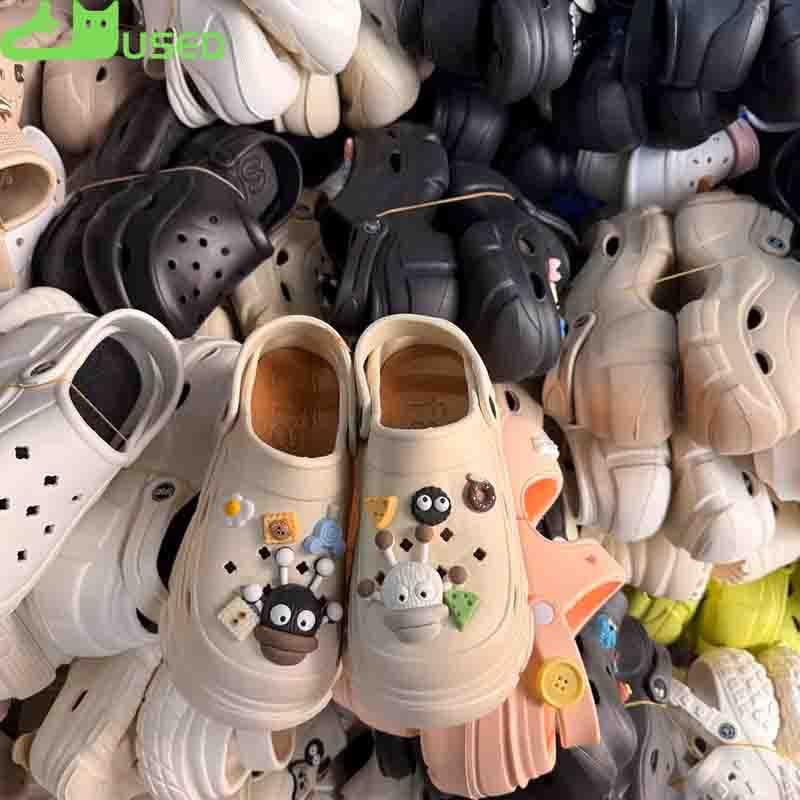
Used On Cloud shoes wholesale inventory cannot be graded from a clean upper or a general thick-sole profile. The buyer needs an undersole cell atlas that identifies each pod or cavity as present, obstructed, cut, deformed or unresolved, then links those observations to side profile, mate contact, sole junction, heel collar, closure and preparation burden. The atlas records present condition; it does not prove cushioning, comfort, traction, safe use or remaining life.
Create a code before separating or cleaning the shoes. Preserve seller wording, label text, marked size, model details as present, closure configuration and item-linked records. Capture both undersides, side profiles and rear views with the same code visible.
A recognizable pod pattern does not establish product identity or usable condition. Conflicting labels, mismatched mates or materially different sole structures remain in reconciliation until the approved evidence route closes them.
both shoes and records
model and size as present
underside side and rear
separate reconciliation lane
Divide each sole into toe, medial forefoot, lateral forefoot, midfoot and heel cells. Number or otherwise code the cavities so a photograph, cleaning note and later receiving check refer to the same location on the same shoe.
Record the outline, opening and contact face as seen. The grid is an inventory language, not a performance model; it must not be used to claim how the structure will compress under a customer.
front contact and opening
inside sequence
outside sequence
rear sequence
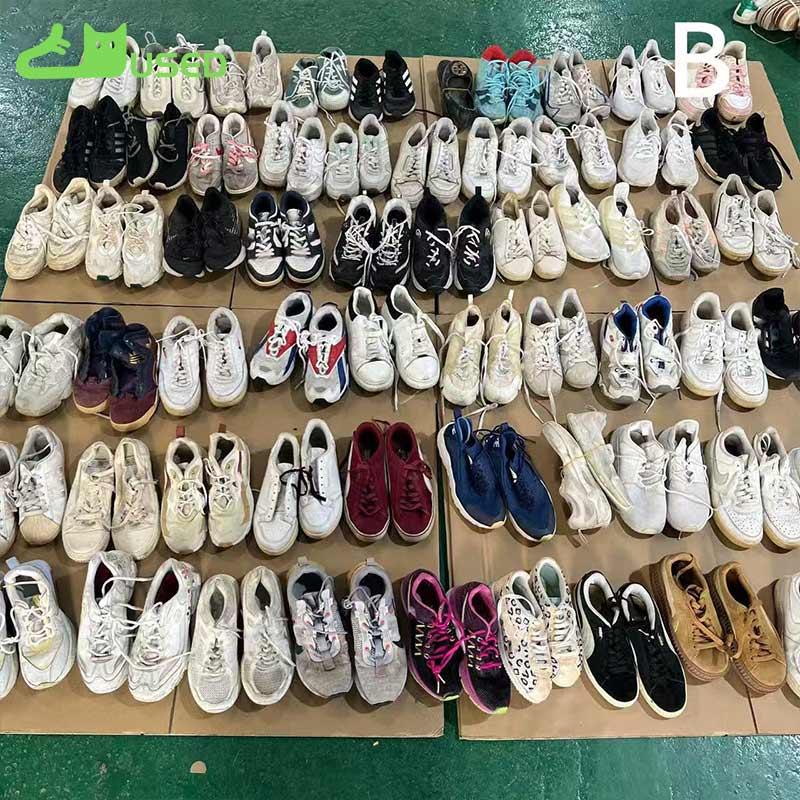
Photograph loose dirt, stones, fibers and compacted material by coded cell before touching them. Note whether material is removable at the surface, lodged deeper or associated with a cut, split or altered cavity wall.
Do not force tools into a cavity or treat debris removal as proof of restored function. Establish an approved cleaning boundary, preserve before-and-after views and stop when the material, bond or cavity wall could be damaged.
surface material
deeper obstruction
cut split or deformation
uncertain removal route
Every cell receives a present-state label, cleaning boundary and release implication.
| Cell state | Required record | Do not infer | Route |
|---|---|---|---|
| Open and intact as observed | Coded underside and edge views | Cushioning or remaining life | Continue physical review |
| Loose debris | Before-after removal record | Restored performance | Clean and recheck |
| Lodged material | Depth and wall condition | Safe forced removal | Controlled process or hold |
| Cut or deformed cell | Location, mate comparison and junction | Even contact under use | Review, disclose or decline |
| Edge separation | Full perimeter and prior work | Bond strength from image | Repair review or decline |
Released-pair cost is calculated only after the cell atlas and the rest of the shoe agree.
Use consistent underside and level rear views to compare abrasion, smooth areas, exposed layers and visible stance differences between mates. Link each contact mark to its numbered cell and side-profile observation.
Unequal contact is a present-condition flag, not a diagnosis of user gait or a prediction of future comfort. Marked asymmetry, deformation or an unresolved physical conflict needs appropriate review or decline.
cell contact pattern
cell contact pattern
visible stance comparison
hold or physical review
Follow the full toe, side and heel perimeter. Record rubber wear, cuts, missing material, lifting, residue, prior adhesive and exposed layers, then compare the edge with the nearest pod-cell finding.
A complete-looking pod does not release an opening sole edge. Photographs cannot certify bond strength, grip or service life, so movement and active separation remain outside immediate saleable yield.
lift and abrasion
continuity and residue
wear and prior work
present contact layer
Record upper tears, seam continuity, speed-lace or standard-lace components as present, eyelets, tongue, heel collar, lining, insole and interior soil. Compare closure parts and collar wear across mates.
A complete closure does not correct sole damage, and cleaning cannot establish hygiene or fit. Use only a supported material-specific process and describe the documented result without promising sterilization or comfort.
surface and seams
parts and operation
shape and lining
process or hold
Time a coded trial for debris documentation, careful removal, upper cleaning, drying, lace work, photography, pair matching and reinspection. Add specialist review, holds and rejects using the buyer's accounting method.
Divide labor and landed allocation by pairs that actually pass the written release route. Do not spread pod-cell work or unresolved capital across every received shoe and call the result a low unit cost.
minutes by coded task
process and drying
capital and space unresolved
cost per released pair
Count released pairs by supported model wording, marked size, cell condition, completed work and disclosure. Place defined cohorts into the buyer's real walking, commuting, casual or other appropriate retail routes.
Record listing date, questions, sales, transfers, returns and days held. Interest in a familiar silhouette does not prove comfort or a universal size curve; reorder only from the buyer's own released inventory and channel records.
model size and condition
named buyer channel
sale transfer or return
days since release
At receiving, compare pair codes, cell photographs, debris state, contact pattern, junction, upper system and package marks with the approved sample. Count substitutions, newly visible damage and unresolved pairs before stock is mixed.
Revise one requirement for the next order: underside angle, maximum damaged-cell share, debris rule, edge exclusion, closure completeness, size ratio or packing protection. Ask for a current-stock sample that demonstrates the new field.
sample versus arrival
released by cell state
package-linked difference
one measurable rule
No. It only documents a cleaned present state and cannot establish performance.
No. Preserve the intake condition first and use an approved removal boundary.
No. Review every cell, contact zone and the full bonded edge.
No. It provides condition evidence; the destination seller handles fit and intended-use decisions.
Use package-linked damaged-cell counts, work time, released yield and actual returns.
A pod sole needs a cell-by-cell condition record, not a comfort shortcut. The used sneakers wholesale category provides the wider sneaker context; complete-pair intake, debris evidence, edge release, measured work and model-size outcomes govern this order. Use the page inquiry form to state the accepted cell condition, edge boundary, size range and underside sample views.

Direct Factory Supplier of Used Shoes For African Markets In China
 Tel: +8618606960861
 Email: info@usedshoeswholesale.com
 MP/WhatsApp: +8618606960861
 Manufacturer Address:Cizao Town, Jinjiang City, Quanzhou City, Fujian Province