Author:Used Wholesale Manufacturer TIME:2026-08-13
Used shoes supplier stock proof
A used shoes wholesale supplier should be evaluated through a chain of evidence tied to the exact proposed order, not through one polished factory video or a copied business document. The importer must identify the counterparty and authorized contacts, locate the lot, challenge a random sample, approve written grade and packing rules, link payment milestones to records, preserve loading identity and define a discrepancy route. No single document, call, video or visit removes used-stock variation or commercial risk.
Record the legal or registered business name as appropriate, quotation entity, invoice entity, payment beneficiary, address, contact roles and the person authorized to approve grade, substitutions and discrepancy handling. Check consistency using the buyer's lawful verification methods.
Identity evidence shows who is making a commercial statement; it does not prove control of a particular lot or the quality of future shipments. Conflicts stay open until resolved in writing.
contract and invoice identity
payment relationship
grade and claim authority
written resolution required
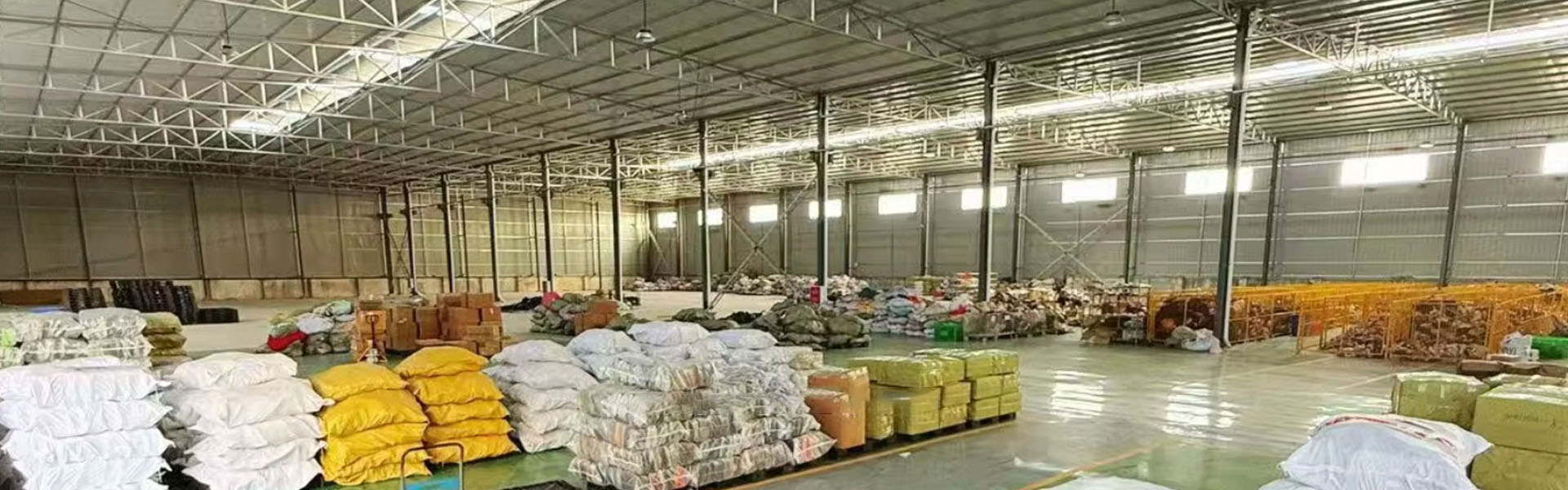
Record warehouse or controlled storage location, aisle or zone marker, lot code, date, approximate stock measure and the rule for additions or substitutions. Preserve a continuous view from the marker to representative stock where practical.
General warehouse capacity and old media do not establish that the shown goods are reserved for the buyer. The quotation should state what identifies this lot and when that identity can change.
specific controlled area
lot code visible
pairs weight or buyer method
addition or substitution approval
Before the session, define several buyer-selected directions such as package position, stack level, category or visible marker. Ask the operator to move from the lot reference to those points, open or display stock and preserve date, participants and sequence.
A live walkthrough can reduce ambiguity but cannot guarantee the unseen balance of the lot. It is one link that must agree with random sampling, written specifications, packing and receiving evidence.
visible lot marker
buyer-selected direction
continuous recorded movement
date people and result
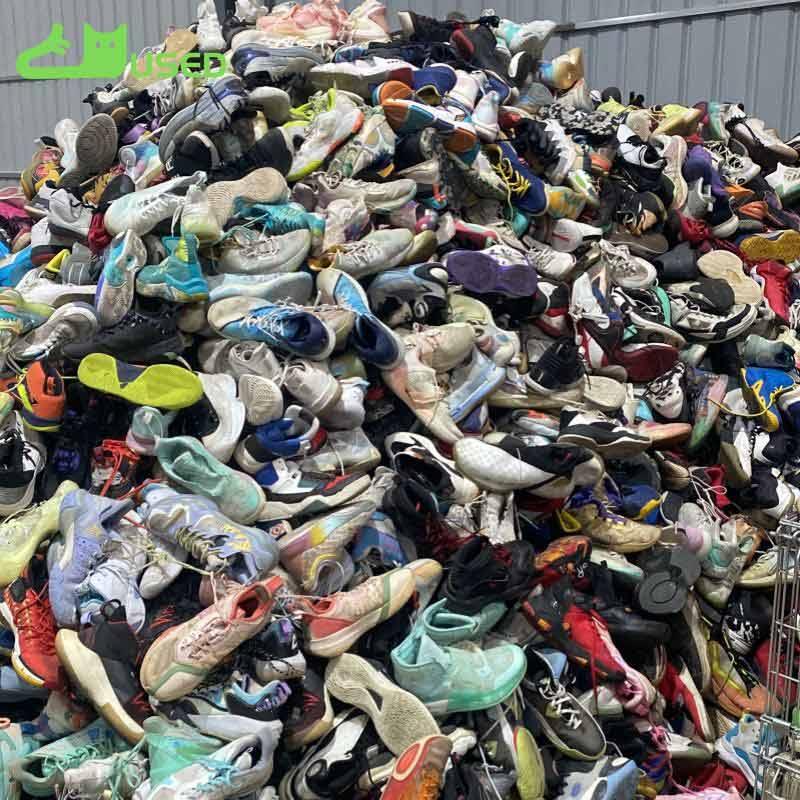
Write who chooses sample positions, how many units or packages are opened, whether replacements are allowed and which fields are recorded. Include pair matching, category, marked size, current condition, unacceptable features and package identity relevant to the order.
Supplier-selected best pairs are demonstrations, not random evidence. A small sample also cannot eliminate uncertainty, so the buyer should document its limit and acceptance consequence.
buyer or agreed independent rule
positions and packages
grade and exclusion record
sample uncertainty stated
Each link has an owner, evidence set, unresolved condition and release consequence.
| Chain link | Minimum record | Open risk | Release decision |
|---|---|---|---|
| Counterparty | Entity, beneficiary and authorized roles | Identity conflict | Resolve before contract |
| Exact lot | Location, marker and change rule | Generic or substituted stock | Fix boundary |
| Random sample | Selector, spread and grade fields | Best-pair demonstration | Accept, revise or hold |
| Packing/loading | Package code, totals and position | Composition not traceable | Reconcile before release |
| Arrival/claim | Opening evidence and response record | Package identity lost | Apply contract route |
Supplier verification is the agreement of all links, not the strength of one impressive link.
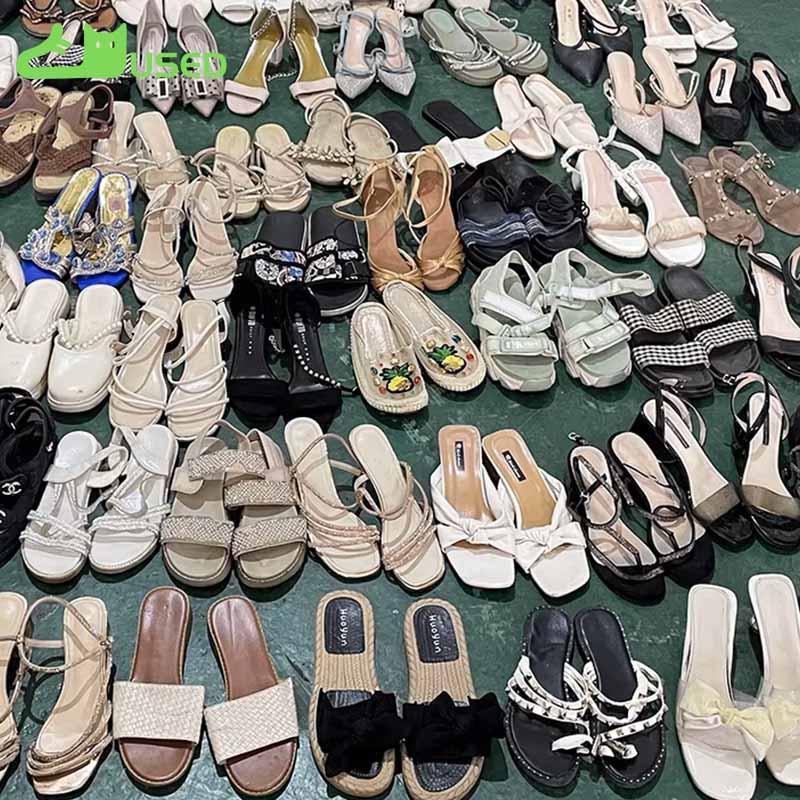
Define approved categories, pair matching, size handling, current-condition boundaries, unacceptable defects, moisture or contamination holds, unknowns, counting method and any allowed variance. Include photographs or examples only as supplements to the written rule.
Grade A, premium or export quality can mean different things between suppliers and markets. The contract needs observable fields and a consequence for variance instead of relying on a label.
included and excluded groups
observable boundary
method and allowed variance
hold replace credit or claim route

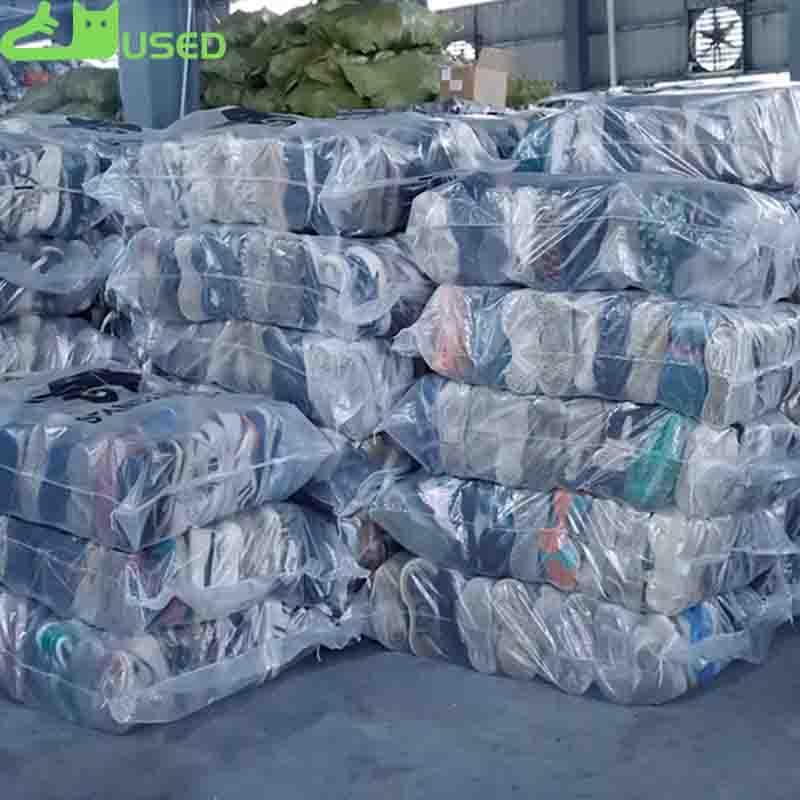
Agree package code, content category, count or weight method, size range where used, packing material and seal or closure record. Reconcile totals from sorted stock to completed packages and the loading list.
A total weight alone does not prove composition. Package identity should survive unloading so the receiving team can link a discrepancy to the original lot, packing session and loading position.
unique and readable
category and status
agreed count or weight
position and total reconciliation
The buyer and its qualified advisers should define lawful payment stages appropriate to the transaction. Operationally, record which evidence must close before specification approval, packing approval, loading release and any final milestone.
This page does not recommend a payment method or guarantee recovery. The control is traceability: each release decision names the responsible reviewer, evidence set, unresolved issue and written authorization.
approved rules
completed inspection file
reconciled package record
authorized release evidence
State how receiving teams preserve package marks, opening sequence, weights or counts, photographs, video where appropriate, defect examples and communication dates. Define contacts, response windows and possible commercial remedies in the contract.
A discrepancy procedure is not a promise that every claim will succeed. It prevents the buyer and supplier from inventing evidence requirements after stock has been mixed or package identity lost.
contact and timing
package-linked arrival file
responsible parties
contract-defined response route
Compare approved lot identity, sample distribution, grade fields, package totals, loading record and arrival results. Count mismatches by package and record how quickly the supplier acknowledged, investigated and closed each issue.
Update one supplier-control field at a time: lot marker, sample spread, grade tolerance, package code, evidence milestone or claim record. Repeat performance should be judged from documented orders, not from marketing statements.
approved versus arrived
package-linked difference
time and evidence quality
one control for next order
No. Counterparty identity and exact-lot evidence are separate links.
No. It should agree with buyer-controlled sampling, written grade, packing and arrival records.
Use a written buyer-controlled or independently agreed selection rule before the check.
No. Seek qualified commercial advice; operational evidence only makes release decisions traceable.
Use package-linked arrival variance, response quality and one revised control field.
Supplier verification is a chain tied to the exact stock, package and arrival, not one document or video. The used mixed shoes wholesale category provides the relevant mixed-inventory context; counterparty identity, lot boundaries, controlled samples, written grade, packing identity and discrepancy evidence govern the order. Use the page inquiry form to request the lot marker, sample method, packing fields and loading evidence required for review.

Direct Factory Supplier of Used Shoes For African Markets In China
 Tel: +8618606960861
 Email: info@usedshoeswholesale.com
 MP/WhatsApp: +8618606960861
 Manufacturer Address:Cizao Town, Jinjiang City, Quanzhou City, Fujian Province