Author:Used Wholesale Manufacturer TIME:2026-08-13
First 2nd hand shoes import order file
A first 2nd hand shoes order should be small enough to verify and structured enough to teach the buyer what to request next. The checklist is not a promise that risk disappears. It is a series of stop gates covering supplier identity, current stock, grade language, representative evidence, commercial terms, packing, shipping and receiving. Each gate has a record, an owner and a condition for moving forward. If one remains open, the buyer narrows the order, requests better evidence or stops before later payments make the problem harder to correct.
Record the supplier's legal identity, business address, accountable contact, contracting entity and payment beneficiary through appropriate evidence. Reconcile names across quotation, invoice and payment instructions. Keep website, domain and messaging details as supporting contact evidence rather than proof of stock.
Escalate unexplained identity changes, pressure to pay an unrelated party and reluctance to provide a written scope. Verification methods depend on jurisdiction, so use qualified local resources where needed. The gate closes only when the buyer knows who is responsible for the offer.
contracting identity
accountable person and channel
reconciled payment identity
resolve before deposit

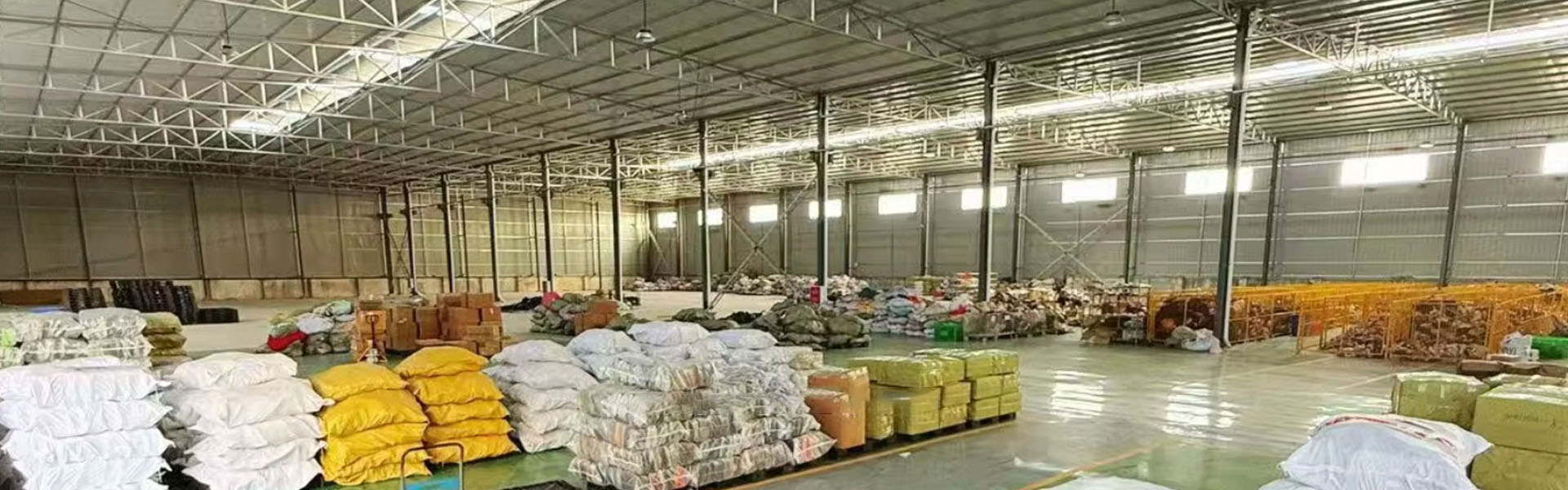
Ask for current stock references, location, category and size scope, packing state and a method to connect photographs or video to the quotation. Use buyer-selected views or identifiers where practical. Record whether evidence shows exact offered stock, a representative cohort or only general capability.
A warehouse image proves little when its date, location and relation to the offer are unknown. Do not invent an inventory count from photographs. If exact allocation is not possible, write the sampling and substitution rules clearly before the order proceeds.
current evidence timing
named stock site
exact lot or representative cohort
reservation and substitution rule
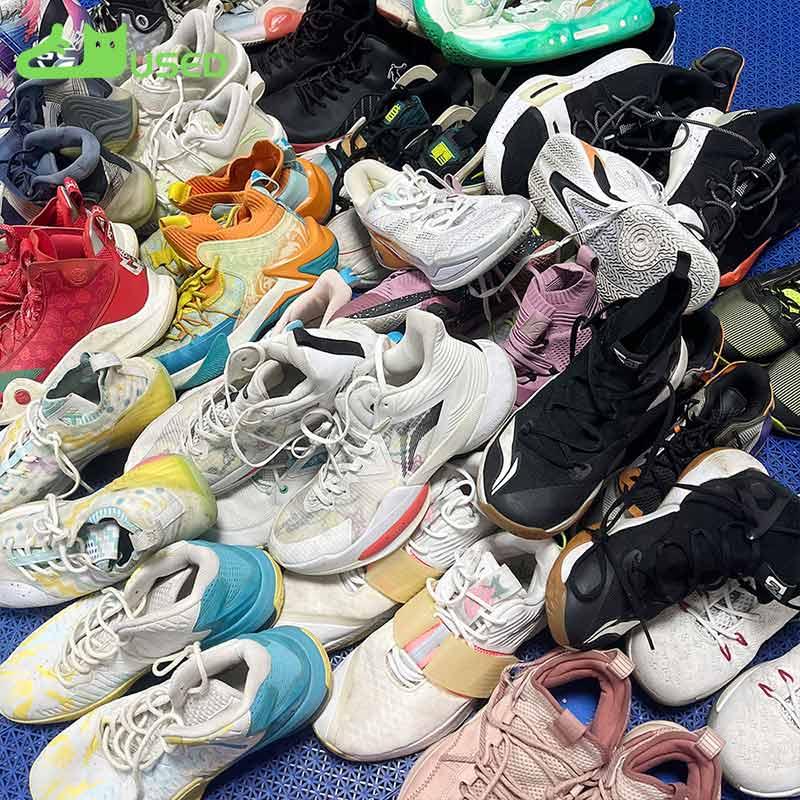
Define required fields for pair completeness, marked size, upper, sole, closure, interior, contamination, product claims and preparation. State allowed defects, automatic holds, declined findings and whether the supplier or buyer performs service.
A label such as Grade A or premium does not close the gate by itself. Attach photographs or examples only after the written rule exists. Clarify whether percentages refer to pairs, weight, packages or a sample and how disagreements will be measured at receiving.
observable inspection list
allowed defects
hold or decline
pairs weight package or sample
No later gate should hide an unresolved earlier identity, stock or grade problem.
| Gate | Required record | Stop signal | Release condition |
|---|---|---|---|
| Supplier | Reconciled legal and payment identities | Unexplained party change | Responsible counterparty verified |
| Stock | Date-linked offer evidence | No relation to current lot | Scope and allocation written |
| Grade | Fields, tolerances and exclusions | Promotional label only | Measurable rule approved |
| Sample | Selection and pair findings | Hand-picked sample treated as random | Limits and uncertainty stated |
| Commercial | Price, milestone and exception process | Payment before evidence | Observable terms agreed |
| Packing/shipping | Marks, list and route documents | Material record mismatch | Versions reconciled |
| Receiving | Package-linked actuals | Evidence lost before service | Variance and disposition closed |
The first order is ready only when every gate has a record and the buyer can explain what would stop the transaction.
Choose the sample method before reviewing attractive pairs. Record who selects, package position where relevant, category and size distribution, pair count, physical findings and evidence status. A supplier-selected presentation sample and a buyer-selected random sample should not be described as equivalent.
Use the sample to set acceptance tolerances and inspection questions, not to guarantee the shipment. If the sample is too small or unrepresentative to support a decision, reduce order scope or require a pre-shipment inspection method tied to the packing list.
supplier buyer or independent role
random stratified or exact lot
pair-level findings
tolerance not guarantee
State quantity basis, currency, delivery term, deposit, balance condition, inspection right, evidence deadlines, acceptable variance, claim process and responsible costs. Compare payment beneficiary and invoice identity before every transfer.
A staged payment can reduce exposure only when milestones are observable and enforceable under the agreed process. Do not describe a payment style as buyer protection by itself. Qualified legal, banking, logistics and customs advice may be necessary for the route.
basis and currency
evidence before payment
scope and selection
deadline and remedy route
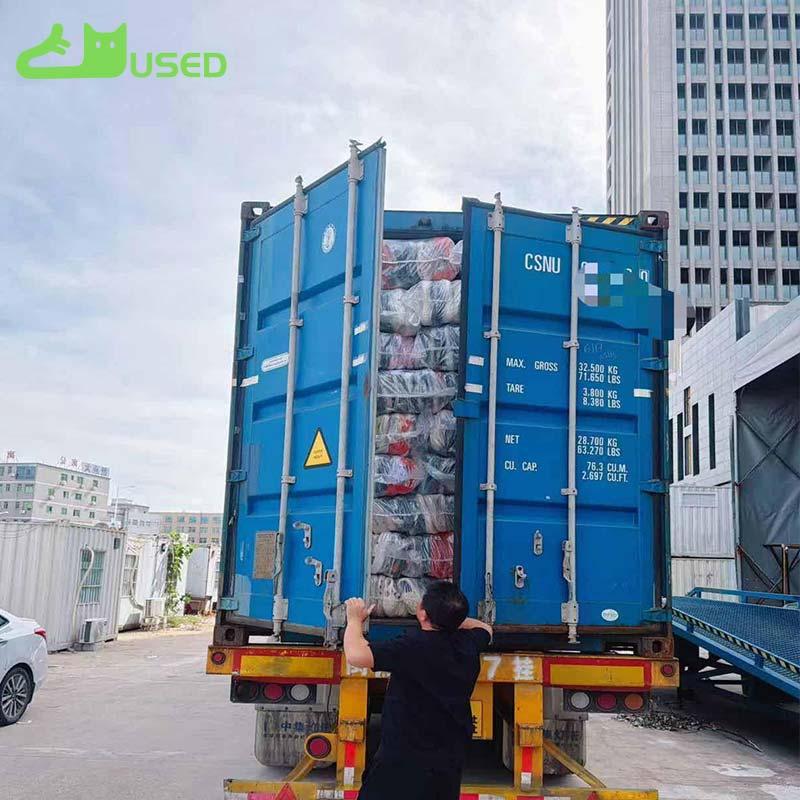
Specify bale or carton format, package marks, weight basis, count basis, compression limits where relevant, liners or moisture protection, label placement and how categories or sizes are separated. Require the packing list to reconcile package totals.
Packaging should protect the approved stock and preserve receiving traceability. It cannot turn unresolved condition into acceptable grade. Photograph package marks, loading sequence and final closed state where those records are part of the agreement.
bale carton and wrap
unique receiving reference
route-appropriate materials
counts and weights reconcile
Match purchase order, final invoice, packing list, transport booking and applicable route records. Confirm carrier references, package count, weights, container or seal fields where used and document versions with the responsible professionals.
Do not allow urgency to replace a missing material record. If a field is amended, keep the request, responsible party and final issued version. Release cargo or payment only under the approved commercial and professional process.
order and final invoice
packing and transport references
confirmed required records
issued and amended status
Before opening, record package marks, damage, weights and seal status where applicable. Apply the agreed sample, reconcile complete pairs and preserve exceptions before cleaning. Compare category mix, grade fields, singles, substitutions, wetness and physical holds with the offered evidence.
Close credits, claims and dispositions without overwriting the original record. Then compare released yield, preparation burden, days held and early outlet outcomes. Change one next-order requirement, such as sample size, exclusion, packing mark or balance milestone.
arrival state
same approved method
offered versus received
one documented change
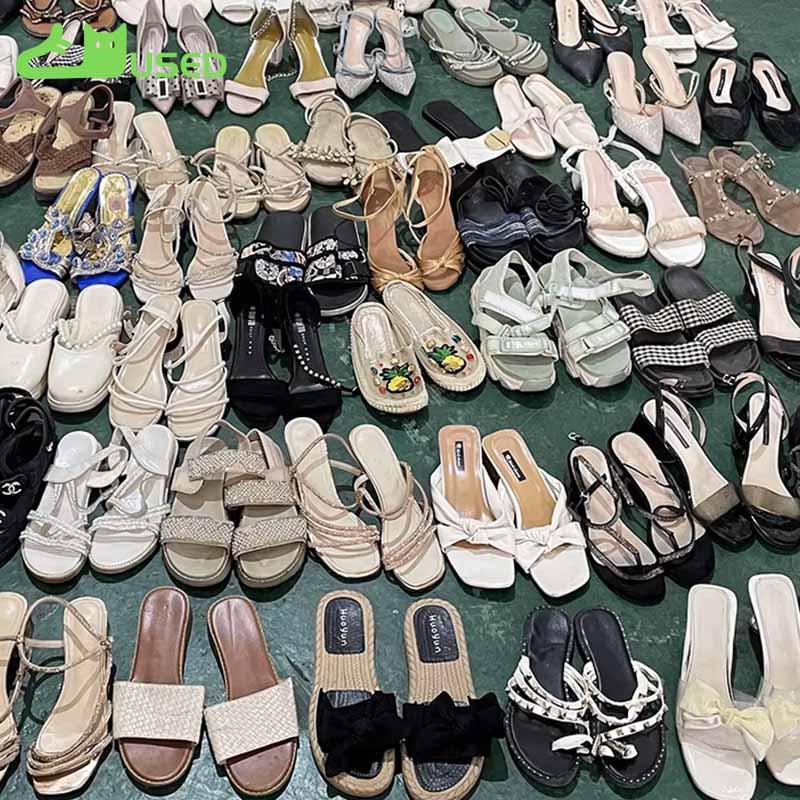
Only after supported yield and route economics justify the exposure; a smaller trial can answer critical unknowns.
No. Require date-linked evidence connected to the current offer.
No. Define observable fields, tolerances, exclusions and quantity basis.
No. Milestones need clear evidence, responsible parties and an approved process.
A reconciled variance report and one specific rule for the next order.
A first order is an evidence-building transaction, not a shortcut to scale. The used mixed shoes wholesale category provides the mixed-footwear context; verified responsibility, current-stock evidence, measurable grade, controlled milestones and receiving reconciliation govern the trial. Use the page inquiry form to state the order size, category mix, sample method and excluded findings.

Direct Factory Supplier of Used Shoes For African Markets In China
 Tel: +8618606960861
 Email: info@usedshoeswholesale.com
 MP/WhatsApp: +8618606960861
 Manufacturer Address:Cizao Town, Jinjiang City, Quanzhou City, Fujian Province