Author:Used Wholesale Manufacturer TIME:2026-08-13
Second hand shoes online grade comparison
Grade A and Cream are supplier labels, not universal standards. One seller may use Cream for a narrow presentation band while another uses it for a different mix, and Grade A can also hide wide variation in wear, repair and preparation. Second hand shoes online buyers need to compare the written rule behind each label, then apply the same sample and receiving method. The decision should show observable fields, allowed defects, excluded findings, category and size scope, work burden and expected released yield. A more expensive label is not automatically the better order.
Request required and allowed conditions for pair completeness, marked size, upper, sole, closure, lining, insole, odor or residue, previous repair, product claims and preparation. State whether percentages refer to pairs, weight, packages or a sample. Record which defects cause automatic hold or decline.
Do not combine two suppliers' terminology into one assumed hierarchy. Preserve version and effective date because grade rules can change. A label without measurable fields remains a marketing statement and should not carry a pricing premium.
observable inspection points
allowed defect range
hold or decline
pairs weight packages or sample
Define who selects the sample, package positions, pair count, category and size strata and whether the stock is exact allocated inventory or a representative cohort. Use identical lighting, view order and recording fields for both grade labels.
A supplier-selected showcase and a buyer-selected random sample do not support the same conclusion. If one grade has a smaller sample or narrower category range, show that limitation instead of comparing the observed percentages as though the evidence were equal.
buyer supplier or independent role
random stratified or exact lot
category and size coverage
allocated or representative stock
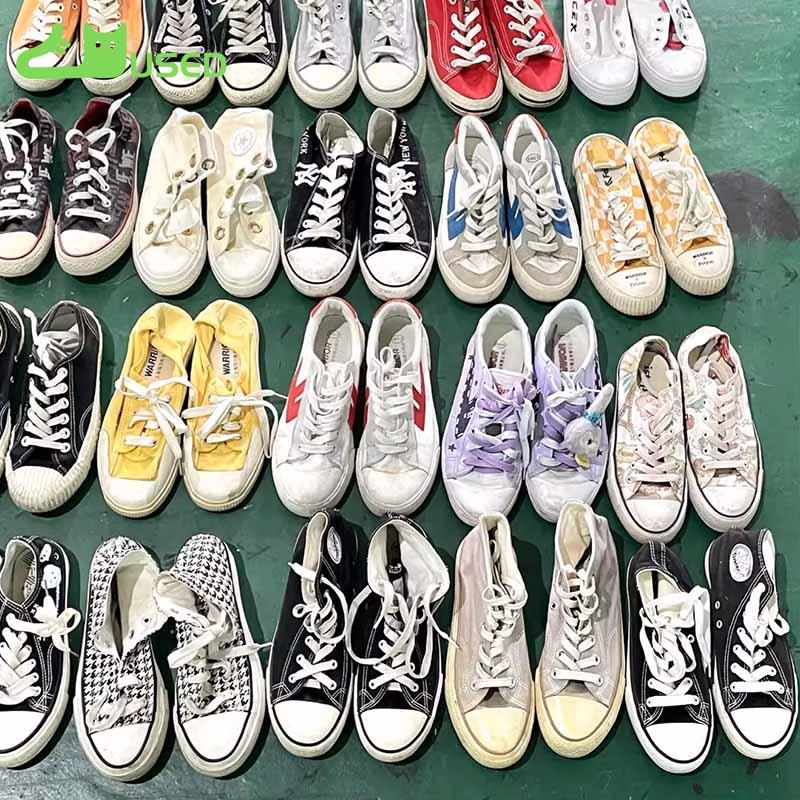
Record tears, seam openings, shape loss, stains, sole wear, cuts, edge separation, heel variance, closure completeness, lining damage, insole condition and interior residue. Keep product-claim support in a separate field so a clean pair does not receive stronger branded wording automatically.
Use the buyer's accepted limits to count pass, service pending, evidence hold and decline for each physical field. Cream may have better presentation in a sample yet carry delicate materials or service needs; Grade A may be commercially suitable where defects are transparent and inside the outlet boundary.
surface structure and shape
wear cuts and bonds
complete and operable
lining insole and residue
The sheet prevents a grade name from replacing the fields that matter to the buyer.
| Comparison field | Grade A evidence | Cream evidence | Buyer decision |
|---|---|---|---|
| Written rule | Fields, tolerances and exclusions | Fields, tolerances and exclusions | Are definitions materially different? |
| Sample | Selector, scope and relation | Same method or limitation shown | Is comparison valid? |
| Physical pass | Pass, service, hold, decline | Same field counts | Which defects drive variance? |
| Mix | Category and size distribution | Category and size distribution | Which fits the outlet? |
| Work | Minutes, materials and service | Minutes, materials and service | Is premium offset by labor? |
| Cost per released pair | Base and downside case | Base and downside case | Which remains viable? |
A grade premium is justified only when the saved definition, released yield, work burden and outlet fit support it.
Time sorting, cleaning, relacing, minor repair, photography, labeling and specialist work on representative pairs. Record consumables, parts, provider cost, reinspection and days held. Separate work already completed by the supplier from work required after arrival.
A higher grade can be worse for a buyer if its presentation standard demands costly delicate handling. Set a work ceiling per released pair and keep service-pending stock outside ordinary ready yield until the task and recheck are complete.
repeatable task timing
actual consumables
provider and cost
release after work
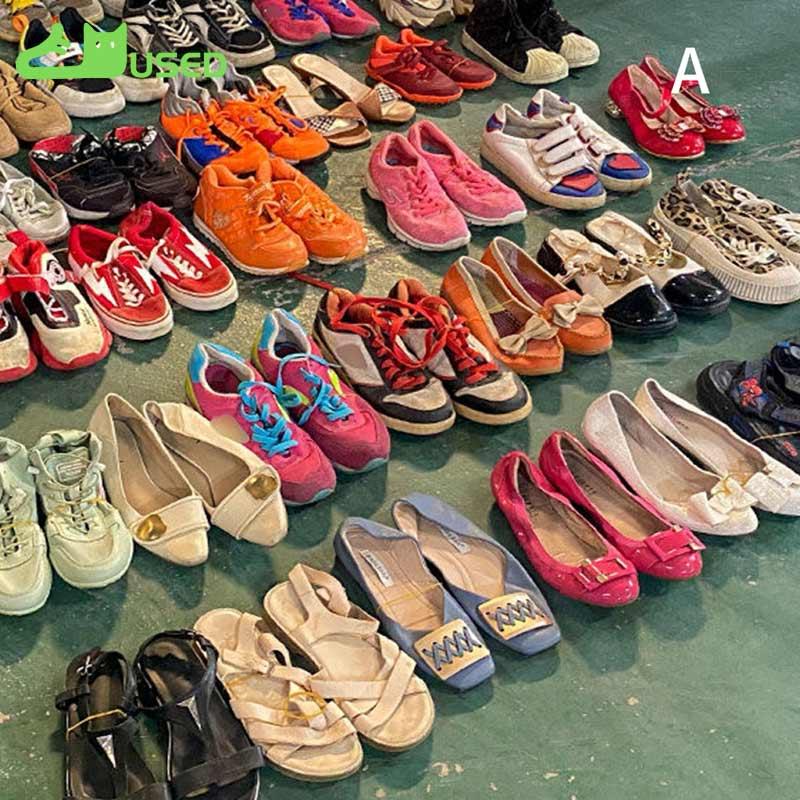
Report men's, women's, children's, sneakers, boots, sandals and other buyer-defined families, plus marked-size bands and unknowns. Compare the mix with dated outlet stock, sales, markdown and return records. Do not use search interest as guaranteed demand.
A narrow Cream cohort can have high physical pass rate but weak outlet fit, while a broader Grade A mix may perform better in a value channel. Compare grade and assortment as separate variables so the premium is not paid for unusable categories or sizes.
count or supported percentage
marked bands and unknowns
dated local evidence
commercial route not universal demand
Use the same delivery endpoint and currency. Add goods price, freight, destination handling, receiving and preparation, then divide by the defined released sellable pairs. Exclude unresolved holds and declines. Show base, lower-yield and higher-work cases.
Do not compare price per bale when package weight, category density or released yield differs. The preferred grade should remain acceptable under a reasonable downside case and fit the buyer's outlet, not merely have the lowest headline price.
grade-specific offer
same destination boundary
released denominator
lower yield or more work
Use package marks to select the agreed receiving sample. Repeat every physical field, category and size count, work estimate and evidence status before cleaning. Record variance from the approved grade samples by exact field.
Close supplier discussions with package-linked evidence and preserve any credit or disposition. Then change one tolerance, sample size, grade premium or category requirement. Keep Grade A and Cream results separate so later orders use observed performance rather than label reputation.
same approved method
field-level difference
release service hold decline
one next-order rule
No. Supplier definitions are not universal; compare the written fields.
No. Match selection and scope or state the limitation.
No. Sole, closure, interior, evidence and work fields remain separate.
Use the buyer's defined released sellable pairs, excluding unresolved holds.
Revise one tolerance, sample, premium or mix requirement from field-level variance.
Grade A and Cream become comparable only after their labels are removed from the calculation. The used mixed shoes wholesale category provides the mixed-footwear context; written fields, matched samples, actual preparation, outlet fit and receiving variance govern the decision. Use the page inquiry form to request both grade definitions, sample scope and package-level inspection plan.

Direct Factory Supplier of Used Shoes For African Markets In China
 Tel: +8618606960861
 Email: info@usedshoeswholesale.com
 MP/WhatsApp: +8618606960861
 Manufacturer Address:Cizao Town, Jinjiang City, Quanzhou City, Fujian Province