Author:Used Wholesale Manufacturer TIME:2026-08-13
Used sneaker bale sellable-pair measurement
Sellable pair rate in used sneaker bales is an observed receiving metric, not the supplier's packed quantity and not a pre-order forecast. The buyer must identify the bale, reconcile complete matched pairs, apply written physical and evidence fields, close approved service, and state which commercial routes count as sellable. Sampling can be used, but the selection and confidence limits must remain visible. The result should be reported by package, category, size and cause so it can support claims, landed-cost reconciliation and a better next order.
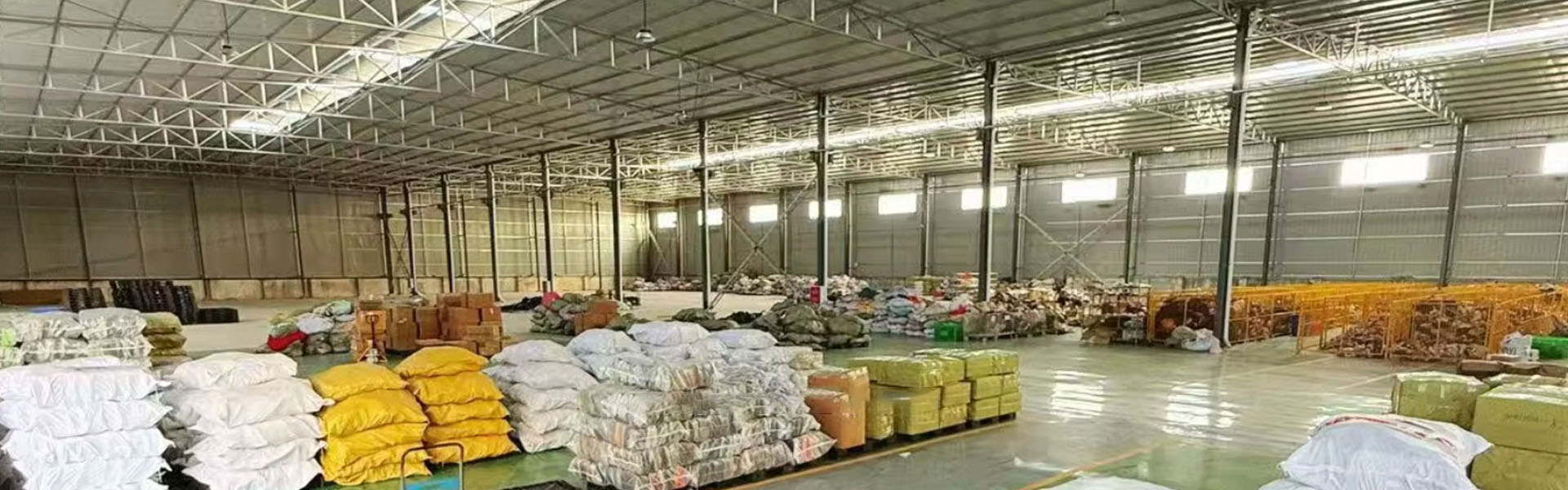
Capture bale marks, shipment references, gross and net weight where supported, external damage, wetness, seal or closure state and packing-list quantity. Photograph each selected bale before opening and retain its position in the shipment.
The packing list is a comparison record, not the sellable denominator. Keep packaging and goods weight separate. Unknown wetness, pests, sharp objects or residue require the approved isolation route before ordinary counting continues.
unique bale identity
defined gross net and method
damage wetness and closure
supplier quantity basis
Count complete mates by bale or record the sampling method. Separate singles, mismatched size marks, duplicate sides, non-sneaker items and unidentifiable pairs. Preserve marked sizes as present and note unreadable labels.
Use complete received pairs as the denominator for the bale's physical release rate. Report singles and mismatches separately by count and cause; do not remove them from the record simply because they cannot enter ordinary resale.
matched sneaker pairs
unpaired item
mate or size conflict
outside sneaker denominator
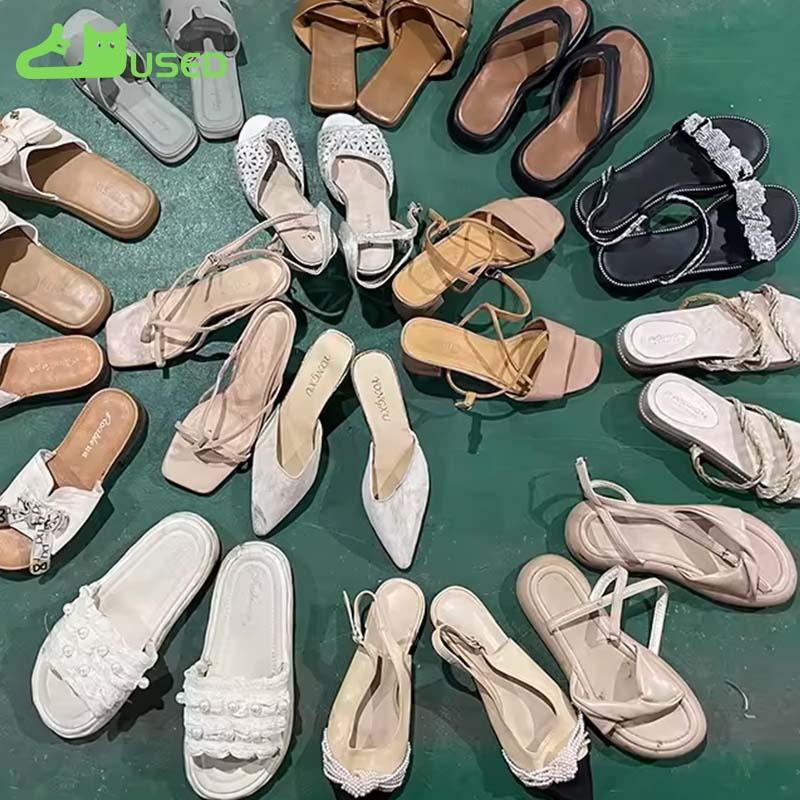
Review upper tears, seam openings, shape loss, stains, sole wear, cuts, exposed layers, bonded edges, heel variance, laces, eyelets, collar, lining, insole and residue. Keep product claim support separate from physical grade.
Apply the same order and lighting across the full count or sample. Record pass, service pending, evidence hold and decline by field. Do not infer traction, hygiene, authenticity, fit or remaining life from a good visual grade.
structure and presentation
wear cuts and edge
parts and operation
collar lining insole residue
For repairable pairs, authorize a task, provider, cost, parts, deadline and reinspection. Keep before-and-after evidence. Count the pair in serviced sellable yield only after the task and release check close.
If work exceeds the buyer's ceiling or changes the disclosed condition materially, use a restricted route or decline. A favorable projected recovery should not be mixed with observed ready yield.
one approved repair
minutes parts and provider
physical fields repeated
released restricted or declined
The bridge shows how the denominator changes from packages to complete pairs and released routes.
| Measurement step | Count | Excluded or separate | Reported result |
|---|---|---|---|
| Package intake | Bales and packing-list basis | Packaging and arrival holds | Selected package scope |
| Pair reconciliation | Complete matched sneaker pairs | Singles, mismatches and other goods | Observed denominator |
| Physical inspection | Pass, service, hold and decline | Open work and claim status | Field-level rates |
| Service closure | Rechecked recovered pairs | Failed or over-ceiling work | Serviced recovery rate |
| Commercial release | Ready, serviced and restricted routes | Evidence holds and declines | Defined sellable pair rate |
| Audit | Package and category results | Hidden shipment average | Variance and next control |
The sellable pair rate is credible only when every removal and recovery remains visible between the bale and the released denominator.
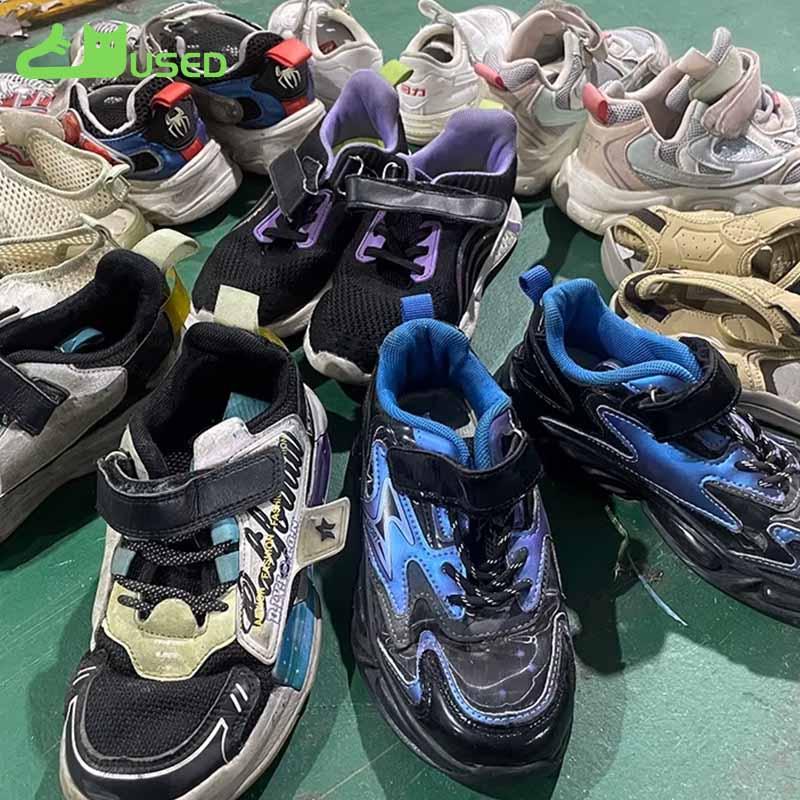
The buyer may report ready stock, serviced and rechecked stock, and clearly restricted value stock separately. Define whether the headline sellable rate includes all three or only ordinary released inventory. Keep evidence holds and declines outside it.
Publish the route counts beside the combined figure so a high rate cannot hide heavy service or low-value recovery. Category, size and condition distribution should remain visible because a physically released bale can still be commercially weak.
no open physical work
work and recheck complete
disclosed value route
hold and decline
Calculate complete-pair release rate, ready rate, serviced recovery rate, restricted rate, hold rate and decline rate from the stated denominator. If sampled, report selected bales, pairs, method and uncertainty rather than presenting the estimate as a full count.
Compare rates across packages and categories to find clustering. A shipment average can hide one severely weak bale. Link each variance to package marks and primary cause codes for supplier discussion and cost allocation.
ready over complete pairs
serviced released over complete
open and excluded routes
bale category and cause
Replace forecast yield with observed route counts in the landed-cost ledger. Allocate receiving and service work consistently. Preserve package-linked evidence for shortages, substitutions, damage and grade variance within the agreed claim period.
After early resale, add days held, markdowns and returns by route. Change one sample size, physical tolerance, service ceiling, category ratio, packing rule or supplier price. Keep the measurement method stable long enough to determine whether the revision improved results.
actual released denominator
package-linked evidence
route outcome and days held
one measurable bale control

No. Reconcile complete matched pairs at receiving.
Only after approved work and reinspection close.
State the route separately and define whether the headline rate includes it.
No. Preserve the selection method, scope and uncertainty.
Package variance exposes clustering that a shipment average can hide.
Sellable pair rate is an observed bridge from complete received pairs to defined commercial release. The used sneakers wholesale category provides the sneaker context; bale identity, field inspection, closed service, transparent routes and package variance govern the measurement. Use the page inquiry form to request the packing basis, grade fields, sample method and receiving evidence window.

Direct Factory Supplier of Used Shoes For African Markets In China
 Tel: +8618606960861
 Email: info@usedshoeswholesale.com
 MP/WhatsApp: +8618606960861
 Manufacturer Address:Cizao Town, Jinjiang City, Quanzhou City, Fujian Province