Author:Used Wholesale Manufacturer TIME:2026-08-13
Used Nike shoes online and stall channel fit
Used Nike shoes for sale do not automatically fit both online and stall resale. Online listings may require consistent images, measurements, claim support, response handling and return records. A street stall may prioritize immediate visual comparison, straightforward condition disclosure, manageable price bands and stock that can be handled repeatedly. Neither channel excuses weak pairing, structural uncertainty or unsupported authenticity claims. Buyers should define the job each channel performs, inspect the exact pairs, allocate preparation and selling burden, and route only the cohorts whose condition, evidence and stock age support that operating model.
Describe the intended online route: photography standard, measurements, supported wording, response time, shipping, return handling and stock synchronization. Describe the stall route: display space, handling frequency, direct comparison, accepted disclosure and daily price control.
Do not use broad claims about customer preference. Base the channel brief on dated records from the buyer's own operation or a clearly defined trial. Search interest can suggest wording to investigate, but it does not establish completed demand.
listing evidence and fulfillment
display handling and direct sale
dated local operating evidence
no universal demand claim
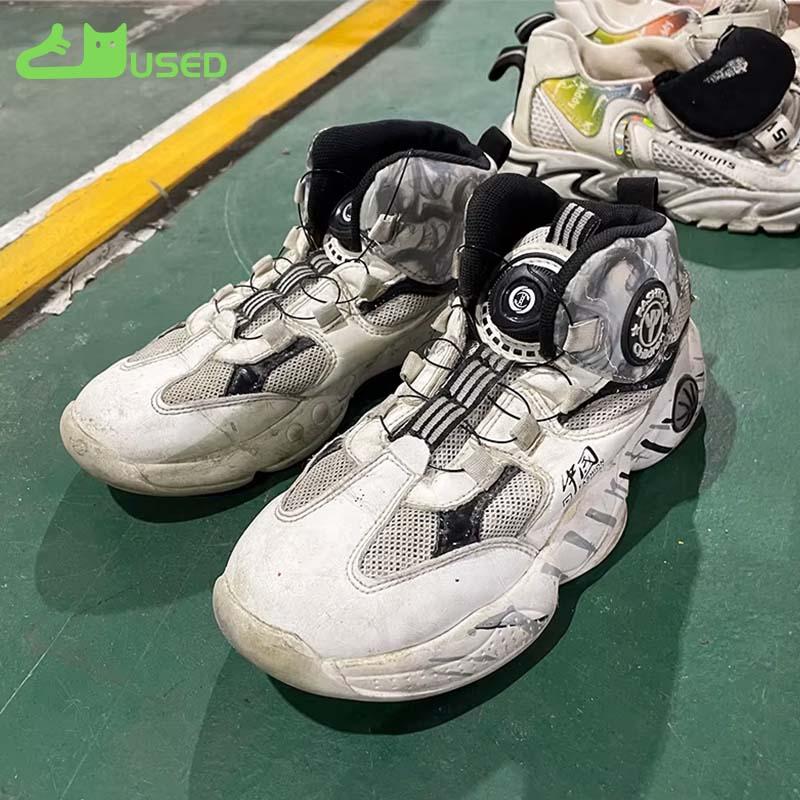
Record both shoes, marked size, form, color, upper wear, seams, sole profile, edge movement, closure parts, lining, insole and residue. Separate singles, mismatches, service candidates, evidence holds and declines before channel allocation.
Brand appearance and labels do not prove authenticity. Keep product-claim review separate from physical grade. Any wetness, unknown residue, severe damage or sharp component follows the approved hold route regardless of the planned channel.
mates size and form
upper sole closure interior
supported limited or unresolved
ready work restricted hold decline
For online candidates, record photography and measurement minutes, description work, supported claim wording, packaging, fulfillment method, platform or channel costs where applicable, and expected customer-service handling. Use actual records when available.
A pair with strong visual presentation may still be unsuitable when marks are unreadable, condition is hard to disclose, evidence is unresolved or shipping cost overwhelms the price lane. Keep listing prices separate from completed outcomes.
images measurements and disclosure
pack ship and tracking
questions returns and records
direct route burden
The matrix shows what a released pair must support before entering a specific resale route.
| Route factor | Online requirement | Stall requirement | Buyer control |
|---|---|---|---|
| Evidence | Images measurements and supported wording | Direct inspection and clear disclosure | Separate claim status |
| Handling | Packaging fulfillment and returns | Display containment and daily count | Pair identity preserved |
| Cost | Content shipping and support burden | Space setup and aging burden | Contribution by route |
| Inventory | Accurate availability | Physical count and separation | One inventory truth |
| Exit | Review markdown transfer or stop | Age review transfer or stop | Defined cohort trigger |
Channel fit is complete when the buyer can explain both the customer-facing route and the operational burden behind it.
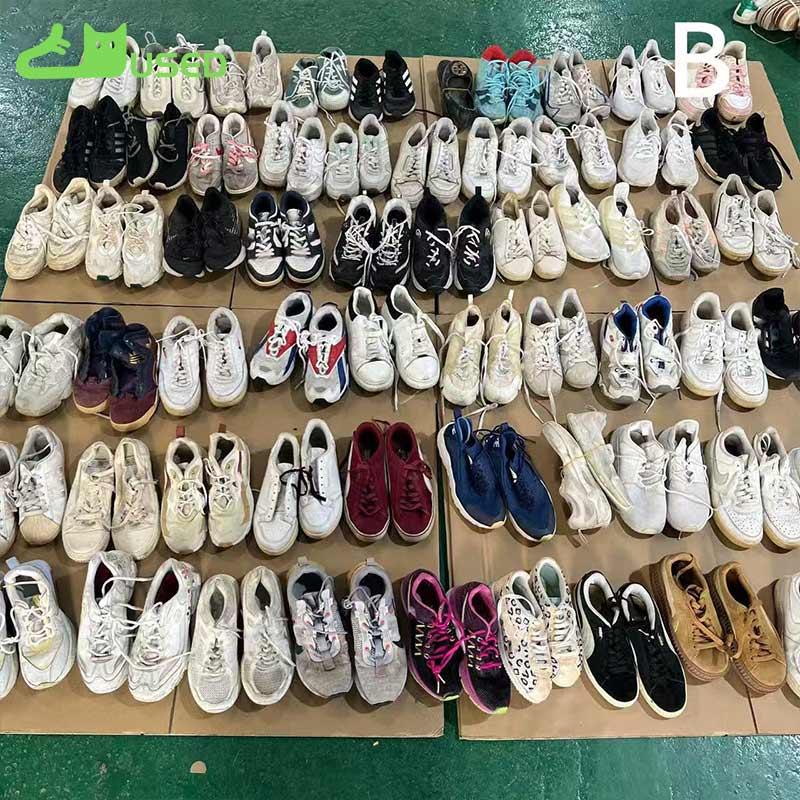
For stall candidates, define display capacity, pair containment, daily setup, handling protection, price bands, condition explanation and end-of-day inventory reconciliation. Record which cohorts can withstand repeated customer handling without losing pair identity.
Do not place service-pending or evidence-held stock into ordinary display. Restricted pairs require clear disclosure and an appropriate lane. Establish a stock-age review so weak inventory does not occupy scarce stall space indefinitely.
space and category grouping
pair containment and condition
visible lane and review
daily count and age
Create cohorts by form, marked-size band, observable condition, evidence status, completed work and landed burden. Assign online first, stall first, dual eligible, restricted, hold or decline. State the reason and the exit trigger.
Avoid duplicate availability across channels unless inventory synchronization is reliable. A dual listing that sells twice creates a fulfillment failure. Route a small trial first when evidence is thin, then compare days held, markdown, questions, returns and contribution.
form size condition evidence
online stall or restricted
age markdown transfer or stop
one inventory truth
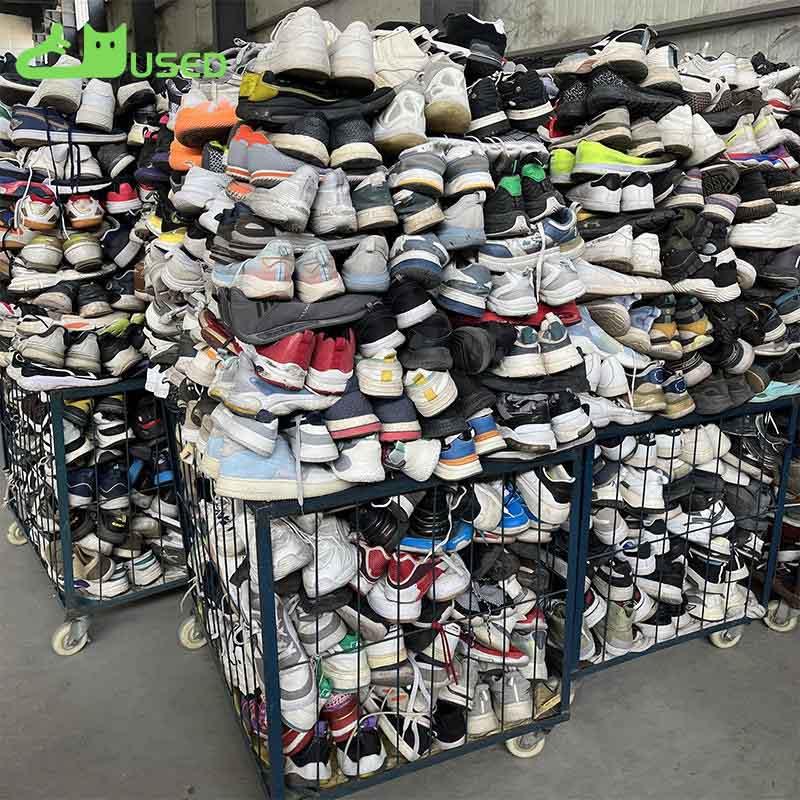
Link completed sale, transfer, markdown and return to pair code and channel. Separate fit, condition, claim, service, fulfillment and price causes. Compare contribution after direct channel burden rather than gross revenue alone.
Change one size band, condition tolerance, evidence requirement, service ceiling, online allocation or stall exposure. Keep the cohort language stable long enough to see whether the revision improved the intended route.
sale transfer markdown return
controlled route code
after direct burden
one next-buy change
Only with reliable inventory synchronization and preserved pair condition.
No. Keep identity evidence separate from physical inspection.
Use exact evidence, disclosure, fulfillment burden and route economics rather than a universal category rule.
No. Close physical and evidence routes first.
Use pair-level days held, markdown, returns, contribution and cause codes.
Used Nike shoes fit a channel only when pair evidence and operating burden support that route. The used brand shoes wholesale category provides the brand-footwear context; exact-pair release, online and stall work records, single inventory control, route exits and outcome feedback govern allocation. Use the page inquiry form to request current stock views, condition fields, size records and packing separation.

Direct Factory Supplier of Used Shoes For African Markets In China
 Tel: +8618606960861
 Email: info@usedshoeswholesale.com
 MP/WhatsApp: +8618606960861
 Manufacturer Address:Cizao Town, Jinjiang City, Quanzhou City, Fujian Province