Author:Used Wholesale Manufacturer TIME:2026-08-13
Black Friday golf shoe grade selection
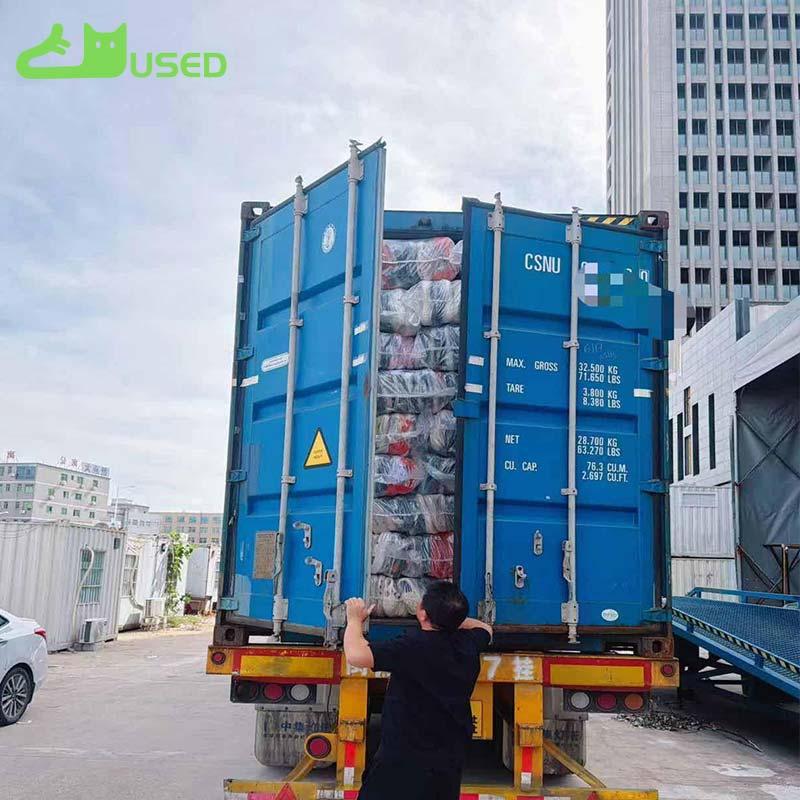
Black Friday can change the timing and exposure of a golf shoe order, but it does not change the physical meaning of grade. A short promotion window can magnify the cost of late inspection, missing sole components, unresolved product evidence, slow cleaning and overstock after the event. Buyers should use their own dated event records as a demand signal, set a bounded inventory plan, define grade by observable fields, and work backward through receiving, service, photography, display and fulfillment capacity. Search interest and promotional attention do not prove sales volume, and event pressure must never lower safety or disclosure controls.
Review prior event stock, completed sales, inquiries, stock age, markdown, returns and channel capacity where legitimately available. Separate golf shoes from broader athletic stock and identify the condition, size and price cohorts represented.
Search suggestions, competitor listings and platform attention can form questions, not volume claims. Where history is weak, use a small test allocation and a conservative downside plan rather than copying a broad promotion percentage.
dated event outcomes
condition size and price context
question not volume proof
bounded trial exposure
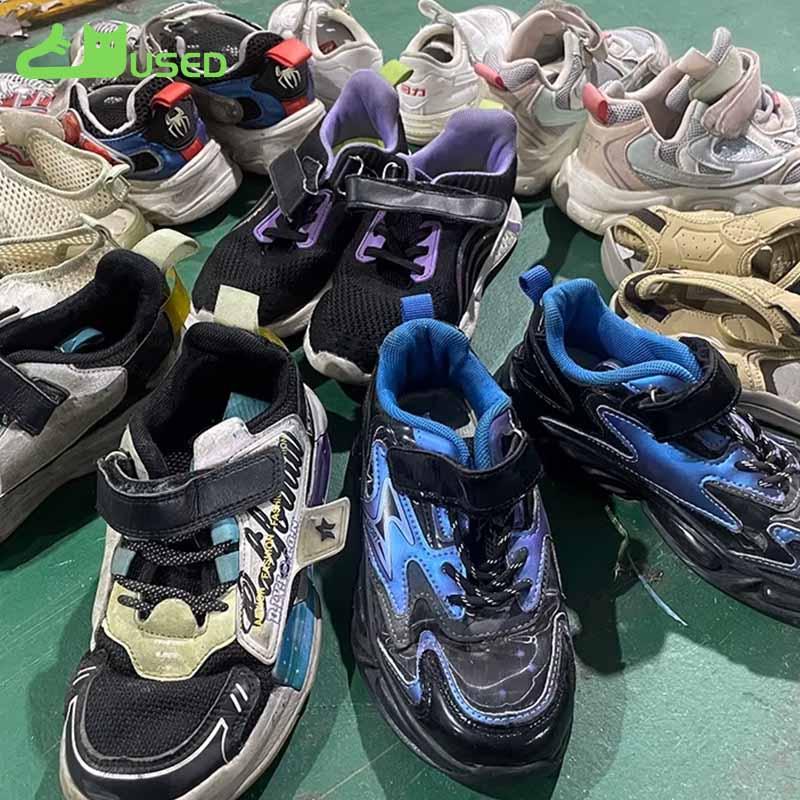
Record complete pairing, marked size, upper shape and wear, seams, closure, lining, insole, outsole surface, sole components as present, missing parts, repairs and mate variance. State pass, service, restricted, evidence hold and decline boundaries field by field.
Do not call a pair premium merely because it looks attractive or is intended for a promotion. Grade does not prove authenticity, traction, course compliance, waterproofing or remaining life. Keep supported claims in a separate evidence status.
mates marks and form
condition and residue
wear parts and repairs
ready work restricted hold decline
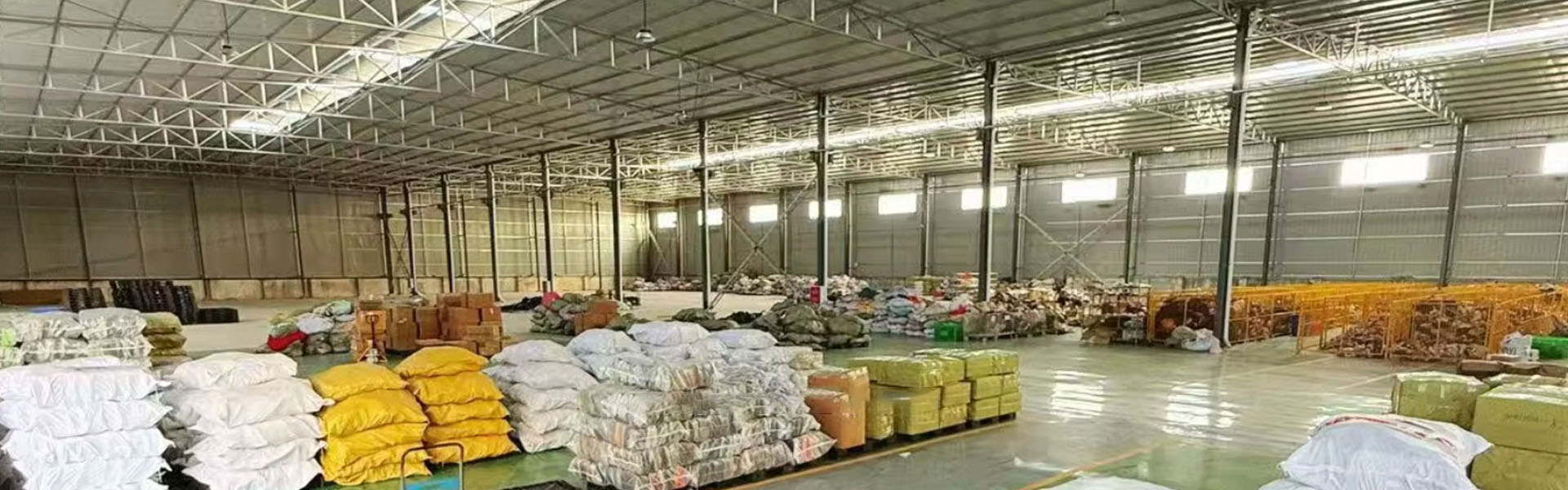
Set the final customer-ready date, then reserve time for receiving, count reconciliation, inspection, cleaning, drying, parts, specialist review, reinspection, photography, description, packing and display or fulfillment setup. Assign responsible capacity to each step.
Pairs that cannot close by the cutoff should move to a post-event lane, not be rushed through inspection. Show active labor and waiting capacity separately. A promotion clock is a commercial control, never evidence that physical uncertainty has disappeared.
customer-ready date
inspection service and recheck
images disclosure and setup
post-event or stop route
The window connects physical grade, preparation capacity and event exposure without weakening release controls.
| Window stage | Required evidence | Inventory decision | Guardrail |
|---|---|---|---|
| Demand bound | Dated cohort outcomes and capacity | Set exposure cap | No attention-to-volume claim |
| Grade | Pair upper interior sole parts and evidence | Ready work restrict hold decline | No performance inference |
| Countdown | Work content and fulfillment slots | Event or post-event route | No rushed uncertainty |
| Live event | One inventory status and outcome record | Keep change or exit | No hidden condition |
| Close | Leftover burden and contribution | One next-plan revision | No automatic repeat |
Event grade selection is complete when every promoted pair is physically closed and every leftover already has a route.
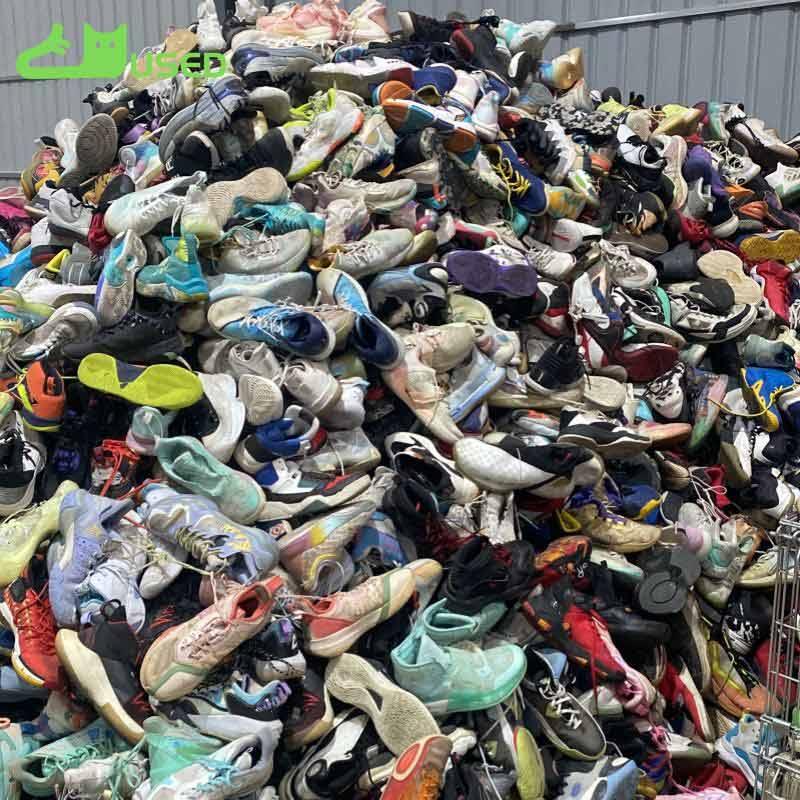
Build ready, serviced and rechecked, restricted-value, post-event hold and decline cohorts. Allocate only released pairs to the event count. State size bands, direct work, evidence wording and intended channel for each lane.
Price from released landed cost and condition-matched outcomes. Do not use the supplier's packed count or a high asking price as the margin denominator. Limit the number of pairs whose service or evidence could miss the cutoff.
closed ordinary route
work and recheck complete
specific disclosed limitation
missed event or open evidence
Maintain one inventory truth across online, store and stall routes. Record pair code, channel, listed or displayed state, completed outcome, questions, stock age, markdown and return cause. Protect specialist components and pair identity during high handling.
Do not respond to slow movement by hiding condition or broadening unsupported claims. Use approved price, placement, channel or cohort changes and preserve the record of what changed.
one pair one current status
condition and containment
approved price placement or channel
sale markdown return and cause
After the event, reconcile actual released count, service burden, completed sales, markdown, returns, post-event inventory and contribution by grade cohort. Compare those results with the original cap and countdown assumptions.
Change one grade tolerance, size allocation, service ceiling, cutoff, exposure cap or exit rule. Do not repeat leftover inventory simply because event attention was high. The next plan should reflect what moved and what burden remained.
plan versus released and sold
cohort age and route
actual work and return friction
one next-event control
No. Use dated buyer records and a bounded trial.
No. Event timing cannot override physical and evidence holds.
No. Keep performance and identity claims separate from condition.
Only released pairs whose work and evidence close before the cutoff.
Use actual released count, work burden, completed outcomes, returns and leftovers.
Black Friday changes the operating window for golf shoes, not the evidence required for grade. The used sneakers wholesale category provides the sneaker context; bounded event history, physical grade fields, capacity countdowns, released inventory control and post-event exits govern selection. Use the page inquiry form to request exact pair views, grade definitions, size counts and packing timelines.

Direct Factory Supplier of Used Shoes For African Markets In China
 Tel: +8618606960861
 Email: info@usedshoeswholesale.com
 MP/WhatsApp: +8618606960861
 Manufacturer Address:Cizao Town, Jinjiang City, Quanzhou City, Fujian Province