Author:Used Wholesale Manufacturer TIME:2026-08-13
Best-price Hoka shoe work and walking screen
Best price Hoka shoes should not be assigned to work or walking markets from silhouette, cushioning appearance or brand recognition alone. Used pairs can differ in compression, heel wear, platform alignment, upper support, outsole loss, interior condition and repair history. A buyer must define the intended outlet question without prescribing safety, medical benefit, comfort or remaining life. The useful screen records the exact pair, separates product evidence from physical condition, rejects unstable or uncertain stock, prices accepted yield and direct work, and runs a small channel trial using dated outcomes. Low acquisition price is only one input.
Name the channel, customer interaction, price range, stock-age target and intended comparison, such as durable-looking casual stock versus ordinary walking-style inventory. Record current stock, completed outcomes, questions, markdowns and returns where legitimately available.
Do not claim that the pair is suitable for a job, medical need, long-distance walking or a specific body type without appropriate evidence and qualified guidance. Search suggestions can reveal language to investigate, not usage or sales proof.
named outlet and price lane
bounded comparison
dated local outcomes
no health safety or fit promise
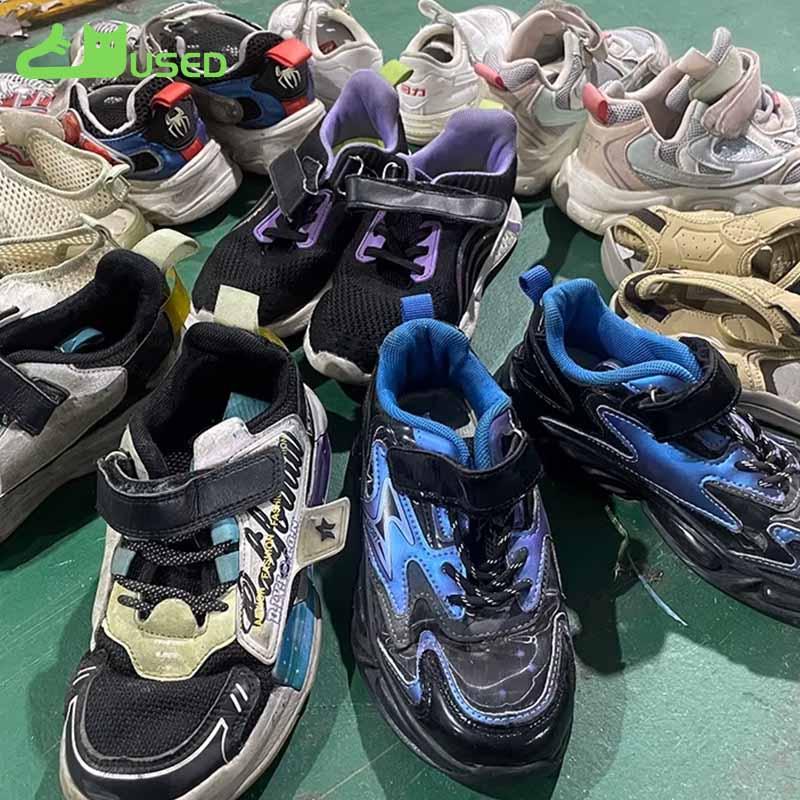
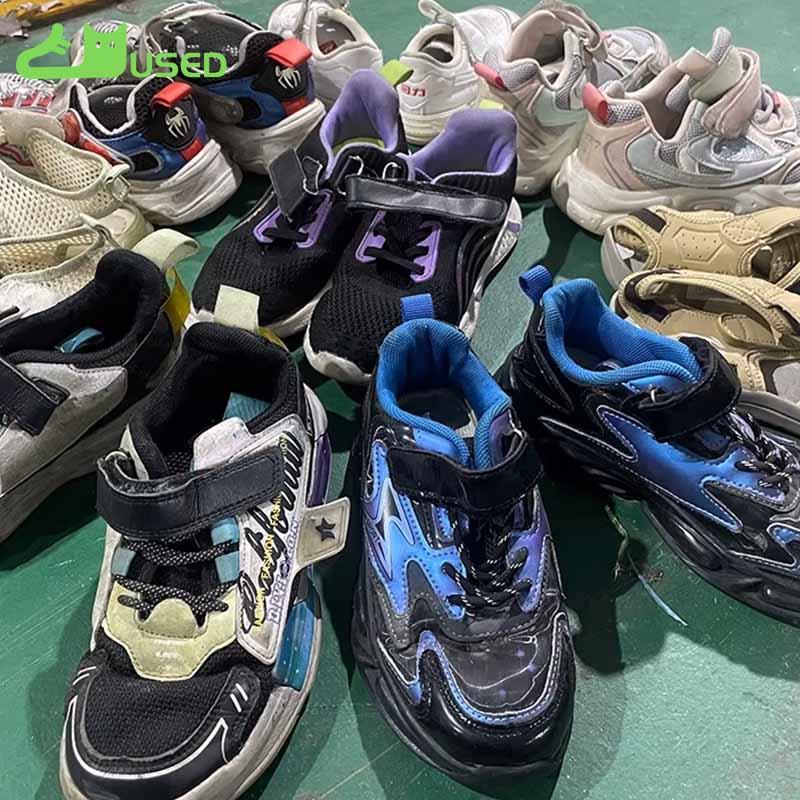
Place both shoes on a level surface and photograph side, rear, top and underside views. Record marked size, external measurements where agreed, visible platform height, lean, distortion, heel compression, forefoot shape and left-right variance without forcing the materials.
Visual profile cannot prove cushioning performance, stability or remaining life. Severe tilt, collapse, cracking, separation or unexplained repair should move the pair to specialist review or decline. Keep model and identity evidence in a separate file.
standing side and rear profile
visible heel and forefoot change
left-right geometry variance
physical not performance conclusion
Review toe and flex zones, mesh or surface condition as supported, seams, overlays, eyelets, laces, tongue, collar, heel counter area, lining, insole and residue. Operate closures gently and compare mates under the same light.
Do not infer breathability, hygiene, support or fit from appearance. Wetness, unknown residue, sharp objects, severe lining failure or uncertain material damage follows the approved hold route. Record cleaning and replacement needs separately.
shape tears seams and overlays
parts and gentle operation
collar lining insole residue
ready work hold or decline
The screen connects observable pair fields to a bounded outlet trial without promising suitability.
| Screen stage | Required record | Buyer decision | Unsupported shortcut |
|---|---|---|---|
| Outlet question | Named channel price and local evidence | Set trial scope | Universal work or walking fit |
| Pair profile | Alignment compression and mate variance | Pass hold or decline | Cushioning or stability proof |
| Physical fields | Upper interior outsole edge and repair | Route and disclosure | Traction or hygiene claim |
| Economics | Released yield and direct work | Price and exposure cap | Low buy price equals value |
| Outcome | Age markdown return and contribution | One next control | Generalizing one sale |
A useful market screen states what was observed, what remains unsupported and how the outlet trial will stop.
Record outsole coverage, heel and forefoot loss, cuts, exposed layers, embedded objects, sole-edge gaps, midsole creases, cracks, discoloration and prior repair. Use only the approved low-force method and stop when movement appears.
A visible tread pattern does not prove traction. Midsole appearance does not establish cushioning. Assign ready, service candidate, restricted, specialist hold or decline based on observed boundaries and outlet disclosure capacity.
coverage loss and cuts
gap bond and repair
crease crack and deformation
no traction or cushioning inference
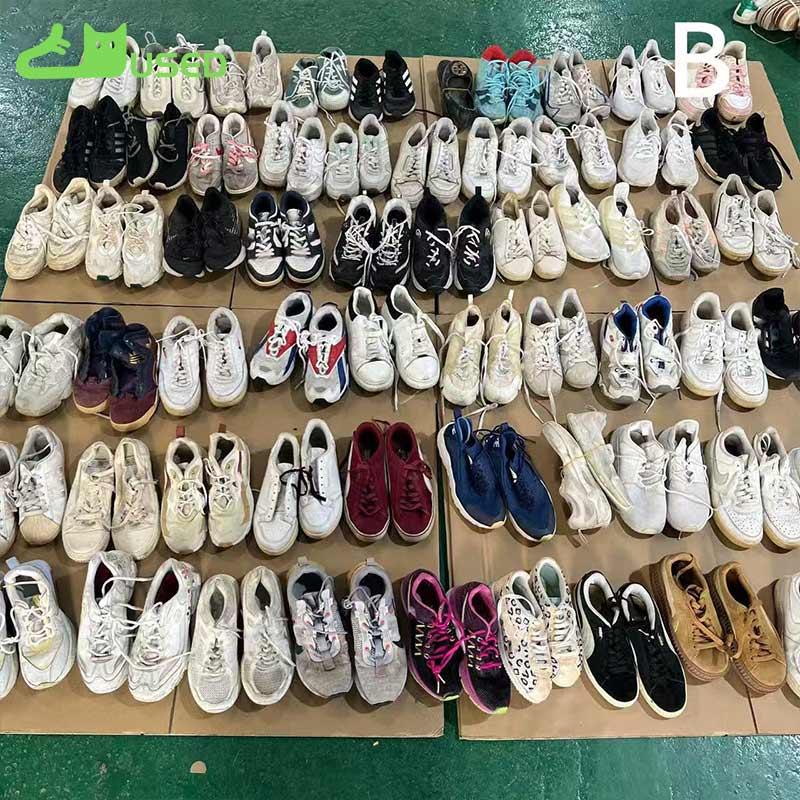
Use accepted complete pairs as the commercial denominator. Add goods, freight, receiving, inspection, cleaning, drying, parts, service, recheck, content and channel burden by route. Keep held and declined pairs visible in the downside case.
Set a small work-style or walking-style trial cohort with a review date and exit rule. Price from condition-matched local outcomes rather than asking prices. A low buy price cannot compensate for high service, slow stock or returns.
accepted complete pairs
landed and direct work
capped pairs and review date
markdown transfer or stop
Link completed sale, markdown, transfer and return to pair code, profile group and outlet. Separate fit expectation, measurement, condition, service, disclosure, price and fulfillment causes. Record days held and contribution after direct burden.
Change one platform-variance tolerance, outsole limit, upper condition field, size band, service ceiling or maximum buying price. Do not generalize one favorable result across the category.
sale age markdown return
controlled pair-level code
after direct burden
one measurable control
No. Record visible condition without predicting performance.
Only within supported evidence and appropriate professional or workplace guidance; this screen does not make that claim.
Use accepted complete pairs and preserve holds and declines.
Condition, service and return evidence may be limited.
Use profile variance, direct burden, days held, returns and contribution.
Best-price Hoka shoes belong in a market trial only after exact-pair condition and claim limits are clear. The used sneakers wholesale category provides the sneaker context; bounded use questions, geometry records, upper and sole inspection, released-yield economics and pair-level outcomes govern the buy. Use the page inquiry form to request current pair profiles, size records, grade fields and packing details.

Direct Factory Supplier of Used Shoes For African Markets In China
 Tel: +8618606960861
 Email: info@usedshoeswholesale.com
 MP/WhatsApp: +8618606960861
 Manufacturer Address:Cizao Town, Jinjiang City, Quanzhou City, Fujian Province