Author:Used Wholesale Manufacturer TIME:2026-08-13
Best-price Birkenstock hot-climate resale check
Best price Birkenstocks should not be selected for hot-climate resale from an assumption that every open sandal suits heat. Materials, adhesives, footbeds, straps, buckles, edge finishes and prior storage can react differently to humidity, direct sun, dust, water and repeated handling. The buyer needs a named destination, real storage and selling conditions, exact-pair inspection, a controlled preparation trial and an exposure limit. Climate language must remain local and evidence-based. Physical appearance does not prove comfort, hygiene, material identity, authenticity or future durability, and low supplier price does not remove preparation or aging risk.
Record destination, indoor or outdoor storage, ventilation, direct-sun exposure, humidity or rain handling as locally observed, dust, shelf or floor display, customer handling and stock-age target. Use dated local records rather than a country-wide climate assumption.
Define which conditions are controlled and which remain uncertain. The brief should guide packaging, inspection and storage questions; it cannot guarantee how a used pair will behave over time.
named local context
indoor outdoor and ventilation
sun dust moisture and handling
uncontrolled exposure
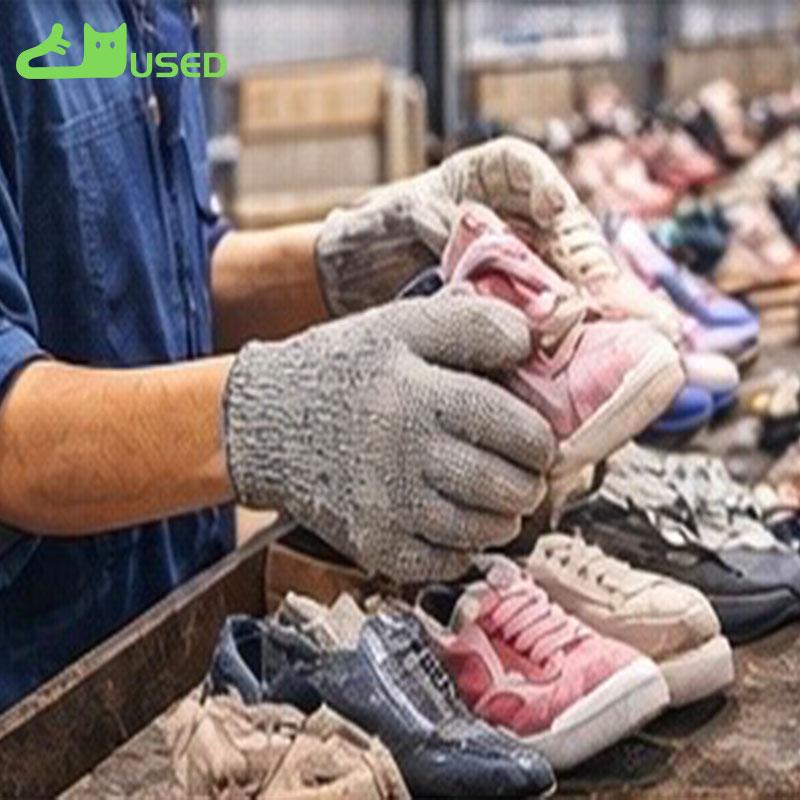
Inspect strap tops, undersides, edges, folds, holes and attachment points for cracking, stretching, peeling, cuts, stains and earlier repair. Check buckle security, corrosion, sharp edges, missing parts and gentle operation. Compare mates.
Do not force a stiff or damaged strap. Unknown material descriptions remain qualified. Loose or sharp hardware, severe cracking and uncertain attachment should move to service review or decline, not a persuasive cosmetic treatment.
crack mark and distortion
attachment and movement
security finish and operation
length and condition variance
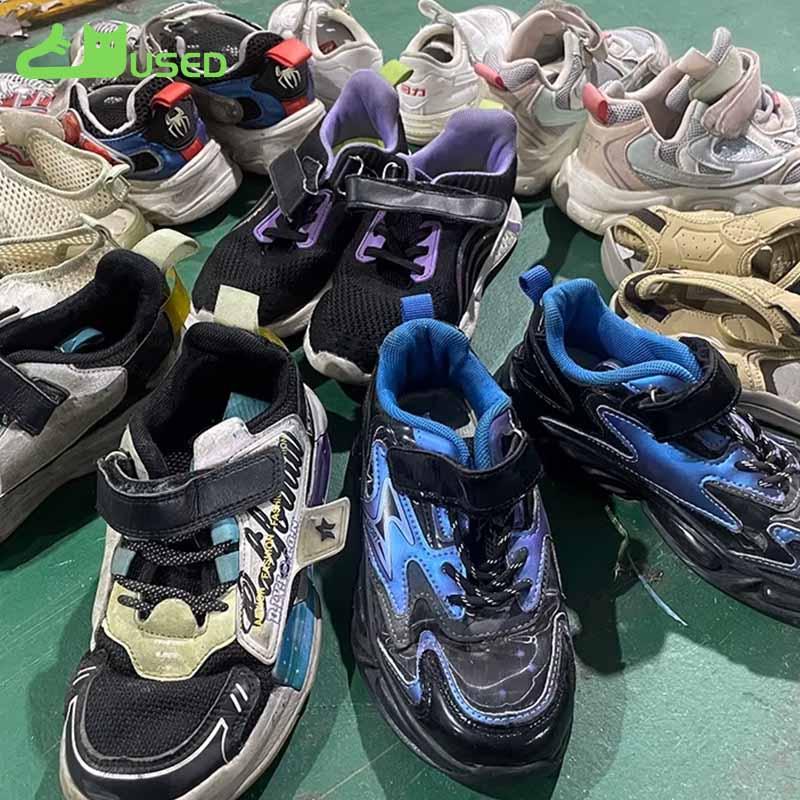
Record toe, ball, arch and heel zones, compression, staining, print loss, cracks, lifting layers, residue, repairs and mate difference. Inspect the complete edge perimeter for crumbling, gaps, coating loss and earlier treatment.
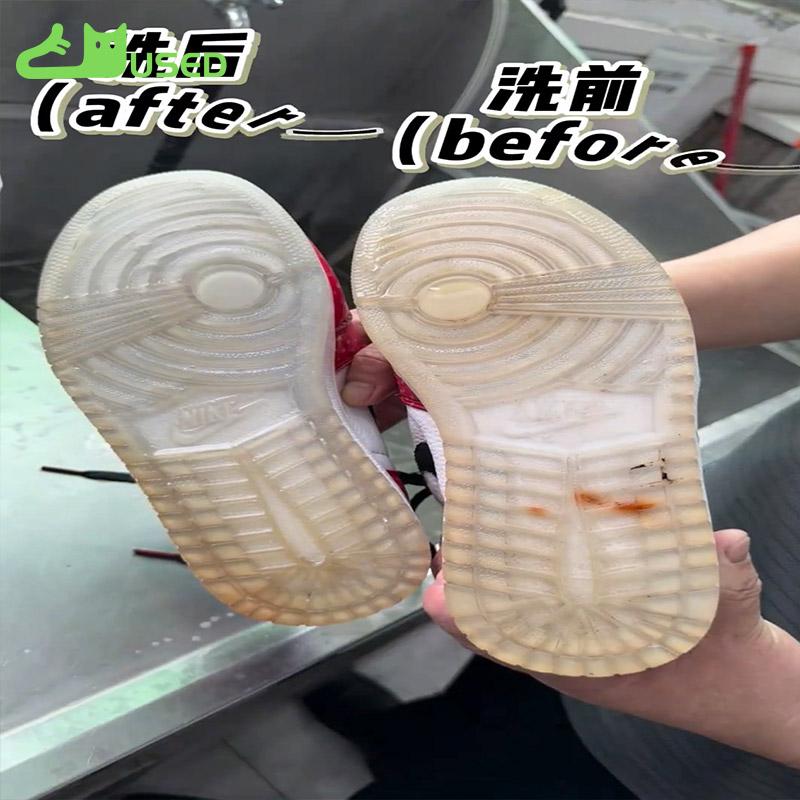
Cleaning may improve presentation but cannot prove sanitation or restore original structure. Separate removable marks, permanent disclosed wear, service candidates and structural uncertainty. Keep product and material claims in a separate evidence file.
toe ball arch and heel
lifting crack and repair
perimeter gap and finish
condition not identity proof
The checkpoint connects local exposure to observable components and a controlled trial.
| Checkpoint | Evidence | Release action | Do not claim |
|---|---|---|---|
| Local exposure | Storage display sun moisture dust and handling | Define trial controls | Country-wide climate fit |
| Strap and hardware | Surface anchors holes buckle and mates | Ready service hold decline | Future durability |
| Footbed and edge | Zones layers compression gaps and repair | Disclose service or stop | Hygiene or original restoration |
| Outsole and process | Wear test method drying and change | Recheck route | Traction or heat resistance |
| Outlet feedback | Burden age returns and material change | One next control | Universal demand |
A hot-climate resale plan is useful when its exposure, component evidence and limits all stay local and traceable.
Record heel and forefoot wear, cuts, exposed layers, edge separation, embedded objects and prior repair. For preparation, define a low-visibility test area, product or method, operator, contact and drying conditions, stop rule and before-and-after record.
Do not improvise chemicals or make heat, hygiene, slip-resistance or durability claims. Stop when color, texture, bond or shape changes beyond the approved boundary. Reinspect only after the pair is dry and stable.
wear cuts and exposure
small controlled area
method time and drying
material or bond change
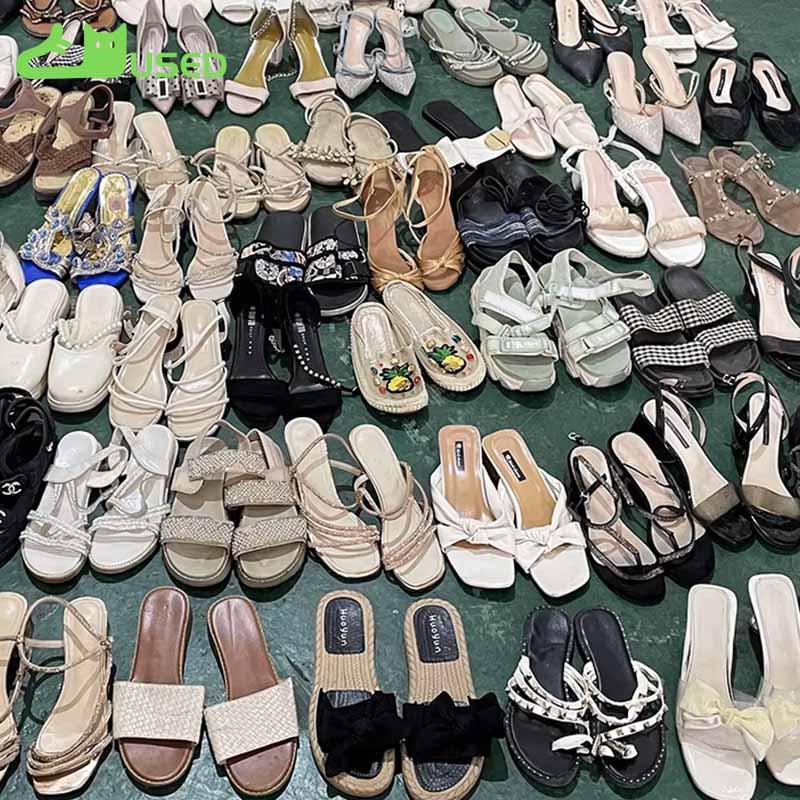
Use ready, serviced and rechecked, restricted, evidence hold and decline lanes. Define pair containment, dust protection, ventilation, sun and moisture avoidance according to the local operation, plus a review date for stored and displayed stock.
Do not let restricted pairs enter ordinary stock without disclosure. Track condition changes during storage and handling. A pair that passes intake can still move to hold if edges, straps or footbeds change before sale.
ready serviced restricted hold decline
pair and dust containment
local storage and display control
condition and stock-age date

Record preparation minutes, material changes, days held, markdown, customer questions, returns and contribution by condition lane. Separate fit, appearance, strap, footbed, edge, outsole and disclosure causes.
Change one strap tolerance, edge limit, preparation method, storage rule, exposure cap or maximum buying price. Keep the trial local; do not generalize one shop's result into a broad climate claim.
work drying and failed process
age sale markdown return
component and disclosure code
one local control
No. Inspect the exact pair and define local storage, display and handling.
No. Record the process and remaining wear without unsupported claims.
Use the written limits for crumbling, gaps, lifting layers and uncertain repair.
Follow an approved material-compatible process; do not improvise exposure.
Use component changes, work burden, stock age, returns and local outcomes.
Best-price Birkenstocks need a local exposure and component file before hot-climate resale. The used slippers and sandals wholesale category provides the sandal context; named storage conditions, strap and footbed checks, controlled preparation, release monitoring and local outcome feedback govern the order. Use the page inquiry form to request exact pair views, component fields, size records and packing conditions.

Direct Factory Supplier of Used Shoes For African Markets In China
 Tel: +8618606960861
 Email: info@usedshoeswholesale.com
 MP/WhatsApp: +8618606960861
 Manufacturer Address:Cizao Town, Jinjiang City, Quanzhou City, Fujian Province