Author:Used Wholesale Manufacturer TIME:2026-08-13
Sneaker resale site youth stock selection
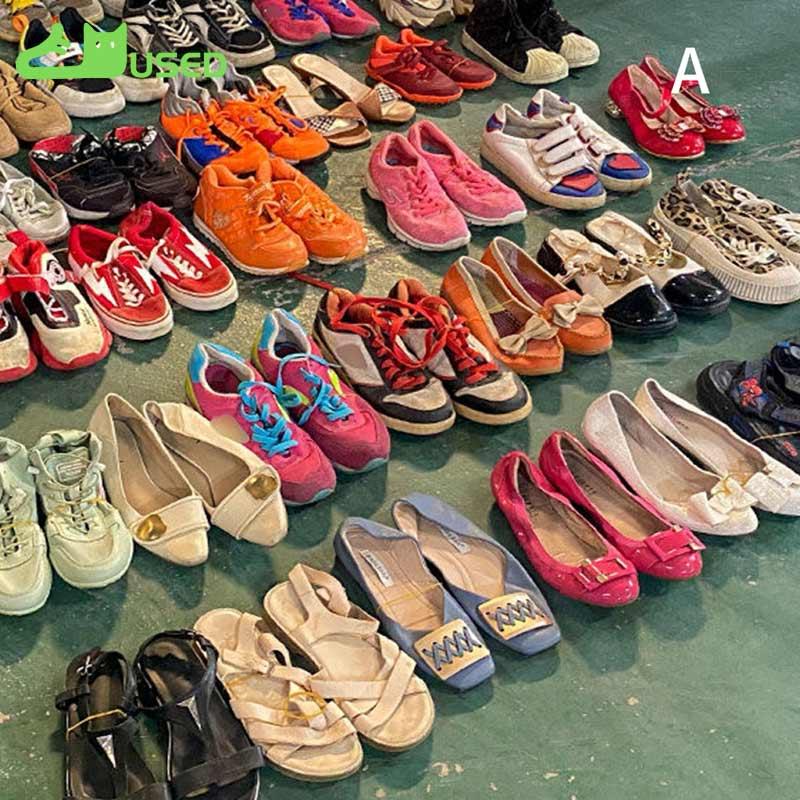
Sneaker resale sites should guide youth stock selection with countable size, condition, price and evidence rules rather than a popularity list. Youth-related inventory can involve fast size changes, fit uncertainty, household budgets, school or casual use questions, and return friction, but the exact priorities belong to the buyer's local channel and customers. A resale site should not infer age, health, performance or suitability from style. The buyer needs reliable measurements, complete pairs, supported product wording, condition disclosure, bounded price lanes, inventory accuracy and a feedback loop that protects both purchasing capital and truthful listings.
Record the resale site's location, audience relationship, price lanes, current size inventory, stock age, completed outcomes, customer or household questions, transfers, markdowns and returns where legitimately available. Separate school, casual, sport-style and fashion questions without asserting intended use.
Search trends and social attention can identify terms to investigate but do not prove demand volume. Use privacy-respecting aggregated records and do not infer personal characteristics from browsing behavior.
named resale operation
current marked-size inventory
completed sale markdown return
aggregated legitimate evidence
Group stock by the size system shown, marked size band, internal or external measurements where agreed, form and mate consistency. Record unreadable marks and conversions as separate review items rather than silently normalizing them.
A size label does not guarantee fit. Listings should state the available measurement method and avoid age-based fit promises. Returns caused by measurement, expectation or marking conflict should feed back into cohort rules.
marking scheme as present
countable stock group
defined method and units
unreadable or conflicting mark
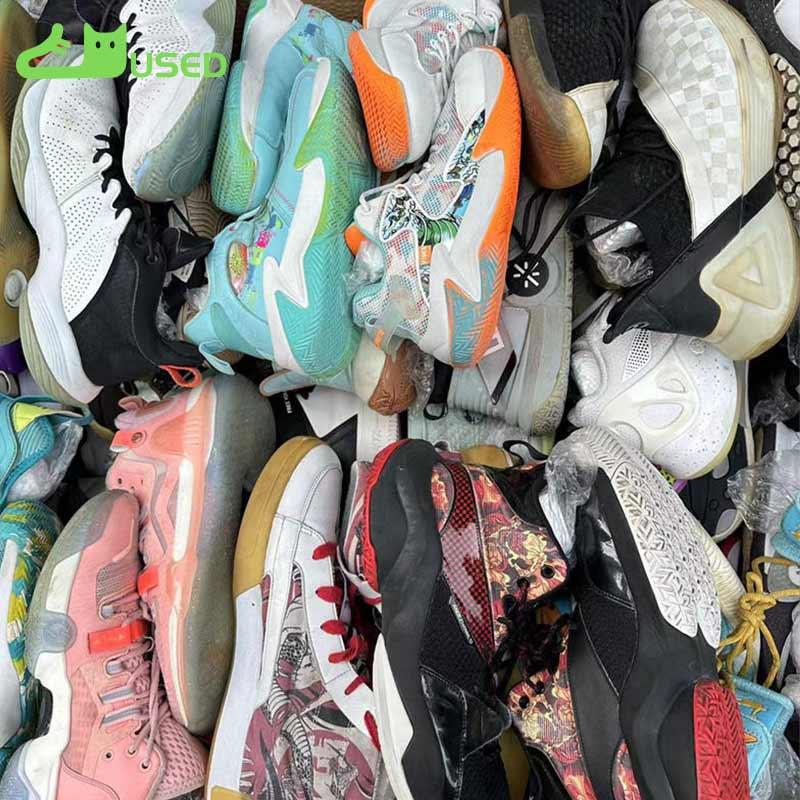
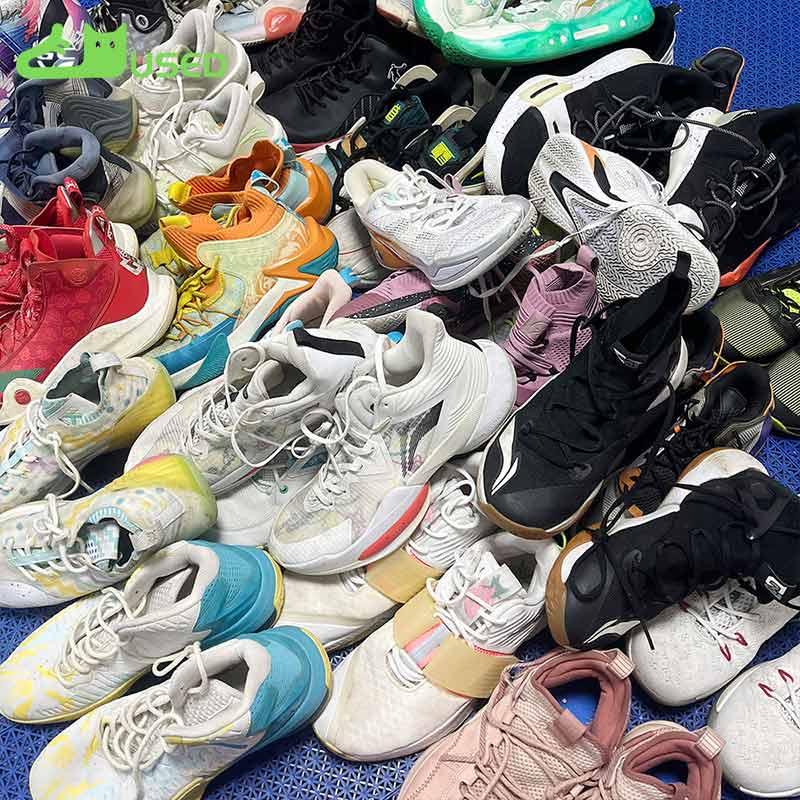
Inspect complete pairing, upper shape, seams, sole wear, edge movement, closure, collar, lining, insole, residue and prior repair. Assign ready, service, restricted, evidence hold or decline. Keep before-and-after records for authorized work.
Recognizable styling or labels do not prove authenticity. Do not promise sport performance, safety, comfort, hygiene or remaining life from appearance. Keep supported claim wording in a separate evidence status.
mates size form and condition
upper sole closure interior
task cost and recheck
supported limited or unresolved
The selector keeps size, condition, price and listing evidence connected to actual outcomes.
| Selector | Required input | Stock decision | Guardrail |
|---|---|---|---|
| Channel cohort | Local inventory and completed outcomes | Set test exposure | No trend-to-volume claim |
| Size | Marked system measurement and uncertainty | Band and cap | No age-based fit promise |
| Condition/evidence | Pair physical route and claim status | Ready service restrict hold decline | No performance inference |
| Listing | Exact images wording inventory and packing | Publish or hold | No generic substitution |
| Feedback | Age questions markdown and return cause | One next selector | No reaction to one viral item |
A youth-stock selector is useful when a buyer can trace every size and price decision to a released pair and a real outcome.
Calculate released landed cost, inspection, cleaning, service, photography, listing, packaging, fulfillment and return handling by cohort. Set bounded standard, serviced or restricted price lanes using condition-matched completed outcomes where available.
Affordability should be defined by the reseller's operating plan, not a universal household claim. Keep premium-looking but evidence-held pairs outside ordinary inventory. Cap slow, high-burden or uncertain cohorts even when online attention is strong.
released landed and direct burden
standard serviced restricted
maximum pairs and capital
condition-matched outcomes
Use pair-specific images, marked-size and measurement records, observable condition, completed service disclosure and supported product wording. Maintain one inventory status across every sales channel and protect pair identity during storage and packing.
Define a return intake that preserves pair code, stated measurements, condition and reason. Do not hide repaired areas or use generic images for materially different pairs. Remove or update listings promptly when condition or availability changes.
exact pair and material fields
supported claim and condition
one current status
pair-linked reason record
Compare completed outcomes, days held, markdown, questions and returns by size band, form, condition and price lane. Separate measurement, fit expectation, condition, claim, fulfillment and price causes.
Change one size-band cap, measurement field, condition tolerance, service ceiling, price exposure or listing requirement. Avoid rebuilding the whole assortment from one viral style or one exceptional sale.
days in available stock
sale markdown transfer return
controlled cohort code
one measurable selector
No. Provide the stated marking, measurement method and uncertainty.
No. Use it only as a question, then rely on local stock and completed outcomes.
No. Limit the listing to supported claims and observable condition.
Used pairs differ in wear, repair, marks and evidence status.
Use stock age, markdown, questions, returns and direct burden by cohort.
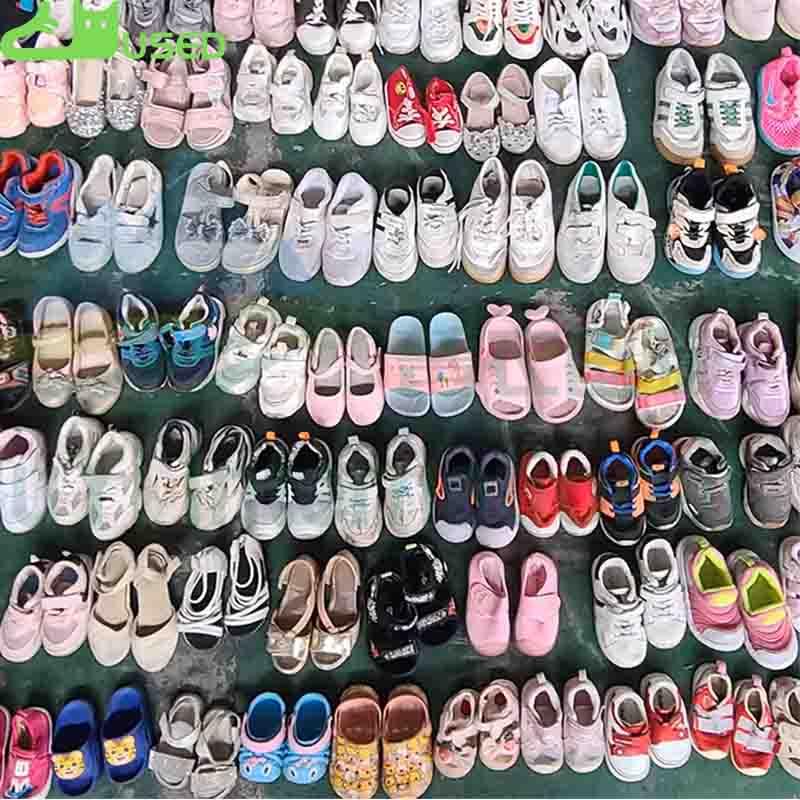
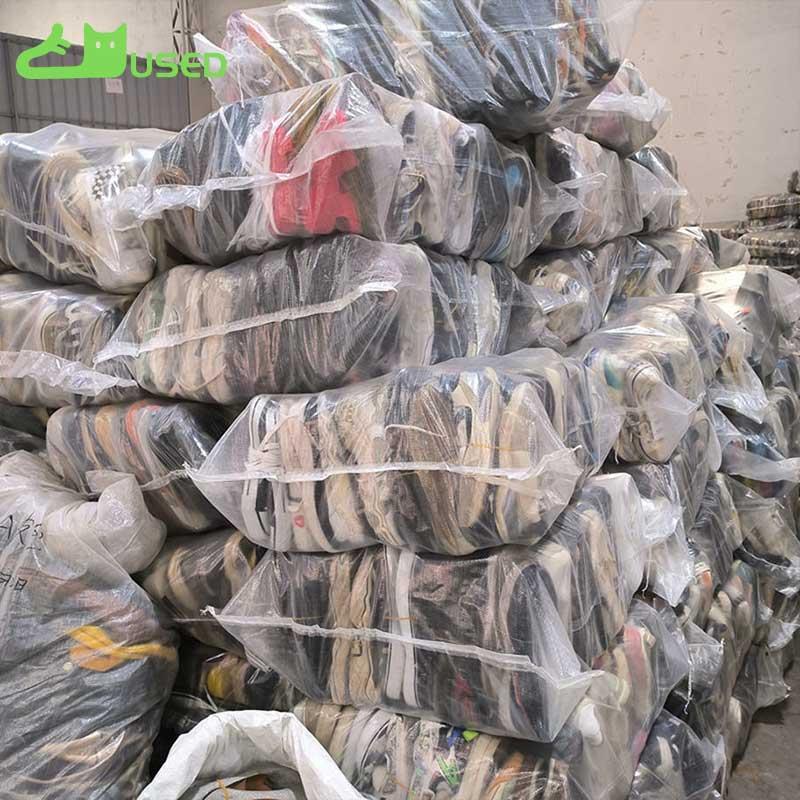
Sneaker resale sites should guide youth stock with pair-level size, condition and evidence rules, not popularity alone. The used sneakers wholesale category provides the sneaker context; local channel records, visible size uncertainty, released-pair pricing, exact listings and return feedback govern selection. Use the page inquiry form to request current size counts, condition fields, pair views and packing controls.

Direct Factory Supplier of Used Shoes For African Markets In China
 Tel: +8618606960861
 Email: info@usedshoeswholesale.com
 MP/WhatsApp: +8618606960861
 Manufacturer Address:Cizao Town, Jinjiang City, Quanzhou City, Fujian Province