Author:Used Wholesale Manufacturer TIME:2026-08-13
Used Jordans evidence and exposure ledger
A used Jordans order carries three different uncertainties that should never be compressed into one premium grade: the support for the product claim, the physical condition of each pair, and the ability of the selected size and style mix to move through a named resale channel. A buyer can inspect wear without authenticating a product, and a supported product claim cannot make a damaged pair sale-ready. The working file therefore needs separate evidence, condition and commercial decisions, with package references that survive packing and receiving. The purpose is not to promise authenticity or demand. It is to cap exposure until the exact lot supplies enough verifiable information.
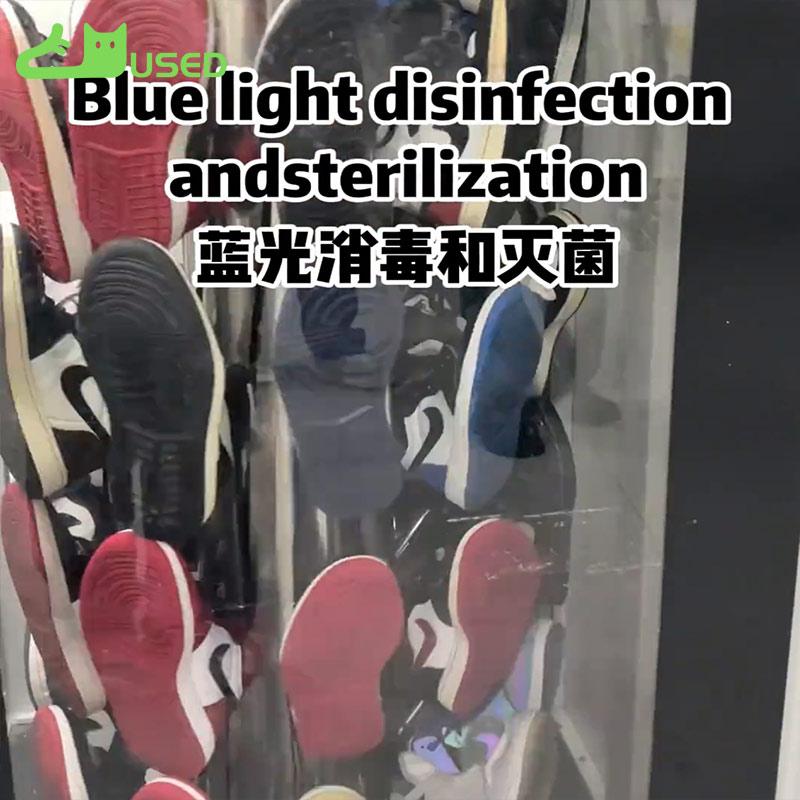
Assign a reference to each sampled pair and record its relationship to the offered stock. Capture both shoes, marked size, visible style information, color, included packaging or accessories, seller-supplied records, stock location and evidence date. Distinguish an exact pair, a representative sample and a general warehouse view.
For every label image, receipt, box, style reference, inspection opinion or seller statement, record the source, subject, date, original-or-copy status and limitation. None of these items is automatic authentication. Mark the claim supported, limited, unresolved or rejected for the intended transaction, and name the person responsible for any specialist review.
both shoes and lot relation
issuer date subject and limitation
separate from condition
buyer reviewer or hold authority
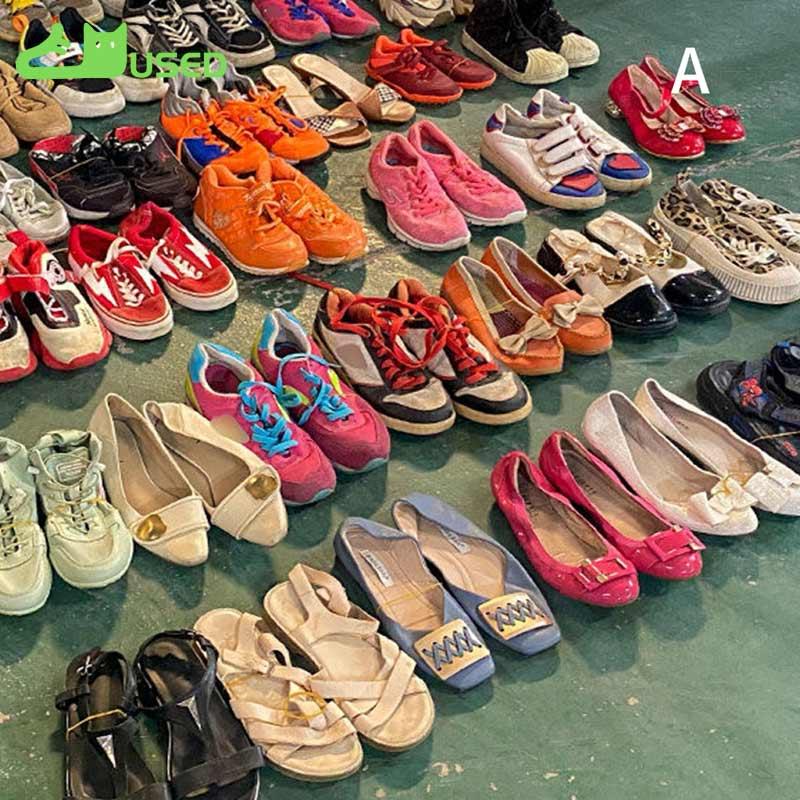
Count the offered stock by buyer-defined model family, marked size system, marked size, color group and condition route. Preserve unknown, unreadable and conflicting marks rather than forcing them into the preferred curve. A headline total is not useful when a few sizes or styles dominate the load.
Compare the count with dated records from the buyer's actual streetwear shop, online channel or transfer customer where such records exist. Use completed outcomes, stock age, questions, returns and markdowns as local evidence. Search interest or supplier opinion may identify a question, but neither should set a ratio. Cap every weakly evidenced size-model cohort.
buyer-defined and countable
system value and conflict
outcome age question or return
pairs money and review date
The ledger prevents one attractive attribute from hiding an unsupported claim, weak physical route or concentrated size risk.
| Decision layer | Required record | Release test | Exposure control |
|---|---|---|---|
| Claim | Source subject date and limitation | Wording matches support | Hold unresolved premium claims |
| Size/model | Counts by marked system model and channel | Cohort is within buyer cap | Limit pairs money and age |
| Condition | Pair upper lower unit interior and repair | Observable route is passed | Service ceiling or decline |
| Commercial | Released yield work fees and outlet | Downside remains viable | Trial quantity and exit rule |
| Receiving | Package pair and evidence reconciliation | Accepted variance is met | Hold exception and revise one control |
Approval requires all four commercial layers to be explicit; success in one layer cannot substitute for failure in another.
Use consistent views of toe, sides, rear, outsole, midsole edge, collar, tongue, lining and size marks. Record mate consistency, upper cuts, seam openings, shape loss, outsole wear, visible separation, heel geometry, interior wear, residue, odor observations under the buyer's protocol and prior repair.
Do not infer cushioning, traction, structural strength, remaining life or authenticity from photographs or gentle handling. Stop when a check could worsen damage. Route pairs to ready, defined service, physical hold, restricted disclosure or decline using written observable limits. Keep the physical route independent from the claim status.
cuts seams shape and mates
wear edges gaps and geometry
lining insole residue and odor note
no performance or identity inference
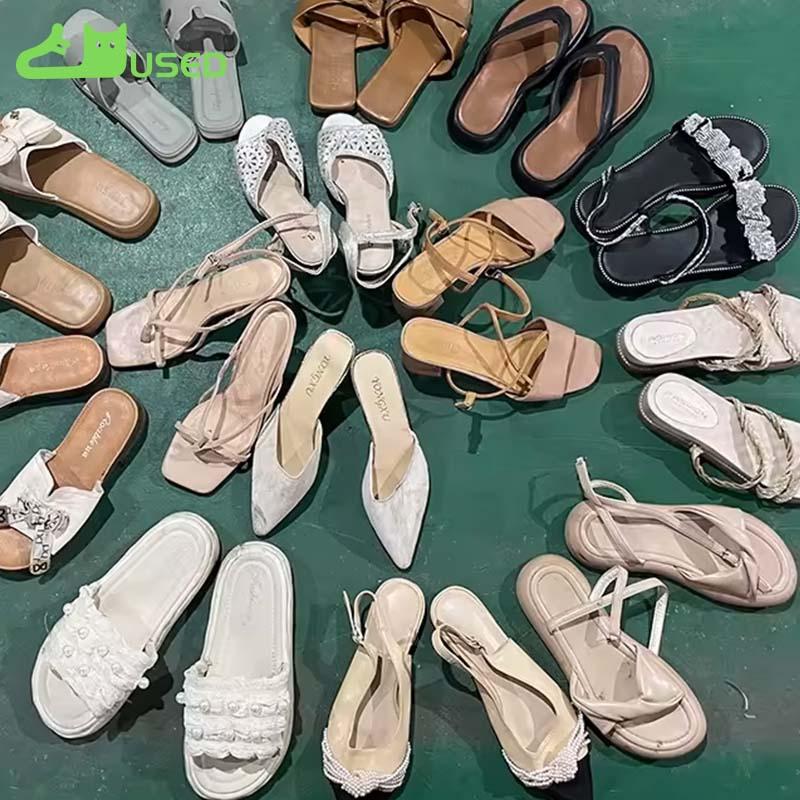
Calculate goods, freight, destination handling, receiving, evidence review, cleaning, approved repair, individual photography, listing, storage and expected return-handling burden against released complete pairs. Show held and declined pairs in a downside case rather than spreading them invisibly across premium units.
Set separate ceilings for claim review, physical service and time held. A recognizable model or high asking price is not evidence of resale value. Where local completed outcomes exist, compare condition-matched results after direct work and fees. Otherwise use a bounded trial, a lower exposure and a dated exit rule.
complete pairs cleared for route
review files and hold time
defined work and reinspection
holds declines returns and storage
Define channel requirements before allocation. A managed boutique may require stronger claim evidence and individual condition files; a condition-led sneaker outlet may accept qualified wording; unresolved pairs may require hold or a non-premium route only if lawful and accurately disclosed. The channel cannot repair missing evidence.
Create a release record containing pair reference, claim status, condition route, completed service, permitted wording, selling channel, price ceiling and reviewer. Prevent listing teams from changing limited wording into certainty. If a return or new document changes a material field, reopen the record instead of editing around the contradiction.
named outlet and evidence threshold
supported and limited claims only
cost and exposure based
new conflict return or material change
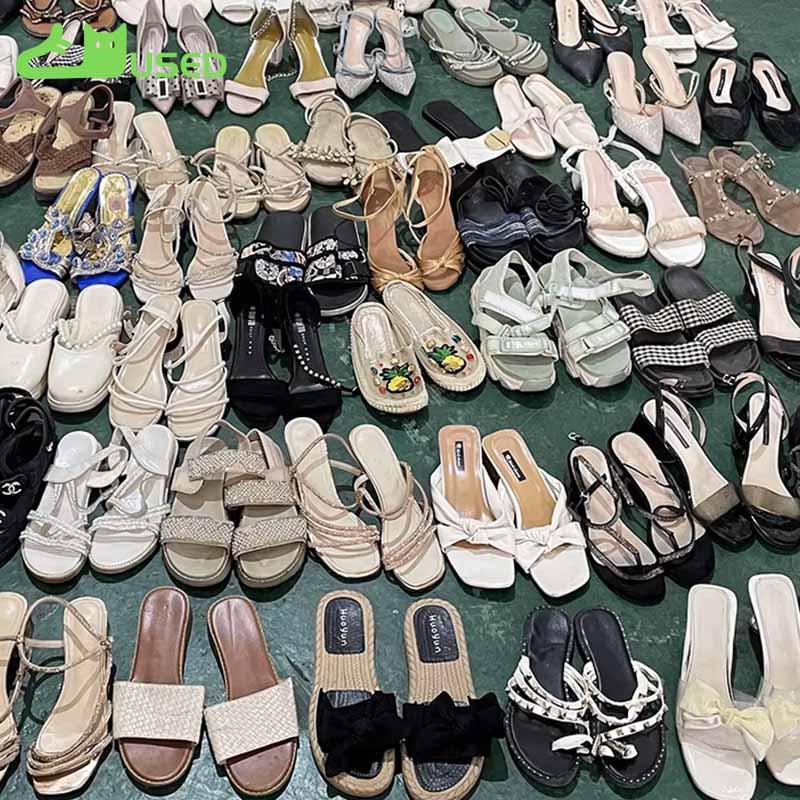
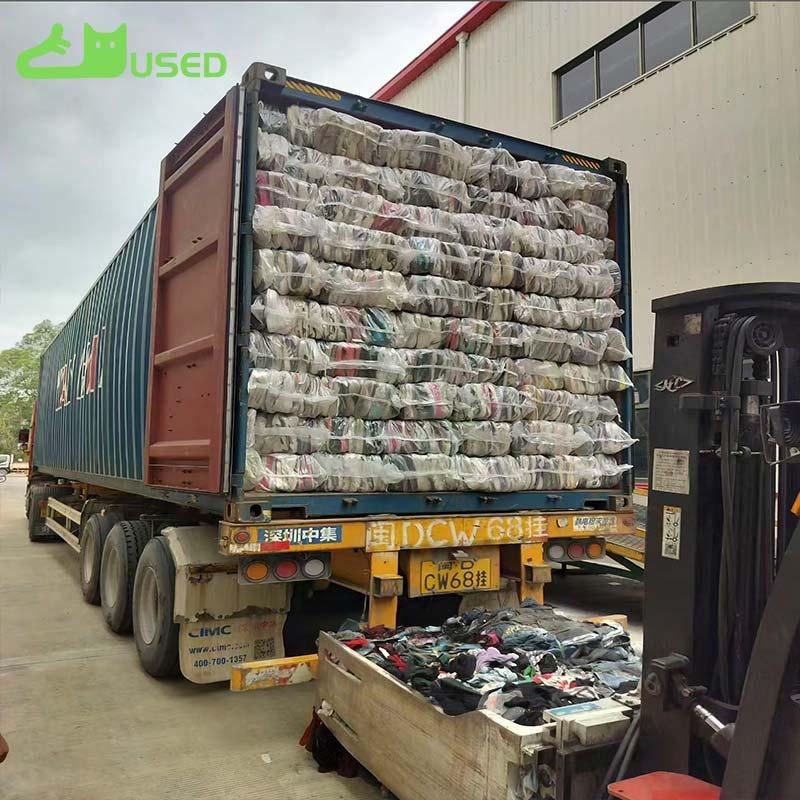
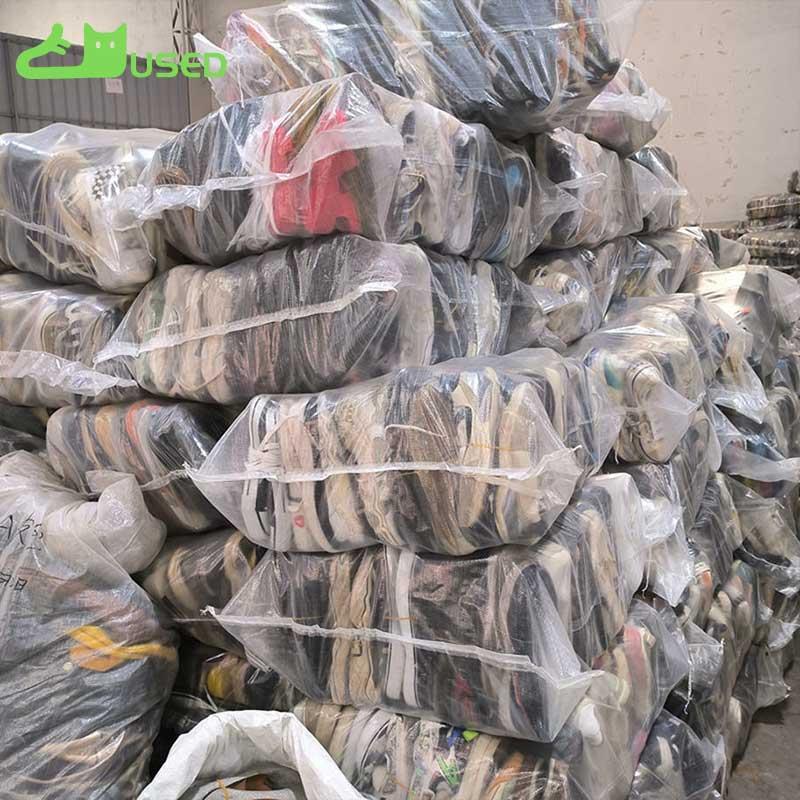
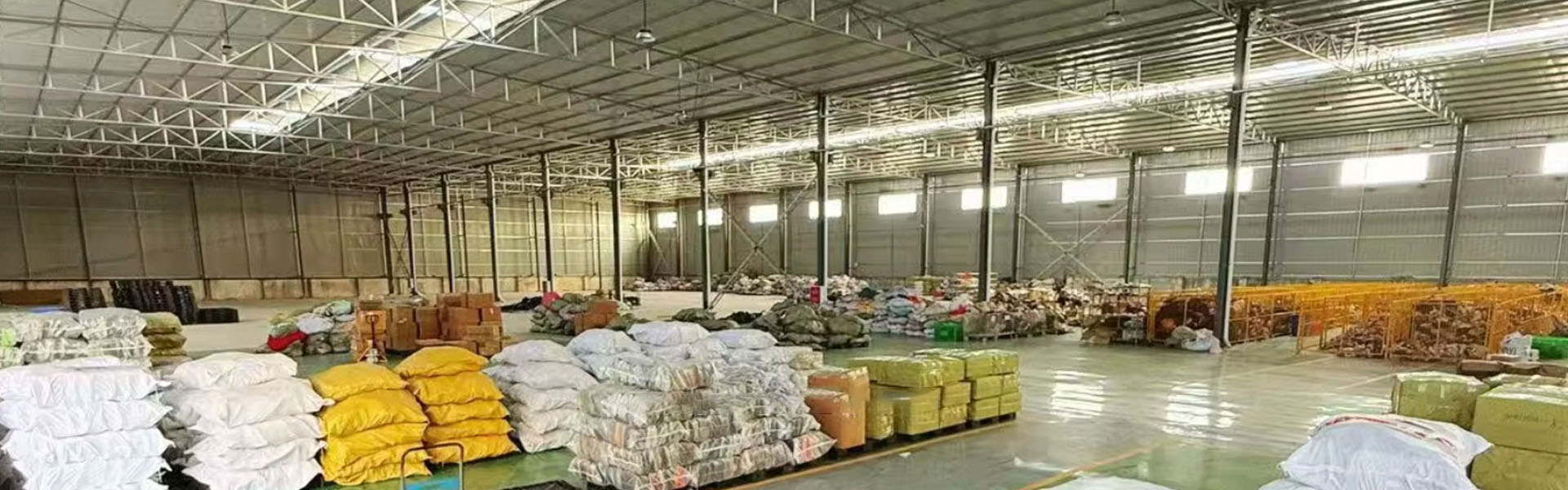
Pack released, service, evidence-hold and physical-hold stock separately. Use unique package marks, pair containment, category counts, defined weight basis and an approved substitution process. Reconcile the package list to the accepted model-size and claim-status ledger before loading.
At receiving, select packages across loading positions and match pair references, counts, marks, evidence status and key physical fields before preparation. Record substitutions, missing mates, damage and document changes by package. The next purchase should alter one exposure cap, evidence requirement, sample design, service ceiling or packing rule from that variance.
unique and ledger linked
release service and hold routes
pair evidence and condition match
one controlled next-lot change
No. Physical condition and claim support are separate decisions.
Use dated outcomes from the buyer's own channels and cap weakly evidenced cohorts.
No. Record observable wear and avoid unsupported performance conclusions.
Do not hide uncertainty in a premium price; hold, narrow or use qualified lawful wording and a bounded route.
Use package-linked variance to change one evidence, size, service or packing control.
A used Jordans lot is manageable only when claim support, physical condition and size-model exposure remain separate in the buyer's record. The used brand shoes wholesale category provides the relevant branded-footwear context; exact pair files, local channel evidence, released-yield costing and package reconciliation determine the order. Use the page inquiry form to request current lot views, marked-size counts, evidence status and packing records.

Direct Factory Supplier of Used Shoes For African Markets In China
 Tel: +8618606960861
 Email: info@usedshoeswholesale.com
 MP/WhatsApp: +8618606960861
 Manufacturer Address:Cizao Town, Jinjiang City, Quanzhou City, Fujian Province