Author:Used Wholesale Manufacturer TIME:2026-08-13
Used running shoe inspection bench
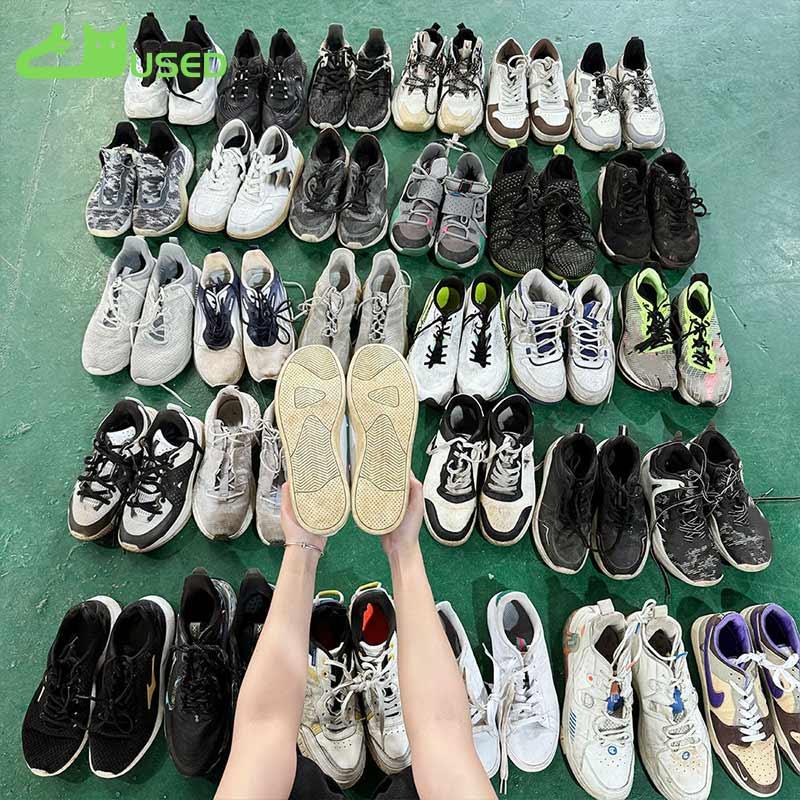
Used running shoes require a more disciplined inspection than a general sneaker grade because much of the buyer's risk sits in wear patterns, geometry and internal condition that photographs can only describe, not convert into performance claims. A useful inspection bench records both shoes on the same surface, separates observable outsole and midsole fields, identifies stop conditions, and keeps hygiene observations within a written protocol. The result is a physical release route and a realistic preparation cost. It is not a certification of cushioning, gait suitability, traction, safety or remaining service life.
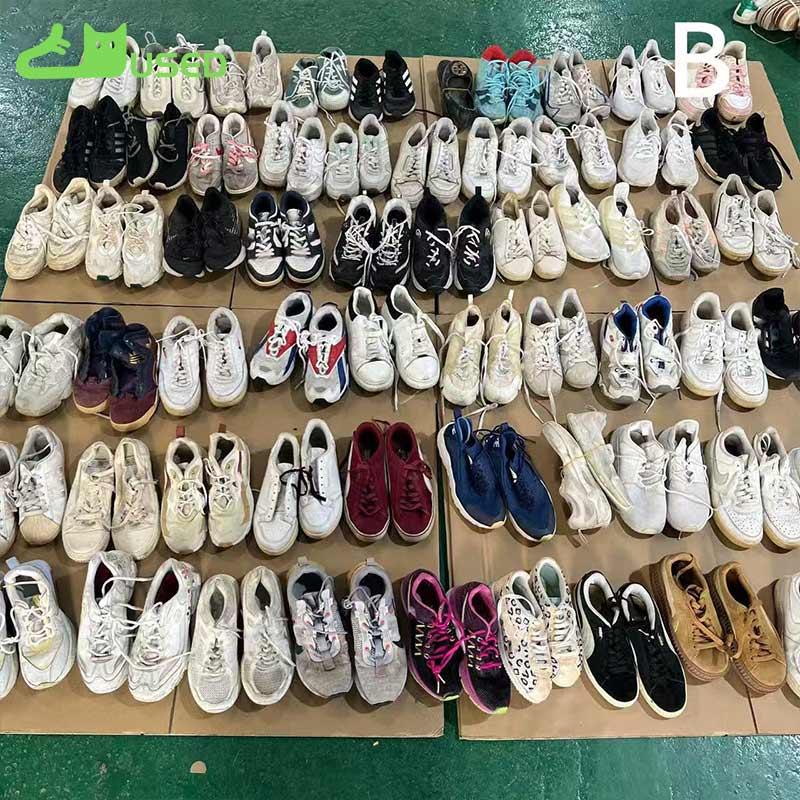
Select packages and pairs by a documented random or stratified method. Cover different load positions, marked-size bands, visible model groups and supplier condition routes. Record the denominator, package mark and selection owner. Do not allow attractive examples to replace the chosen sample after results are visible.
Assign one pair code and photograph both shoes from level side, rear, top and outsole views before cleaning. Record marked size, visible model information, mate consistency and prior repair. Keep sample findings as a range with exceptions rather than converting them into a guarantee for unsampled stock.
package position size and owner
both shoes and views
sampled pairs and packages
sample range not shipment guarantee
Divide the outsole into heel, midfoot, forefoot and edge zones. Record remaining visible pattern, smooth areas, asymmetric wear, cuts, embedded objects, exposed layers, separation and prior patching for each mate. Use a consistent orientation and photo distance.
The record describes physical wear only. It does not prove grip on a surface, suitability for a sport or remaining life. Establish written stop and decline rules for major separation, severe mate variance, exposed structure or other buyer-defined exceptions, and avoid any test that could worsen the pair.
heel midfoot forefoot and edge
pattern loss asymmetry cut and exposure
left-right variance
no traction or life claim
Stand both shoes on the same level surface and capture side and rear views. Record visible compression, creasing, tilt, bulging, cracks, gaps at upper or outsole junctions, heel counter collapse and obvious left-right differences. Note whether the observation is static or from an approved gentle check.
A photograph cannot measure cushioning response or hidden fatigue. Do not assign performance language such as responsive, supportive or safe from appearance. Route unusual geometry, movement or separation to specialist hold or decline. Keep normal cosmetic creasing separate from structural uncertainty using buyer-defined examples.
same level surface and view
compression tilt bulge crack and gap
mate and sample range
uncertain movement or separation
Each station produces an observable record, a route and a limit on what may be concluded.
| Bench station | Observable fields | Possible route | Do not infer |
|---|---|---|---|
| Pair register | Mates marks model view and package | Continue or identity hold | Exact stock from showcase image |
| Outsole | Zone wear cut exposure separation and patch | Ready restrict hold decline | Traction or remaining life |
| Midsole/geometry | Static shape tilt crack gap and mate variance | Ready specialist hold decline | Cushioning support or safety |
| Upper/interior | Cuts seams collar lining residue and odor note | Process restrict hold decline | Sanitation certification |
| Receiving | Same stations plus wetness and package damage | Release hold reprice or decline | Sample equals whole shipment |
The sheet is useful precisely because it separates what the buyer can observe from performance conclusions the inspection cannot support.
Record toe-box deformation, mesh or upper cuts, seam openings, eyelets, laces, tongue, collar wear, lining, insole presence, loose layers, residue and odor observation. Use neutral language and the same ventilation and observation procedure for all sampled pairs where practical.
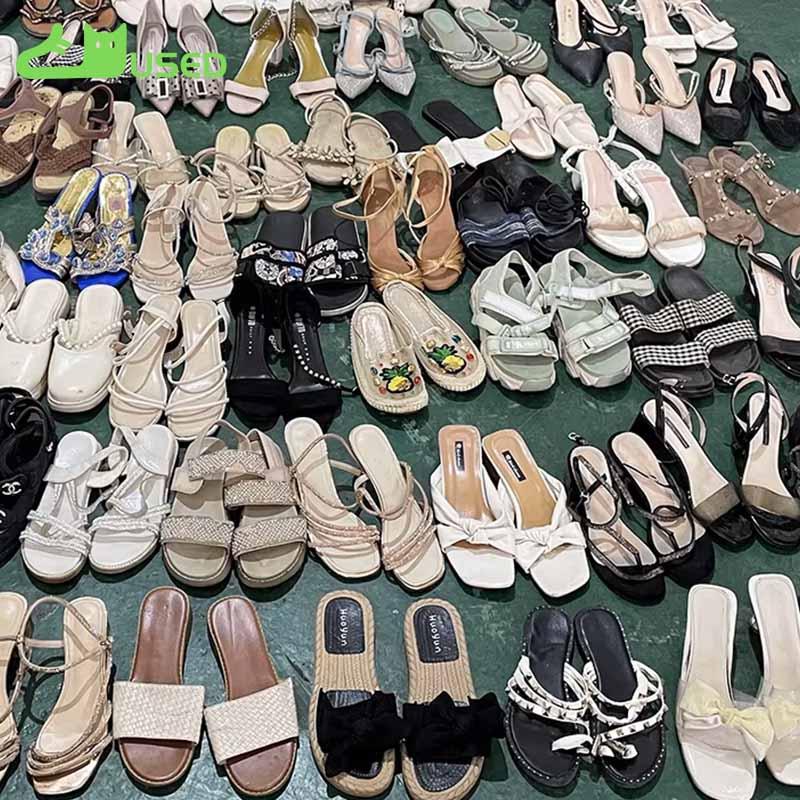
Cleaning does not prove sanitation or remove every exposure. Define allowed processes by supported material information, with task, product, dwell or drying requirement where applicable, cost and reinspection. Pairs outside the process boundary remain held, restricted or declined.
cuts seams closures and shape
lining insole residue and loose layer
consistent observation and process
no hygiene certification
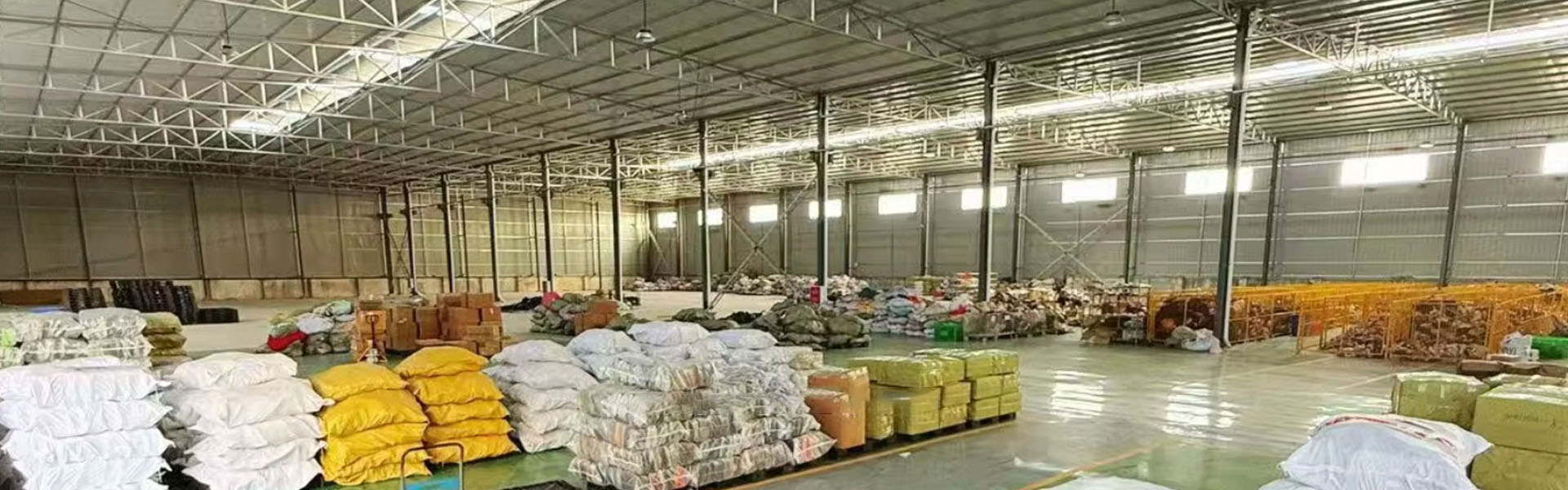
Calculate landed cost against complete pairs that pass the chosen route. Add inspection time, pair matching, approved cleaning, drying, limited service, packaging, photography, listing and return handling. Show base and downside yield, including held and declined stock.
Separate a general walking or condition-led resale lane from any claim about running performance. Set maximum service minutes and cost per route. A low purchase price can be uneconomic when inspection and drying queues are long, while an attractive pair should not hide the burden of the rest of the package.
released complete pairs
inspect clean dry service list
condition-led not performance
hold decline return and delay
Before preparation, select packages across the load and repeat pair registration, tread zones, standing geometry, upper and interior fields. Record wetness, crushing, missing mates and package damage. Compare the arrival distribution with the approved sample range and accepted variance.
Hold affected packages when material variance appears. Recalculate released yield and workbench capacity. For the next order, change one sampling stratum, tread or geometry tolerance, hygiene process ceiling, package protection rule or buying price. Preserve images and package marks so the cause remains traceable.
same fields and orientation
sample range versus arrival
mark position and damage
one controlled bench change
No. They document wear and damage, not traction on a surface.
No. Record geometry and variance without turning appearance into a performance diagnosis.
No. Record the approved process and remaining observable condition.
Use complete pairs released to the intended resale route, with downside holds and declines visible.
Hold affected packages, replay the bench and change one evidenced control for the next lot.
Used running shoes can be evaluated responsibly only through repeatable physical observations and explicit claim boundaries. The used sneakers wholesale category provides the broader sneaker context; representative sampling, tread mapping, static geometry, controlled interior work and released-yield economics govern the lot. Use the page inquiry form to request current pair views, size counts, inspection fields and package details.

Direct Factory Supplier of Used Shoes For African Markets In China
 Tel: +8618606960861
 Email: info@usedshoeswholesale.com
 MP/WhatsApp: +8618606960861
 Manufacturer Address:Cizao Town, Jinjiang City, Quanzhou City, Fujian Province