Author:Used Wholesale Manufacturer TIME:2026-08-13
Women's cowboy boot fit and boutique rail
Women's cowboy boots need more than a style label and nominal size before they can be allocated to a boutique. Shaft height and opening, toe form, heel geometry, closure method, marked size and current physical condition affect how the pair can be described, displayed and prepared. These measurements do not guarantee fit, and appearance cannot prove leather, strength or remaining life. A useful buying file combines a boutique style brief with a repeatable measurement rail, a service ceiling and an arrival plan. The assortment then reflects evidence from named outlets rather than an assumed festival or fashion trend.
Ask each boutique, vintage seller or online channel to define the forms it can present: shaft range, toe profile, heel band, closure type, color group, surface condition tolerance, marked-size range, display capacity and price lane. Record current stock age, completed outcomes, questions, returns and markdowns where available.
Keep the brief narrow enough to count. A general statement that western styles are popular cannot set a load ratio. Unknown or experimental forms should receive a separate trial cap, review date and fallback outlet rather than borrowing confidence from the core assortment.
named channel and capacity
shaft toe heel closure and color
dated stock and outcome record
pairs money date and fallback

Measure marked size as present, shaft height from the agreed point, opening circumference at a defined position, heel height and any other buyer-approved dimension. Record the tool, orientation and whether the boot was relaxed, supported or fastened. Compare both mates and note distortion.
Measurements support assortment and disclosure but do not guarantee calf or foot fit. Do not convert them between systems without a documented method. Preserve unreadable marks and out-of-range results, and avoid forcing a collapsed or stiff shaft into a preferred number.
system and value as present
height point and opening position
height axis and mate variance
measurement is not fit guarantee
Review collar, pulls or zipper, shaft shape, seams, decorative areas, vamp, toe, quarters, counter, heel axis, heel tip, upper-to-sole junction, outsole, lining, insole and prior repair. Use paired standing, side, rear, outsole and interior views.
Appearance alone cannot establish leather or construction method. Record seller material wording and supplied evidence separately. Do not infer heel strength, traction or remaining life from alignment or wear. Route seam openings, unstable geometry, separation or uncertain attachment to service review, specialist hold or decline.
shape seam pull closure and surface
vamp counter heel and junction
lining insole wear and repair
no material or performance inference
The rail connects outlet style requirements, defined measurements, condition and service without converting measurements into fit promises.
| Rail point | Record | Boutique decision | Hard limit |
|---|---|---|---|
| Style brief | Outlet shaft toe heel closure color and price | Core trial or outside brief | No generic trend ratio |
| Measurement | Marked size shaft point opening position heel and mates | Within range exception or hold | No fit guarantee |
| Condition | Shaft lower boot sole interior and repair | Ready service hold restrict decline | No strength or material inference |
| Service | Task basis provider cost deadline and recheck | Release disclose or stop | No original-condition claim |
| Receiving | Package shape measurement and condition variance | Release hold or revise | No bypass after compression |
A boutique-ready cohort must pass the written style brief, measurement method, physical route and economic ceiling together.
Cross marked-size bands with the outlet's shaft, toe, heel and color groups, then add physical route and service need. Count outside-brief, unknown and mate-conflict pairs. This reveals whether the load contains a usable rack or only isolated attractive examples.
Use local outlet records to set cohort minimums and caps. Keep scarce evidence small. A balanced total by marked size can still be unusable when one heel or shaft profile dominates. Preserve the destination and review date for each planned cohort.
marked size plus style fields
ready service hold restrict decline
display stock and evidence based
outside brief unknown or mate conflict
Define each allowed task, such as surface cleaning, closure work, heel-tip service or limited edge treatment, with supported material basis, provider, cost, deadline, before-and-after record and reinspection. Do not treat refinishing or repair as a return to original condition.
Calculate released cost with inspection, measurement, service, drying, shaping support where approved, individual photography, listing, storage and return burden. Set a stop when a pair would miss the boutique window or exceed its condition-matched price lane. Unresolved material or structural issues remain held.
one approved operation
material basis before/after and provider
cost time and outlet deadline
completed work and remaining wear
Specify pair containment, shaft support where appropriate, closure position, abrasion protection, category separation, unique package marks, count basis, weight basis and approved substitutions. Avoid compression that conflicts with the accepted presentation standard. Reconcile packages to the size-style matrix.
At arrival, record package condition, crushing, wetness, shape change, missing mates and substitutions before preparation. Repeat selected shaft, opening, heel and physical fields. Hold packages outside variance and change one measurement rule, style cap, service ceiling, protection method or buying price for the next order.
pair shaft closure and abrasion control
mark count weight and cohort
measurement and condition fields
one next-order control

No. Record the defined measurement and avoid a fit promise.
No. Keep material wording tied to supplied evidence and its limits.
Stop the check and use specialist hold or decline under the buyer's written rule.
No. Use named outlet evidence and a capped trial for weakly evidenced forms.
Replay selected shaft, opening, heel and condition fields after checking package damage.
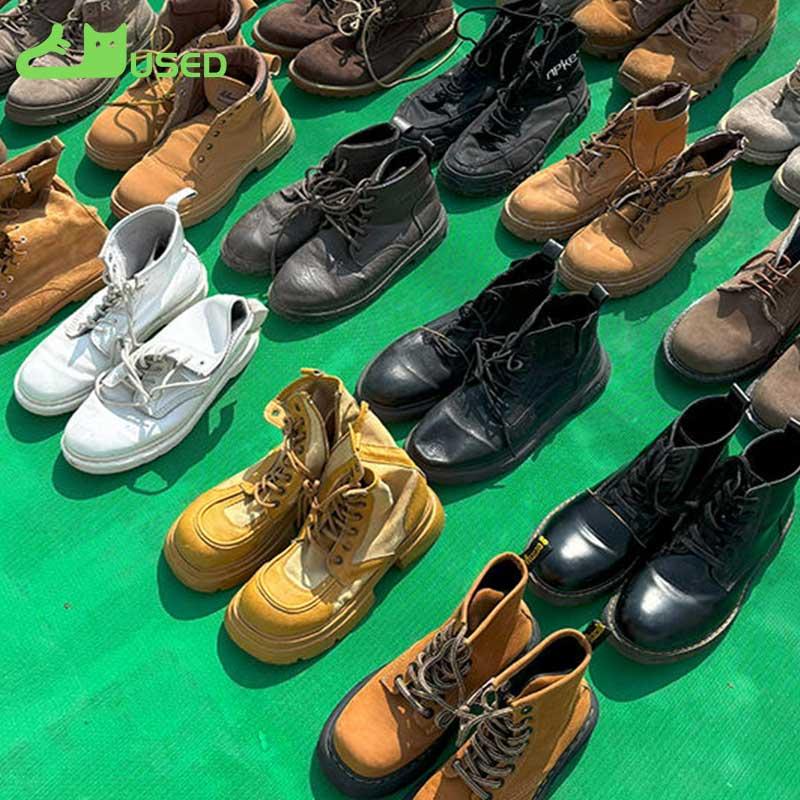
Used women's cowboy boots belong in a boutique assortment only when the style brief, defined measurements, physical condition and service economics agree. The used women's shoes wholesale category provides the broader women's footwear context; evidence-led cohort caps, conservative claim wording and shape-aware packing govern the order. Use the page inquiry form to request current boot views, marked-size counts, measurement fields and packing options.

Direct Factory Supplier of Used Shoes For African Markets In China
 Tel: +8618606960861
 Email: info@usedshoeswholesale.com
 MP/WhatsApp: +8618606960861
 Manufacturer Address:Cizao Town, Jinjiang City, Quanzhou City, Fujian Province