Author:Used Wholesale Manufacturer TIME:2026-08-13
Golf footwear component and season gates
Used golf shoes require a component inventory before they can be priced as specialist footwear. Removable-looking elements, molded traction, missing pieces, outsole wear and upper condition are not interchangeable, and photographs cannot establish surface suitability or traction. A club or course-market calendar is useful only when it is a dated local plan. The buyer should combine a visible component gate, the intended outlet's acceptance rule, a marked-size rack and a latest-useful-arrival date. Unknown compatibility, unsupported waterproofing language and structural uncertainty remain explicit holds.
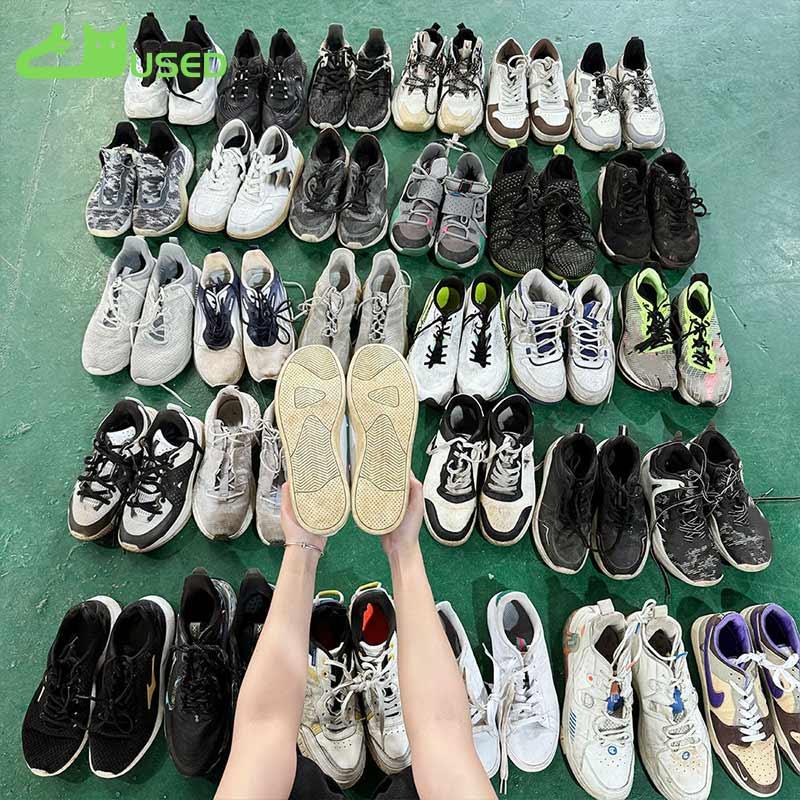
Photograph both outsoles and record molded features, removable-looking parts, missing or damaged elements, thread or socket appearance where visible, modification and mate consistency. Do not name compatibility without a verified reference.
Create separate cohorts for complete visible systems, missing components, uncertain compatibility, modification and non-specialist outsole forms. Require the intended outlet to approve its acceptable cohort; otherwise hold or decline it.
visible molded or component form
present missing damaged or altered
verified limited or unknown
named acceptance requirement

Record flex-area cracking, cuts, seam openings, upper-to-sole gaps, closure condition, tongue, collar, lining, insole, residue and prior repair. Compare mates and capture side, rear and interior views.
Appearance and seller wording cannot prove waterproofing, breathability or weather protection. Record supplied material or product evidence and its limitation. Do not use uncontrolled immersion tests; uncertain wetness or structure goes to hold.
cut crack seam and shape
lace dial strap or other as present
lining insole residue and wetness
no automatic weather performance
Count marked sizes with their stated system, visible traction cohort, condition route and intended outlet. Preserve unreadable marks and mate conflicts. Keep broad men's or women's labels separate from recorded sizes.
Use dated outlet stock, requests, outcomes, returns and season plans where available to set caps. A club request has a named scope; it is not a general golfer-size curve. Limit low-evidence systems and sizes.
system value and conflict
visible and compatibility status
name date and scope
pairs money and review
Record the outlet release date, latest useful arrival, receiving and component-check time, preparation capacity, internal transfer and contingency allowance. Keep route timing as a planning range, not a promise.
Write a fallback for late arrival: delay, redirect, narrow or decline. Do not waive compatibility or physical checks to save a season. Seasonal risk belongs in quantity and price, not weaker acceptance.
named outlet and date
receive check prepare transfer
latest useful arrival
preapproved late route
Every released cohort must pass visible-component, outlet, physical and timing gates.
| Gate | Evidence | Pass | Hold trigger |
|---|---|---|---|
| Component | Outsole views pieces modification and compatibility reference | Outlet accepts defined cohort | Missing unknown or conflict |
| Physical | Upper junction closure lining wetness and repair | Within observable limits | Structure or moisture uncertainty |
| Size/outlet | Marked system named request and cap | Rack range is met | Unscoped demand assumption |
| Calendar | Release work arrival stop and fallback | Useful window remains | Late without approved route |
| Receiving | Package-linked replay and substitution | All prior gates still pass | Unapproved variance |
Specialist resale begins only after component identity and outlet acceptance are recorded together.
Add landed cost, pair matching, inspection, component inventory, approved replacement or service, cleaning, drying, photography and return handling. Record provider, part source, cost, deadline and recheck for any work.
Replacement does not prove original specification or performance. Use complete released pairs as the denominator and show unknown or held components in the downside. Stop when service exceeds the outlet price or calendar ceiling.
source relation and disclosure
provider cost deadline and recheck
complete released pairs
outlet price and season stop
Pack visible traction cohorts, marked-size bands and physical routes separately with unique marks, pair containment, count basis, weight basis and approved substitutions. Reconcile package totals with the club rack.
At receiving, repeat component, outsole, upper, closure, size and wetness fields by package. Hold unapproved substitutions and damage. Change one compatibility requirement, size cap, calendar allowance, service ceiling or package rule from actual variance.
system size and condition
mark count weight and substitution
component upper and arrival state
one next-order gate
No. Require a verified reference or keep it unknown.
No. Keep any weather claim tied to supplied evidence and its limit.
Only for its dated and named scope; cap everything else separately.
Use the prewritten delay, redirect, narrow or decline route.
Do not make that claim; document the part and completed work.
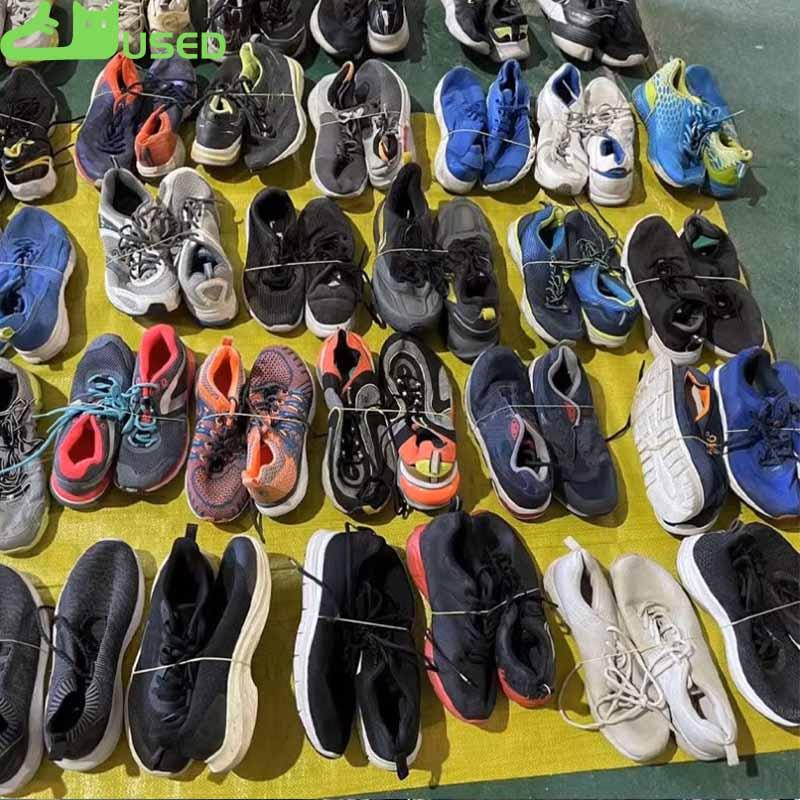
Used golf shoes need visible component records, outlet acceptance and a calendar stop before specialist value can be assigned. The used sneakers wholesale category provides the broader sneaker context; conservative weather wording, released-pair economics and package replay govern the order. In the page inquiry form, ask for traction-system close-ups, marked-size cells, component routes and the proposed package method.

Direct Factory Supplier of Used Shoes For African Markets In China
 Tel: +8618606960861
 Email: info@usedshoeswholesale.com
 MP/WhatsApp: +8618606960861
 Manufacturer Address:Cizao Town, Jinjiang City, Quanzhou City, Fujian Province