Language
YOUR POSITION:HOME > Blog >

Vivobarefoot Second Hand: How Importers Should Plan Minimalist Size Mix and Returns

Author:Used Wholesale Manufacturer TIME:2026-08-21
MENU

Buyers searching vivobarefoot second hand usually need to decide whether a specialist lot split by adult or child model, marked size, internal length, toe-box shape, sole wear, and intended activity can produce a dependable resale result. For minimalist-footwear importers and specialist online sellers, the practical objective is to control fit education, model separation, size depth, and return exposure before expanding a minimalist assortment. That decision depends first on model and intended-use identity, then on internal length and toe-box width, rather than on the product name alone.

Here, second-hand Vivobarefoot shoes is limited to a specialist lot split by adult or child model, marked size, internal length, toe-box shape, sole wear, and intended activity. The boundary is important for niche walking, barefoot-style, and natural-movement resale channels: buyers unfamiliar with minimalist fit may return sound pairs because the toe box, ground feel, and sizing expectations differ from conventional shoes. The first shipment should therefore expose the effect of fit-content preparation and individual measurement labor before a buyer treats the quoted pair count as saleable yield.

Why does minimalist footwear need a separate size plan?

Search interest in vivobarefoot second hand identifies a product, not a complete wholesale specification. Minimalist-footwear importers and specialist online sellers still need a release rule for model and intended-use identity and an exception rule for lining hygiene and pair consistency. In niche walking, barefoot-style, and natural-movement resale channels, those two second-hand Vivobarefoot shoes controls can send similar-looking pairs to different minimalistfit selling routes, preparation budgets, and delivery promises.

Write the second-hand Vivobarefoot shoes purchase brief around one measurable outcome: control fit education, model separation, size depth, and return exposure before expanding a minimalist assortment. Define the stock with a specialist lot split by adult or child model, marked size, internal length, toe-box shape, sole wear, and intended activity, then ask how model-size inventory table will prove that boundary. If the available vivobarefoot second hand mix changes, the supplier should revise the relevant minimalistfit lane, size, condition, or model ratio instead of silently replacing the reviewed second-hand Vivobarefoot shoes.

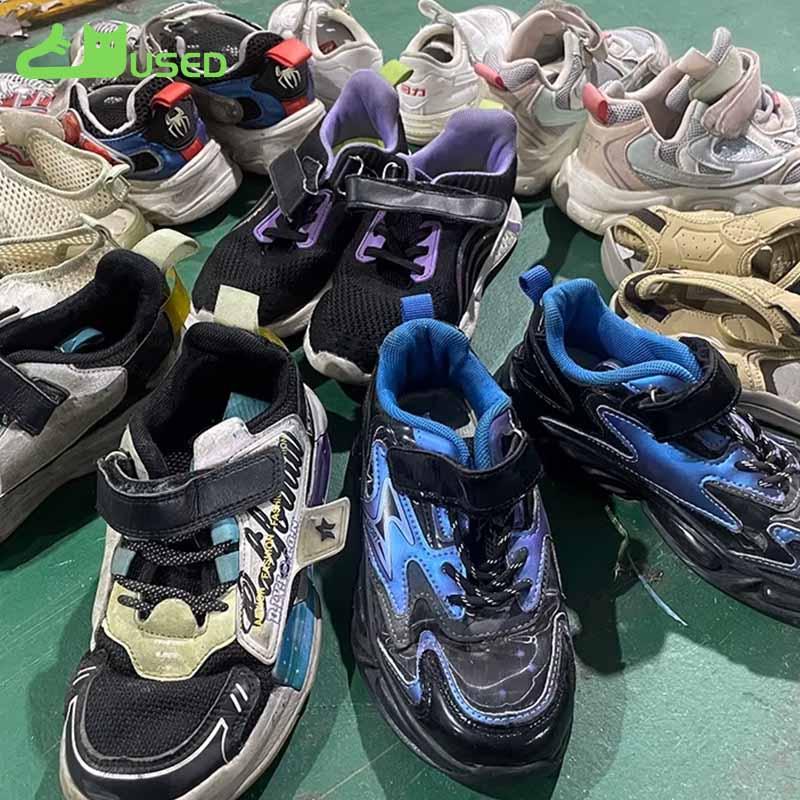
second-hand Vivobarefoot shoes reviewed for niche walking, barefoot-style, and natural-movement resale channels

Scope note: A specialist lot split by adult or child model, marked size, internal length, toe-box shape, sole wear, and intended activity. A quotation is incomplete until thin outsole wear pattern has a stated pass point and removable insole measurements where applicable shows how that point will be checked.

Which measurements reduce Vivobarefoot returns?

The written specification for second-hand Vivobarefoot shoes should name model and intended-use identity, internal length and toe-box width, thin outsole wear pattern, upper stretch and closure, and lining hygiene and pair consistency. For each second-hand Vivobarefoot shoes item, state what releases a minimalistfit pair, what lowers its minimalistfit lane, and what moves it to minimalistfit hold or rejection. That product-specific minimalistfit format lets minimalist-footwear importers and specialist online sellers compare the supplier's vivobarefoot second hand grading with the minimalistfit receiving result without relying on a broad premium or wearable label.

Quantities for vivobarefoot second hand should use the same a specialist lot split by adult or child model, marked size, internal length, toe-box shape, sole wear, and intended activity lanes during quotation, loading, and arrival. This makes paired outsole close-ups useful for reconciliation instead of decoration. When the focused second-hand Vivobarefoot shoes assortment needs a broader minimalistfit category benchmark, review the used brand shoes wholesale options. The minimalistfit buyer can then decide how much of this minimalistfit order can carry narrower product risk.

  • Control 1: Test model and intended-use identity against model-size inventory table and assign the failed pair to a named second-hand Vivobarefoot shoes exception lane.
  • Control 2: Test internal length and toe-box width against removable insole measurements where applicable and assign the failed pair to a named second-hand Vivobarefoot shoes exception lane.
  • Control 3: Test thin outsole wear pattern against paired outsole close-ups and assign the failed pair to a named second-hand Vivobarefoot shoes exception lane.
  • Control 4: Test upper stretch and closure against fit notes from destination sellers and assign the failed pair to a named second-hand Vivobarefoot shoes exception lane.
  • Control 5: Test lining hygiene and pair consistency against model-size inventory table and assign the failed pair to a named second-hand Vivobarefoot shoes exception lane.

How should adult and children's models be separated?

The table converts vivobarefoot second hand into four outcomes suited to niche walking, barefoot-style, and natural-movement resale channels. Read the quoted cost beside the release evidence and buyer action, because buyers unfamiliar with minimalist fit may return sound pairs because the toe box, ground feel, and sizing expectations differ from conventional shoes. A buyer may rename a second-hand Vivobarefoot shoes lane for local staff, but the underlying model and intended-use identity threshold should stay attached to its lot record.

Lot laneRelease evidenceResale routeBuyer action
Known adult core sizesmeasured fit and sound thin solespecialist walking and online resalebuild depth only from verified turnover
Children's minimalist lanegrowth-friendly condition and clear sizingfamily and school-adjacent specialist shopsseparate from adult conversion tables
Activity-specific modelsrunning, trail, casual, or water usemodel-aware customer channeldo not combine use claims without evidence
Fit-uncertain lanemissing measurement or stretched upperclarification, discount, or holdexclude from core size availability

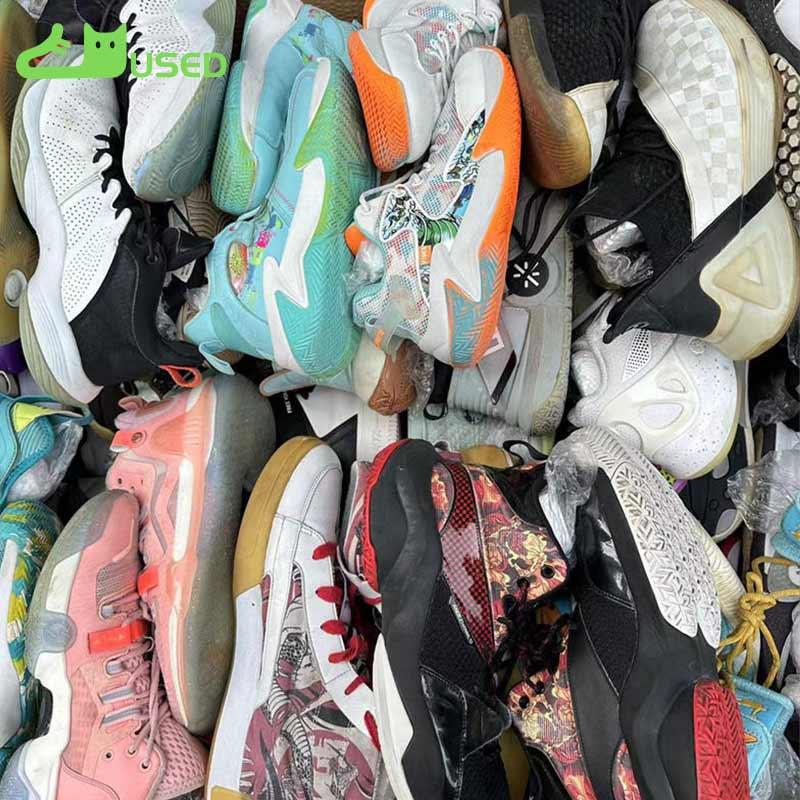
wholesale sorting lanes for second-hand Vivobarefoot shoes

What should sellers explain about ground feel?

Evidence for the proposed second-hand Vivobarefoot shoes lot should come from current, unselected stock and include model-size inventory table, removable insole measurements where applicable, paired outsole close-ups, and fit notes from destination sellers. Put a shared vivobarefoot second hand lot, bale, carton, or pair reference on those records. Minimalist-footwear importers and specialist online sellers can then connect the reviewed internal length and toe-box width result to the goods that are actually packed.

Ask when model-size inventory table was created, who assessed thin outsole wear pattern, and how a failed second-hand Vivobarefoot shoes pair changes the count. Selected display images cannot resolve the main vivobarefoot second hand risk here: buyers unfamiliar with minimalist fit may return sound pairs because the toe box, ground feel, and sizing expectations differ from conventional shoes. For this minimalistfit order, fit notes from destination sellers should sample more than one second-hand Vivobarefoot shoes packing position or inventory group before the buyer accepts the proposed ratio.

Importer-side check: Reconcile model-size inventory table with removable insole measurements where applicable for the same second-hand Vivobarefoot shoes reference. A vivobarefoot second hand mismatch should pause minimalistfit payment or loading until the supplier replaces the evidence or corrects the lane quantity.

supplier evidence for vivobarefoot second hand wholesale stock

Which data supports the next specialist order?

For vivobarefoot second hand, landed cost should add fit-content preparation, size-related returns, slow specialist models, and individual measurement labor to the supplier price. Charge each burden to the second-hand Vivobarefoot shoes lane that causes it. Dividing every vivobarefoot second hand expense by the offered minimalistfit pair count would understate the cost of pairs blocked by lining hygiene and pair consistency.

At arrival, keep the second-hand Vivobarefoot shoes references used in model-size inventory table until all four table lanes have been counted. Record vivobarefoot second hand release, preparation, repair, hold, and rejection totals for a specialist lot split by adult or child model, marked size, internal length, toe-box shape, sole wear, and intended activity; then connect each total to selling time in niche walking, barefoot-style, and natural-movement resale channels. The next second-hand Vivobarefoot shoes order should change only the minimalistfit ratios supported by receiving data, customer objections, and the actual effect of individual measurement labor.

  1. Count: Freeze the four second-hand Vivobarefoot shoes outcomes before cleaning, repair, or repacking changes their arrival evidence.
  2. Cost: Post fit-content preparation and size-related returns to the vivobarefoot second hand lanes where those expenses were incurred.
  3. Sell: Track the second-hand Vivobarefoot shoes first sale, markdown, return reason, and days held through niche walking, barefoot-style, and natural-movement resale channels for each accepted lane.
  4. Reorder: Rewrite the vivobarefoot second hand ratio from verified yield and turnover rather than the supplier's opening estimate.

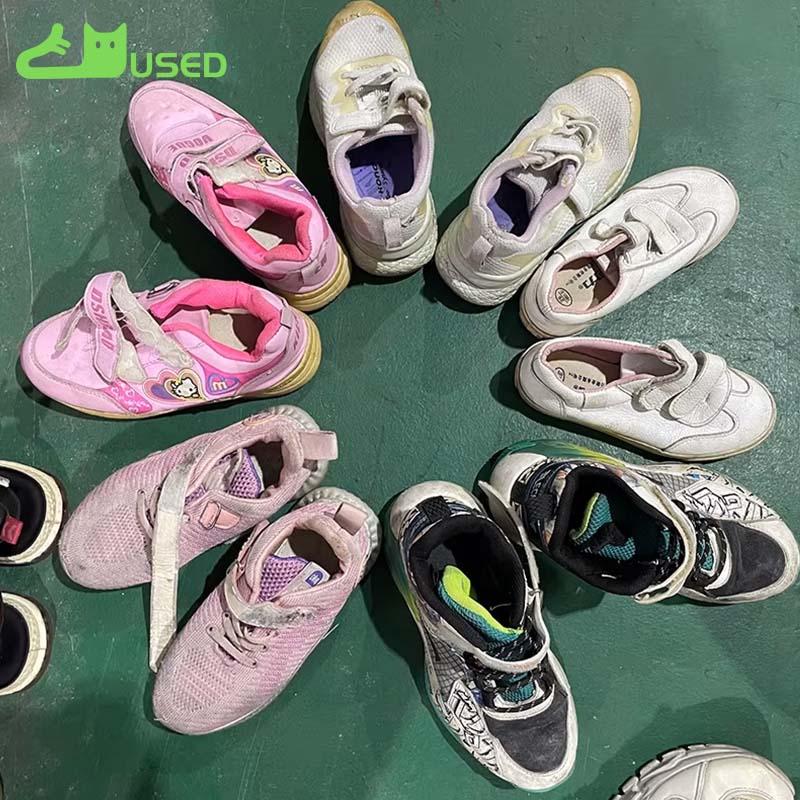
arrival audit and resale planning for second-hand Vivobarefoot shoes

FAQ

Are Vivobarefoot second hand sizes the same as conventional shoes?

Marked sizes help, but model, internal length, toe-box shape, upper stretch, and customer preference can change fit.

Should children's pairs use adult size conversions?

No. Keep children's model and measurement records separate and account for wear, closure condition, and growth needs.

Can thin soles be judged only by flexing?

Flex is expected in minimalist footwear; buyers also need outsole thickness patterns, holes, edge damage, and left-right comparison.

Why is customer education a landed-cost item?

Measurements, model notes, and use limitations take labor but can reduce unsuitable purchases and preventable returns.

When should volume increase?

Increase only after size-level sales, return causes, model demand, and arrival condition show a stable specialist lane.

Conclusion

vivobarefoot second hand is purchase-ready only when minimalist-footwear importers and specialist online sellers can control fit education, model separation, size depth, and return exposure before expanding a minimalist assortment. The contract and receiving sheet should both record model and intended-use identity, internal length and toe-box width, and lining hygiene and pair consistency before the saleable quantity for second-hand Vivobarefoot shoes is finalized.

Use the first arrival to compare model-size inventory table with real outcomes in niche walking, barefoot-style, and natural-movement resale channels. Reorder the strongest lane only after its verified yield absorbs fit-content preparation and its customers accept the stated condition. That evidence-based adjustment keeps buyers unfamiliar with minimalist fit may return sound pairs because the toe box, ground feel, and sizing expectations differ from conventional shoes from becoming an unpriced problem in the following shipment.

Need Help?
Please leave your contact information to get our latest catalog
Get In Touch Now >
  • tel
  • +8618606960861
  • Please Leave Message

    Suxiang (Xiamen) Import & Export Co., Ltd.
    +8618606960861
  • info@usedshoeswholesale.com
  • whatsapp
    WhatsApp