Author:Used Wholesale Manufacturer TIME:2026-09-14
Children's clog size and strap controls
Used kids Crocs for sale should be planned as children's clog inventory with readable size evidence, complete mates, stable visible geometry, working strap components where present, and a conservative condition description. Buyers should not infer a child's fit, safety, material composition, hygiene, traction, or remaining life from a familiar shape or clean color. Marked-size systems may vary, and wear can change shape or strap behavior. The practical wholesale file records both mate marks, physical dimensions when agreed, toe-box and heel geometry, vents, pivot areas, outsole zones, interior condition, preparation limits, and the exact size rack released for resale.
State permitted clog forms, marked-size systems, size bands, colors if commercially relevant, strap requirements, condition ceiling, preparation limits, excluded defects, pair-count unit, and packing method. Keep youth and adult stock separate according to readable evidence rather than color or appearance.
A familiar clog silhouette cannot prove brand, material, fit, or safety. Maintain a separate evidence status for product claims and use a limited physical description where support is incomplete. The condition grade should remain based on observable fields.
children's marked-size stock
clog and strap configuration
physical reasons
separate evidence status
Photograph and transcribe both mate size marks, retaining the visible system and any conflicts. If the buyer uses a destination conversion chart, record its source and version outside the physical article record. Do not replace unreadable marks with an estimate from shape.
When agreed, record interior length or another repeatable physical dimension with the method and tolerance. The measure supports sorting; it does not guarantee fit for an individual child. Singles and conflicting mates stay outside the released size rack until resolved.
visible mark
visible mark
method and tolerance
released conflict or hold

Place mates on the same surface and compare toe-box width, sidewall height, heel-cup shape, sole flatness, vent openings, strap shape, and pivot attachment. Record heat-like deformation or compression only as visible condition; do not guess treatment history.
Move straps gently through the normal visible range when the approved inspection permits it. Record missing straps, cracked or loose pivots, strong mate asymmetry, sharp damage, or an unstable sole. Do not improvise heat reshaping or make a child-safety determination from this screen.
shape and mate balance
cup and sole contact
openings and damage
presence pivot and movement
The table keeps marked size, geometry, hardware, condition, and package status visible without making fit or safety promises.
| Rack checkpoint | Required record | Inventory action | Boundary |
|---|---|---|---|
| Scope | Children's marks form and strap rule | Include or exclude | No color-based age guess |
| Size | Both mate marks and agreed measure | Release conflict or hold | No individual-fit guarantee |
| Geometry | Toe heel vents sole and mate balance | Ready restrict hold decline | No treatment-history guess |
| Strap | Presence pivot condition and bounded movement | Release work or stop | No safety certification |
| Package | Released cells count holds code and weight | Approve or reopen | No adult or unresolved mixing |
A children's size rack is complete when each counted pair has readable evidence, a closed condition route, and a package identity.
Inspect outsole zones, edge wear, smoothing, cuts, embedded material, sole separation, interior residue, surface abrasion, odor observations, and moisture signs. Compare mates and keep cosmetic color variation separate from structural issues.
Define ready, preparation, restricted, evidence-hold, and decline reasons. Record cleaning and drying methods, time ceilings, and reinspection. A completed process may support a factual process statement but not a sterilization, traction, comfort, or safety guarantee.
zones edge and separation
residue abrasion and odor
bounded work and recheck
no safety or hygiene promise
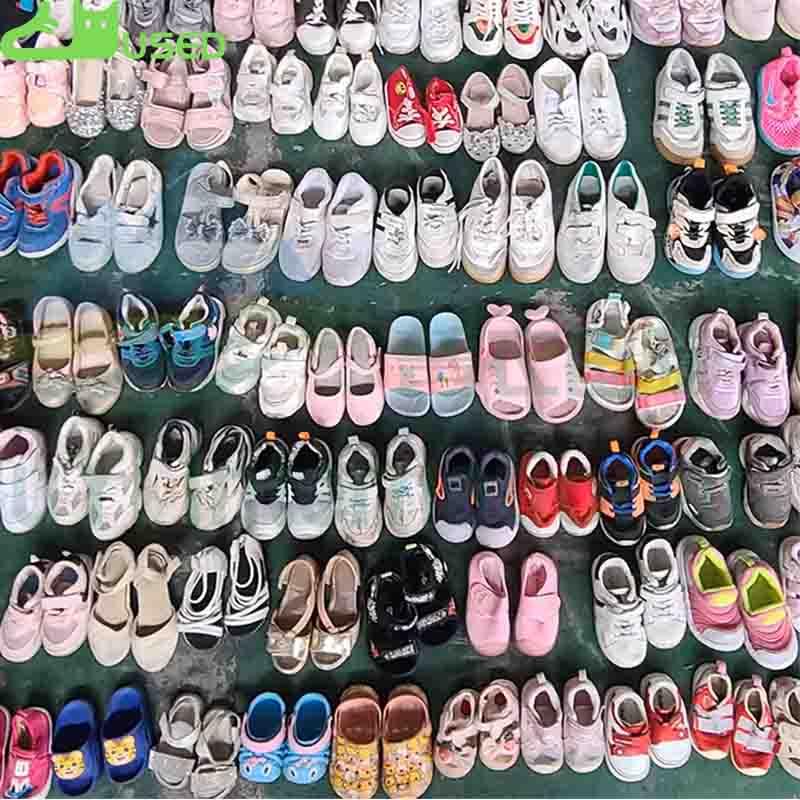
Count complete released pairs by marked-size system, size band, form, strap status, condition route, and color group only when color matters to the actual channel. Keep adult, unclear, single, conflict, work, and decline routes outside the available rack.
Compare the rack with dated stock and completed outcomes from the buyer's store, stall, school-season plan, or other named channel where legitimately available. Search interest can identify wording to investigate, but it cannot set the number of pairs. Use small tests for uncertain bands.
released marked sizes
strap and clog shape
dated local record
bounded uncertain cell
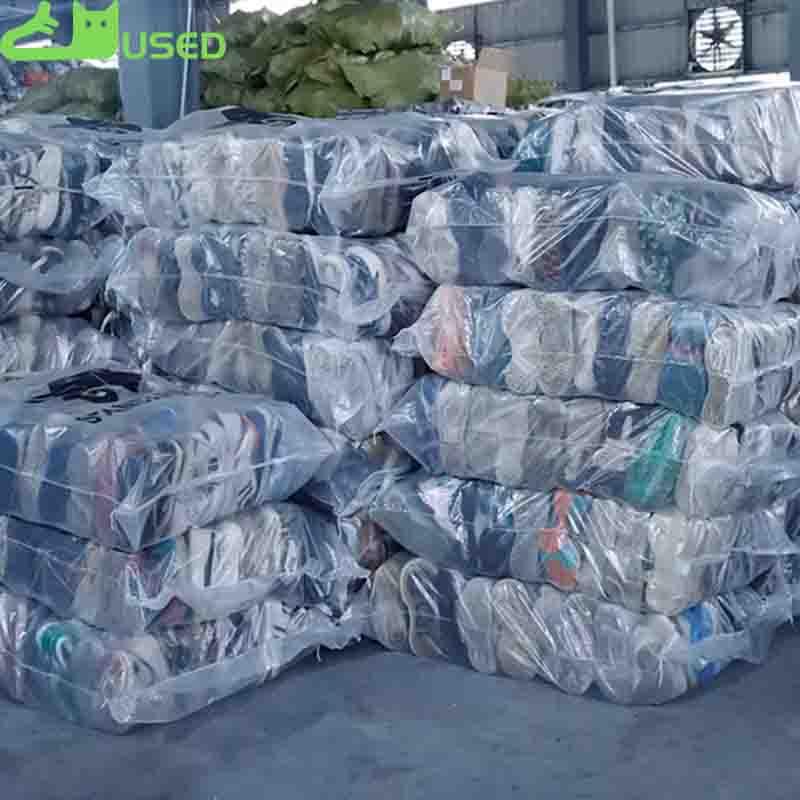
Keep mates together, avoid crushing toe boxes and heel cups, protect pivot areas, isolate dirty outsoles, and label every unit with product scope, released pair count, marked-size cells, strap status, holds excluded, gross weight, and packing time. Reopen one coded unit before loading.
At receiving, recount complete pairs, read sample marks, compare geometry and strap status, and map variance to package codes before merging inventory. After the selling cycle, revise one size band, strap rule, preparation ceiling, package protection, or sample depth from released yield, work, stock age, returns, and recorded customer questions.
toe heel and pivots
rack count holds and weight
pair mark geometry variance
one rack control
No. Use readable size or product evidence and hold unclear pairs.
No. It is a repeatable sorting field, not an individual fitting promise.
Only if it meets a written release rule; otherwise route it to work, restriction, hold, or decline.
No. It documents outsole condition only.
Complete pairs with closed size, geometry, strap, condition, preparation, and evidence routes.
Used kids clog inventory needs a readable size rack and a conservative physical release, not a shape-based shortcut. The used children's shoes wholesale category provides the children's footwear context; mate marks, geometry, strap pivots, condition routes, coded packing, and receiving variance govern the buy. Use the page inquiry form to request current pair views, size-cell counts, strap records, and packing details.

Direct Factory Supplier of Used Shoes For African Markets In China
 Tel: +8618606960861
 Email: info@usedshoeswholesale.com
 MP/WhatsApp: +8618606960861
 Manufacturer Address:Cizao Town, Jinjiang City, Quanzhou City, Fujian Province