Author:Used Wholesale Manufacturer TIME:2026-09-17
ECCO sole-bond inspection rule
Used ECCO shoes for sale need a written sole-bond hold rule because an intact-looking edge does not establish how every join will behave through handling, preparation, packing, or resale. The inspection should describe visible construction, compare both mates, use controlled non-destructive handling, and stop when a check could damage the pair or exceed the buyer's competence. The rule does not diagnose material chemistry, predict remaining life, or prove product history. It creates a consistent boundary between released stock, qualified repair review, evidence hold, and decline.

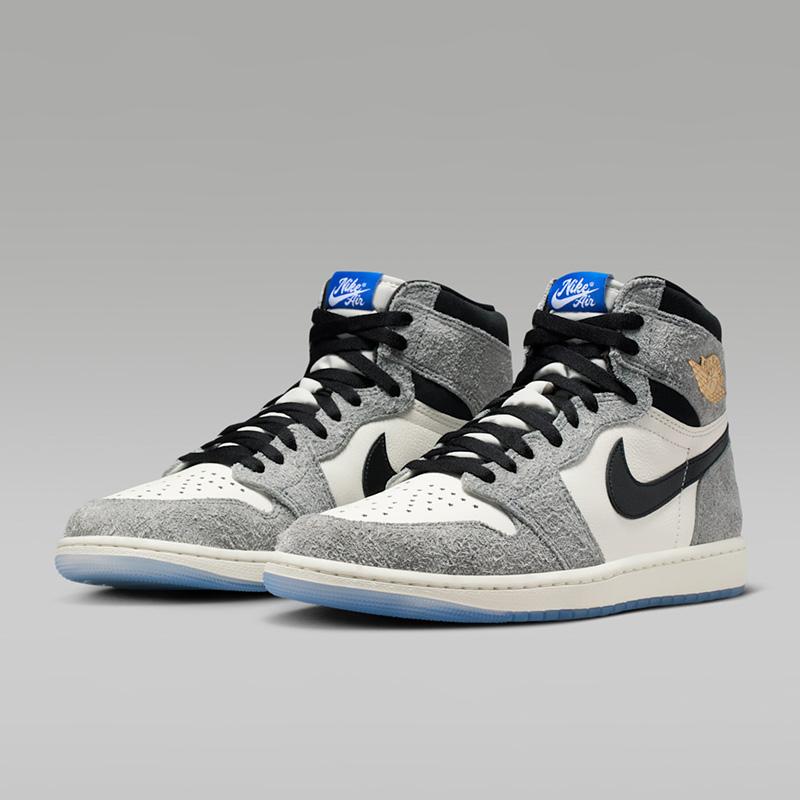
Record pair code, shoe form, marked size, upper appearance, midsole and outsole profile, visible edge joins, heel attachment, toe flex area, and any previous repair. Photograph both mates under similar light. Use location-based notes such as left lateral heel edge rather than broad words such as weak sole.
Do not infer manufacturing method, polymer type, age, storage history, or future service from appearance alone. If construction cannot be interpreted confidently, describe only the visible layers and send the pair to the approved evidence route. The map gives later checks a fixed location and prevents a small opening on one mate from disappearing inside a general grade.
flex-area edge
medial and lateral join
attachment and compression
visible prior work
Begin with dry visual inspection and light manual handling that does not force the shoe beyond ordinary movement. Compare mate response, listen for unusual separation sounds, and watch the mapped edges while the upper and sole move together. Record the method, operator, date, and result so the same words mean the same action across the sample.
Stop immediately when movement grows, material sheds, an edge opens, a prior repair shifts, or the operator would need tools or destructive force. Do not run improvised heat, solvent, twist, pull, or load tests. A qualified repair assessment can be a separate route, but it should not be disguised as routine warehouse grading.
dry visual review
limited ordinary movement
mate response
change damage or uncertainty
Use codes for no visible opening during the defined check, stable prior repair, small edge opening, changing opening, material loss, mate asymmetry, uncertain construction, and check not completed. Attach the location and image reference. A code records an observation under one method; it does not certify long-term performance.
Keep condition and identity evidence separate. A pair may have clear markings and an open join, or an intact join and unresolved markings. The release decision must satisfy both the buyer's physical-condition rule and the allowed wording rule. Do not let brand recognition override a bond finding.
what changed or remained
mapped sole zone
image and operator
limited to defined check
The table limits each decision to the observed zone and the defined handling method.
| Observation | Immediate route | Required record | Release condition |
|---|---|---|---|
| No visible opening | Continue full pair check | Zone, method, mate comparison | Other gates also closed |
| Stable prior repair | Qualified review | Location and work evidence | Buyer-approved route plus recheck |
| Small edge opening | Hold and expand sample | Size, location and image | Written resolution |
| Opening changes | Stop handling | Before-and-after observation | No routine release |
| Check uncertain | Evidence hold | Reason and reviewer | Method or authority resolved |
A hold rule protects the lot by making uncertainty visible before it is priced.
Set the sample before selected attractive pairs are presented. Spread checks across packages, positions, forms, marked-size cells, and visible condition routes. Define expansion triggers for any opening, mate asymmetry, prior repair movement, or uncompleted check. A fixed sample helps the buyer distinguish a contained exception from a broader unknown.
Only pairs with closed physical and evidence statuses enter released inventory. Keep qualified repair, evidence hold, and decline goods physically separated and excluded from the size curve. If the exception rule expands the sample beyond available time or evidence, pause pricing rather than converting uncertainty into an optimistic grade.
coded package positions
specific bond finding
written additional scope
closed pair records
Allocate product cost, freight, inspection, hold handling, qualified repair review, approved repair, reinspection, downgrade, storage, and disposal or recovery routes. Divide the released portion by pairs that actually passed the written gate. Keep unresolved and declined pairs outside the optimistic denominator.
Compare a base case with a higher-exception case. Set a repair ceiling in money and time and require a new release check after any approved work. If the buyer cannot support a repair or restricted-description route, the value of those pairs may be zero for that operation even when another specialist could use them.
mapped check time
space and delay
qualified route and recheck
released pairs only
At receiving, select coded package positions and repeat the same visible map and controlled handling. Compare source images, pair codes, package records, edge findings, prior repairs, and release status. Record transit-related compression or moisture observations without assigning a cause that the evidence cannot prove.
Quarantine affected packages when the written trigger is reached and expand the check according to the same rule. Reconcile released yield and direct work before stock is priced or distributed. Feed the variance back into sample depth, packing protection, accepted repair status, or the next order's stop condition.
same method and zones
source and arrival
affected coded scope
one risk-control field
No. It records only what was observed under the defined check at that time.
No. Stop before destructive force or tools are required and use the approved specialist route.
Only when the buyer permits that route, evidence is retained, and the pair passes the required recheck.
Use the prewritten expansion trigger across coded packages, positions, forms, and condition cells.
Use pairs released after physical and evidence holds, while costing hold and decline routes separately.
Used ECCO shoes for sale should enter wholesale pricing only after a bounded, recorded sole-bond rule separates release from uncertainty. The used brand shoes wholesale options offer wider branded-shoe context, while mapped joins, controlled handling, coded findings, repair ceilings, and arrival repetition govern this lot decision.

Direct Factory Supplier of Used Shoes For African Markets In China
 Tel: +8618606960861
 Email: info@usedshoeswholesale.com
 MP/WhatsApp: +8618606960861
 Manufacturer Address:Cizao Town, Jinjiang City, Quanzhou City, Fujian Province