Author:Used Wholesale Manufacturer TIME:2026-09-18
Dansko clog repair-work grading
Used Dansko shoes for sale should be graded by the work the actual clog pair requires, not by a broad promise about occupational use, posture, comfort, or support. The buyer can inspect observable upper condition, heel and counter structure, footbed completeness, outsole wear, marked size, and pair balance. Each accepted task needs a time and material ceiling. This converts vague grades into a repair-work record and prevents high-labor pairs from being priced as clean-ready inventory.
Assign a pair code and record marked size, visible form, closure if present, upper appearance, toe shape, heel and counter profile, footbed type, outsole construction, color, and mate completeness. Use neutral construction terms. Do not claim professional suitability, health benefit, material grade, authenticity, or a model name that the available evidence cannot support.
Keep rematching controlled. Compare both shoes for marked size, shape, color, wear, footbed, outsole, and previous work. Preserve original item references when a rematch is proposed. Singles, conflicting mates, and unresolved identity evidence stay outside the repair clock until their status is closed.
one retained pair identity
visible clog construction
readable size fields
shape wear and component match
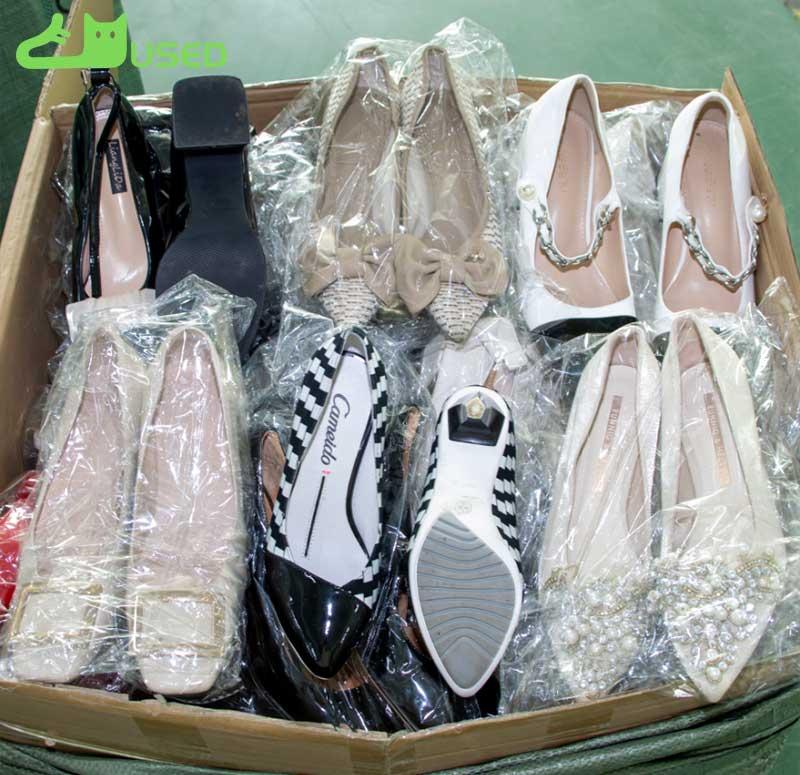
For the upper, record surface marks, cracking, cuts, loose joins, deformation, and approved cleaning needs. For the heel and counter, note shape, movement, wear, and previous repair without promising support. For the footbed, record presence, attachment, surface condition, odor, and whether replacement is allowed. For the outsole, compare wear zones, edges, flex areas, and mate balance.
A problem in one zone should not disappear inside an average grade. Use specific reason codes and photographs. Stop when a component is unstable, work needs specialist authority, hygiene handling exceeds the written process, or a claim cannot be supported. Physical condition and marketing wording remain separate approval columns.
surface joins and shape
structure and prior work
presence surface and odor
wear edge and mate balance
List ordinary tasks the buyer can perform consistently, such as dry brushing, approved surface cleaning, closure completion, removable component replacement when permitted, or a qualified repair handoff. Give each task expected minutes, direct material, owner, and a stop point. The clock is an operating ceiling, not a promise that every pair can be restored.
Separate clean-ready, light-work, review, restricted, evidence-hold, and decline routes. When a pair needs more than one task, use the full combined burden. Do not reset the clock by moving part of the work into an unrecorded warehouse step. Reinspect every pair after approved work before release.
named permitted action
minutes per pair
direct consumable
authority or cost limit
The table connects each observed zone to a permitted task, ceiling, and release check.
| Zone | Observed record | Permitted route | Release evidence |
|---|---|---|---|
| Upper | Mark, crack, cut, join or deformation | Clean, review, restrict or decline | Surface and join recheck |
| Counter | Shape, movement and prior work | Review or hold | Stable result under defined check |
| Footbed | Presence, surface, attachment and odor | Clean, approved replace or hold | Component and hygiene recheck |
| Outsole | Wear zones, edge, flex and balance | Release, repair review or decline | Mate comparison after work |
A pair leaves the repair table only when its work and reinspection records are closed.
Define grade routes from physical reasons and completed work, not from brand value. A ready route may require complete mates, readable size, stable components, acceptable interior condition, and no planned work. A prepared route adds only tasks that finished within the approved clock and passed reinspection. Review and hold routes remain outside the sellable size curve.
Sample across packages, positions, marked sizes, forms, and visible condition. Expand inspection when a zone failure or over-clock task reaches the buyer's trigger. Record released counts by route and cell. A high gross pair count cannot compensate for a low released yield when labor and holds are included.
closed without work
within clock and reinspected
qualified decision required
open evidence or work
Allocate product cost, freight, receiving, pairing, inspection, cleaning, repair materials, qualified work, reinspection, storage, downgrade, and decline routes. Divide costs by released pairs in the relevant form, size, and work cell. Track total minutes as well as average minutes because a small group of difficult pairs can disrupt workflow.
Model clean-ready, expected-work, and higher-work cases. Use the intended outlet's completed condition-matched outcomes where available, and keep asking prices separate. If the buyer lacks the staff, materials, or reviewer for a route, assign the pair to hold or downside rather than giving it an imaginary low repair cost.
task minutes and materials
hold storage and review
released pair count
ready expected or higher work
At arrival, repeat the four-zone check on coded package positions and compare work-route counts with source records. Record new deformation, component movement, interior variance, missing mates, and package effects. Keep affected stock isolated until the route is closed, and do not merge it into ready inventory to protect an average yield.
After one selling cycle, compare preparation minutes, reinspection failures, stock age, markdowns, returns, and completed outcomes by form and work route. Change one ceiling, sample trigger, packing method, or accepted task for the next order. Retain the old clock so the buyer can distinguish a true process improvement from a change in recordkeeping.
repeat four zones
resolve package variance
time stock age and outcomes
one written work rule
No. Describe observable construction and keep such claims outside the grade unless separate evidence authorises them.
When the task uses recorded minutes or materials; include it before released-yield pricing.
No. Approved work must close with the same relevant component checks.
Keep them in review, hold, or downside routes and outside the released size curve.
Use receiving variance, task minutes, recheck failures, stock age, returns, and completed outcomes by route.
Used Dansko shoes for sale become priceable when every clog pair has a four-zone finding, permitted work clock, and closed reinspection route. The used women's shoes wholesale options provide wider category context, while released yield, actual minutes, qualified-review capacity, and arrival evidence control the order.

Direct Factory Supplier of Used Shoes For African Markets In China
 Tel: +8618606960861
 Email: info@usedshoeswholesale.com
 MP/WhatsApp: +8618606960861
 Manufacturer Address:Cizao Town, Jinjiang City, Quanzhou City, Fujian Province