Author:Used Wholesale Manufacturer TIME:2026-09-19
Vionic footbed completeness file
Used Vionic shoes for sale require a component-completeness file because a recognisable upper does not show whether both shoes retain matching footbeds or whether the available wording is supported. The buyer should code each pair, record both interiors, compare removable or fixed components, and keep condition findings separate from health, support, comfort, authenticity, or model claims. Completeness is a physical inventory decision: both mates and the required components must be present, traceable, and accepted under the buyer's written rule before the pair enters released stock.
State whether the order requires original marked footbeds, matching unmarked footbeds, buyer-approved replacements, or simply two present components with limited wording. Record how fixed and removable interiors will be handled. Define marked-size agreement, closure completeness, condition ceiling, permitted preparation, and excluded component damage.
A physical completeness rule should not become an authenticity or medical claim. The presence of a shaped or marked footbed does not prove comfort, support, treatment, fit, or product history. Keep those statements in a separate evidence column and limit resale wording to what the retained records support.
left and right mate
two recorded components
readable fields only
separate evidence status
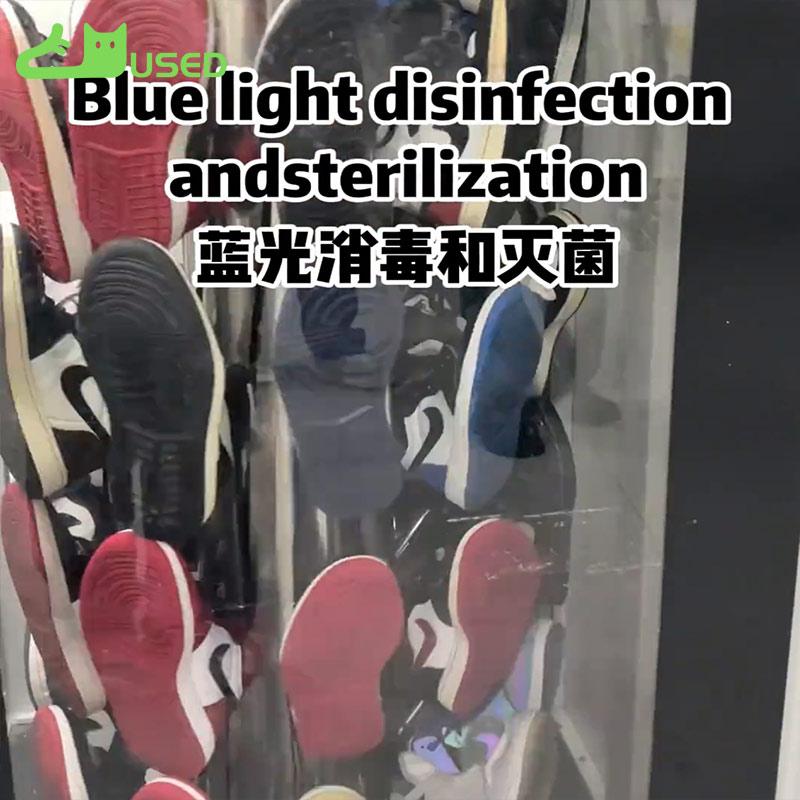
Assign one pair code before components are removed or stock is cleaned. Photograph the full pair, both size areas, both interiors, footbed top surfaces, underside or attachment where safely visible, closures, outsole, and any prior repair. Record whether each component was in place, loose, fixed, missing, mismatched, damaged, or replaced under an approved route.
Keep original item references if components are moved during review. Do not fill unreadable marks from a similar pair and do not match loose footbeds by approximate appearance alone. When a proposed match cannot be supported, retain the pair and component in evidence hold rather than creating a complete count.
pair and component link
left right and interior
present fixed loose or missing
original and reviewed state
Inspect surface wear, deformation, cracking, attachment, contamination, odor, moisture signs, cleaning history where recorded, and mate consistency. Apply the site's approved hygiene process and handling limits. Do not make cleanliness, sanitation, health, support, or fit claims that the actual process and evidence do not establish.
Create independent statuses for physical grade, hygiene handling, component completeness, and allowed wording. A pair may be structurally acceptable but incomplete, or complete but held for interior handling. Releasing one status does not automatically release the others. This prevents the product description from outrunning the warehouse record.
surface attachment and shape
approved hygiene route
both required components
supported description only
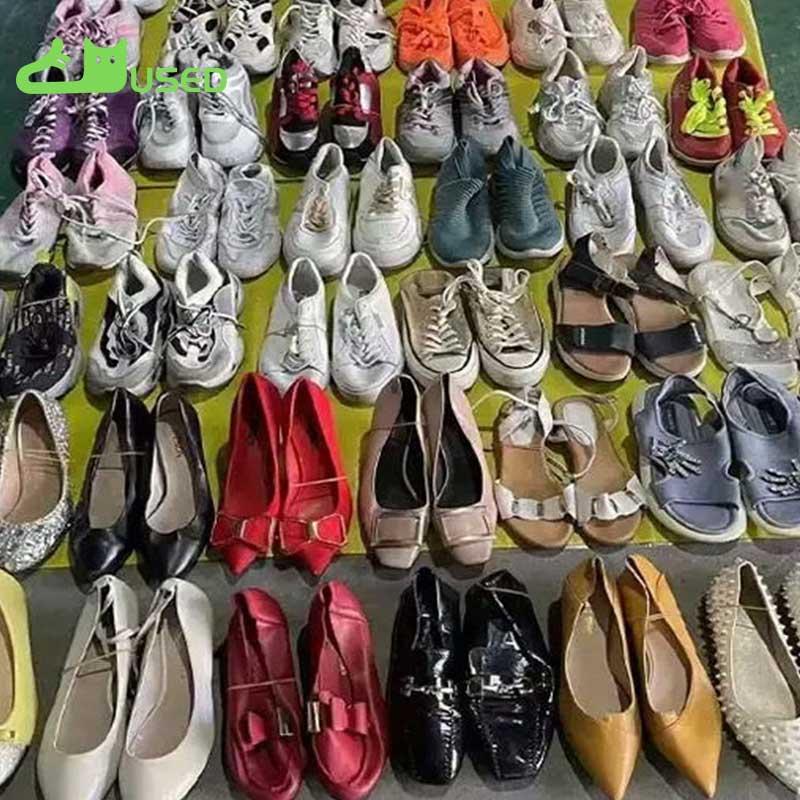
Cross shoe form, marked size, color group, physical route, component rule, and wording status. Count complete released pairs only. Keep missing, mismatched, replacement-review, hygiene-hold, and identity-hold goods outside the sellable size curve. Record a reason for every exclusion so the buyer can reconcile gross and released counts.
Compare the released cells with the named outlet's dated stock and completed condition-matched outcomes. Where evidence is limited, allocate a small test. Do not claim a universal size profile or fit rule. Marked sizes from different visible forms should remain separate until the buyer's own returns and outcomes support a combined cell.
form marked size and color
closed component status
approved listing scope
dated local outlet record
The file keeps physical components and permitted wording in separate approval columns.
| File field | Record | Hold trigger | Release condition |
|---|---|---|---|
| Pair | Mate size, form, color and wear | Single or conflict | Two accepted mates |
| Footbeds | Presence, position, attachment and marks | Missing or unsupported match | Buyer rule satisfied |
| Condition | Surface, shape, damage and odor | Outside handling ceiling | Physical route closed |
| Wording | Supported description fields | Health, support or identity gap | Approved limited wording |
| Package | Pair code and component status | Record-to-goods mismatch | Reopen check passed |
Completeness is released only when the pair, components, condition, and wording records all close.
Keep mates and their approved footbeds together. Use internal protection that prevents loose components from migrating, isolates dirty outsoles, and avoids crushing shaped uppers. Label every package with released pair count, marked-size summary, component-status summary, excluded holds, gross weight, packer, and time. Link the package to the pair-code list.
Reopen coded positions before closure and compare physical pairs with the list. Retain views that show actual interiors and package arrangement rather than only exterior cartons. A packing photo cannot replace pair-level evidence, but it can show whether the released file and the loaded unit remained connected.
mates and components
counts status and weight
package to pair list
coded physical check
At receiving, select coded package positions and compare mates, marked sizes, interiors, footbed presence, attachment or loose status, condition, and allowed wording with source records. Record missing or migrated components, compression, new marks, odor variance, and package discrepancies without inventing a cause.
Isolate affected packages when the written trigger is reached and expand inspection according to the pre-agreed rule. Recalculate released yield and direct handling work before distribution. For the next order, change one component rule, sample depth, package method, or wording boundary from the documented variance and selling record.
coded package positions
source component file
affected scope
one evidence rule
No. Presence is a physical inventory fact and does not establish a health, fit, or performance claim.
Only through the buyer's documented evidence route; retain original item references and hold unresolved matches.
No. Count only pairs that satisfy the written component rule and all other release statuses.
Use a buyer-approved route, label the status accurately, retain evidence, and recheck the completed pair.
Repeat mate, size, interior, component, condition, wording, and package-record checks on coded positions.
Used Vionic shoes for sale belong in released inventory only when both mates and the buyer-required footbed components are traceable and complete. The used women's shoes wholesale options provide broader women's footwear context, while separate condition, component, wording, packing, and receiving records control the offer.

Direct Factory Supplier of Used Shoes For African Markets In China
 Tel: +8618606960861
 Email: info@usedshoeswholesale.com
 MP/WhatsApp: +8618606960861
 Manufacturer Address:Cizao Town, Jinjiang City, Quanzhou City, Fujian Province