Author:Used Wholesale Manufacturer TIME:2026-09-21
Formal presentation and repair boundary
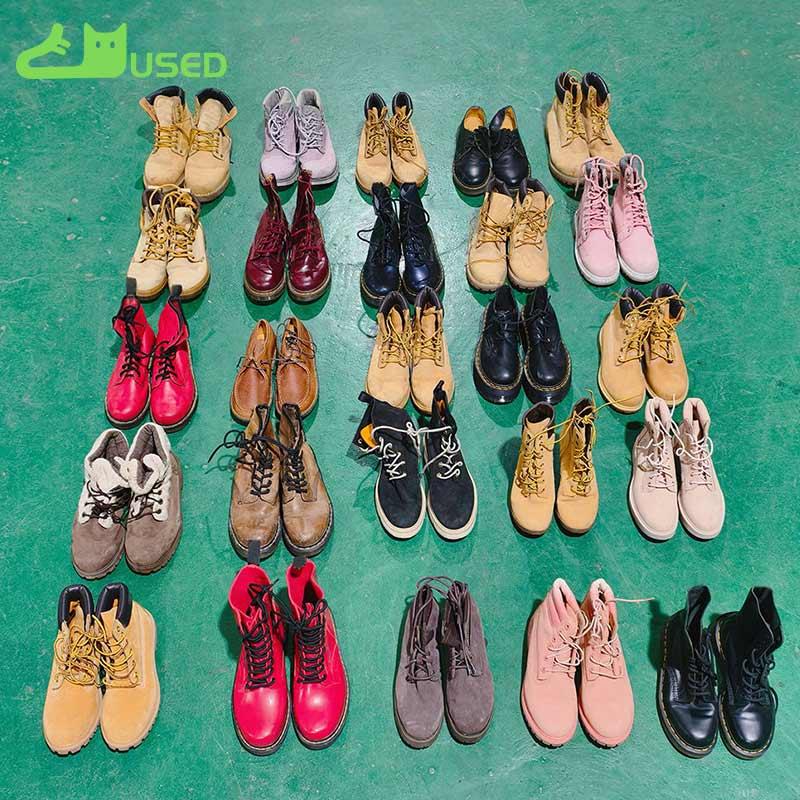
Used formal shoes for sale should not be described as office-ready simply because they have a restrained shape. The buyer needs a release file for closure, heel, upper, lining, insole, outsole, marked size, pair agreement, odor handling, and the presentation work still permitted. Formal appearance is a merchandising route, not proof of comfort, workplace suitability, material quality, authenticity, or remaining performance. A clear split keeps repair holds out of the ready count.
Define accepted forms such as lace-up, loafer, low heel, or ankle style only when those forms match the buyer's actual outlet. Add color, marked-size, closure, heel, surface, lining, odor, and presentation limits. Write excluded findings in plain language so a supplier cannot treat a broad office label as permission to include every dark shoe.
Use a dated stock view, preparation log, and completed condition-matched outcomes as local references. Search wording can inform the title and buyer questions, but it cannot set a universal office ratio. Keep a small evidence test when the channel or size cell is unfamiliar.
named visible construction
buyer-set ceiling
marked cells
dated local record
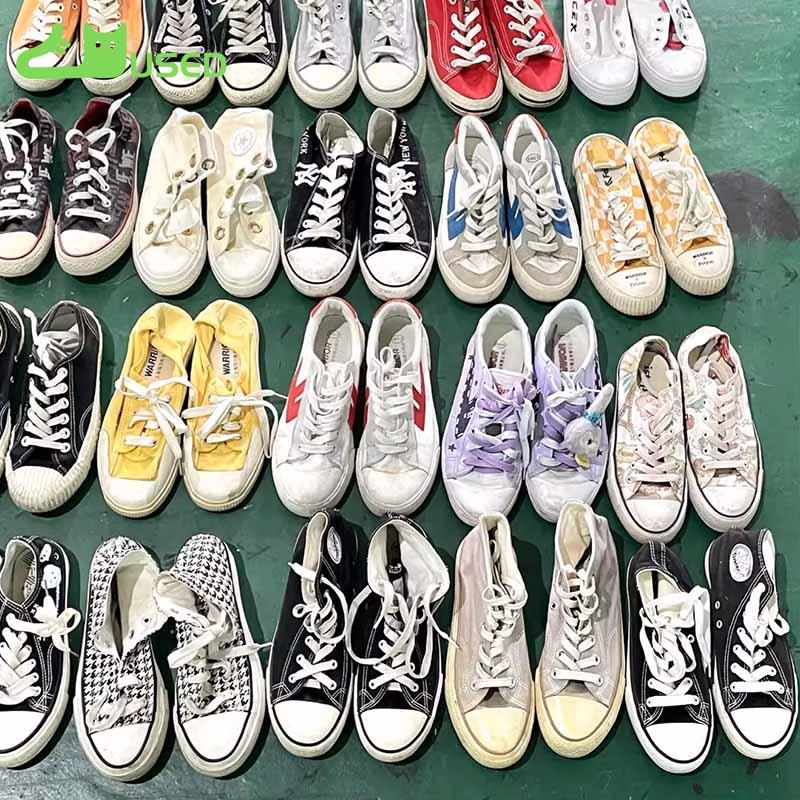
Compare left and right shoes for size, color, shape, closure parts, heel stability, upper joins, lining state, insole presence, outsole wear, and prior repair. Use pair codes before cleaning or component movement. A logo or familiar outline cannot close a missing closure, unstable heel, or open sole bond.
Separate cosmetic marks from issues that affect the buyer's written presentation route. Record cracking, peeling, deep creasing, loose components, heel drag, outsole thinning, odor, and dampness signs without guessing their origin. Preserve photos or notes tied to the code.
mate and marked size
parts and movement
stability and wear
bond and edge
The release table keeps presentation decisions tied to physical evidence.
| Lane | Minimum evidence | Open hold | Next action |
|---|---|---|---|
| Office ready | Complete pair, size and closed checks | None within ceiling | Pack and label |
| Prepare | Named task within clock | Task unfinished | Complete and reinspect |
| Repair review | Issue needs qualified review | Authority or cost open | Hold and decide |
| Evidence hold | Pair or claim conflict | Unresolved record | Verify before wording |
| Decline | Outside written limit | No approved route | Exclude from release |
A formal lane is approved by closed reasons and a repeatable presentation rule, not by appearance alone.
A ready pair meets the complete-pair, size, construction, condition, and presentation rules without planned work. A preparation pair has a named task within the clock. Repair-review and evidence-hold pairs stay outside the office cell until an authorized decision closes them. A decline route protects the file from optimistic averaging.
Write one reason per status and retain the initial observation after work. Reinspection should state what was checked again and whether the pair remains suitable for the named route. Do not upgrade wording simply because the pair looks better after cleaning.
closed presentation rule
named task and minutes
qualified route
evidence or condition open
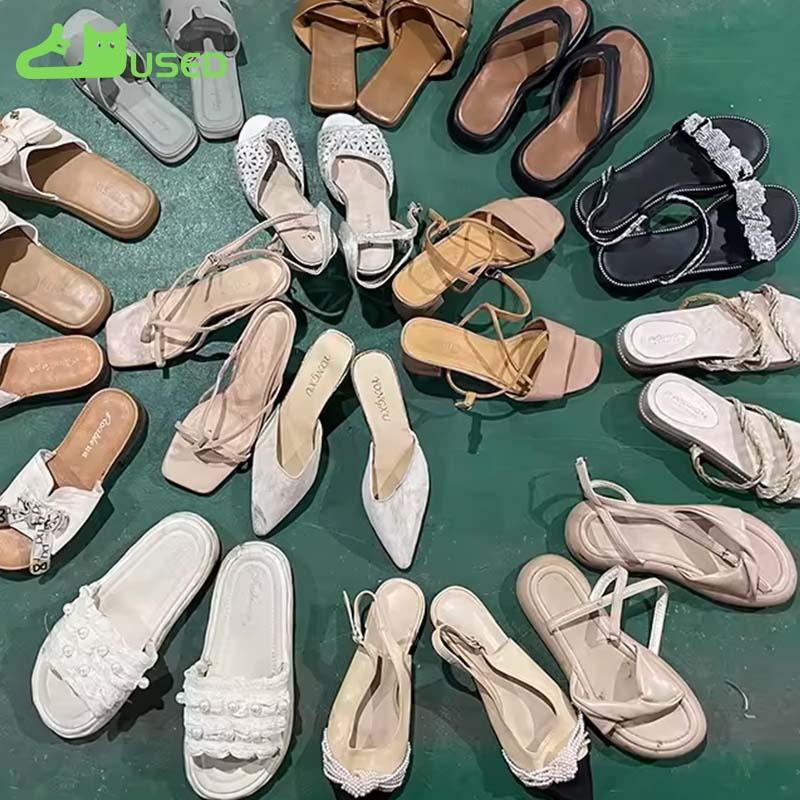
Cross marked size with form, color burden, closure route, heel route, and presentation work. Count complete released pairs only. Keep unreadable marks, mismatched mates, and unresolved component states outside the size curve even when the shoe would photograph well.
Compare the lane to the buyer's own dated stock, stock age, returns, and completed outcomes. Office and casual destinations may absorb different preparation tasks, so do not merge them into one average. An evidence-poor size band belongs in a test cell with a stop rule.
office form and size
presentation burden
days in channel
thin evidence cell
Allocate pair cost, freight, receiving, pairing, cleaning, lace or component work, qualified repair review, storage, markdown, and selling work. Divide by released pairs in the office lane. Keep repair holds visible rather than spreading their cost across a clean-ready denominator.
Model the result when more pairs need work and when the outlet sells more slowly. If a repair requires equipment, authority, or hygiene handling outside the buyer's process, keep it open. The useful decision is whether the lane can be operated consistently, not whether one attractive pair has a high asking price.
named work
minutes and materials
released office pairs
hold and slow stock
Keep ready and hold units physically separate. Label cartons with pair count, marked-size summary, status count, gross weight, packer, and time. Reopen a selected layer before sealing and reconcile the physical rows with the source list.
At arrival, repeat closure, heel, lining, sole, size, pair, odor, and package checks on coded positions. Isolate variance before merging stock. For the next order, change one presentation ceiling, sample rule, packing method, or repair approval field from the documented result.
ready and hold cartons
status and size counts
selected layer
one written field
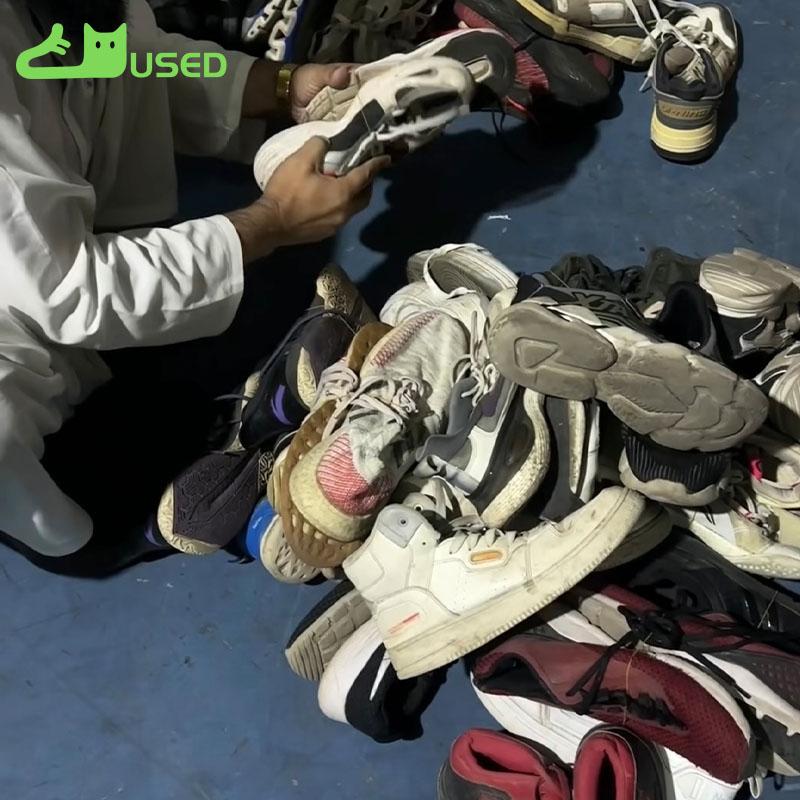
No. Closure, heel, lining, sole, size, condition, and presentation rules still need to close.
Keep them visible but outside the released office count until the approved route is complete.
Complete pairs that passed the written release gate, with work and holds shown separately.
Not until the buyer's own stock and completed outcomes show that the combined cell is useful.
Repeat the pair, construction, status, size, package, and wording checks on coded positions.
Used formal shoes for sale are easier to buy when office-ready pairs and repair holds are separated by visible reasons, not by a broad style label. The used mixed shoes wholesale options provide the wider footwear context, while the buyer's presentation ceiling and closed release file determine what can be packed.

Direct Factory Supplier of Used Shoes For African Markets In China
 Tel: +8618606960861
 Email: info@usedshoeswholesale.com
 MP/WhatsApp: +8618606960861
 Manufacturer Address:Cizao Town, Jinjiang City, Quanzhou City, Fujian Province