Author:Used Wholesale Manufacturer TIME:2026-09-22
Running-shoe sole and size-run check
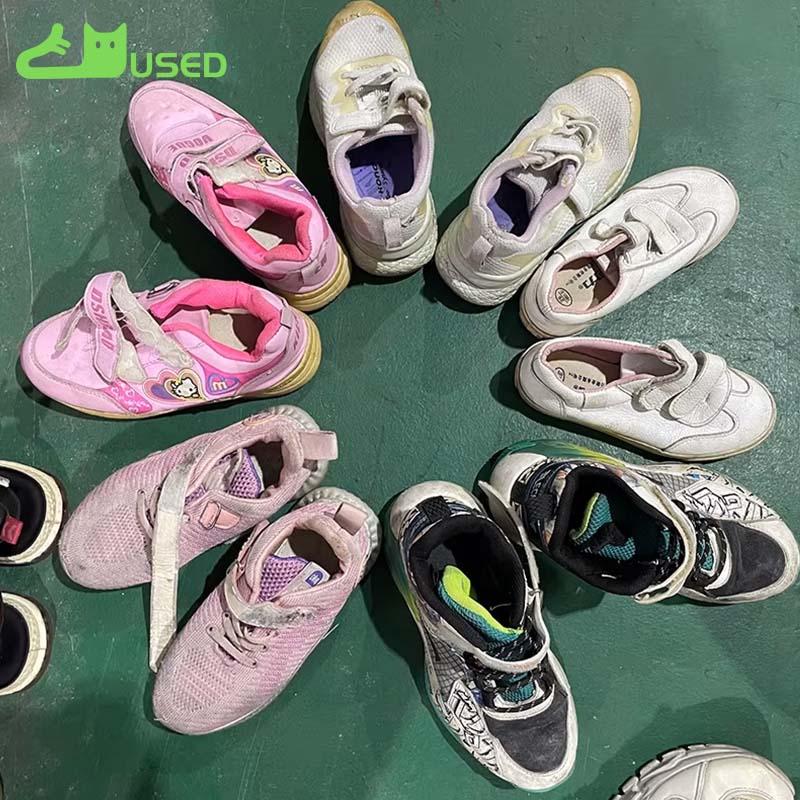
Used running shoes wholesale lots should be priced from visible physical evidence rather than from the word running alone. The file should identify pair completeness, marked size, outsole zones, midsole appearance, upper joins, interior condition, odor handling, closure, preparation time, and the route for pairs that cannot be released. Cushioning or performance cannot be assumed from a familiar model shape. The buyer needs a repeatable size-and-condition route that survives packing and receiving.
Write the intended form, marked-size system, accepted visible colors, condition ceiling, outsole-wear limit, interior route, closure rule, preparation allowance, and excluded findings. State whether the lot is for a physical rack, online listing operation, sports resale lane, or another named workflow. Do not use performance language as a substitute for the physical brief.
Ask for current counts by size, form, condition route, and preparation burden. Use exact search wording only to understand buyer language; use dated stock and completed condition-matched outcomes to decide the lot size. Keep a weak size cell bounded rather than filling it with an unsupported ratio.
named running construction
marked run
wear ceiling
buyer workflow
Compare left and right outsole wear at heel, forefoot, edge, flex zone, and visible pattern. Record midsole compression or cracking as an observation, not a prediction of remaining performance. Check upper joins, toe flex areas, heel counter, collar, lining, insole, closure, and odor route.
Use a fixed photo and note order so one pair can be reviewed later. Do not fill a missing finding from a similar shoe. If the pair's physical identity, component state, or wear explanation remains open, route it to evidence hold rather than allowing the size run to look cleaner than it is.
drag and wear
flex and thinning
visible compression
lining and handling
The table links physical zones to the work route and released denominator.
| Cell | Physical evidence | Work route | Count rule |
|---|---|---|---|
| Clean-ready | Pair, size, upper, sole and interior closed | No planned work | Released pairs |
| Surface work | Marks within cleaning ceiling | Named minutes and materials | After reinspection |
| Sole review | Wear or visible compression question | Qualified decision | Outside ready count |
| Interior hold | Odor, lining or component issue | Handling or evidence route | No size-curve count |
| Carton | Codes, layers and weight | Reopen selected layer | Source-to-arrival match |
The useful running-shoe lot is the one whose size curve and work clock agree with the buyer's actual operation.
A ready band contains complete pairs that meet the outsole, upper, interior, size, and preparation rules. A preparation band has named work within the time ceiling. A review band needs qualified judgment, while a restricted band may need narrower wording or a different outlet. Keep the reasons stable between inspection and packing.
Reinspect after permitted work and compare the pair with its initial record. A cleaned outsole does not close an open midsole question, and a complete size mark does not close an interior handling issue. Each band should have a maximum count and a written substitution rule.
all gates closed
bounded work
specialist decision
narrower route
Allocate product, freight, receiving, pairing, cleaning, lace or insole work, review, storage, markdown, and selling work by size-and-condition cell. Divide by complete released pairs. Keep declined and held units outside the optimistic denominator while still showing their effect on the order.
Compare clean-ready, expected-work, and higher-work cases. A size cell with heavy preparation may be less useful than a smaller clean cell even when the gross number is larger. If the buyer cannot support a repair or evidence route, send that cell to hold instead of lowering its cost on paper.
size and physical route
direct work
closed pairs
lower and higher work
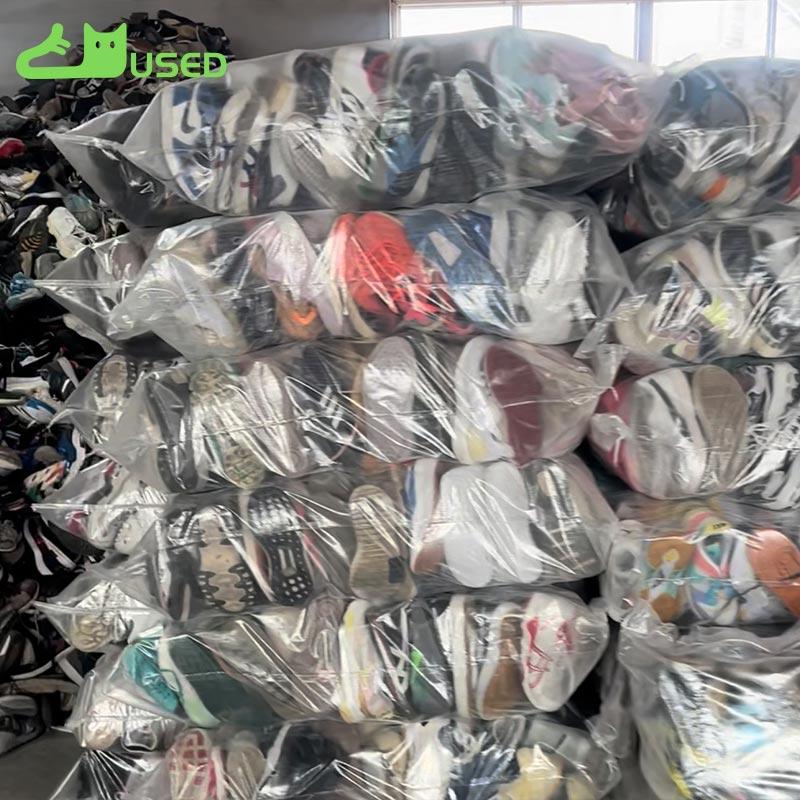
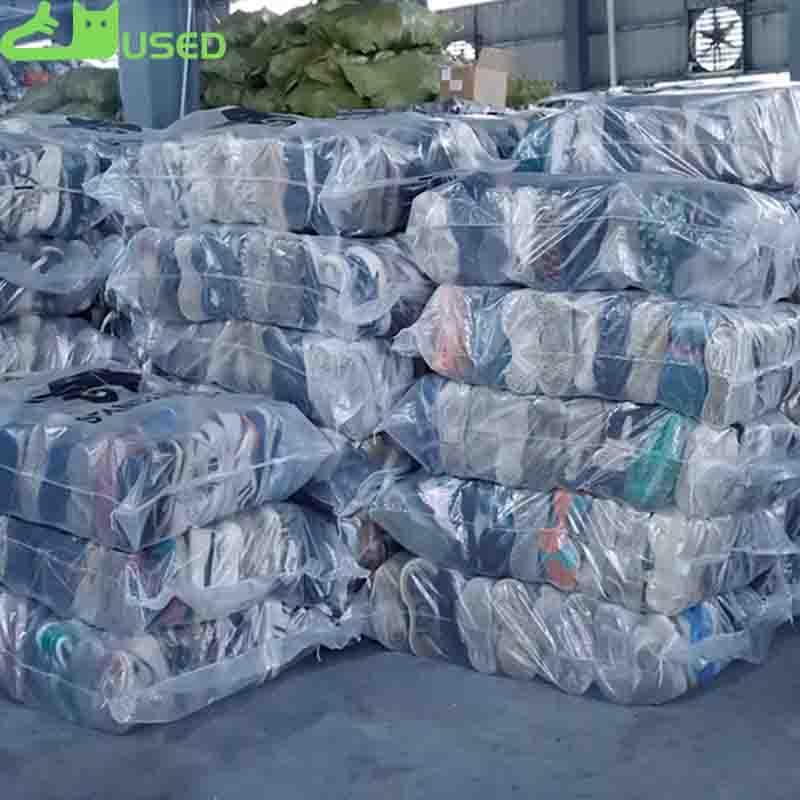
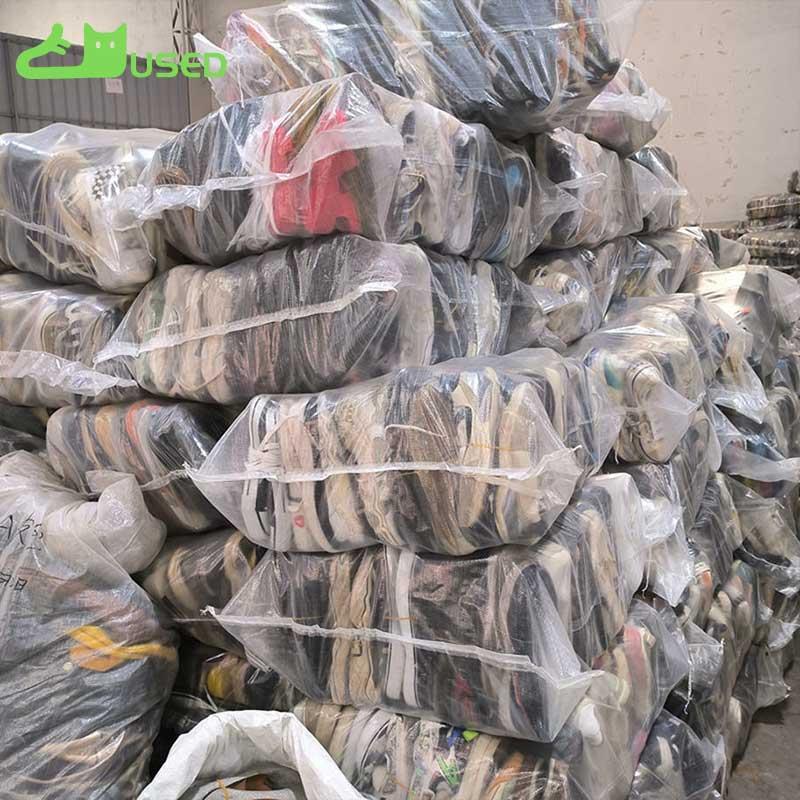
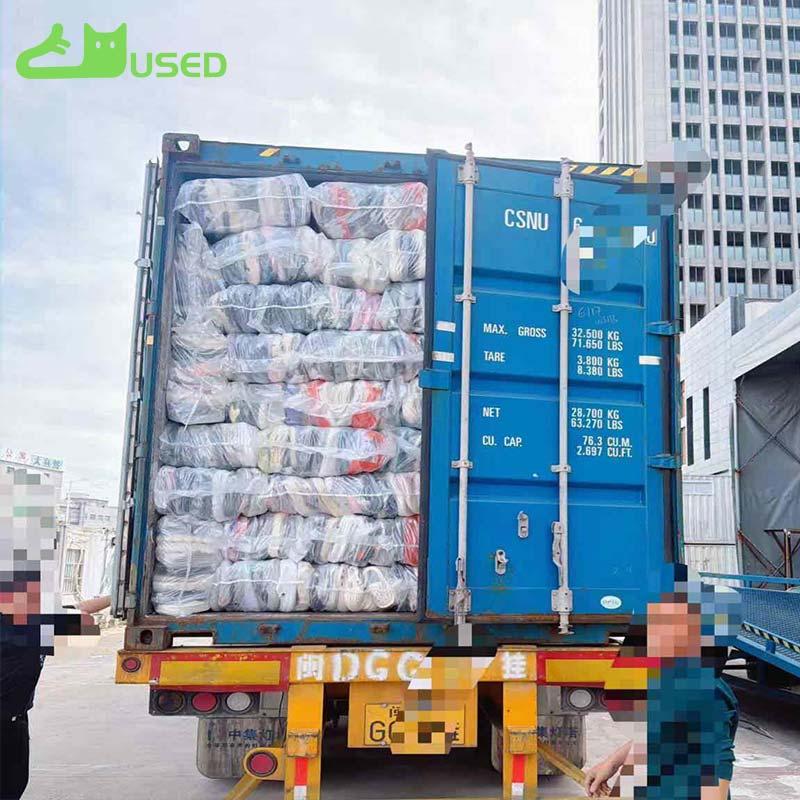
Keep mates together, protect uppers and collars from crushing, and isolate dirty outsoles from light materials. Label the carton with pair codes, released count, marked-size summary, route counts, gross weight, packer, and time. Reopen a selected layer before the seal is final.
Use the same codes at receiving. Compare size cells, sole-zone findings, interior route, package condition, and count. Photograph the actual loaded unit, not a generic shoe pile. A receiving mismatch should isolate affected cells before the buyer merges them into normal stock.
mates and collars
released size cells
route and weight
same code check
Compare released yield, preparation minutes, stock age, markdowns, returns, and completed condition-matched outcomes by size and route. Keep visible asking prices separate from completed results. A pair sold after heavy work should not be measured like a clean-ready pair.
Change one variable for the next lot: size tolerance, sole ceiling, accepted work, photo evidence, carton protection, or sample depth. Retain the prior map and note why the variable changed. This makes a second order measurable instead of merely larger.
released pairs
stock days
completed records
one rule only
No. Record visible construction and wear without making a remaining-performance claim.
Keep them outside the released run until the written decision is complete.
Use marked size, form, physical route, work minutes, stock age, and completed outcomes by cell.
Yes. Allocate direct work and divide by complete released pairs after the gate closes.
Change one sole ceiling, size rule, work route, carton method, or sample rule from documented evidence.
Used running shoes wholesale lots become easier to compare when size cells, sole zones, interior findings, work minutes, and receiving variance share one denominator. The used sneakers wholesale options provide the broader sneaker route, while physical evidence and closed release bands decide what the buyer can actually carry.

Direct Factory Supplier of Used Shoes For African Markets In China
 Tel: +8618606960861
 Email: info@usedshoeswholesale.com
 MP/WhatsApp: +8618606960861
 Manufacturer Address:Cizao Town, Jinjiang City, Quanzhou City, Fujian Province