Author:Used Wholesale Manufacturer TIME:2026-10-21
An empty-looking position near the top of a sneaker can start the wrong conversation. The lace may skip a hole, cover its edge or disappear behind an overlapping panel. Before recording a missing eyelet on used high top sneakers, identify the exact position and ask for a view that resolves it. The immediate decision is whether the photograph answers the question, not whether the shoe needs a replacement part.
Begin with a photograph that includes the toe, collar and both edges of the opening. Name the shoe and side before describing the suspected gap: left shoe, outer row, upper position, for example. If using numbered positions, state whether counting starts at the toe or collar. Keep that convention on the follow-up request.
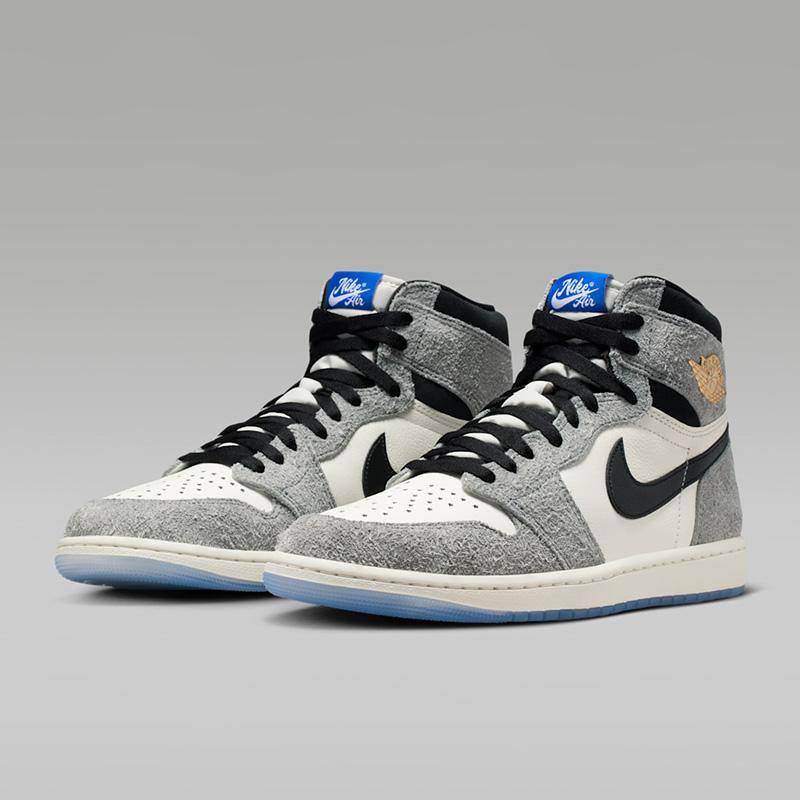
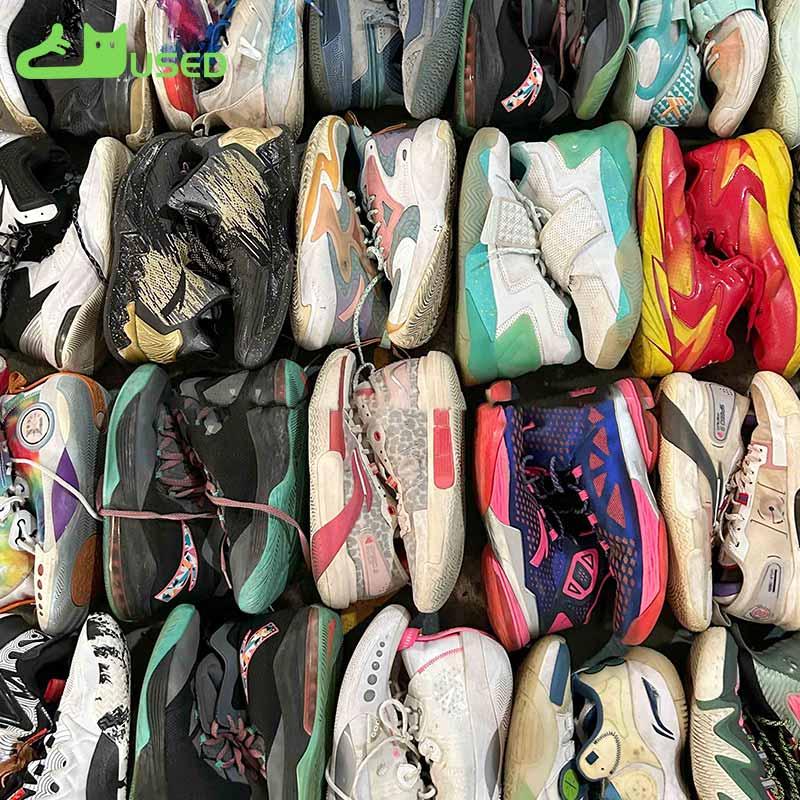
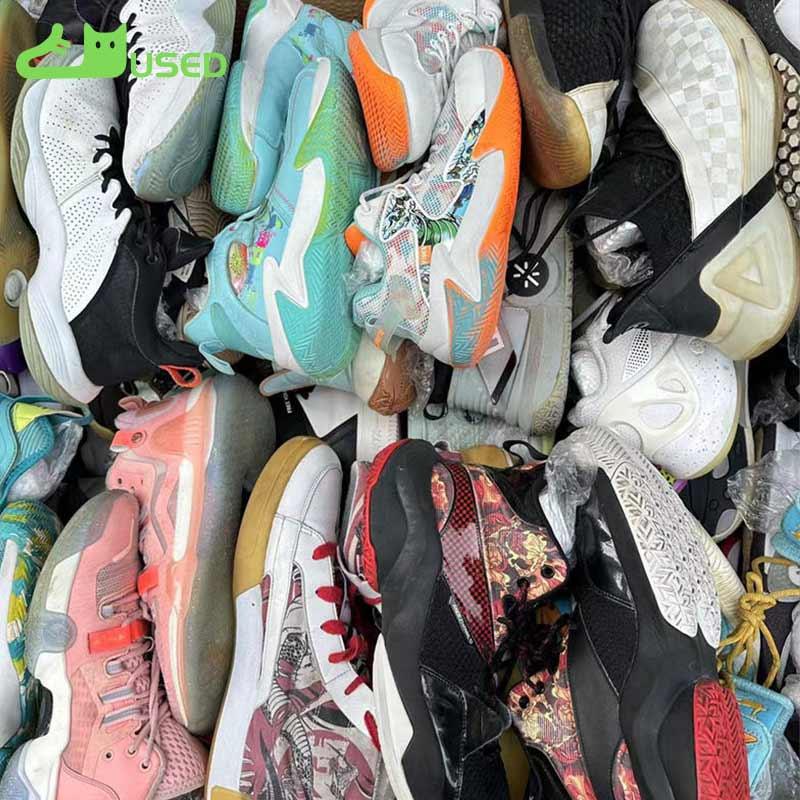
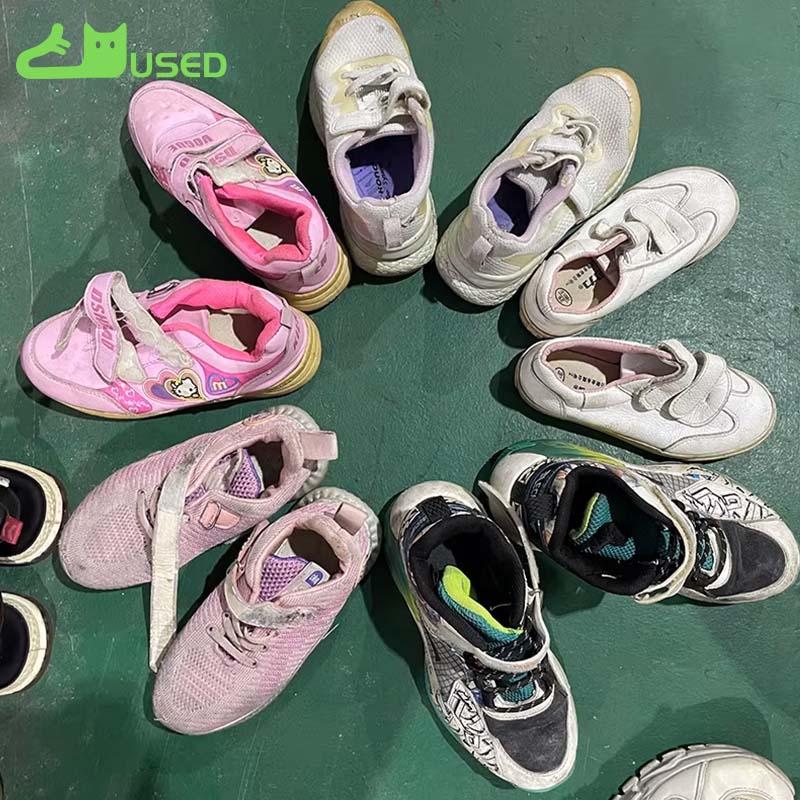
These same-product gallery illustrations show the overall form, overhead lace arrangement and rear-side construction. They are not a report of missing parts or a current offered pair. For an actual enquiry, attach the supplier's pair reference to the photograph and retain the original alongside any marked copy.
Follow one lace from the lower part of the opening upward. Note where it enters a visible hole and where it passes across an edge. A crossing in the middle of the tongue is not itself a hole. Several diagonal sections can look like a complete row while the points where they enter remain hidden.
Compare the paths on both shoes without assuming that they have been threaded identically. One may skip an upper position or cross in a different direction. Record the arrangement first. A difference in threading tells you where to look next; it does not establish that the underlying openings differ.

Use unused only when the opening is visible and no lace passes through it in that arrangement. Use covered when a lace or panel blocks the area being questioned. If the position falls beyond the edge of the photograph, record it as outside the frame. These notes describe the image and keep the next request specific.
The word eyelet can also cause confusion. A lace opening may be a hole in the upper or include a separate reinforcing part. Ask which detail the seller is referring to when they report a missing eyelet. A hole without a visible metal ring is not automatically incomplete; the expected construction needs to be established first.
Request a close view with the relevant lace relaxed enough to expose the opening and its surrounding edge. Keep nearby stitching or another recognizable feature in the frame. A second, wider view should connect that detail to the identified shoe. Move the camera or ordinary lacing gently; stop if exposing the position would require forcing a fragile area.
| Initial observation | Targeted request | What to record from the reply |
|---|---|---|
| A visible opening has no lace through it | Clear view of its rim and the matching position on the other shoe | Unused in this arrangement; note any separately visible edge difference |
| A lace crosses the questioned area | The same position with the lace relaxed and moved aside where accessible | Opening visible, still covered, or a new detail needing explanation |
| The upper position is outside the crop | A wider view including the full upper row and collar | The position now located, with a close view requested only if necessary |
| Corresponding positions appear different | Matched-angle close views with both shoe references | The actual difference, or whether the first impression came from angle or threading |
Do not combine several unresolved positions into a request such as check the eyelets. List them individually so the supplier can answer each one. Where a detail remains inaccessible, retain that item as unanswered rather than requesting repeated photographs of a more convenient area.
Check the pair reference, shoe side and nearby features before reading the close-up. Sellers may send an attractive product detail that is clear but does not include the questioned opening. Return to the named location and ask for that view, rather than treating higher image quality as a completed answer.

A useful reply keeps the detail in context. For instance, a crop showing the opening plus the adjacent seam can be matched to the wider shoe view. A tightly isolated dark circle may be harder to locate. If the shoe was relaced between images, request confirmation of that change before interpreting the new lace path.
Update the original observation instead of adding a second disconnected note. A previously covered position may now show an unused hole. Another may remain hidden. If a closer view reveals a torn edge or an apparently absent component, describe the visible finding and seek confirmation of the expected construction before specifying repair.
The used sneakers range provides context for an enquiry; the returned pictures should answer the questions about the identified pair. When reviewing second hand sneakers, this small location-by-location record helps distinguish unanswered photography from an item that needs physical assessment.
Use the physical row and a stated starting end, not the number of lace crossings. Include a marked wider view so the supplier follows the same positions.
Ask for the edge in the same close-up. Seeing the central opening answers a different question from seeing the material immediately around it.
Yes, if the same shoe and position remain identifiable and the change is recorded. Compare the exposed opening rather than expecting the lace crossings to stay identical.
Ask which position and component they mean, request a close view, and establish the expected construction. Keep that report separate from an unthreaded hole.
Send the supplier a named shoe, row and position, then specify the view needed to answer that one question. On return, record whether the opening is visible, unused, still covered or needs further assessment. This gives used high top sneakers a precise closure review without turning an obscured position into an invented missing part.

Direct Factory Supplier of Used Shoes For African Markets In China
 Tel: +8618606960861
 Email: info@usedshoeswholesale.com
 MP/WhatsApp: +8618606960861
 Manufacturer Address:Cizao Town, Jinjiang City, Quanzhou City, Fujian Province