Author:Used Wholesale Manufacturer TIME:2026-11-03
What does the seller mean by "rebonding included"? If a pair of used nike air force 1 sneakers has a reported sole-edge gap, that phrase is too broad to approve. Removing visible adhesive residue, examining a local attachment and addressing a problem involving sidewall stitching or the upper's base are different jobs. The quotation needs to distinguish them before work starts.
Use a scope sheet before comparing charges. It should identify the location, the work proposed, what remains excluded and the finding that would stop the job. A tidier sole edge is not the same outcome as a resolved attachment concern.
Ask the supplier to select the actual proposed task, not quote a general refurbishment allowance. Keep assessment distinct from permission to perform additional work. This worksheet defines the questions a written estimate must answer; it assigns neither a price nor a promised repair result.
| Proposed task | Write into the quote | Not included | Review question |
|---|---|---|---|
| Surface residue only | Exact area of apparent excess adhesive and intended appearance work. | Closing a gap or restoring attachment. | Was only the named surface addressed, with the original join still visible? |
| Local attachment assessment | Location of the reported opening and the extent to be examined before a work proposal. | Automatic approval of rebonding elsewhere. | Does the response identify the affected connection and explain any wider concern? |
| Stitching or upper-base involvement | Which sidewall stitches or adjoining upper material need specialist assessment. | Treating this as a cosmetic touch-up. | Is there a separate proposal, or should the pair be declined? |
When comparing estimates, check whether examination, proposed work and any further review are included or separately quoted. Ask what is chargeable if assessment ends with no work proceeding. A lower total means little when one estimate excludes the very connection under discussion.

A dark line inside the moulded groove is not automatically an opening between components. Request a level side view and a second angle of the reported area, leaving the shoe undistorted. Locate the line relative to the upper boundary and visible stitches before calling it separation.
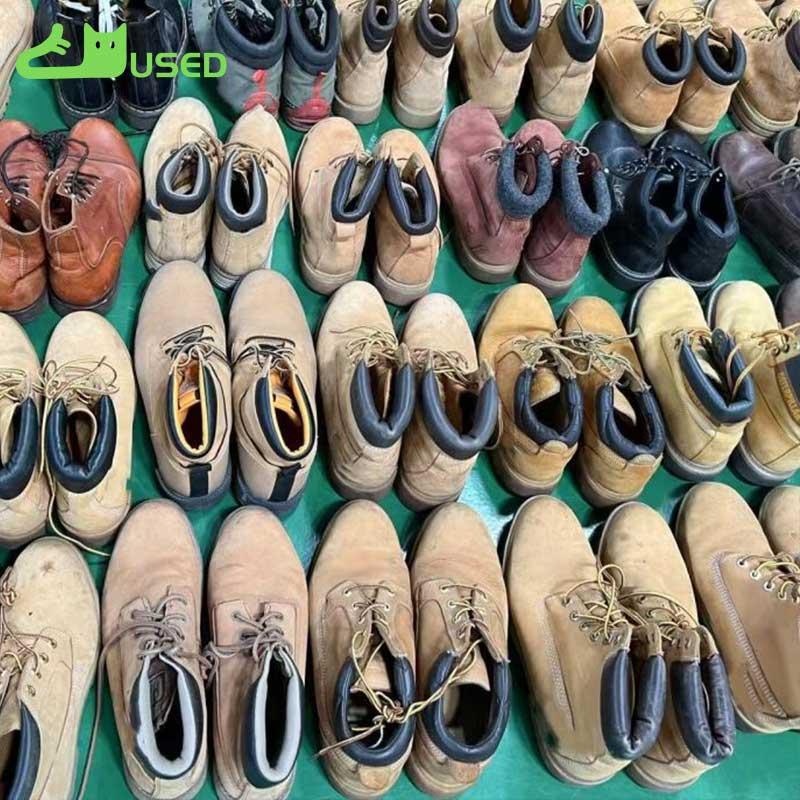
Nike describes a cupsole design on its CJ9179-001 Air Force 1 page. That black version supplies construction context, not a material specification for the wheat-coloured illustrations here. In a cupsole profile, the sole wall rises beside the lower upper, so the visible perimeter needs a more precise description than "bottom coming off."

If the current pair has a gap, record its visible start and end relative to the toe curve, side panels or heel. Then request the rest of the perimeter on both shoes. A close-up of one short section cannot establish where the proposed work should stop.
Keep three observations separate: residue sitting on a surface, an opening between adjoining components, and a discontinuity involving thread or surrounding upper material. Look for changes around the curve and where the upper meets the sole wall. Do not pull the sole away, lever into a gap or ask for forceful bending to demonstrate its depth. An unclear connection needs examination, not an improvised strength test.
Do not let a general approval expand into further operations because the shoe is already on the bench. Ask for a revised scope before additional work and establish how a pair judged unsuitable for the proposed job will be handled. This keeps a purchase decision separate from pressure to finish a cosmetic result.
For used nike shoes, attach these boundaries to the actual pair reference. Do not extend one AF1 estimate to all used sneakers in a mixed assortment.
Retain before-and-after views of the same perimeter section at similar angles. Ask what was done, whether the scope changed and which concerns remain. If the approved task was residue cleanup, review that result as appearance work rather than describing the sole as restored.
A top view helps keep left and right shoes identified, but it cannot replace the sidewall record. Any proposed statement about the connection needs its own appropriate assessment; the review questions here do not promise strength or service life.

No. First locate the line within the sidewall or at the upper-to-sole boundary. Ask for another angle when shadow obscures that distinction.
Only if rebonding is separately described and expressly agreed. Surface cleanup alone does not specify which connection needs attention or what work is proposed.
The question extends beyond surface presentation. Identify the affected stitches and adjacent material, then seek a specific assessment before approving an intervention.
Pause the original approval at its stated boundary. Request an updated perimeter record and a revised proposal, or decline the expanded work.
Before agreeing to rebonding, return the estimate with four points resolved: the named perimeter section, the permitted task, exclusions and the stop condition. Approve only that scope. If the supplier offers a cleaner edge without explaining the connection, keep the work unapproved and decide whether the pair is worth pursuing.


Direct Factory Supplier of Used Shoes For African Markets In China
 Tel: +8618606960861
 Email: info@usedshoeswholesale.com
 MP/WhatsApp: +8618606960861
 Manufacturer Address:Cizao Town, Jinjiang City, Quanzhou City, Fujian Province