Author:Used Wholesale Manufacturer TIME:2026-11-04
A request for used running shoes with mesh-looking uppers can mean a textured toe area, a similar appearance along the sides, or very little smooth-looking trim anywhere above the sole. Those are different selections. Before asking a supplier for examples, name the areas that matter and the exceptions you can accept. This turns an ambiguous appearance preference into something the supplier can show, without pretending that a photograph identifies the fabric.
Start with the reason behind the word mesh. A reseller may want a visibly textured front instead of a broad, smooth-looking toe panel. Another buyer may need a particular textile construction, while a third may be asking about ventilation. Only the first requirement can be discussed mainly through appearance photographs. Do not let the same short label stand for all three.
For an appearance request, use wording such as "visible fine texture across the forefoot" and specify whether the side must look similar. If actual mesh fabric is required, keep that as a separate material question needing reliable information about the offered shoes. Neither a dotted pattern nor a fine surface texture establishes fibre content, stretch or air flow.
Use the following worksheet to define the look you want. Its rows are possible preferences, not findings about available stock. Choose the relevant rows and change the exceptions to suit your request; there is no need to demand the same texture on every component.
| Area in the request | Preference to state | Exception to settle |
|---|---|---|
| Forefoot above the toes | A visibly textured central area, not merely a textured tongue behind it | Is a smoother-looking border around the toe acceptable? |
| Outer and inner sides | Texture on both sides, one side, or no side preference | May a contrasting mark or broad panel interrupt the surface? |
| Tongue beneath the laces | Textured tongue required, optional, or irrelevant to selection | Are a smoother top section and a label acceptable? |
| Lace edges and heel opening | No matching-texture requirement unless specifically needed | May their borders differ visibly from the main upper? |
A useful distinction is required versus preferred. If the textured forefoot is essential but a similar side is only preferred, say so. A supplier can then explain which part of a proposal matches, instead of interpreting any small textured patch as enough.
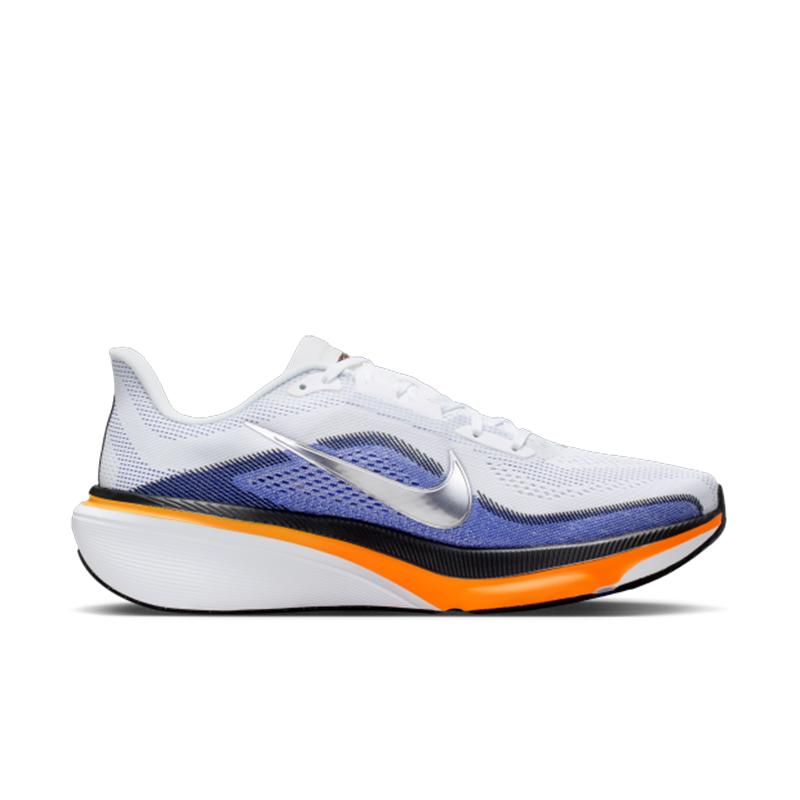
In this example, the light upper has visible patterned areas, while a silver-colored side mark and a darker lower edge interrupt the view. A buyer might accept that combination while rejecting a proposal whose side is mostly smooth-looking. Another buyer may care only about the forefoot. Both preferences can be expressed without calling the entire shoe all-mesh.
Name the interruption by location and appearance. Do not call it a removable overlay, a structural reinforcement or a particular material unless that information is established. For this decision, the practical question is simply whether the visible feature is allowed within the requested look. The unseen inner side remains a separate part of any two-sided preference.
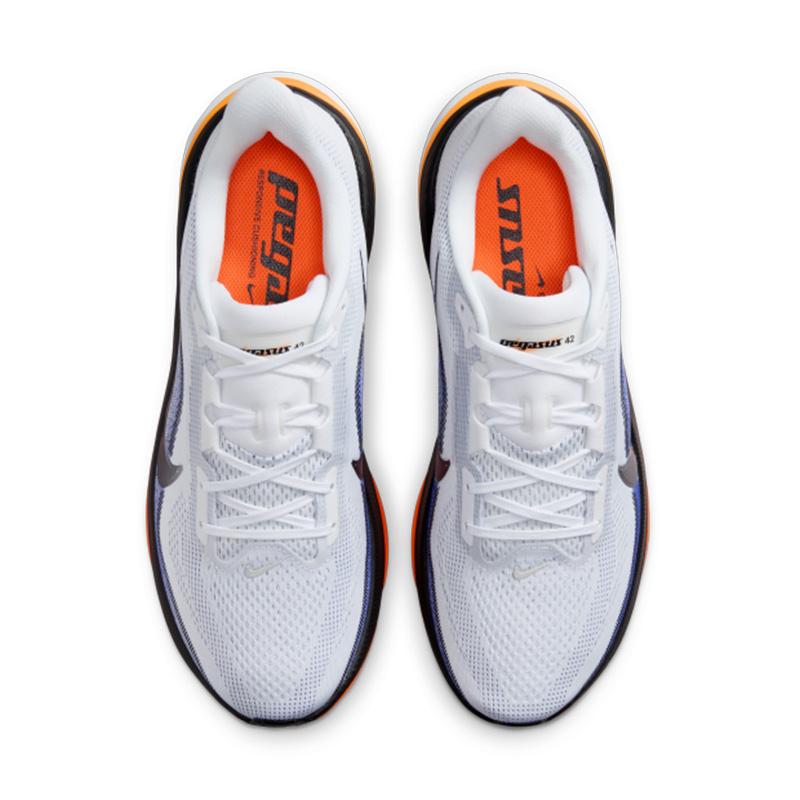
The overhead photograph makes a distinction that a side view can hide. The front of each shoe has a visible repeating texture. Behind it, crossed laces cover part of the opening, and the upper tongue looks different. Calling this simply a textured top would leave several separate areas unspecified.
If your preference concerns the front above the toes, name that area. If it concerns the tongue, name the tongue. A textured tongue alone would not satisfy a request for a textured forefoot. Conversely, a smoother-looking tongue need not exclude a shoe when the buyer only specified the front. This is a selection choice, not a judgment about which construction is better.
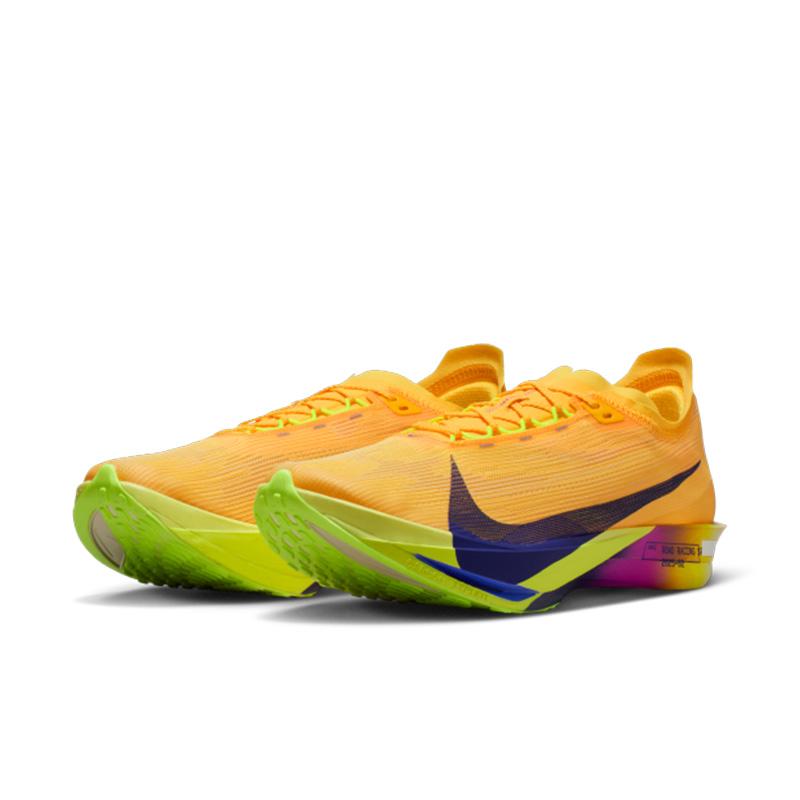
These yellow-orange uppers illustrate why mesh-looking is not a precise fabric specification. Their surface appears finely textured, but that does not make them equivalent to the light pair in construction. The two examples can help a buyer describe a visual preference; they cannot establish that either has a particular weave, backing or number of layers.
Decide whether this finer appearance would satisfy your request or whether you want a more visibly open-looking pattern. Keep colour separate from that choice. A bright colour may attract attention without answering the texture question, while a contrasting side mark may be acceptable even when a broad smooth-looking side panel is not.
A short preference can be more useful than an absolute all-mesh instruction. For example: "Textured forefoot required; similar side appearance preferred; contrasting side marks and different-looking lace borders accepted; tongue texture unrestricted." This is hypothetical wording to adapt, not a description of a lot currently offered.
Send that preference when discussing used sneakers, and ask whether a corresponding selection is available. The site accepts container orders with a minimum of one 20GP, not retail or loose-pair purchases. Adding an example to an inquiry does not reserve it. The photographs here illustrate upper features, not the contents of a proposed container.
Only if that is the area the buyer meant. When the forefoot or sides are essential, a tongue-only match leaves those preferences unmet. Clarify the location before treating the example as suitable.
No. The buyer can allow it while still preferring textured surrounding areas. State that exception explicitly; the appearance decision does not identify the mark's material or attachment.
Not from casual photographs. Curves, angle and hidden surfaces leave the denominator unclear. Named zones and explicit exceptions give a supplier a more practical visual instruction without an invented percentage.
Yes, when the buyer intends that. Write colour and texture as separate choices so a colour change does not silently change the required forefoot or side appearance. Actual options still need confirmation.
Before requesting mesh-looking styles, mark the forefoot, sides or tongue that must match your preference and list the interruptions you allow. Send that description with a representative image and ask for proposals against those specific zones. Keep confirmed appearance choices separate from unanswered fabric questions, so a visual match is never mistaken for a technical specification.

Direct Factory Supplier of Used Shoes For African Markets In China
 Tel: +8618606960861
 Email: info@usedshoeswholesale.com
 MP/WhatsApp: +8618606960861
 Manufacturer Address:Cizao Town, Jinjiang City, Quanzhou City, Fujian Province