Author:Used Wholesale Manufacturer TIME:2026-11-05
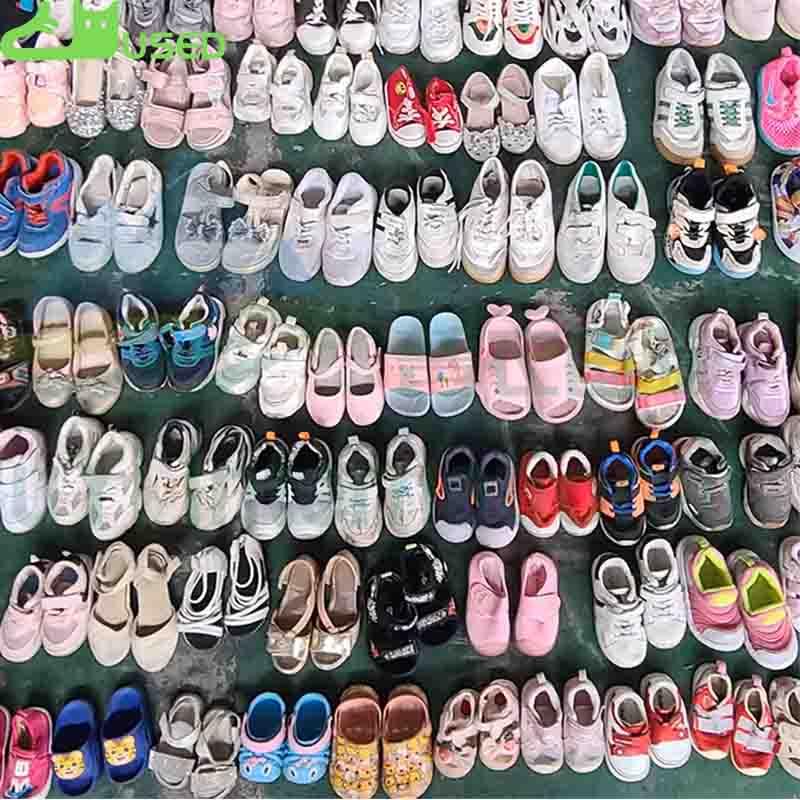
A supplier can show blue collars, pink panels and patterned straps without showing a boys-to-girls assortment. For a buyer comparing used kids sneakers, those are different kinds of information. Keep the visible color description, any documented product designation and the shop's own merchandising group in separate fields. Otherwise, a photograph can acquire a customer label that nobody actually verified.
These fields may appear together, but they should not silently replace each other. A shop may have an established way of organizing children's footwear. That does not mean a mixed supplier display was selected using the same rule, or that the supplier can confirm a corresponding split from the photograph.
The current children's product pages describe sports-and-leisure or mixed children's footwear. They do not provide a documented boys-to-girls allocation. Treat that absence as an unanswered commercial detail, not a reason to estimate a split by counting pink and blue shoes.
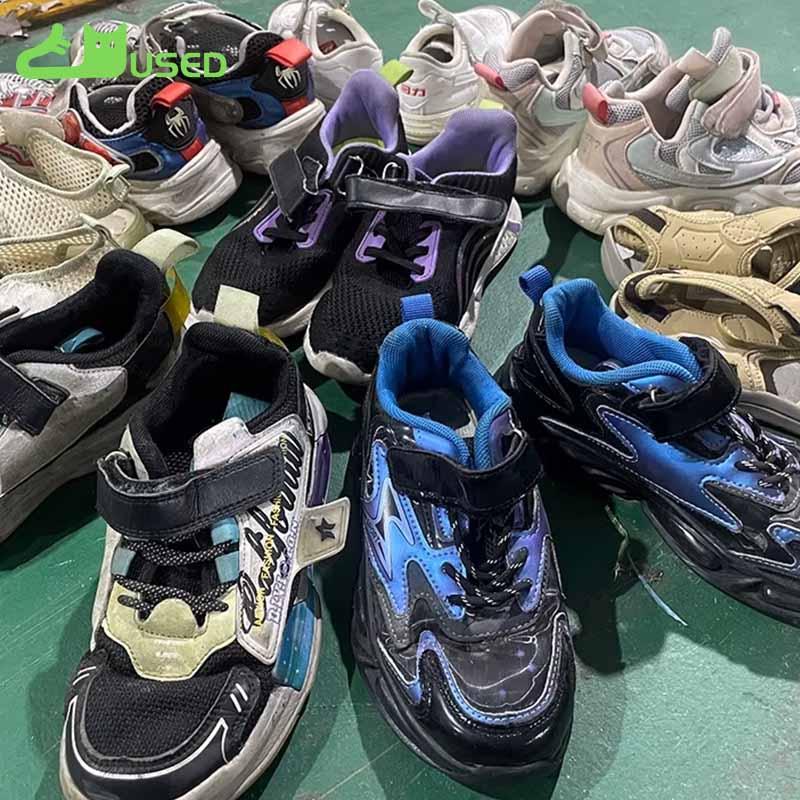
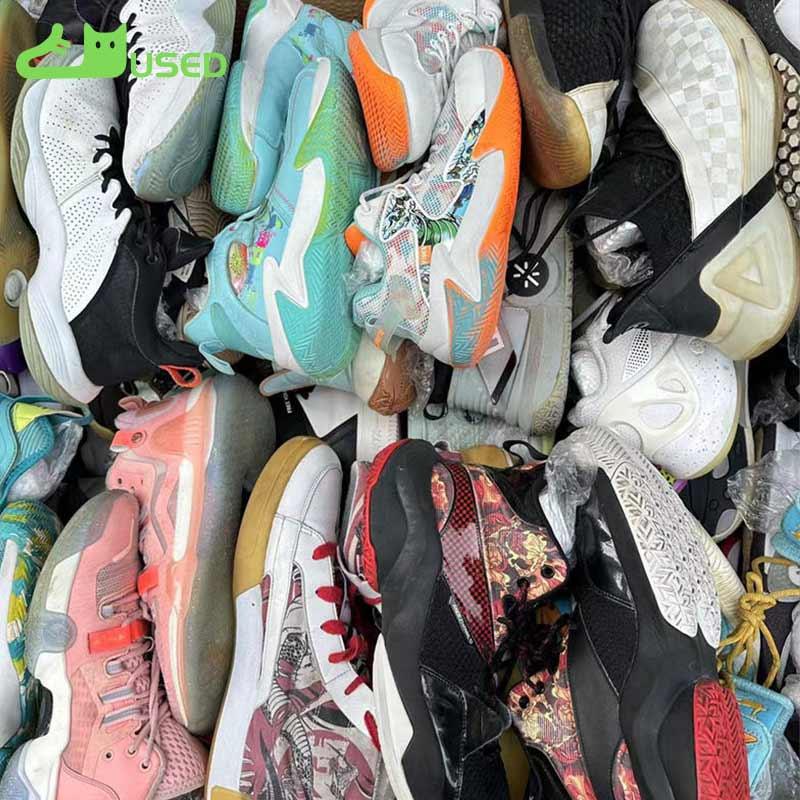
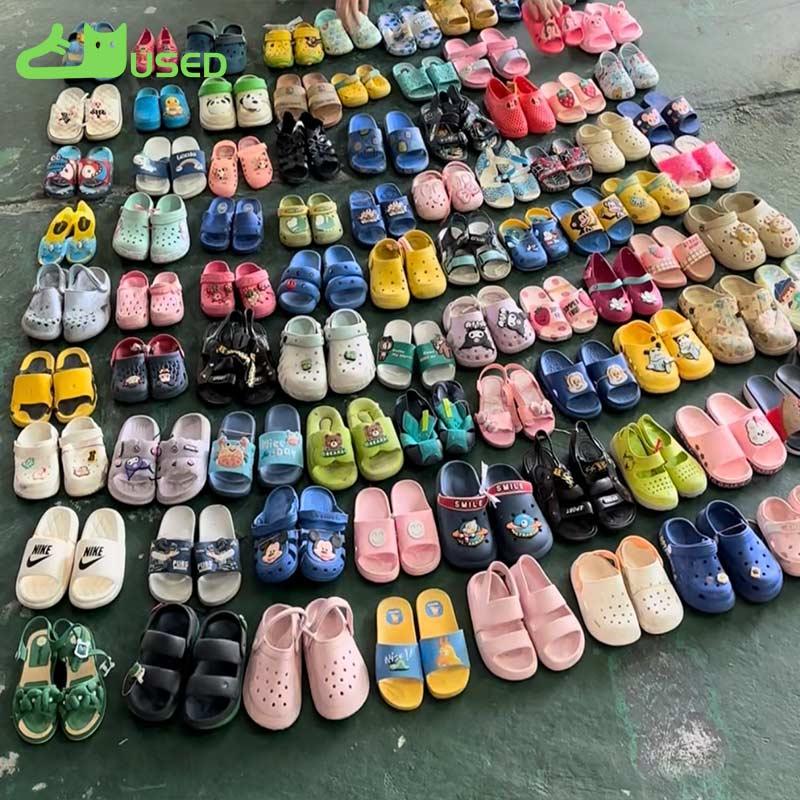
In this display, blue and purple appear at the collars of otherwise dark sneakers. Other pairs combine pale panels, graphics and lighter sole edges. Reducing each shoe to one dominant color loses information before the merchandise grouping has even begun.
Describe the combination at the level useful to the buyer. Black and blue is more informative than dark if both areas are prominent. A small colored pull tab need not determine the name of an otherwise pale shoe. Apply the same descriptive convention across the reviewed selection, and retain a photograph beside the words so another person can understand the choice.
Do not use character graphics, shiny panels or a strap shape as substitutes for a documented customer designation. They are observable design details. They cannot establish who previously wore the shoes, which children will prefer them or whether a retailer's proposed group has a particular sales rate.
| Information available | Supportable wording | What remains separate |
|---|---|---|
| Dark front and blue collar visible | Children's sneakers with black and blue details | A boys designation is not supplied by those colors. |
| Pink upper with contrasting trim | Pink children's sneakers with the visible contrast described | A girls designation still needs its own basis. |
| Several color combinations in a group photograph | Mixed-color children's footwear display | No numerical split or current availability follows. |
| Product designation supported by a reliable item record | Retain the documented designation alongside the description | Do not transfer it to similar-looking, undocumented pairs. |
| A buyer assigns a shop section | Record the buyer's merchandising group separately | The section name does not alter the product evidence. |
Leaving a designation unconfirmed is different from calling the product unisex. That word is also a product description and should have an appropriate basis. When only the children's category and visible colors are supported, those can be the description. There is no need to fill an uncertain field with another confident label.
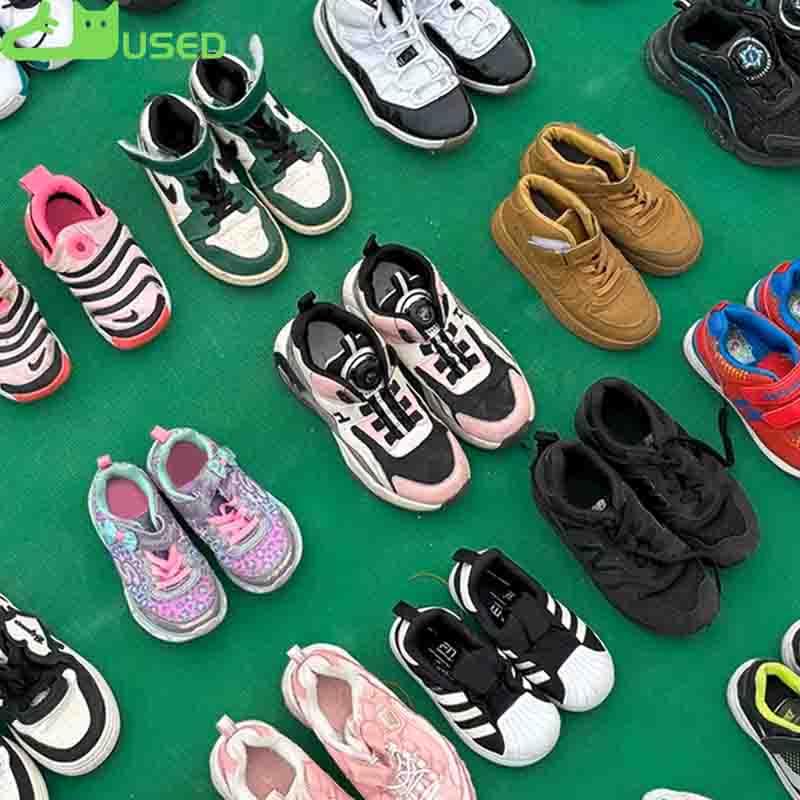
A buyer seeking a particular visual mix can name that preference directly: more dark combinations, fewer highly patterned uppers, or a separately reviewed group of pale colors. These are proposed selection preferences, not claims about which children should wear them. The supplier must still say what can actually be offered.
If the shop uses boys and girls sections, ask the buyer how unfamiliar or unlabelled items should be handled. A neutral children's section or an unresolved internal group may be more accurate than a guessed product designation. The choice belongs to the buyer's merchandising system; it should not be presented as a fact established by a supplier photograph.
Keep marked sizes on their own record. A color group does not establish a size curve, and a shop category does not supply an age or fitting recommendation. Those separate questions should not disappear simply because the display looks visually balanced.
When a seller uses either term, ask what it means in that particular offer. Is it copied from item-linked records, assigned under an agreed buyer rule, or used informally for a color selection? Request the explanation before comparing the proposed groups. Two suppliers may use the same words for different sorting choices.
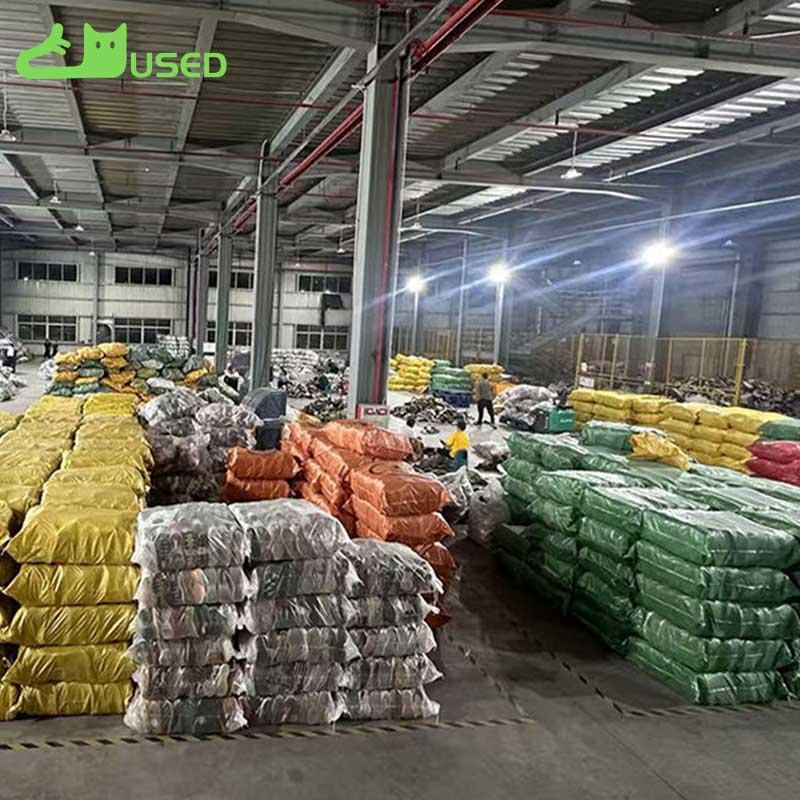
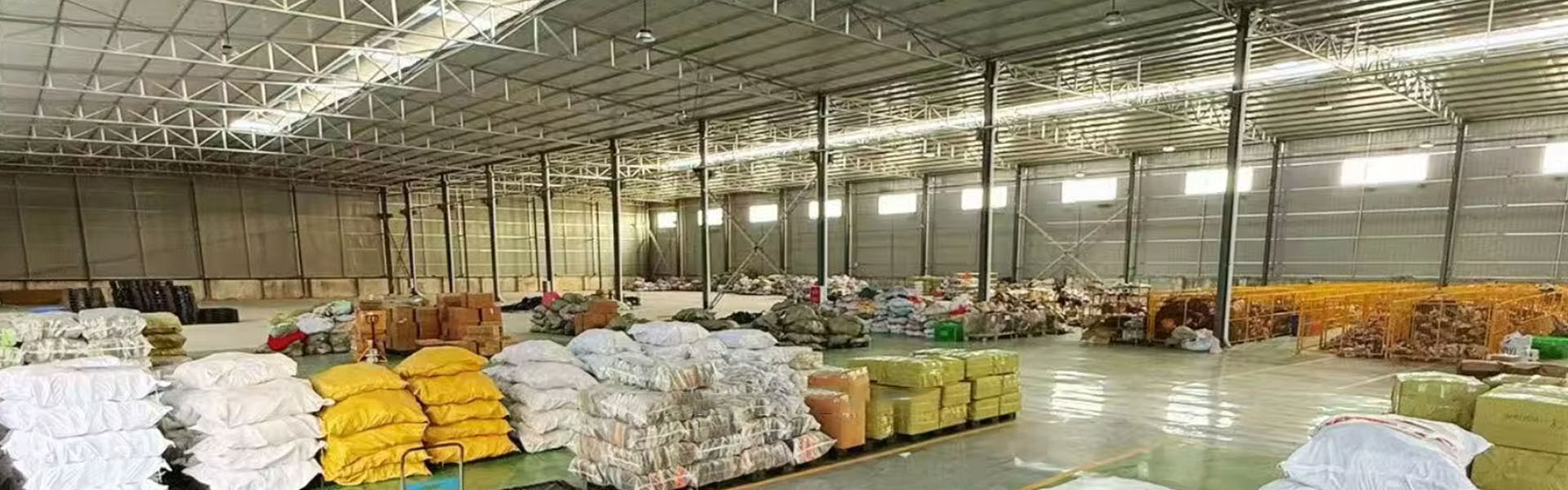
A useful reply identifies the basis and shows the relevant selection. A broad warehouse picture does neither. If the reply amounts to blue means boys, preserve the actual color information and discuss a clearer group name instead of treating the phrase as verified product data.
This remains a wholesale assortment discussion. The site currently requires at least one 20GP container and does not offer retail or loose-pair sales. Reviewing a pictured example helps define the brief; it does not reserve that pair or guarantee a matching quantity.
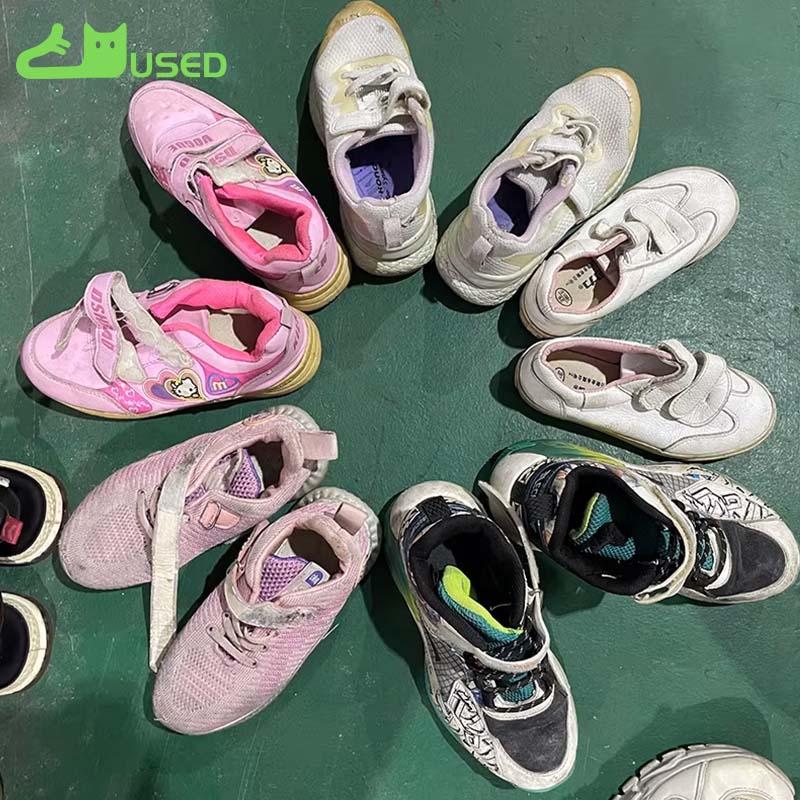
Give the person preparing catalogue text the original description, the selected photographs and the basis of any merchandising group. Do not let an image filename such as girls pink become the only surviving record when girls was merely an internal folder name.
For the children's footwear range, keep the distinction visible when proposing alternatives. A replacement with different trim can change the color description without establishing a different customer designation. Recheck the wording against the replacement itself; do not inherit all fields from the earlier example.
No. It establishes a visible color. A product designation needs its own supporting record, while the buyer can separately decide how to organize the item in a shop.
Not automatically. Keep the supported children's category and color description, and leave the unsupported designation unresolved.
Yes. State the visual preference directly and ask what the current offer can satisfy. Do not convert that preference into an unsupported demographic or demand claim.
Do not compare it as a verified allocation. Request the underlying selection rule or review the offer using the documented product and visible color information instead.
Retain the basis of any boys or girls label beside the actual color description. Where the seller's allocation rests only on pink, blue or decorative motifs, request a description of those features instead. A buyer can then apply its own merchandising rule without presenting an informal sorting choice as a documented product designation.

Direct Factory Supplier of Used Shoes For African Markets In China
 Tel: +8618606960861
 Email: info@usedshoeswholesale.com
 MP/WhatsApp: +8618606960861
 Manufacturer Address:Cizao Town, Jinjiang City, Quanzhou City, Fujian Province