Author:Used Wholesale Manufacturer TIME:2026-11-11
Putting one shoe on display and leaving its mate in storage does not create two stock items. For a reseller handling second hand shoes, it creates one complete pair in two places. The arrangement is workable only if staff can reliably connect those places to the same pair. Otherwise, keeping both shoes together is the simpler choice.
This is a proposed way to manage an importer's own received inventory. It is not a description of a supplier display service, a retail offer or a promise that individual styles can be reordered. The distinction matters especially in a mixed sneaker assortment, where a similar color or outline is not enough to identify the original mate.
Establish the pair before deciding to split its location. Confirm which two shoes belong together under the buyer's normal receiving checks, retain the original intake reference and record both marked sizes. An unresolved single from a newly opened bag should not acquire a display status just because it looks suitable for a shelf.
That is the difference between an intentional display single and an unmatched arrival. In the first situation, the second shoe was identified and its present location should be known. In the second, the receiving question remains open. Keep those situations distinct so an internal movement does not become an unexplained shortage in the supplier receiving record.
A reference that belongs to those two shoes. It stays with the pair when either shoe moves, and connects back to the receiving record.
The places holding the left and right shoes now. These change when staff move a shoe; they are not new inventory identities.
A shelf name alone cannot perform both jobs. The shelf may later hold another shoe, while the original displayed shoe moves to a photo station or returns to storage. Keep the pair reference fixed and update the location fields. If staff cannot maintain that distinction with the records they actually use, do not split the pair.
| Field | Example entry | What changes after a move? |
|---|---|---|
| Pair reference | Pair P | Nothing: the same two shoes retain this identity. |
| Left-shoe location | Display position D | The position changes if the left shoe moves. |
| Right-shoe location | Storage position S | The position changes if the right shoe moves. |
| Inventory quantity | One complete pair | A move alone does not increase or reduce quantity. |
| Retrieval status | Both locations confirmed | Recheck when either location cannot be verified. |
The letters are only an example. A paper register or an existing stock system can hold the same information. A separate location record for the displayed shoe is acceptable when it stays linked to the pair reference and does not add another saleable pair to the inventory total.
Temporary removal for photography deserves the same location update when it can interrupt retrieval. Do not leave a shoe recorded on the display after moving it to a work area. The aim is not an elaborate movement history; it is a reliable answer to where each original mate can be found now.
At a stock check, use the pair reference to connect the display shoe and its stored mate. Counting the display area as singles and the store as complete pairs can overstate the total. Ignoring all display stock can understate it. Keep the quantity tied to the complete pair and verify both physical locations before describing it as readily retrievable.
If one recorded location is empty, first investigate the internal movement: display, photography, temporary handling or the last known storage position. Record the uncertainty rather than immediately editing the original received quantity. The original record says what was received; the current record says what can be located now. They answer different questions.
This approach does not establish that every originally complete pair remains complete. If a shoe cannot be located, stop treating that record as a confirmed retrievable pair until the discrepancy is resolved. Avoid filling the gap with a similar-looking shoe from another record simply to restore the total.
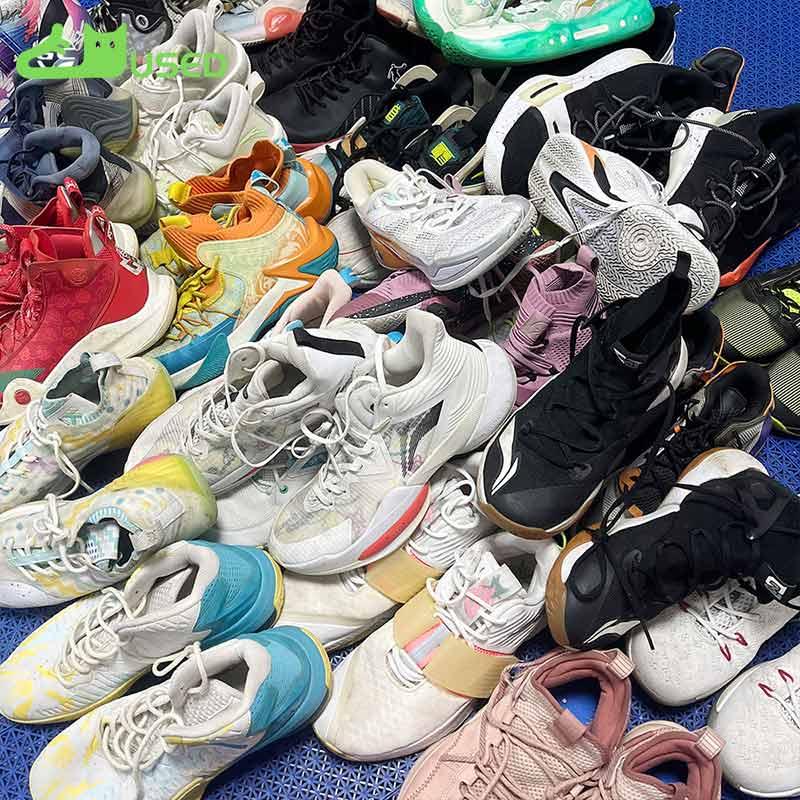
Retrieve by the pair reference, then compare both shoes with the original record. A mixed men's sneaker lot may contain several pale, dark or similarly outlined pairs. Color and shelf position alone are weak substitutes for the association established at intake. Check the recorded markings and the original pair relationship before moving the shoes together.

Once the pair leaves its display arrangement, clear the obsolete location assignment. Otherwise another member of staff may search for a shoe that has already been reunited or treat its empty position as new missing stock. Keep the historical intake reference even when the current location changes.
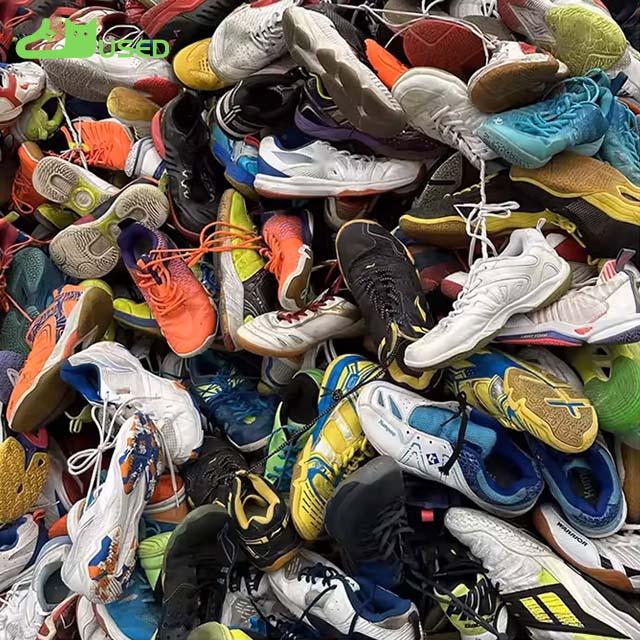
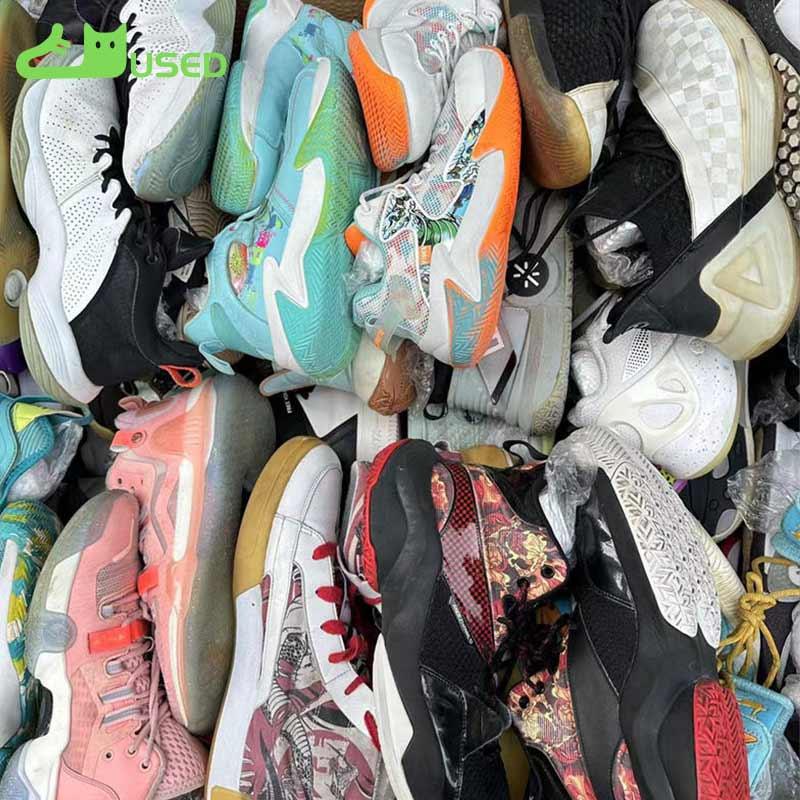
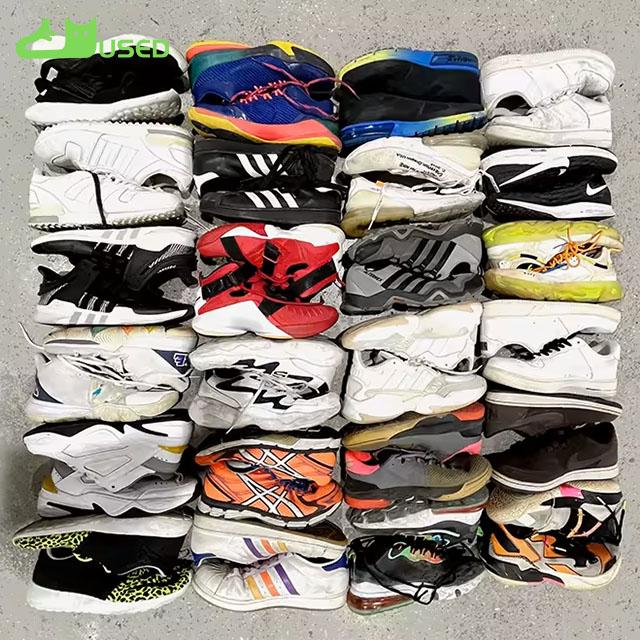
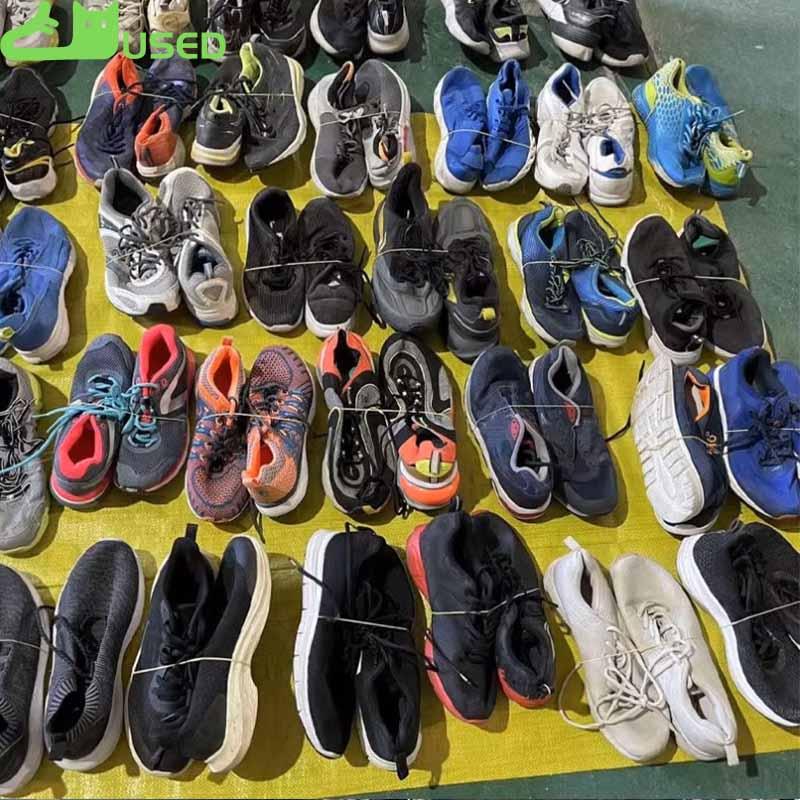
Plan this handling choice when reviewing the variety in a men's second-hand sneaker assortment. The site's supply is container wholesale, starting at one 20GP; the display decision belongs to the reseller's later operation. A supplier photograph or an inquiry selection does not establish the reseller's stock locations.
No. A planned display single should have an already identified mate and a recorded location. An unmatched arrival still needs the buyer's normal receiving reconciliation.
Not when it remains part of the same complete pair. Record its location separately without adding another saleable unit.
Those details help check a retrieval, but similar shoes can coexist in mixed stock. Preserve the pair association established at intake rather than recreating it from appearance.
Keep the original pair together. A one-shoe display is optional; it should not depend on staff memory or make the second shoe difficult to locate.
Choose a single-shoe display only when one fixed pair reference can connect two current locations. Record the side that moves, preserve the stored mate's position and reunite the original shoes before handoff. Keeping received quantity, current location and retrieval uncertainty separate prevents a display choice from turning into duplicate inventory or a misleading receiving shortage.

Direct Factory Supplier of Used Shoes For African Markets In China
 Tel: +8618606960861
 Email: info@usedshoeswholesale.com
 MP/WhatsApp: +8618606960861
 Manufacturer Address:Cizao Town, Jinjiang City, Quanzhou City, Fujian Province