Author:Used Wholesale Manufacturer TIME:2026-11-16
Two running-shoe descriptions can both say "8 mm drop" while showing very different amounts of material underfoot. They are not necessarily contradictory. For used running shoes, heel-to-toe drop and stack height answer different questions. A buying sheet that merges them into one "sole height" column cannot explain what the proposed models have in common.
Heel stack describes the thickness under the heel at the stated measurement location. Forefoot stack describes the corresponding thickness toward the front. Heel-to-toe drop expresses the difference between those heights. Where the heel is higher, subtract forefoot height from heel height to obtain a positive drop.
Drop is therefore a difference, not the entire height of the shoe. A relatively thick sole can have a small difference between its two measurement points. A lower-profile sole can have a larger difference. The number alone does not say whether the shoe feels soft, whether its foam remains effective or whether it suits a particular person.
Before entering values, identify whether a description gives heel stack, forefoot stack, a two-number stack specification, or drop. A single number beside the word "height" is incomplete unless its meaning is stated. Do not quietly assign it to whichever column is still empty.
These invented dimensions demonstrate the calculation. They do not identify real models, current inventory or recommended running shoes. All values in the example use one hypothetical measurement method.
| Example | Heel | Forefoot | Calculation | Drop |
|---|---|---|---|---|
| A | 34 | 26 | 34 minus 26 | 8 |
| B | 24 | 16 | 24 minus 16 | 8 |
| C | 34 | 30 | 34 minus 30 | 4 |
| D | 24 | 24 | 24 minus 24 | 0 |
A compared with B: both have an 8 mm difference, although A is 10 mm higher at each measurement point. Matching drop does not mean matching stack.
A compared with C: heel height is unchanged, but raising the forefoot by 4 mm reduces the drop by 4 mm. Matching heel stack does not mean matching drop.
B compared with D: the heel values match again, while D has equal front and rear heights. Zero drop means an equal-height relationship, not an absence of sole material.
This is a useful way to check a quotation's internal arithmetic. If its stated heel and forefoot heights do not produce its stated drop, ask whether the figures came from different versions, sizes or measurement conventions. Do not fix the discrepancy by changing one figure without an explanation.
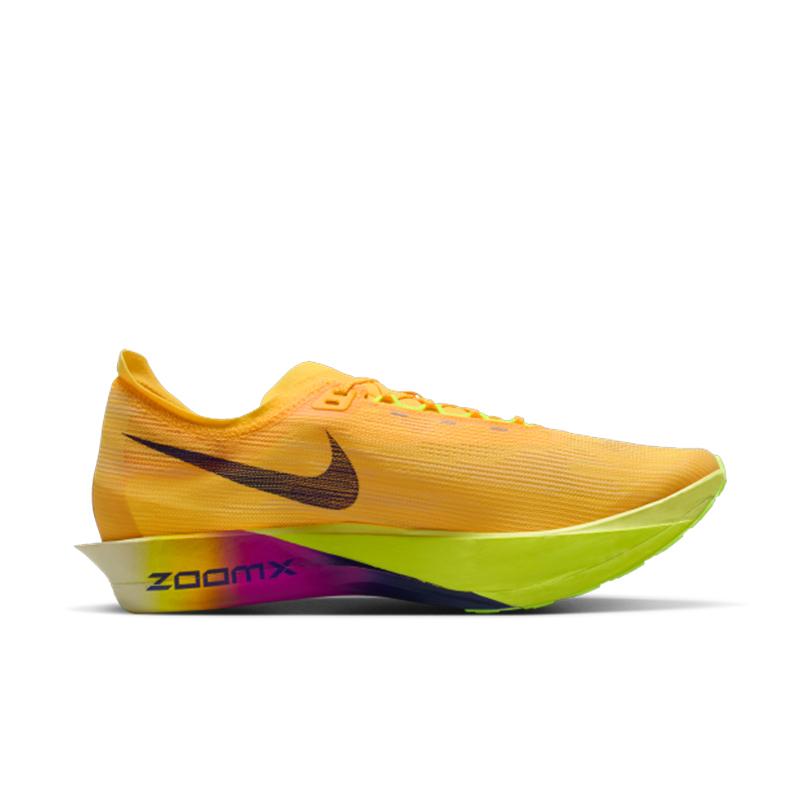
The top edge of a visible sole wall may rise beside the foot rather than end directly beneath it. Curves, heel bevels and the lifted toe also change the silhouette. Measuring the highest visible rim with a ruler is not the same task as measuring thickness beneath a defined point inside the shoe.
That distinction matters when a supplier sends a side photograph with a number drawn next to it. Ask what the endpoints represent. A measured exterior height can remain a useful exterior dimension, but should not be relabelled as the model's nominal stack or drop. Keep the photo dimension under its own descriptive name.
Do not use the upward curve at the very tip of the toe as the forefoot reference for a casual subtraction. Nor should a buyer cut, pry apart or compress a shoe to imitate a laboratory measurement. For a specification-based inquiry, the original model information is the appropriate starting point.

A model family can change between revisions. Reusing an earlier figure because the name is familiar can make an otherwise tidy comparison wrong. When two descriptions disagree, identify the version and measurement basis first; averaging their numbers produces a value that may describe neither shoe.
If only drop is known, neither individual stack height can be recovered from it. There are many possible pairs of heights with the same difference. If heel stack and drop are known on the same basis, subtraction can produce a calculated forefoot value. Label that value as calculated rather than implying it was separately published or measured.
If the measurement bases differ or are unstated, leave the calculation open. A nominal midsole-only figure should not be combined with a total-stack figure simply because both are expressed in millimetres. The unit tells you the scale, not which layers or reference points were included.
An empty technical field is also different from zero. Zero drop is a specific relationship between heights. "Unknown drop" means the relationship has not been established. Keep those entries visibly different in the buyer's assortment sheet so missing information cannot accidentally enter a zero-drop selection.

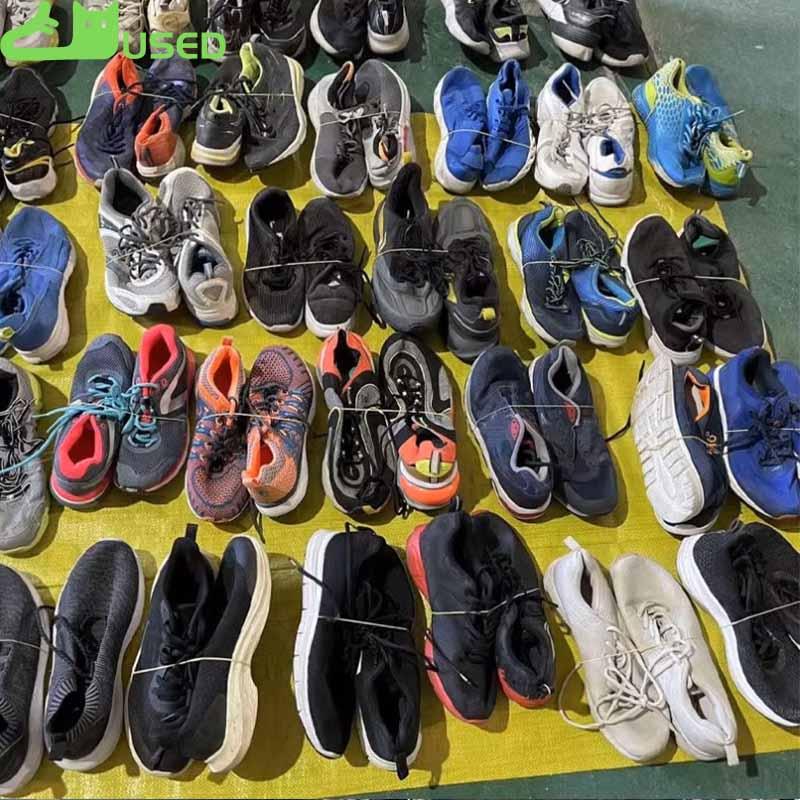
For a running-style sneaker inquiry, state whether the requirement concerns a nominal drop range, a stack description, or simply a visible profile. If it is a numerical requirement, ask for the applicable model-version values rather than an impression that a shoe is "high" or "low." Specify which missing fields prevent a model from being included.
This is a sourcing specification, not advice about injury, gait or personal comfort. It does not assess foam condition or remaining performance. Grades, marked-size selections and packaging are separate quotation-confirmed options. Orders start at 1x20GP, and asking for particular geometry does not establish that the requested model mix is in stock.
Yes. Equal differences can come from different front and rear heights, as examples A and B demonstrate.
No. It means the specified heel and forefoot heights are equal. That relationship does not state how thick either area is.
No. The forefoot height is also needed on a compatible measurement basis. One height cannot establish their difference.
No. Resolve the model revision, sizing category and measurement convention. An average can conceal a mismatch instead of explaining it.
It is a nominal design specification. Keep it separate from the pair's current physical assessment and avoid claiming a fresh measurement.
Give heel stack, forefoot stack and drop their own fields. Check subtraction only between comparable figures, retain the exact model version and leave genuinely missing values unknown. The resulting comparison explains design geometry without confusing a tall sidewall, a nominal specification and the condition of a used pair.

Direct Factory Supplier of Used Shoes For African Markets In China
 Tel: +8618606960861
 Email: info@usedshoeswholesale.com
 MP/WhatsApp: +8618606960861
 Manufacturer Address:Cizao Town, Jinjiang City, Quanzhou City, Fujian Province