Author:Used Wholesale Manufacturer TIME:2026-11-23
"We can replace the straps" sounds like a simple way to recover used flip flops with a damaged toe post. It is only a useful buying assumption when the particular sandal has a supported replacement system, a suitable sole and an obtainable matching component. A Y-shaped upper tells you where the straps run; it does not tell you how they attach.
Before including repair-dependent pairs in a resale plan, distinguish three constructions: a separate strap retained through the sole, a strap molded continuously with the sole, and a textile or leather assembly secured by stitching or concealed anchoring. They lead to different component questions, not one universal replacement job.
| Construction | What connects the upper to the sole | Replacement question |
|---|---|---|
| Separate molded strap | Toe and side ends can pass through dedicated sole openings and be retained by plugs | Is there a documented compatible strap for this sole and size? |
| Continuous one-piece molding | The strap and base belong to the same molded structure | There is no independent plug-in strap to order |
| Sewn or anchored assembly | A textile toe piece or upper is joined by stitching or an attachment within the construction | Does a qualified repair service support this exact assembly? |
These categories describe construction, not a ranking of remaining life. A continuous molding can still be damaged; stitching does not automatically make a sandal repairable. For a mixed selection, name the construction only after examining the actual attachment or obtaining an applicable product description.
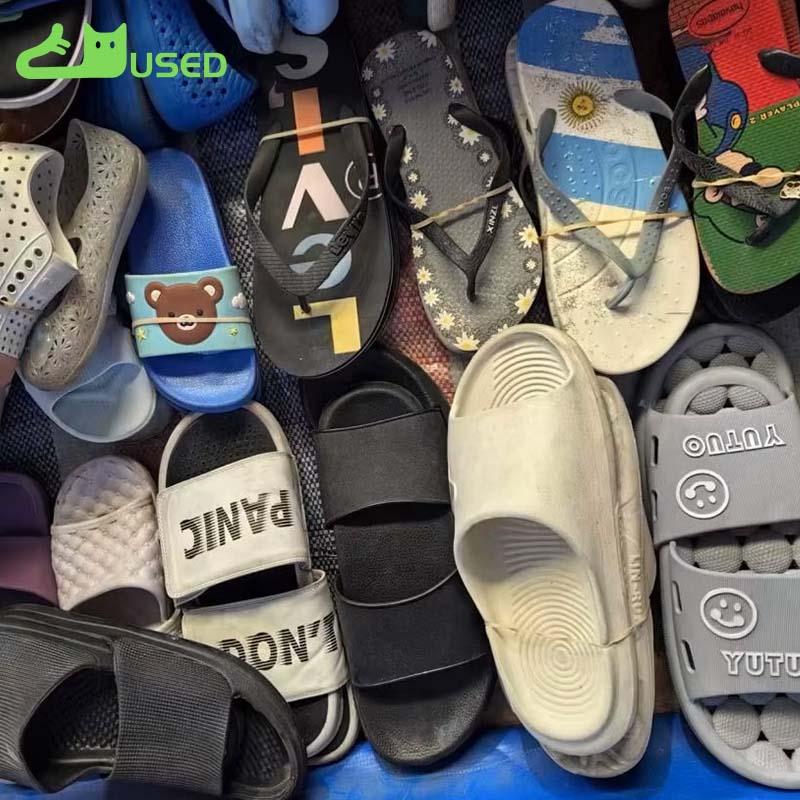
A visible plug is not a spare-parts catalog. Some purpose-designed systems have interchangeable straps, including model-specific length choices. Other manufacturers sell the sandal only as a complete product. Do not assume that because one supplier offers replacements, another design uses the same attachments or has an equivalent service.
Changing strap length can change the space over the foot, even when the sole size stays the same. A shorter option in a purpose-designed system therefore belongs to a specified configuration. It is not permission to fit the shortest available strap to unrelated footwear or to promise a particular fit to a customer.
The replacement would attach to an existing used sole, not a fresh factory component. Look at the area around each relevant opening as well as the strap itself. Record visible tearing, an opening that no longer holds its intended shape, missing material around the seat, or separation in a layered sole. A new strap does not replace that surrounding material.
Inspect without forcing an intact assembly apart. Ask for underside views and a close view of the toe-post entry when the connection is hidden. For a sewn textile toe piece, look for the actual stitch attachment rather than searching for a plug that may not exist. If the junction is inside bonded layers, do not allocate an external push-through replacement task.
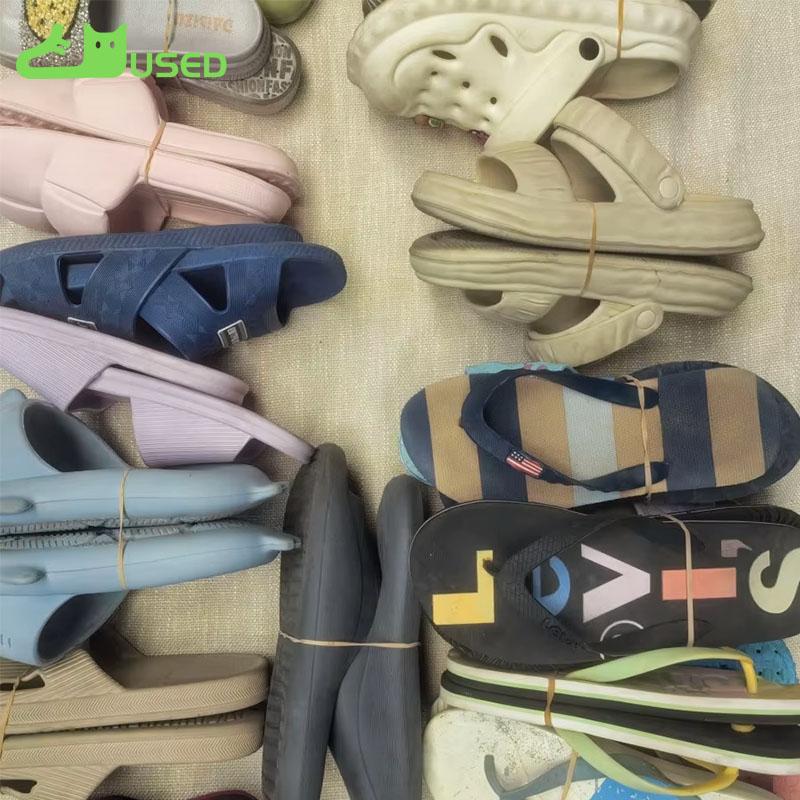
A buyer need not devise a pull-strength test to make the first decision. If the construction is uncertain or the receiving material is visibly damaged, leave the pair out of a simple strap-replacement allowance. Qualified assessment and any applicable verification are separate from this purchasing screen; there is no universal force, glue or improvised reinforcement specified here.
Divide the decision into two stages. First establish whether a supported replacement is feasible. Only then assign the part, installation and checking costs. Putting a low guessed labor allowance against every broken strap disguises unresolved compatibility as cheap preparation.
Confirmed component cost + authorized work + post-work verification = the proposed replacement allowance for an eligible pair.
This is a planning relationship, not a quoted price or evidence that any pair has passed repair. Keep unsuccessful assessment costs visible as well. For example, a hypothetical group of twelve candidates might contain only four with an identified obtainable component. The other eight are unresolved candidates, not eight inexpensive repairs waiting for a price.
A reseller without a component supplier can simply request complete straps with no planned strap replacement. That is a useful commercial specification, not a claim that all second hand shoes are unrepairable. A buyer with a supported system can instead define the eligible model and exact component, with repair-dependent pairs separated from those requiring no such work.
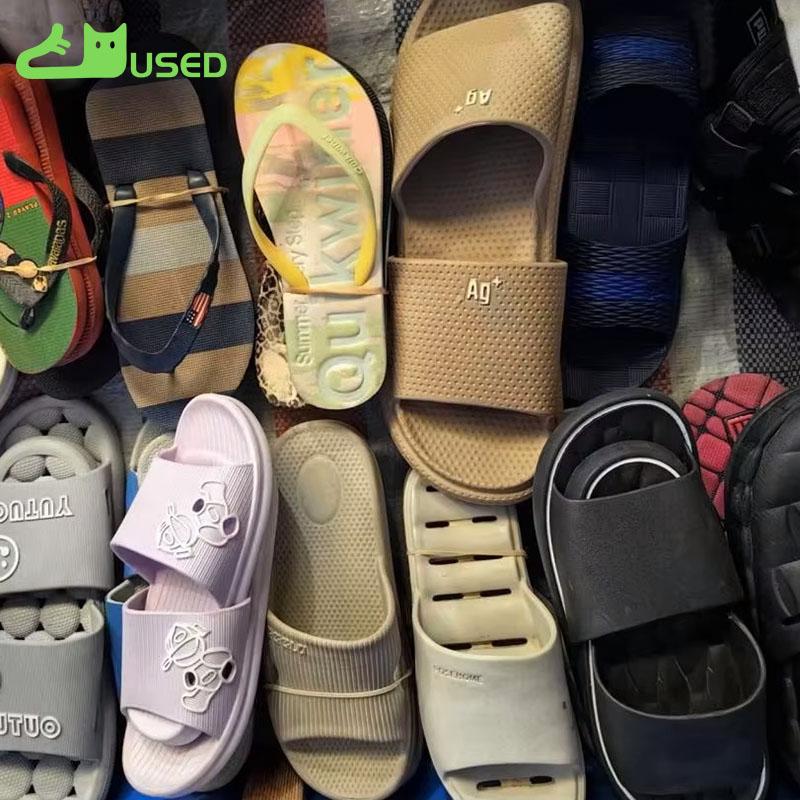
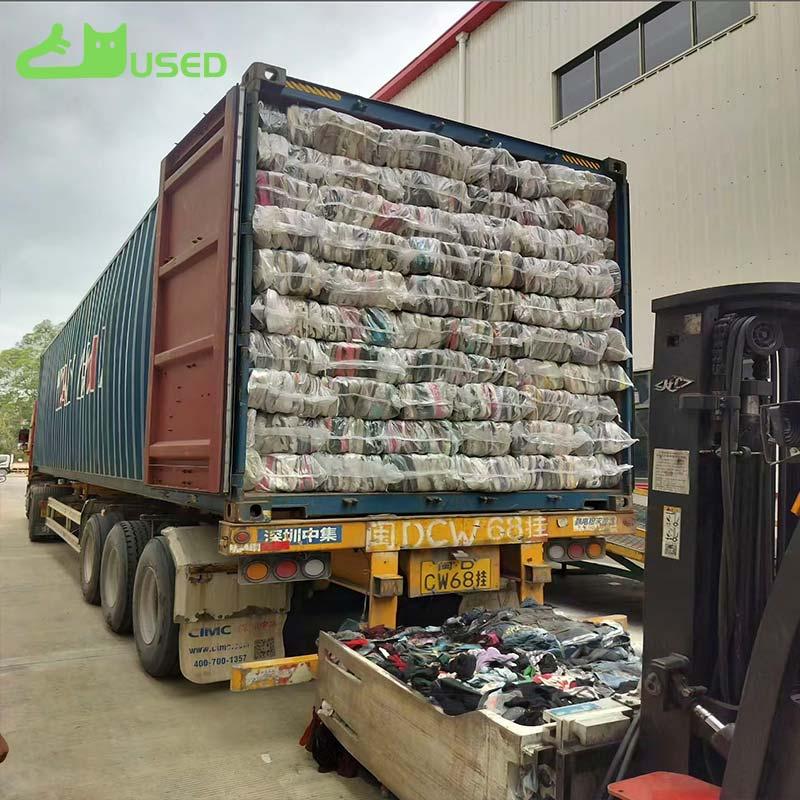
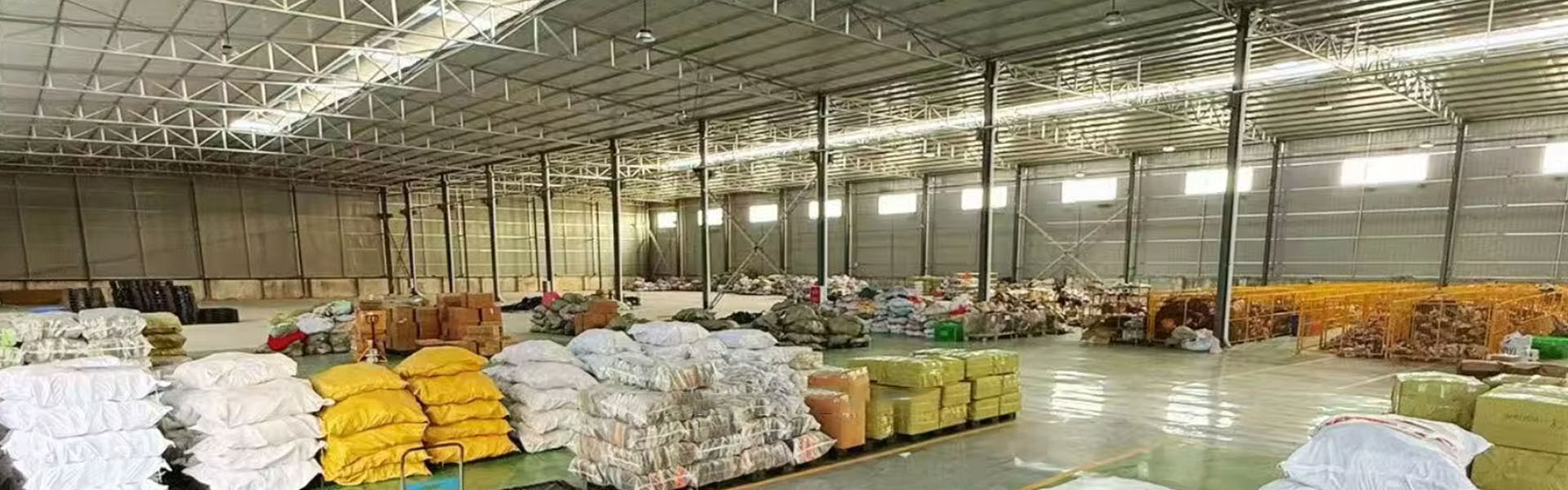
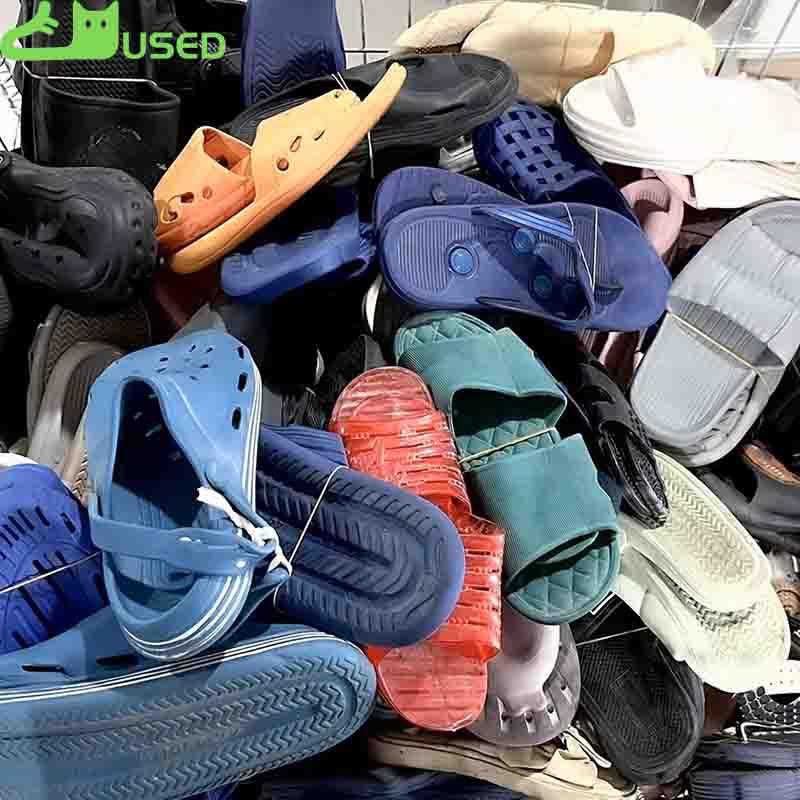
Apply that distinction when enquiring about the used slipper and open-footwear range. The minimum purchase is 1x20GP, one 20-foot general-purpose container. Grade boundaries, size selection, product mix and packing must be confirmed in the quotation; neither these illustrations nor a request for spare parts establishes available stock or fixed container capacity.
If approved work changes a strap, preserve that information in the eventual description. Do not imply an unchanged original configuration or transfer an original-product warranty to used or altered footwear without confirmation. For a used shoes wholesale purchase, the most useful request is specific: which pairs need no strap work, which depend on a supported component, and which remain outside the proposed selection?
No. A toe-post shape can belong to a separate strap, a continuous molding or a sewn assembly. Check the connection rather than treating the silhouette as a replacement mechanism.
No. The surrounding opening and retaining area also need assessment. Damage in the receiving material is a separate problem from the condition of the plug.
No. Attachment geometry and the specified component-to-sole relationship matter. A matching label does not establish equivalent plug shape, strap length or connection positions.
That reverses the decision. Identify eligible constructions and supported parts first; then confirm availability and price. Otherwise the spare-parts purchase may not resolve the footwear problem.
Yes. A buyer can request complete, acceptable original assemblies when there is no supported repair arrangement. Confirm that selection in the quotation rather than assuming every assortment meets it.
A replacement allowance becomes credible only after the connection, receiving sole and compatible component are understood. Separate no-repair footwear from supported replacement candidates and unresolved items. That keeps an attractive top view from becoming an unpriced promise to rebuild the sandal.

Direct Factory Supplier of Used Shoes For African Markets In China
 Tel: +8618606960861
 Email: info@usedshoeswholesale.com
 MP/WhatsApp: +8618606960861
 Manufacturer Address:Cizao Town, Jinjiang City, Quanzhou City, Fujian Province