Author:Used Wholesale Manufacturer TIME:2026-08-11
Women's shoe grade and price ledger
A grade label does not set the wholesale price of used women's shoes. The commercial result begins with a written condition boundary, then changes with the proportion of accepted pairs, preparation work, category and size distribution, packing basis, freight allocation and receiving variance. Buyers can compare offers only after those layers are placed on the same accepted-pair ledger.
Write the limits for matching, outsole wear, sole attachment, heel stability, upper damage, lining, insoles, closures, odor, contamination and permitted preparation. Add form-specific tests for heels, sandals, boots, flats and sneakers. The rule should place a borderline pair without relying on a supervisor's memory.
Request current ordinary examples for accepted, downgraded and excluded outcomes. Record the lot and review date. A polished sample can illustrate a construction, but it cannot establish the distribution inside the offered inventory.
compatible mates
stable release
allowed wear
named reason
Each layer has its own evidence and should remain adjustable.
| Layer | Record | Price question |
|---|---|---|
| Condition | Written boundary and sample | Which pairs enter the grade? |
| Yield | Released pairs by coded unit | What survives the rule? |
| Preparation | Task, input and outcome | What work remains? |
| Assortment | Form and marked-size cells | What selection is priced? |
| Delivery | Dated landed inputs | What reaches receiving? |
The final comparison is cost per accepted pair under the buyer's actual lane, not price per grade letter.
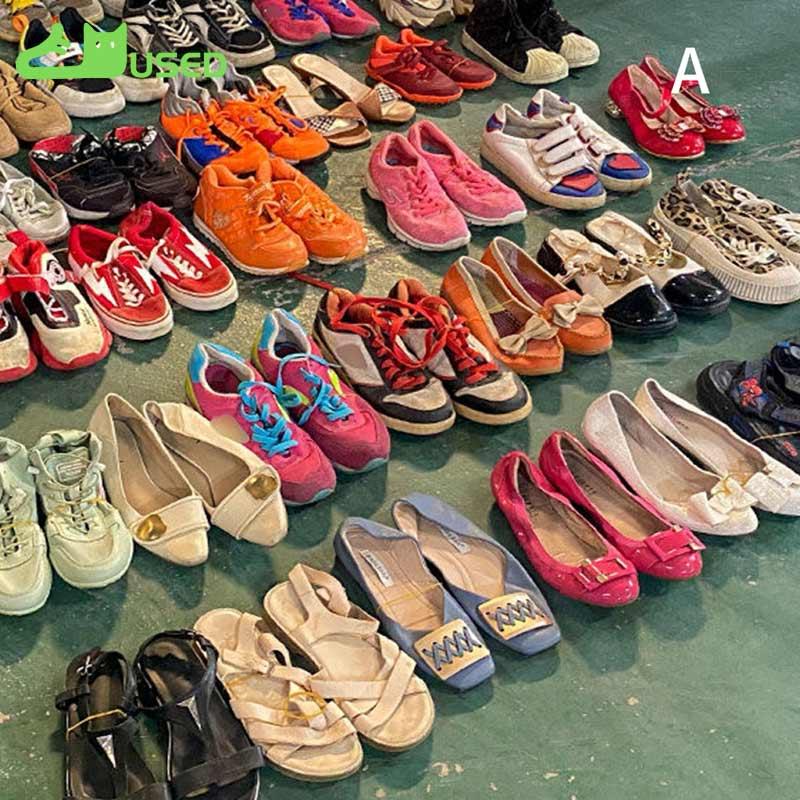
Select coded units across production dates and packing positions before the contents are known. Reconcile opened pairs into sale-ready, routine preparation, downgrade, hold and reject lanes. Keep the strongest and weakest units visible rather than reporting only one blended percentage.
Use the measured accepted-pair count as the denominator for comparison. A higher purchase price may still be economical when it protects yield and reduces handling; a cheaper grade may lose that advantage through exclusions, rework or slow placement.
preselected units
sale-ready pairs
task and minutes
unit variation
Separate surface cleaning, drying, lace or insole work where allowed, repair candidates and structural exclusions. Record labor, materials, reinspection and final disposition by task. Do not assume all work returns a pair to the original grade.
Receiving teams should preserve the pre-work code so the outcome can be reconciled. Hidden labor makes a low quotation look better than it is and prevents the next order from correcting the source condition.
starting condition
time and material
post-work result
release or exclusion
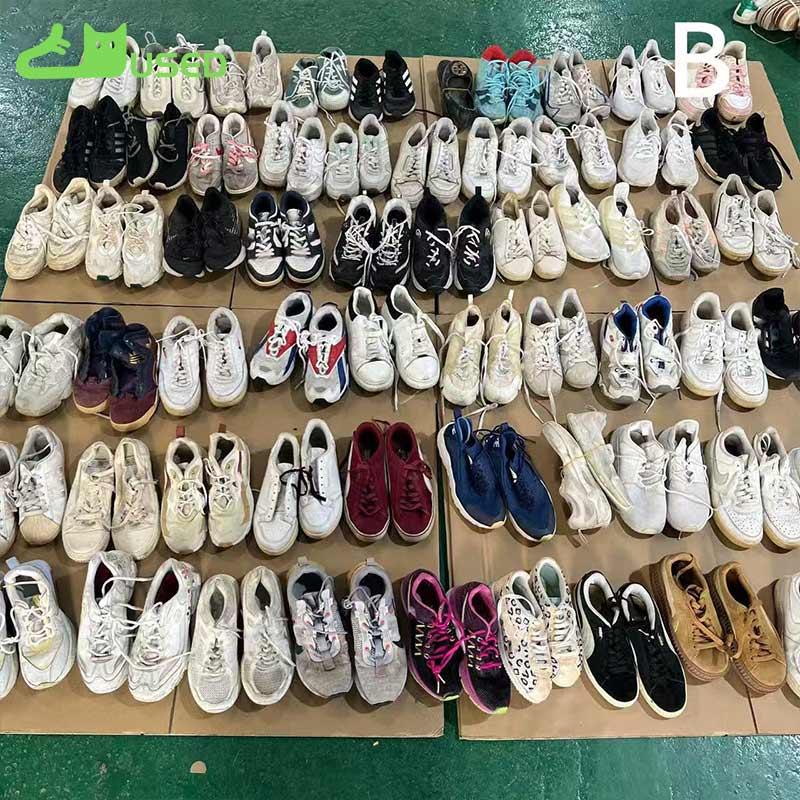
A consistent condition grade can carry a different value when it contains a requested balance of flats, office shoes, sandals, sneakers, boots or heels. Marked-size concentration also affects allocation. Price those selection choices separately where the quotation permits it.
Brand or authenticity evidence belongs in another field. A clean pair is not automatically authentic, and a verified label does not cancel physical wear. Combining every premium inside a grade letter makes later claims impossible to diagnose.
physical lane
form allocation
visible mark cells
separate evidence
Align currency date, delivery term, product unit, gross weight, estimated or counted pairs, grade rule, selection service, packing, document scope and freight treatment. Label estimates. Preserve bale, kilogram and pair measures separately unless a current sampled conversion supports a planning range.
Calculate product, freight allocation, import, handling, preparation and exclusion cost per accepted or sale-ready pair. Update financial assumptions without rewriting the physical sample result. That separation lets the buyer refresh a quote when exchange rates or shipping change.
named delivery point
defined unit
sample result
dated inputs
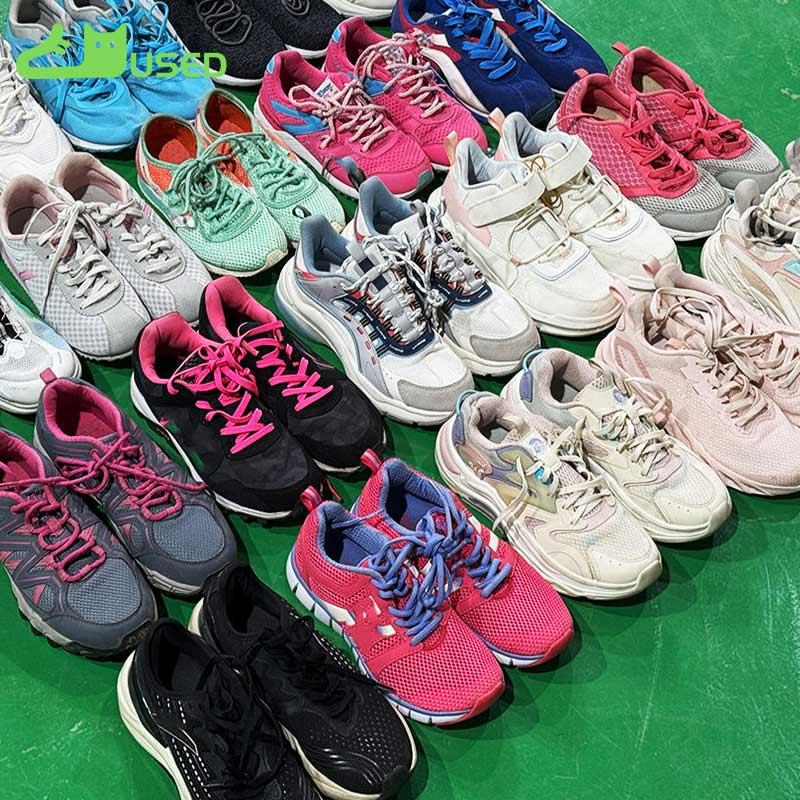
Run a base case and a clearly labeled weaker case for released-pair yield, preparation time and category allocation. Do not present either as a guaranteed margin. The purpose is to identify which missing evidence can overturn the buying decision.
Set a review trigger for a trial, freight revision or mix variance. If the offer works only at the cleanest observed unit or the fastest assumed resale lane, reduce exposure until ordinary evidence narrows the range.
current evidence
documented downside
decision boundary
trial or hold
At receiving, sample by unit code and repeat the pair, condition, preparation and assortment fields used before shipment. Quarantine affected codes before stock merges. Record transport or moisture observations separately from source sorting results.
Compare expected and observed accepted-pair economics. Assign an owner and date to each variance, then update the exact grade boundary, packing instruction or selection tolerance that failed. A general complaint should not replace the count that controls the next price.
same field set
coded quantity
physical or commercial
next quote rule
No. Use the supplier's written boundary and verify it on current ordinary stock.
Only when accepted-pair yield, work, mix and landed cost support that result.
Keep authenticity and selection evidence separate from physical condition.
Retain weight and use sampled pair counts as a labeled range, not a universal conversion.
After a material freight, sample, packing or receiving change with dated evidence.
Grade affects price only through measurable physical and commercial layers. The used women's shoes wholesale category defines the product scope; the accepted-pair ledger determines which quotation is supportable.

Direct Factory Supplier of Used Shoes For African Markets In China
 Tel: +8618606960861
 Email: info@usedshoeswholesale.com
 MP/WhatsApp: +8618606960861
 Manufacturer Address:Cizao Town, Jinjiang City, Quanzhou City, Fujian Province